
Starting a gym routine can feel overwhelming, especially if you’re new to working out. You might wonder where to begin, what exercises are best for you, and how to avoid injury.
This guide on gym exercises for beginner females is designed just for you. It breaks down simple, effective moves that will build your confidence and help you see real progress. By the end, you’ll know exactly how to start your fitness journey with ease and enjoy every step of it.
Ready to take control of your health and strength? Let’s dive in.

Credit: www.shutterstock.com
Starting Your Fitness Journey
Starting your fitness journey can feel exciting and a bit overwhelming. Taking the first step is important for long-term success. Focus on small changes that fit your lifestyle. Consistency matters more than intensity at the beginning. Find joy in moving your body and learning new exercises. This mindset helps keep motivation high and reduces the risk of injury.
Setting Realistic Goals
Set goals that are clear and easy to measure. Choose targets like going to the gym three times a week or walking 30 minutes daily. Avoid aiming for drastic changes quickly. Celebrate small wins to stay motivated. Write down your goals and review them regularly. Adjust goals as you improve or your schedule changes. Realistic goals prevent burnout and help build healthy habits.
Choosing The Right Gym
Pick a gym close to your home or work for easy access. Visit several gyms to compare facilities and atmosphere. Look for clean spaces and friendly staff. Consider gyms with beginner-friendly classes or trainers. Check membership costs and contract terms. A comfortable environment encourages regular visits. Think about gym hours and available equipment. A welcoming gym boosts confidence and enjoyment.
Essential Gym Gear For Beginners
Start with comfortable clothing that lets you move freely. Choose supportive shoes designed for exercise. Bring a water bottle to stay hydrated. Use a small towel for sweat. Consider a basic gym bag to carry your items. Avoid buying expensive equipment at first. Focus on simple gear that meets your needs. Good gear helps you feel prepared and safe during workouts.
Warm-up Routines
Warm-up routines are essential for every workout, especially if you’re new to the gym. They prepare your body for exercise by increasing blood flow and loosening up muscles. Skipping warm-ups can lead to injuries and make your workout feel harder than it should.
Simple Cardio Warm-ups
Starting with light cardio gets your heart pumping and muscles ready. Activities like brisk walking on a treadmill, slow cycling, or jumping jacks are easy and effective. Just 5 to 7 minutes can make a big difference in how your body responds to exercise.
When I first began, I often rushed into weight training without warming up. That caused stiffness and slowed my progress. Adding just a few minutes of cardio helped me feel more energized and reduced soreness afterward.
- Brisk walking or light jogging
- Jumping jacks or high knees
- Stationary cycling at a slow pace
Dynamic Stretching Techniques
Dynamic stretches move your muscles through their full range of motion. Unlike static stretching, these are active movements that help improve flexibility and balance. They also increase blood flow to specific muscle groups you plan to work on.
Try leg swings, arm circles, or walking lunges before your main workout. These moves wake up your muscles and joints without causing fatigue. Have you noticed how your body feels more responsive after doing these before exercise?
- Leg swings forward and sideways
- Arm circles in both directions
- Walking lunges with a gentle twist
Basic Strength Exercises
Basic strength exercises build muscle and improve overall fitness. They help increase energy and support daily activities. For beginners, starting with simple moves is best. These exercises develop good form and confidence.
Bodyweight Moves To Try
Bodyweight exercises need no equipment. They strengthen muscles safely and improve balance. Try these easy moves:
- Squats: Stand with feet shoulder-width apart. Lower hips as if sitting.
- Push-ups: Keep body straight. Lower chest to floor and push up.
- Glute bridges: Lie on back, bend knees. Lift hips toward ceiling.
- Planks: Hold body straight on elbows and toes. Engage core muscles.
Using Machines Safely
Gym machines guide your movements and reduce injury risk. Start with light weights to learn the motion. Adjust the seat and handles to fit your body. Focus on slow, controlled movements. Stop if you feel pain. Machines like leg press, chest press, and lat pulldown are beginner-friendly.
Free Weights For Beginners
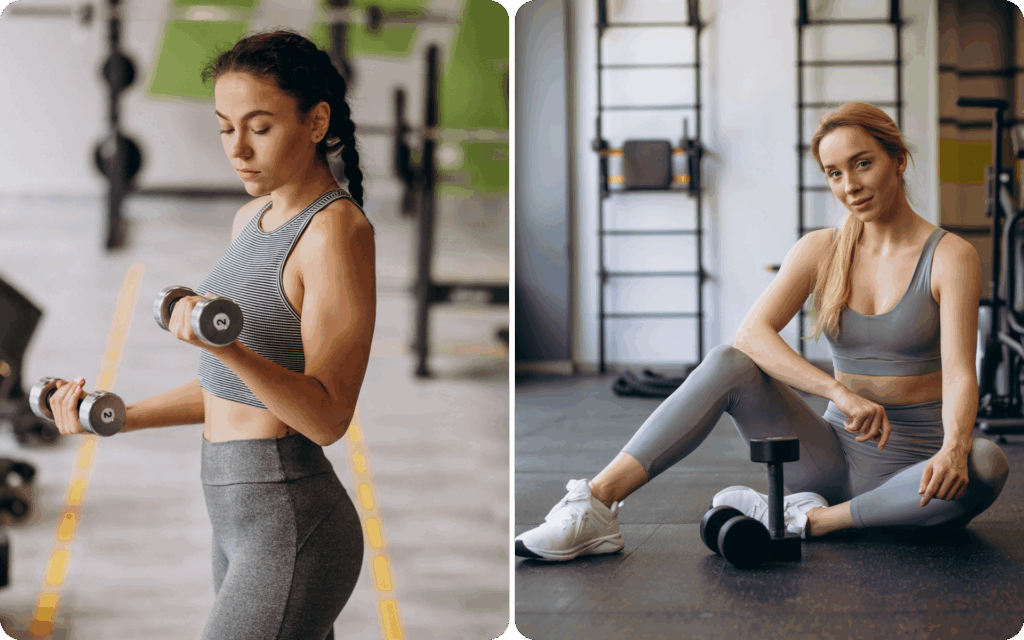
Free weights improve strength and balance. Begin with light dumbbells or kettlebells. Use slow, steady motions to avoid injury. Practice basic exercises like bicep curls, shoulder presses, and deadlifts. Keep your back straight and core tight. Increase weight gradually as strength grows.
Cardio Workouts Made Easy
Cardio workouts don’t have to be complicated or intimidating, especially if you’re new to the gym. Starting with simple, manageable exercises can build your confidence and improve your stamina quickly. You might find yourself enjoying the rhythm of movement and the boost of energy that comes with a good cardio session.
Treadmill Tips
Walking or jogging on the treadmill is one of the easiest ways to get your heart pumping. Start at a comfortable pace and focus on maintaining good posture—stand tall and keep your shoulders relaxed. Adjust the speed or incline gradually as you feel stronger, but avoid pushing too hard too fast.
Try mixing in short bursts of faster walking or light jogging for variety. This keeps things interesting and challenges your body in new ways. Have you noticed how a slight incline can make walking feel like a whole new workout?
Cycling And Elliptical
Both cycling and elliptical machines provide low-impact cardio options that are gentle on your joints. Adjust the resistance to a level where you feel challenged but not overwhelmed. Keep your movements smooth and controlled, focusing on steady breathing.
Many beginners find these machines enjoyable because they can multitask—watching a show or listening to music while exercising. What small changes in resistance or pace could make your session more effective without feeling harder?
Incorporating Interval Training
Adding short bursts of higher intensity followed by rest periods can make your workouts more efficient. For example, sprint for 30 seconds, then walk for 1 minute, and repeat. This approach helps improve endurance and burns more calories in less time.
You don’t need fancy equipment or complicated routines to try interval training. Have you thought about how mixing speeds or effort levels could keep your cardio sessions fresh and motivating?
Flexibility And Cool Down
Flexibility and cool down exercises are essential parts of any workout, especially for beginners. They help your muscles recover, reduce soreness, and improve your overall range of motion. Skipping this phase can leave you feeling stiff and increase the risk of injury.
Simple Stretching Post-workout
After your workout, spend 5 to 10 minutes stretching your major muscle groups. Focus on areas you worked the most, like your legs, back, and arms.
- Hold each stretch for at least 20 seconds without bouncing.
- Breathe deeply to help your muscles relax.
- Try stretches like hamstring stretch, chest opener, and shoulder stretch.
When I started exercising, I ignored stretching and noticed tightness in my muscles the next day. Adding simple stretches helped me feel more comfortable and ready for the next session. What areas of your body feel the tightest after a workout?
Benefits Of Yoga And Pilates
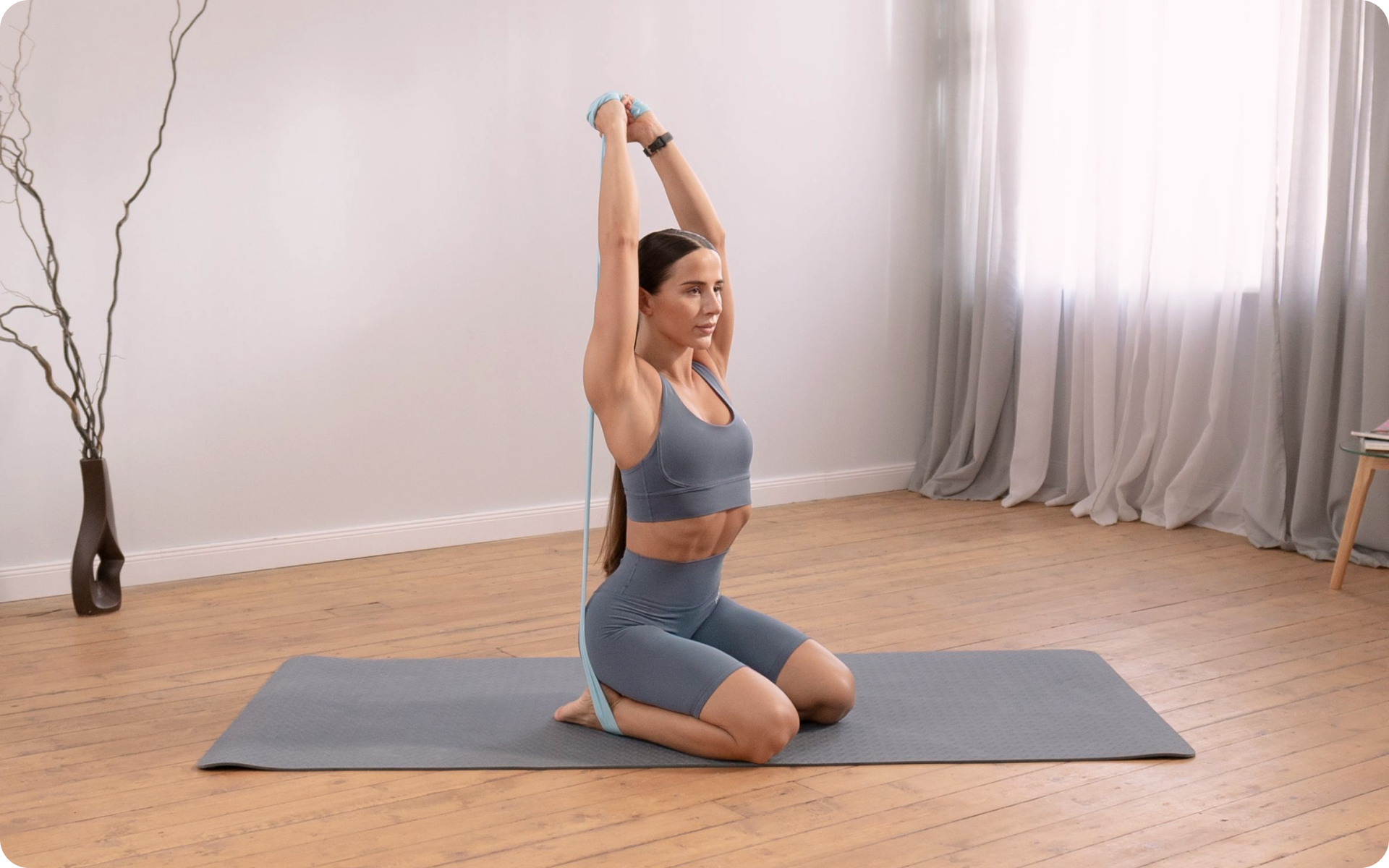
Yoga and Pilates are excellent for improving flexibility and cooling down your body gently. They combine strength, balance, and stretching in a way that suits beginners well.
Practicing yoga or Pilates even twice a week can:
| Benefit | Why It Helps You |
|---|---|
| Improves Flexibility | Lengthens muscles and joints, making daily movements easier. |
| Reduces Stress | Focuses on breathing and mindfulness to calm your mind. |
| Enhances Core Strength | Supports better posture and stability during workouts. |
Have you tried a beginner yoga or Pilates class? These can be great low-impact ways to end your workout while helping your body recover.
Credit: betterme.world
Nutrition Basics For Fitness
Good nutrition is key for beginners starting gym exercises. It fuels the body and helps muscles recover. Eating right supports energy levels and improves workout results. Understanding basic nutrition helps build healthy habits for fitness success.
Balanced Meals To Support Workouts
A balanced meal includes protein, carbohydrates, and healthy fats. Protein helps repair muscles after exercise. Carbohydrates provide energy for workouts. Healthy fats support overall body function. Include vegetables and fruits for vitamins and fiber.
- Lean meats, fish, eggs, or beans for protein
- Whole grains, brown rice, or oats for carbs
- Avocado, nuts, or olive oil for healthy fats
- Fresh vegetables and fruits for nutrients
Hydration Tips
Water is essential for fitness and health. Drink water before, during, and after workouts. Avoid sugary drinks that cause energy crashes. Carry a water bottle to remind yourself to drink. Aim for at least 8 glasses of water daily.
Supplements For Beginners
Supplements are not always necessary but can help. Protein powder is common to support muscle growth. Multivitamins fill gaps in your diet. Consult a doctor before starting any supplement. Focus on whole foods first; supplements are extra help.
Staying Motivated
Staying motivated can be the toughest part of starting your gym journey. You might feel excited on the first day but lose steam quickly. Finding ways to keep your energy high and your goals clear makes all the difference.
Tracking Progress
Seeing how far you’ve come can push you to keep going. Write down your workouts, weights, and reps in a notebook or use a fitness app. Little wins like lifting a bit heavier or running longer build real confidence.
Try taking photos or measurements every few weeks. Numbers tell one story, but visible changes remind you of your hard work. What small improvement will you celebrate this week?
Finding Workout Buddies
Working out with someone else adds fun and accountability. A friend can cheer you on when you want to quit and make workouts feel less like a chore. You’ll also learn from each other’s routines and tips.
If you don’t have a gym buddy yet, consider joining group classes or local fitness groups. Meeting others who share your goals can change your attitude about exercise. Who could you invite to join you next time?
Overcoming Common Challenges
Everyone faces setbacks—feeling tired, busy schedules, or lack of motivation. Instead of giving up, adjust your plan to fit your day. Even a 10-minute workout is better than none.
Remember, progress isn’t always linear. Some days will be harder, but pushing through builds resilience. What challenge can you prepare for today to avoid tomorrow’s excuse?
Credit: betterme.world
Frequently Asked Questions
What Are The Best Gym Exercises For Beginner Females?
Beginner females should focus on basic exercises like squats, lunges, push-ups, and planks. These build strength safely and improve overall fitness. Starting with light weights or bodyweight helps avoid injury and builds confidence.
How Often Should Beginner Females Exercise At The Gym?
For beginners, exercising 3 to 4 times per week is ideal. This frequency allows muscles to recover and prevents burnout. Consistency is key to building strength and improving endurance gradually.
Should Beginner Females Focus On Cardio Or Strength Training?
Both cardio and strength training are important. Cardio boosts heart health, while strength training builds muscle and tones the body. A balanced routine combining both yields the best fitness results.
How Long Should A Beginner Female Workout Session Last?
Workout sessions should last 30 to 45 minutes for beginners. This duration is enough for warm-up, exercises, and cool-down. It helps maintain energy levels and promotes steady progress without fatigue.
Conclusion
Starting a gym routine can feel overwhelming. But it doesn’t have to be. Focus on simple exercises first. Build confidence and strength gradually. Listen to your body. Stay consistent with your workouts. Progress will follow in time. Celebrate small victories along the way.
Remember, patience is key. Consistency brings results. A balanced approach keeps you motivated. Don’t rush the process. Enjoy your fitness journey. It’s about health, not perfection. Always prioritize safety. Consult professionals if needed. Stay positive and determined. You’ve got this! Fitness is a lifelong journey.
Keep pushing forward. Your future self will thank you.







