
Looking to take your fitness game to the next level? Boxing gym exercises might just be the knockout punch your routine needs.
Imagine the adrenaline rush of ducking and weaving, the satisfying thud of gloves hitting the bag, and the boost in confidence as you master new skills. Whether you’re a beginner or a seasoned athlete, boxing offers a unique blend of cardio, strength, and mental toughness.
You’ll not only sculpt your body but also sharpen your mind. Ready to discover the secrets behind those powerful punches and agile footwork? Keep reading to unlock the full potential of your fitness journey with boxing gym exercises.
Credit: boxrope.com
Warm-up Routines
Warm-up routines prepare your body and mind for intense boxing workouts. They reduce injury risk and improve performance. Effective warm-ups increase blood flow to muscles and enhance flexibility. A good warm-up also sharpens focus and reaction time. Here are essential warm-up exercises to include in your boxing gym routine.
Dynamic Stretching
Dynamic stretching uses controlled movements to warm muscles. It activates key muscle groups without holding positions. Examples include leg swings, arm circles, and torso twists. These stretches improve mobility and joint range of motion. They prepare your body for fast, explosive boxing moves.
Jump Rope Drills
Jump rope drills boost coordination and cardiovascular fitness. They also build foot speed and endurance. Start with steady jumps, then try alternate foot steps and high knees. Jumping rope warms your calves, shins, and ankles. It mimics the footwork needed inside the ring.
Shadow Boxing
Shadow boxing is a low-impact way to rehearse punches and footwork. Move around, throw jabs, crosses, and hooks in the air. It helps improve technique and timing without resistance. Use shadow boxing to mentally prepare for your training session. Focus on smooth, controlled movements and proper stance.
Credit: www.youtube.com
Strength Training
Strength training builds power and endurance for boxing. It improves muscle tone, speed, and injury resistance. Focused workouts target key muscle groups used in punches, footwork, and defense. This training sharpens your overall performance in the ring.
Heavy Bag Workouts
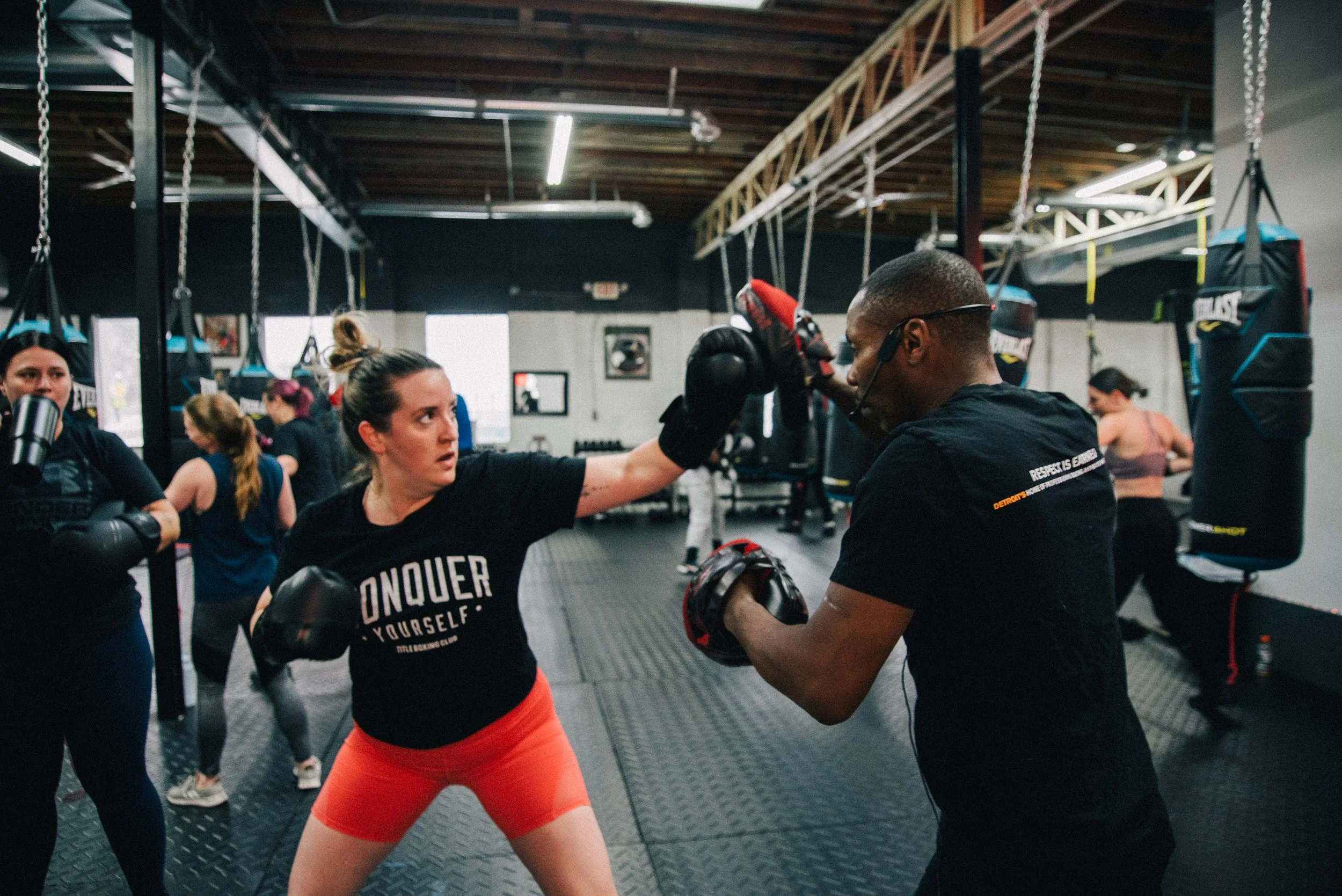
Heavy bag workouts develop punching power and technique. Strike the bag with varied punches like jabs, hooks, and uppercuts. These exercises build muscle strength and improve hand speed. Use timed rounds to simulate real fight conditions. Heavy bags also enhance endurance and coordination.
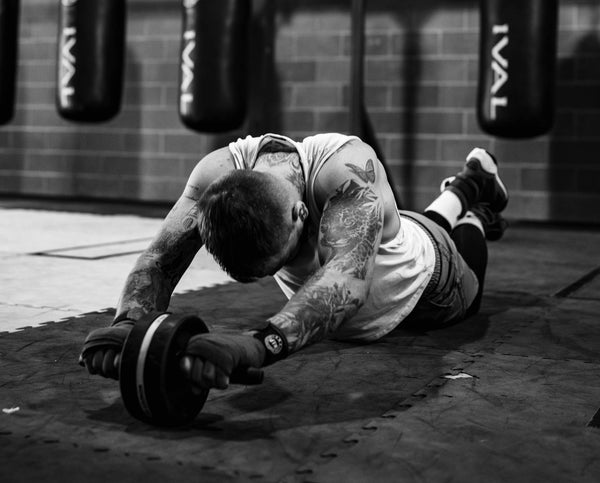
Bodyweight Exercises
Bodyweight exercises increase strength without equipment. Push-ups strengthen chest, shoulders, and triceps for powerful punches. Squats build leg muscles vital for movement and balance. Planks and sit-ups improve core stability, helping maintain posture during fights. These exercises improve strength and flexibility simultaneously.
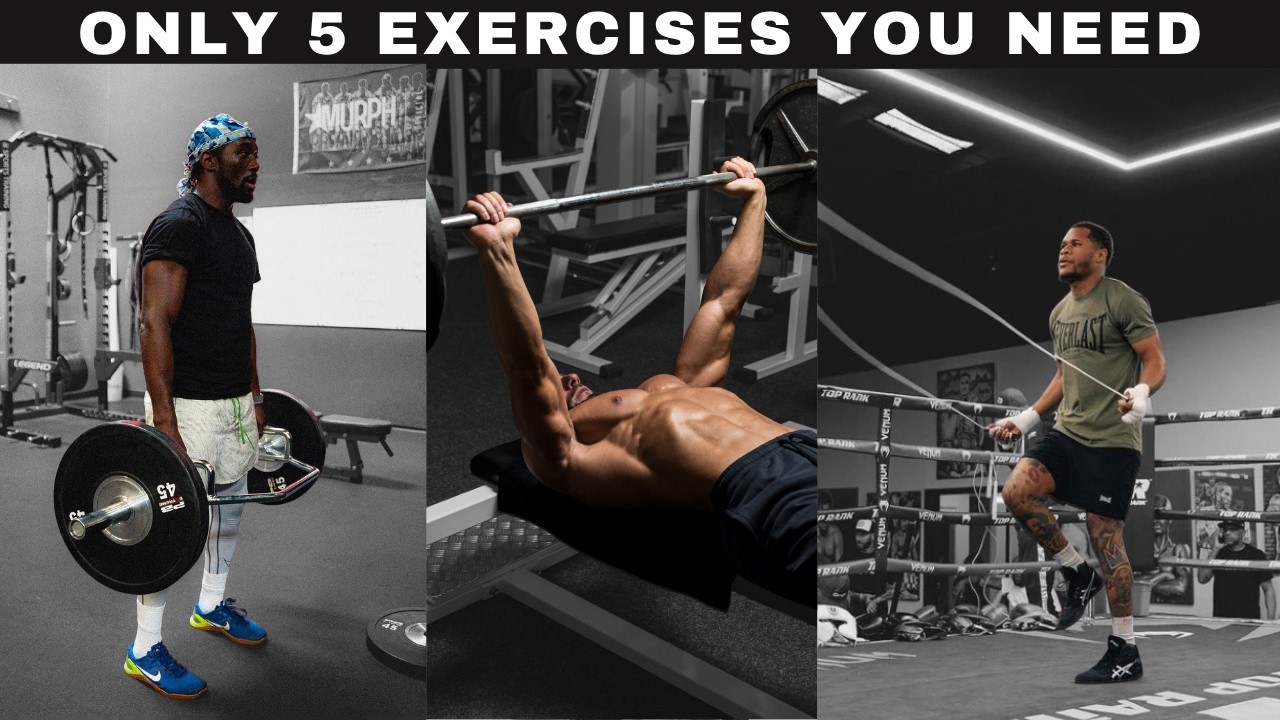
Weightlifting Techniques
Weightlifting boosts muscle mass and explosive power. Focus on compound lifts like deadlifts, squats, and bench presses. These moves target multiple muscle groups essential for boxing. Use moderate weights with controlled reps to avoid injury. Weightlifting complements boxing drills by enhancing raw strength and speed.
Speed And Agility Drills
Speed and agility drills are essential to boxing because they sharpen your reaction time and enhance your movement around the ring. These exercises train your body to respond quickly and efficiently, which can give you an edge during a fight. Improving your foot speed and hand-eye coordination through these drills will boost your confidence and overall boxing performance.
Footwork Patterns
Mastering footwork patterns helps you control the ring and stay balanced under pressure. Simple drills like forward and backward shuffles, lateral steps, and pivoting keep your feet light and ready. Practicing these regularly improves your ability to dodge punches and position yourself for counterattacks.
Try combining quick direction changes with shadowboxing to simulate real fight movements. Can you maintain your balance while changing angles swiftly? That’s a key test for your footwork skills.
Speed Bag Training
The speed bag is a fantastic tool to build hand speed and rhythm. Hitting the bag consistently improves your timing and trains your shoulders to stay relaxed yet ready to fire fast punches. It also helps develop endurance in your arms, which is crucial for maintaining speed throughout rounds.
Start slow, then challenge yourself to increase the tempo as your coordination improves. Notice how your hands begin to move automatically with less effort. How does that improved rhythm translate when you’re sparring or shadowboxing?
Ladder Drills
Agility ladders are simple but powerful for enhancing quick feet and coordination. Stepping in and out of the ladder rungs at various speeds trains your nervous system to react faster. You can add variations like side steps, crossover steps, or single-leg hops to keep your workouts challenging.
Try timing your ladder drills to see how much faster you can get week by week. Do you feel more explosive when you plant your feet and launch punches? That’s the agility training paying off in your boxing sessions.
Core Conditioning
Your core is the powerhouse for boxing. It stabilizes your entire body, allowing you to deliver stronger punches and maintain balance during intense movements. Focusing on core conditioning will not only improve your performance but also help prevent injuries.
Planks And Holds
Planks are simple yet incredibly effective for building core strength. Holding a plank position engages multiple muscle groups, including your abs, back, and shoulders.
Try varying your planks by adding side holds or lifting one arm or leg. This challenges your stability and improves your ability to control your body during punches and evasive moves.
Medicine Ball Exercises
Medicine balls add resistance and dynamic movement to your core workouts. Throwing or slamming a medicine ball mimics the explosive power you need in the ring.
Start with basic chest passes or rotational throws against a wall. These exercises enhance your rotational strength, crucial for powerful hooks and uppercuts.
Russian Twists
Russian twists target your obliques, which help you rotate your torso quickly. Sitting on the floor with your feet slightly lifted, twist your torso from side to side while holding a weight or medicine ball.
This movement improves your ability to generate torque during punches. If you struggle with balance during this exercise, keep your feet on the ground to maintain control before progressing.
Endurance Building
Building endurance is essential for boxing. It helps you keep moving and stay strong during long training sessions or fights. Endurance improves your heart and lung capacity. It also boosts your muscle stamina. These exercises focus on pushing your limits bit by bit.
Circuit Training
Circuit training mixes different exercises with little rest. This keeps your heart rate high. Typical circuits include jump rope, push-ups, and shadow boxing. This variety trains your whole body. It also builds stamina fast.
- Perform each exercise for 30-60 seconds.
- Rest for 15-30 seconds between exercises.
- Repeat the circuit 3-5 times.
This method trains strength and endurance together. It mimics the constant motion in boxing rounds.
Interval Running
Interval running alternates between fast and slow pace. Sprint for a short time, then jog or walk to recover. This trains your heart to handle bursts of speed. It also improves recovery time.
- Sprint for 20-30 seconds.
- Jog or walk for 1-2 minutes.
- Repeat the cycle 6-10 times.
This workout increases your overall stamina. It prepares you for quick moves and sudden attacks.
High-intensity Rounds
High-intensity rounds simulate real boxing. You train in short, intense bursts with brief rests. Use heavy bag punches or fast combinations. Keep your energy high for 2-3 minutes per round.
- Punch the heavy bag for 2-3 minutes.
- Rest for 30-60 seconds.
- Complete 3-6 rounds.
This trains your body to maintain power under fatigue. It also builds mental toughness for longer fights.
Recovery Techniques
Recovery techniques are essential to keep your body strong and ready for the next boxing session. They help reduce muscle soreness, improve flexibility, and prevent injuries. Taking time for recovery can actually boost your overall performance and make training more enjoyable.
Stretching And Mobility
Stretching after your workout helps your muscles relax and lengthen. Focus on dynamic stretches before training and static stretches after. Simple moves like leg swings, arm circles, and hip openers can improve your range of motion and reduce stiffness.
Have you noticed how skipping stretches can make your muscles feel tight the next day? Adding just 10 minutes of targeted stretching can make a big difference in how your body feels and moves.
Foam Rolling
Foam rolling targets tight spots and knots in your muscles, also known as trigger points. By applying pressure to these areas, you increase blood flow and speed up recovery. Spend a few minutes rolling your calves, quads, back, and shoulders after training.
It might feel uncomfortable at first, but foam rolling can actually help you punch harder and move faster by loosening up your muscles. Have you tried rolling out your muscles right after an intense boxing session?
Breathing Exercises
Breathing exercises calm your nervous system and improve oxygen flow to your muscles. Deep, controlled breaths can help reduce stress and speed up recovery after a tough workout. Try inhaling deeply through your nose, holding for a few seconds, then slowly exhaling through your mouth.
Next time you finish a hard round, pause and focus on your breath. You’ll feel more relaxed and ready to get back in the ring sooner than you expect.
Nutrition Tips
Nutrition plays a huge role in how well you perform and recover during your boxing workouts. What you eat and drink before, during, and after training can either boost your energy or leave you feeling drained. Paying attention to your nutrition can help you train harder and bounce back faster.
Pre-workout Meals
Your body needs fuel to deliver power and endurance in the gym. A balanced meal 1 to 2 hours before training works best.
- Choose carbs like oatmeal, whole grain bread, or fruit to provide quick energy.
- Add some protein, such as eggs or Greek yogurt, to keep you full and support muscle strength.
- Avoid heavy or greasy foods that might slow you down or cause discomfort.
Have you noticed how skipping your pre-workout meal affects your stamina? Try adjusting what you eat beforehand and see if you can push through longer rounds.
Hydration Strategies
Water is your best friend when it comes to boxing training. Staying hydrated helps prevent cramps and keeps your focus sharp.
- Drink water steadily throughout the day, not just during workouts.
- Before training, sip on 16-20 ounces of water about 2 hours prior.
- During intense sessions, take small sips every 15-20 minutes to replace lost fluids.
Have you ever felt your energy tank because of dehydration? Try tracking your water intake for a week and notice the difference in your performance.
Post-workout Recovery Foods
After a tough boxing session, your body craves nutrients to repair muscles and restore energy.
- Combine protein and carbs within 30-60 minutes post-workout, like a chicken sandwich or a smoothie with banana and protein powder.
- Include healthy fats from sources like nuts or avocado to help reduce inflammation.
- Don’t forget to rehydrate with water or an electrolyte drink if you sweated a lot.
Have you tried different recovery foods to see what helps you feel better faster? Your choice here can make a big difference in how ready you are for the next session.
Credit: www.jabsgymferndale.com
Frequently Asked Questions
What Are The Best Warm-up Exercises In A Boxing Gym?
Best warm-ups include jump rope, shadowboxing, and dynamic stretches. These prepare muscles and improve coordination, preventing injuries during workouts.
How Do Boxing Gym Exercises Improve Overall Fitness?
Boxing workouts enhance cardio, strength, and agility. They combine high-intensity training with skill drills, boosting endurance and muscle tone effectively.
Which Boxing Exercises Build Punching Power Fast?
Heavy bag training, plyometric push-ups, and medicine ball throws increase punching power. These exercises strengthen muscles and improve explosive force.
How Often Should Beginners Train At A Boxing Gym?
Beginners should train 2-3 times weekly, allowing recovery. Consistent practice builds skills and fitness without causing burnout or injury.
Conclusion
Boxing gym exercises build strength, speed, and endurance. They improve your balance and coordination. Regular practice helps you stay fit and healthy. These workouts suit all skill levels and ages. Start slow, focus on form, and increase intensity. Remember, consistency brings the best results.
Enjoy the process and keep pushing yourself. Your body and mind will thank you.







