
Are you looking to stay active, healthy, and full of energy as you age? Finding the right fitness trainer for seniors can make all the difference.
The right guidance helps you move safely, build strength, and enjoy every step of your fitness journey. Imagine feeling stronger, more confident, and ready to take on each day with ease. Keep reading to discover how a fitness trainer tailored to your needs can transform your life and keep you thriving at any age.

Credit: www.acefitness.org
Benefits Of Fitness For Seniors
Engaging in regular fitness activities offers seniors numerous benefits that enhance their quality of life. Staying active doesn’t just improve the body; it also sharpens the mind and opens doors to new social connections. Understanding these benefits can motivate you to take the first step toward a healthier lifestyle.
Physical Health Improvements
Fitness helps seniors maintain muscle strength and flexibility, reducing the risk of falls and injuries. It also supports heart health by improving circulation and lowering blood pressure. Have you noticed how even a short daily walk can boost your energy and ease joint stiffness?
Regular exercise can help manage chronic conditions such as arthritis, diabetes, and osteoporosis. Simple activities like stretching or light weight training can make daily tasks easier and less painful.
Mental Well-being Boost
Physical activity triggers the release of mood-enhancing chemicals like endorphins, helping reduce feelings of depression and anxiety. Exercise can also improve memory and concentration, making it easier to stay sharp. Ever felt clearer and more focused after a brisk walk or gentle yoga session?
Staying active creates a sense of accomplishment and purpose. This positive mindset can lead to better sleep and increased motivation throughout the day.
Social Engagement Opportunities
Joining fitness classes or groups connects you with peers who share similar goals and interests. These social interactions can reduce feelings of loneliness and build a supportive community. Have you tried a group dance or water aerobics class that turned a workout into a fun social event?
Being part of a fitness community encourages consistency and accountability. It’s easier to stick with an exercise routine when you have friends cheering you on.
Choosing The Right Exercise
Choosing the right exercise as a senior is essential for staying active and healthy without risking injury. It’s about finding activities that match your current fitness level and support your goals. What types of exercises keep you motivated and feeling strong?
Low-impact Cardio Options
Low-impact cardio exercises protect your joints while boosting your heart health. Walking, swimming, and cycling are excellent choices that you can adjust to your pace. Many seniors find water aerobics especially enjoyable because the water supports their body weight, reducing stress on knees and hips.
Try mixing different low-impact activities to keep things interesting. Have you tried chair aerobics or gentle dancing? These can be surprisingly effective and fun ways to stay moving.
Strength Training Basics
Building muscle helps maintain independence and prevents falls. You don’t need heavy weights; even resistance bands or light dumbbells can work well. Focus on major muscle groups with simple exercises like seated leg lifts or wall push-ups.
Start with two sessions a week and increase gradually. Remember, it’s more important to use correct form than to lift heavy. How often do you challenge your muscles to stay strong?
Flexibility And Balance Exercises
Flexibility and balance exercises reduce stiffness and improve coordination. Gentle yoga or tai chi can be great ways to increase flexibility while calming your mind. Even simple stretches done daily can improve your range of motion.
Balance exercises like standing on one foot or heel-to-toe walking help prevent falls. What small changes could you make to your routine to boost your balance?
Creating A Safe Workout Plan
Creating a safe workout plan is essential for seniors to stay active and healthy. It reduces the risk of injury and helps build strength steadily. A well-designed plan respects the body’s limits and focuses on gradual progress. Safety ensures seniors enjoy exercise and remain motivated over time.
Assessing Health Conditions
Understanding current health status is the first step. Check for chronic illnesses like diabetes, arthritis, or heart conditions. Consult a doctor before starting any new workout routine. Note any physical limitations or pain during movement. This helps tailor exercises to avoid harm and improve overall wellness.
Setting Realistic Goals
Goals should be clear and achievable. Focus on improving flexibility, balance, or endurance. Small steps lead to steady progress and build confidence. Avoid setting too high targets that cause frustration or injury. Celebrate every success, no matter how small.
Proper Warm-up And Cool-down
Warm-up prepares the body for exercise by increasing blood flow. Gentle stretching and light walking are good choices. Cool-down helps muscles relax and reduces stiffness. Slow movements and deep breathing restore the body’s normal state. Both steps prevent injuries and improve recovery.
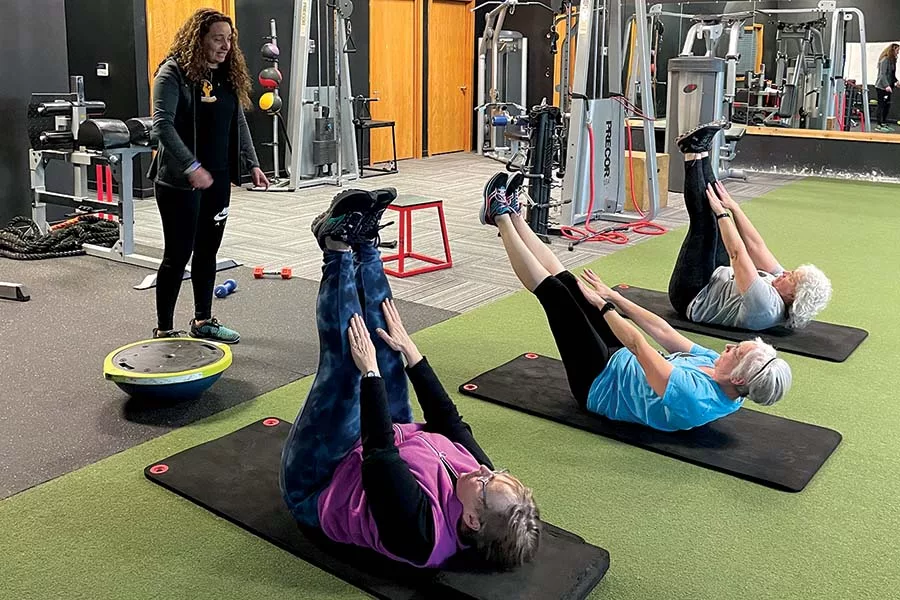
Credit: www.tricitiesbusinessnews.com
Nutrition Tips For Active Seniors
Nutrition plays a key role in keeping seniors active and healthy. Eating the right foods fuels the body and supports muscle strength. It also helps maintain energy levels throughout the day. Smart nutrition choices support overall well-being and make workouts more effective.
Focus on balanced meals that provide essential nutrients. Stay hydrated to avoid fatigue and dizziness. Time meals to match activity levels for better performance and recovery.
Essential Nutrients
Seniors need a mix of vitamins, minerals, and macronutrients daily. Protein helps repair muscles and keeps them strong. Choose lean meats, beans, and dairy for good protein sources.
Calcium and vitamin D build strong bones and reduce fracture risk. Leafy greens, fortified milk, and sunlight provide these nutrients. Fiber from fruits, vegetables, and whole grains aids digestion and controls weight.
- Protein: chicken, fish, beans, tofu
- Calcium: milk, yogurt, kale
- Vitamin D: eggs, fortified cereals, sunlight
- Fiber: apples, carrots, oats
Hydration Importance
Water keeps the body functioning well. It helps regulate temperature and supports joint health. Seniors often feel less thirsty, so they may forget to drink enough.
Dehydration can cause tiredness and confusion. Aim for at least 6 to 8 cups of water daily. Drink water before, during, and after exercise. Herbal teas and water-rich foods also help hydration.
Meal Timing Strategies
Eating at the right times boosts energy and recovery. Have a balanced breakfast to start the day strong. Include protein and fiber for lasting fullness.
Small, frequent meals keep blood sugar steady. Snack on nuts, fruits, or yogurt between main meals. After workouts, eat a protein-rich snack to aid muscle repair.
Avoid heavy meals close to bedtime to improve sleep quality. Plan meals around activity schedules for best results.
Staying Motivated And Consistent
Staying motivated and consistent is key for seniors to enjoy fitness benefits. Regular exercise helps improve strength, balance, and overall health. Finding ways to keep the routine enjoyable and steady makes a big difference.
Tracking Progress
Tracking progress boosts motivation and shows real results. Simple tools like journals or apps work well. Write down exercises done, time spent, and feelings after workouts. Seeing small improvements encourages seniors to keep going.
Building A Support System
A support system creates accountability and makes fitness fun. Joining group classes or working with a trainer adds social interaction. Family and friends cheering on progress help maintain commitment. Sharing goals and achievements strengthens motivation.
Overcoming Common Barriers
Common barriers include fatigue, pain, or lack of time. Adjust workouts to match energy levels and avoid injury. Short, frequent sessions fit busy days better. Focus on what is possible, not perfect. Celebrate every effort to stay positive.
When To Seek Professional Guidance
Deciding when to seek professional guidance as a senior starting or continuing a fitness routine is crucial. Your body changes over time, and what worked before might not be the best approach now. Knowing when to get expert advice can protect your health and help you reach your goals more effectively.
Choosing A Qualified Trainer
Not every fitness trainer understands the unique needs of seniors. Look for trainers certified in senior fitness or those with experience working with older adults. Ask about their knowledge of common age-related health issues like arthritis or osteoporosis.
A good trainer will customize exercises to your abilities and limitations. They will listen to your concerns and adjust workouts to avoid injury. Have you ever tried working out only to end up with soreness or pain? A qualified trainer can prevent that by guiding you safely.
Signs To Consult A Doctor
Before starting any new exercise program, especially if you have chronic conditions, check with your doctor. If you experience unusual symptoms such as chest pain, dizziness, or shortness of breath during or after activity, stop immediately and seek medical advice.
Other warning signs include swelling in your legs, persistent fatigue, or irregular heartbeats. These signs are signals from your body that professional medical evaluation is necessary. Ignoring these can lead to serious health issues.
Benefits Of Personalized Programs
Generic workout plans often don’t address the specific needs of seniors. Personalized programs take into account your medical history, fitness level, and personal goals. This tailored approach improves effectiveness and keeps you motivated.
Working with a trainer who designs a program just for you means exercises focus on balance, flexibility, and strength—key areas to maintain independence. Have you noticed how some workouts leave you feeling stronger and more confident? That’s the power of a personalized plan.

Credit: insurefitness.com
Frequently Asked Questions
What Are The Benefits Of A Fitness Trainer For Seniors?
A fitness trainer for seniors improves strength, balance, and flexibility. They help prevent injuries and manage chronic conditions. Trainers also boost motivation and ensure exercises suit seniors’ unique needs for safe, effective workouts.
How Do Fitness Trainers Customize Workouts For Seniors?
Trainers assess seniors’ health, mobility, and fitness levels. They design exercises focusing on low-impact movements and gradual progression. Custom plans address specific goals like improving balance, strength, or cardiovascular health, ensuring safety and effectiveness.
Can Seniors With Health Issues Work With Fitness Trainers?
Yes, fitness trainers adapt workouts for seniors with health conditions. They collaborate with healthcare providers to ensure safe exercise routines. Trainers focus on improving mobility, strength, and overall wellness while considering medical limitations.
How Often Should Seniors Train With A Fitness Trainer?
Seniors should train 2-3 times per week with a fitness trainer. This frequency balances workout benefits with recovery time. Regular sessions promote consistency, improve fitness, and reduce the risk of injury.
Conclusion
Choosing a fitness trainer for seniors is a wise decision. They ensure tailored exercises, focusing on safety and health. Seniors benefit from improved strength and flexibility. This leads to better balance and confidence. Regular sessions help maintain motivation and consistency.
Trainers offer encouragement and expertise. They adapt workouts to suit individual needs. This makes fitness achievable and enjoyable. Staying active as a senior promotes a healthier lifestyle. It supports mental well-being and social interaction. Investing in a trainer creates a positive impact.
Seniors can enjoy an active, fulfilled life with support from a skilled trainer.







