
Are you ready to transform your fitness routine with a weekly gym exercise plan that truly works? Imagine stepping into the gym each week with a clear strategy, knowing exactly what to do to achieve your fitness goals.
Whether you’re aiming to build muscle, lose weight, or simply feel more energetic, the right exercise plan can make all the difference. This guide will introduce you to a weekly gym exercise routine that’s designed to keep you motivated and on track.
Say goodbye to aimless workouts and hello to a structured plan that delivers results. Let’s dive in and discover how you can maximize your gym time for maximum impact!
Planning Your Weekly Gym Routine
Planning your weekly gym routine helps you stay consistent and see progress. A clear plan balances different types of exercises and fits your lifestyle. It keeps workouts effective and prevents burnout. Setting goals and choosing workout days improves motivation and results. Start with a simple plan that matches your fitness level. Adjust as you grow stronger and more confident.
Balancing Strength And Stamina Workouts
A good weekly routine includes both strength and stamina exercises. Strength workouts build muscles and improve bone health. Stamina workouts increase heart health and endurance. Balance these by alternating days or combining them in one session. For example, lift weights on Monday and run on Tuesday. This mix helps avoid injury and keeps workouts interesting.
Setting Realistic Fitness Goals
Set clear and achievable goals for your gym routine. Small goals build confidence and keep you motivated. Choose goals like “exercise three times per week” or “lift a certain weight.” Track your progress weekly. Adjust goals as you improve to stay challenged but not overwhelmed.
Choosing The Right Workout Days
Pick workout days that fit your schedule and energy levels. Consistency matters more than intensity. Spread workouts evenly to allow rest days between hard sessions. For example, exercise Monday, Wednesday, and Friday. Rest days help muscles recover and reduce fatigue. Plan your gym days around work and personal commitments.
Strength Training Essentials
Strength training builds muscle, improves bone health, and boosts metabolism. It requires focus on proper form and balanced routines. Understanding the essentials helps create effective workouts that prevent injury and promote growth.
Targeting the right muscles and using correct techniques ensures steady progress. Incorporating compound movements saves time and engages multiple muscle groups.
Key Muscle Groups To Target
Focus on major muscle groups for balanced strength. These include:
- Chest – for pushing power
- Back – for pulling strength
- Legs – for stability and movement
- Shoulders – for arm and upper body support
- Core – for balance and injury prevention
Working all these groups evenly avoids muscle imbalances and improves posture.
Effective Weightlifting Techniques
Maintain correct posture to avoid injuries. Keep your back straight and core tight during lifts. Use controlled movements, not momentum. Focus on slow, steady reps to maximize muscle engagement. Breathing is key—exhale when lifting, inhale when lowering. Start with lighter weights, then increase gradually for strength gains.
Incorporating Compound Movements
Compound exercises work several muscles at once. They save time and build overall strength. Examples include:
- Squats – target legs, core, and back
- Deadlifts – engage the entire posterior chain
- Bench Press – focuses on chest, shoulders, and triceps
- Pull-Ups – strengthen back and arms
- Overhead Press – works shoulders and upper back
These moves improve coordination and burn more calories.
Boosting Stamina With Cardio
Building stamina through cardio exercises is one of the smartest ways to enhance your overall fitness. Cardio not only strengthens your heart but also improves your lung capacity, helping you sustain physical activities longer without fatigue. If you want to push your limits and feel energized throughout your workouts, focusing on cardio is essential.
Best Cardio Exercises For Endurance
Some cardio exercises naturally boost endurance better than others. Running and cycling are great for long-lasting stamina because they engage large muscle groups continuously. Swimming offers a full-body workout that also conditions your lungs and heart effectively.
Try these options to see which suits your style:
- Jogging or long-distance running
- Stationary or outdoor cycling
- Swimming laps at a steady pace
- Rowing machine sessions
- Brisk walking or hiking on varied terrain
Which one feels the most enjoyable for you? Enjoyment often leads to consistency, which is key for building stamina.
Interval Training Benefits
Adding intervals to your cardio can dramatically improve your stamina. By alternating between high-intensity bursts and low-intensity recovery, your body adapts to work harder and recover faster. This approach saves time and pushes your endurance more efficiently than steady-state cardio alone.
For example, sprint for 30 seconds, then walk for 1 minute, and repeat. You’ll notice your energy levels rising quicker than you expect. Have you tried interval training yet? It might be the breakthrough your cardio routine needs.
Monitoring Heart Rate Zones
Tracking your heart rate during cardio helps you train smarter, not harder. Different heart rate zones target different fitness goals, from fat burning to improving aerobic capacity. Knowing your zones keeps your workouts effective and prevents overtraining.
| Heart Rate Zone | Percentage of Max HR | Training Benefit |
|---|---|---|
| Warm-up Zone | 50-60% | Basic endurance, fat burning |
| Aerobic Zone | 60-70% | Builds stamina, improves cardiovascular fitness |
| Anaerobic Zone | 70-85% | Increases speed and power |
| Red Line Zone | 85-95% | Maximum effort, short bursts only |
Do you know your target heart rate zones? Using a heart rate monitor can turn guesswork into precise training.
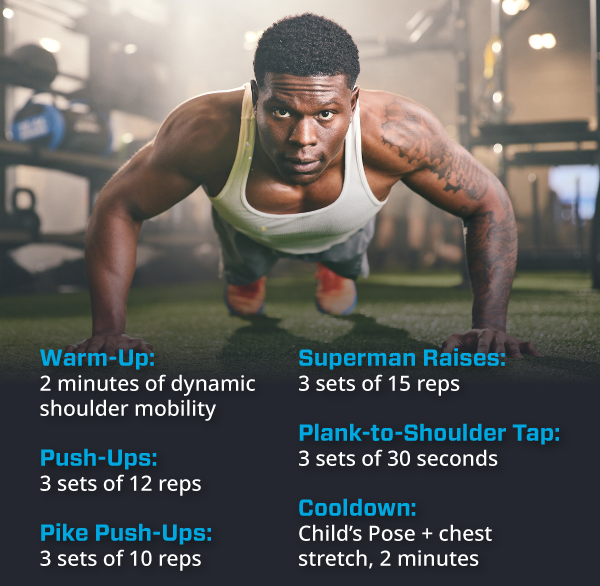
Credit: www.eosfitness.com
Combining Strength And Stamina
Combining strength and stamina is key to a balanced weekly gym routine. Building muscle helps with power and shape. Improving stamina boosts endurance and energy. Together, they create a fitter and healthier body.
Circuit Training For Maximum Efficiency
Circuit training mixes strength and cardio exercises. It keeps the heart rate up while building muscle. Choose 5 to 8 exercises targeting different muscle groups. Perform each exercise for 30 to 60 seconds. Rest briefly between exercises. Repeat the circuit 2 to 4 times.
This method saves time and improves overall fitness fast. It also reduces boredom by changing movements often.
Scheduling Rest And Recovery
Rest days are vital for muscle repair and growth. They prevent injury and fatigue. Plan at least one or two rest days each week. Use these days for light activities like walking or stretching. Sleep well to support recovery. Listen to your body and avoid overtraining.
Tracking Progress And Adjusting Workouts
Track your workouts to see improvements. Note the weights, reps, and duration of exercises. Review your progress weekly or biweekly. Adjust workouts by increasing weights or adding more time. Change exercises to target muscles differently. Keeping a journal helps stay motivated and focused.
Nutrition For Strength And Stamina
Nutrition plays a key role in building strength and stamina during weekly gym sessions. Eating the right foods supports muscle growth and energy levels. Balanced nutrition helps the body recover faster and perform better. Fueling your workouts properly can improve endurance and power.
Focus on timing and types of food to get the best results. Proper hydration is also essential for maintaining stamina. The following tips will guide you to optimize your nutrition before, during, and after exercise.
Pre-workout Fueling Tips
Choose carbohydrates for quick energy before exercise. Good options include:
- Bananas
- Oats
- Whole grain bread
Include a small amount of protein to help muscles. Examples are:
- Greek yogurt
- Boiled eggs
- Peanut butter
Avoid heavy or greasy foods that cause discomfort. Eat 30 to 60 minutes before your workout.
Post-workout Recovery Nutrition
Refuel muscles with protein and carbohydrates after exercise. This helps repair and rebuild muscle tissue. Good post-workout foods include:
- Grilled chicken with rice
- Protein shakes with fruit
- Cottage cheese and crackers
Consume these within 30 minutes to one hour after training. This window maximizes recovery and energy restoration.
Hydration Strategies
Drink water throughout the day to stay hydrated. Before exercise, drink at least 500 ml of water. During workouts lasting over an hour, sip water regularly.
For intense or long sessions, consider drinks with electrolytes. These replace salts lost through sweat. Avoid sugary or caffeinated drinks before and during exercise.
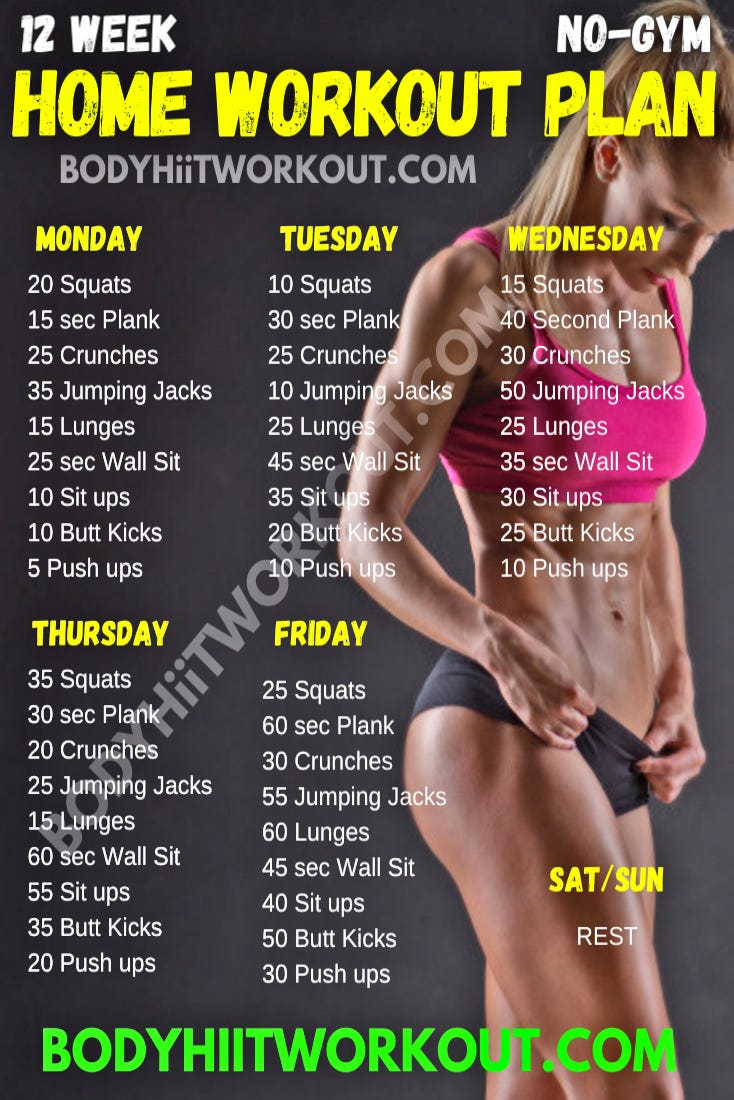
Credit: greensafaris.com
Avoiding Common Workout Mistakes
Many people make mistakes during their weekly gym exercises. These errors can slow progress and cause injuries. Avoiding common workout mistakes helps you stay safe and reach your goals faster. Focus on smart habits and listen to your body.
Preventing Overtraining
Overtraining happens when you exercise too much without enough rest. It can cause fatigue, muscle pain, and poor sleep. To prevent overtraining:
- Take rest days between intense workouts.
- Mix different types of exercises.
- Watch for signs like constant tiredness or soreness.
Rest allows muscles to repair and grow stronger.
Maintaining Proper Form
Proper form reduces the risk of injury. It also helps you get the most from each exercise. Keep these tips in mind:
- Start with lighter weights to learn correct movements.
- Use mirrors or ask for help to check your posture.
- Avoid rushing through exercises; move with control.
Good form improves balance and builds strength efficiently.
Listening To Your Body
Your body gives clear signals during workouts. Pay attention to these signs:
- Pain or sharp discomfort means stop immediately.
- Feeling overly tired suggests you need rest.
- Enjoyment and energy indicate a good workout level.
Adjust your routine based on how you feel each day.
Motivation And Consistency Tips
Staying motivated and consistent with your weekly gym routine can be challenging. The key is to build habits that keep you engaged and focused on your progress. Let’s look at some practical ways to maintain your drive and make workouts a regular part of your life.
Setting Milestones
Breaking your fitness goals into smaller milestones makes progress more visible and rewarding. Instead of aiming for vague targets like “get fit,” set clear benchmarks such as increasing your squat weight by 10 pounds or running an extra mile each week.
Track these milestones in a journal or app. Celebrate each win, no matter how small. This approach turns your journey into a series of achievable steps rather than one distant finish line.
Finding Workout Partners
Having a workout buddy can boost your motivation and accountability. When someone else expects you at the gym, you’re less likely to skip sessions.
Choose partners who share similar goals or fitness levels. You’ll push each other and make workouts more fun. Ever noticed how a quick chat during rest periods makes time fly? That’s the power of a good workout partner.
Keeping Workouts Enjoyable
Mix up your routine to avoid boredom. Try different classes, machines, or outdoor activities to keep things fresh and exciting.
Music can also change your workout vibe—create playlists that pump you up or help you focus. Ask yourself: What makes exercise feel less like a chore and more like something you look forward to?
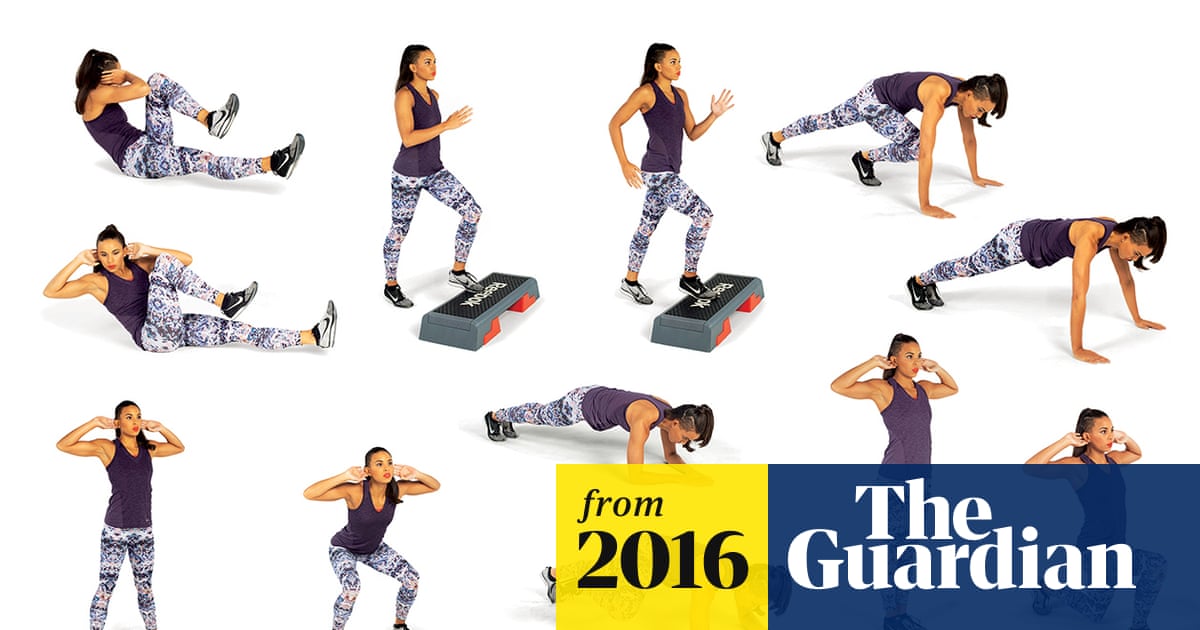
Credit: www.theguardian.com
Frequently Asked Questions
What Is The Best Weekly Gym Exercise Routine?
A balanced weekly routine includes strength training, cardio, and flexibility exercises. Aim for 3-4 strength sessions and 2-3 cardio days. This mix promotes muscle growth, endurance, and overall fitness efficiently.
How Often Should I Exercise At The Gym Weekly?
Exercising 4-5 times per week is ideal for most people. This frequency allows consistent progress while providing enough recovery time for muscles to rebuild and strengthen.
Can Weekly Gym Exercise Improve Mental Health?
Yes, regular gym workouts reduce stress and anxiety by releasing endorphins. Weekly exercise boosts mood, improves sleep, and enhances focus, contributing to better mental well-being.
Should I Include Rest Days In My Weekly Gym Plan?
Absolutely, rest days are crucial for muscle recovery and injury prevention. Incorporate 1-2 rest days weekly to allow your body to heal and perform optimally during workouts.
Conclusion
Staying consistent with weekly gym exercise helps build strength and energy. Small steps each day lead to big health gains over time. Enjoy the process and listen to your body’s needs. Rest days matter just as much as workout days.
Keep track of progress to stay motivated and focused. Exercise can improve mood and reduce stress too. Make your gym routine a regular part of life. Your body will thank you for the effort you put in. Simple habits create lasting fitness success.
Keep moving forward, one week at a time.







