
Are you ready to transform your upper body and achieve a sculpted, strong physique? If you’ve ever dreamt of having a V-tapered back and well-defined biceps, you’re in the right place.
Imagine walking into a room with the confidence that only comes from knowing you’re in the best shape of your life. We’ll reveal the secrets to effective gym exercises that target your back and biceps, unlocking the potential for maximum strength and impressive muscle definition.
You’ll discover how to optimize your workouts, boost your results, and feel the pride that comes with every flex. Get ready to learn the exercises that will make your back and biceps the envy of everyone around you. Your transformation starts now!
Credit: www.youtube.com
Effective Back Exercises
Building a strong back is essential not only for a powerful physique but also for improving posture and preventing injuries. Effective back exercises target multiple muscles, including the lats, traps, rhomboids, and lower back. The right movements can transform your back workout from ordinary to highly effective, giving you the strength and definition you want.
Pull-ups And Chin-ups
Pull-ups and chin-ups are among the best bodyweight exercises for your back. They engage your lats, biceps, and shoulders all at once. Try varying your grip to hit different parts of your back and increase muscle activation.
Struggling with pull-ups? Use resistance bands or assisted pull-up machines to build strength gradually.
Barbell Rows
Barbell rows are fantastic for building thickness in your upper back. They force your muscles to work hard to lift and stabilize the weight. Keep your back flat and core tight to protect your spine during the movement.
Focus on squeezing your shoulder blades together at the top of the lift to maximize muscle engagement.
Lat Pulldowns
If pull-ups feel too challenging, lat pulldowns are a great alternative. This exercise allows you to control the weight and focus on your form. Aim to pull the bar down to your chest while keeping your elbows pointed down and back.
Try different grip widths to find what targets your back muscles best and keeps your workout fresh.
Deadlifts
Deadlifts don’t just work your back—they engage your entire posterior chain, including glutes and hamstrings. This compound lift builds strength and improves your overall muscle coordination. Keep the bar close to your body and use your legs to lift to avoid unnecessary strain on your back.
Have you noticed how deadlifts improve your posture and grip strength over time? That’s the power of a well-executed lift.
Seated Cable Rows
Seated cable rows provide a controlled movement that targets your middle back and rhomboids. Using a cable machine allows for constant tension throughout the exercise. Pull the handle towards your waist while keeping your chest up and shoulders down.
Adding pauses at the peak contraction can intensify the workout and lead to better muscle growth.
Top Biceps Workouts
Building strong biceps is a key goal for many who hit the gym. The right workouts not only shape your arms but also improve your grip and support back exercises. Let’s look at some top biceps workouts that deliver noticeable results when done consistently.
Barbell Curls
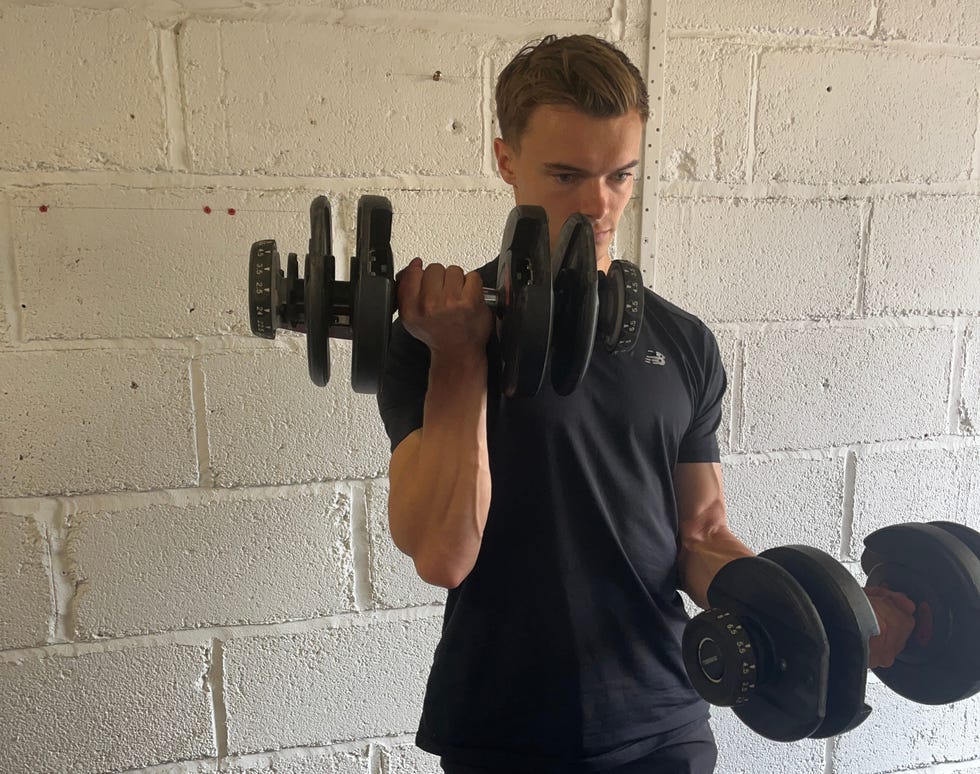
Barbell curls are a classic exercise that targets the biceps brachii effectively. Using a straight barbell, you lift the weight while keeping your elbows close to your torso. This move helps you add serious mass and strength to your biceps over time.
Try varying your grip width to hit different parts of your biceps. Have you noticed how a closer grip feels more challenging on the outer biceps? That’s a great way to mix things up and avoid plateaus.
Dumbbell Hammer Curls
Hammer curls work the brachialis muscle, which lies underneath your biceps. Holding dumbbells with your palms facing each other, you curl the weights up. This grip reduces wrist strain and adds thickness to your arms.
Switching to hammer curls helped me break through a strength plateau. What about you—do you feel your forearms getting stronger with this exercise?
Concentration Curls
Concentration curls isolate the biceps for maximum contraction. Sitting on a bench, you curl a dumbbell with your elbow resting on your thigh. This focus eliminates momentum, making every rep count.
They’re perfect for perfecting your mind-muscle connection. Can you feel the difference when you slow down and really squeeze your biceps?
Preacher Curls
Preacher curls put your arms in a fixed position, emphasizing the lower part of your biceps. Using a preacher bench, you curl the weight up slowly and with control. This prevents cheating and forces your muscles to work harder.
Adding preacher curls to my routine improved my arm definition significantly. Do you track which exercises give you the best muscle pump?
Cable Bicep Curls
Cable bicep curls maintain constant tension throughout the movement. Using a cable machine, you pull the handle towards your shoulders while keeping your elbows steady. This creates a different resistance curve compared to free weights.
Try cables to keep your workouts fresh and your muscles guessing. How often do you swap free weights for cables in your biceps training?
Combining Back And Biceps Training
Combining back and biceps training is a popular approach in many workout routines. These two muscle groups often work together during pulling movements. Training them in the same session can save time and increase workout efficiency.
This combination allows for better focus and recovery. It also helps maintain balance between the upper body muscles. Proper planning is key to maximizing results while avoiding injury.
Superset Techniques
Supersets involve doing two exercises back to back without rest. Pairing a back exercise with a biceps move is effective. This keeps the muscles working and reduces workout time.
Examples include:
- Pull-ups followed by dumbbell curls
- Barbell rows paired with hammer curls
- Lat pulldowns combined with concentration curls
Supersets increase muscle fatigue and improve endurance. They also boost calorie burn during the session.
Balancing Volume And Intensity
Volume means the total amount of work done. Intensity refers to the effort level or weight used. Balancing both is essential for growth and recovery.
A good plan might include:
- 3 to 4 sets per exercise
- 8 to 12 repetitions per set
- Moderate to heavy weights for strength
Adjust volume and intensity based on your experience and goals. Avoid going too heavy too soon to prevent strain.
Avoiding Overtraining
Overtraining happens when muscles do not get enough rest. It leads to fatigue, soreness, and slow progress. Watch for signs like persistent tiredness or joint pain.
To avoid overtraining:
- Limit back and biceps workouts to 2-3 times per week
- Include rest days and light activity
- Stay hydrated and eat enough protein
Listen to your body and adjust workouts if needed.
Credit: www.menshealth.com
Tips For Faster Strength Gains
Faster strength gains require more than just regular workouts. Several key factors help muscles grow and get stronger quicker. Focusing on these elements improves results and reduces the risk of injury. Consistency and smart training form the foundation for success.
Proper Form And Technique
Correct form ensures the target muscles work effectively. Poor technique can cause injuries and slow progress. Start with lighter weights to master the movements. Use mirrors or record yourself to check posture. Ask a trainer for guidance if unsure. Quality reps matter more than quantity.
Progressive Overload
Muscles grow when challenged beyond their usual limits. Gradually increase weights, reps, or sets over time. Avoid sudden jumps to prevent strain. Keep a workout log to track progress. Small, steady increases build strength safely. Push muscles just enough to stimulate growth.
Rest And Recovery
Muscles need time to repair and grow after exercise. Avoid training the same muscle groups daily. Aim for at least 48 hours of rest between sessions. Sleep at least 7-8 hours for optimal recovery. Use light activity or stretching on rest days. Overtraining can lead to fatigue and injuries.
Nutrition For Muscle Growth
Eating the right foods fuels muscle repair and growth. Protein is essential for building muscle fibers. Include lean meats, dairy, beans, or nuts in meals. Carbohydrates provide energy for workouts. Drink plenty of water to stay hydrated. Balanced meals support overall strength development.
Common Mistakes To Avoid
Avoiding common mistakes helps maximize back and biceps workout results. Many people waste effort by skipping key steps or using wrong form. These errors can cause injuries or slow progress. Focus on proper technique and balanced training to build strength safely.
Neglecting Warm-ups
Warm-ups prepare muscles and joints for exercise. Skipping warm-ups increases injury risk and reduces performance. Start with light cardio or dynamic stretches. Spend at least 5-10 minutes warming up to boost blood flow. This helps muscles work better and recover faster.
Using Momentum Instead Of Muscle
Swinging weights or jerking the body wastes energy and reduces muscle engagement. Use controlled, slow movements to target muscles properly. Focus on feeling the muscle contract during each repetition. This improves strength gains and lowers injury chances.
Ignoring Muscle Imbalances
Uneven strength between back and biceps causes poor posture and pain. Train all muscle groups evenly to prevent imbalances. Include exercises for both sides of the body. Pay attention to weaker areas and work on them carefully to improve overall strength.

Credit: www.youtube.com
Frequently Asked Questions
What Are The Best Gym Exercises For Back And Biceps?
Effective exercises include pull-ups, barbell rows, lat pulldowns, and dumbbell curls. These target both back and biceps efficiently, promoting strength and muscle growth.
How Often Should I Train Back And Biceps Weekly?
Train back and biceps 1-2 times per week with at least 48 hours rest between sessions. This allows optimal recovery and muscle growth.
Can I Build Muscle With Bodyweight Back And Biceps Exercises?
Yes, exercises like pull-ups and chin-ups effectively build muscle using body weight. Gradually increase reps or add weight for progress.
Should I Prioritize Back Or Biceps During Workouts?
Focus on back exercises first as they engage larger muscles. Biceps work as secondary muscles and benefit from pre-exhausted back training.
Conclusion
Strong back and biceps improve your overall fitness and daily strength. Regular gym exercises help build muscle and prevent injuries. Focus on proper form to get the best results. Keep your workouts balanced and consistent for steady progress. Rest and nutrition are important parts of muscle growth too.
Small steps lead to big changes over time. Stick with your routine and enjoy the benefits of a stronger body.







