
Imagine transforming your gym routine into something more exciting and effective. Exercise with a ball in the gym can be your secret weapon for achieving this.
You might wonder how a simple ball can make such a difference. Well, this versatile tool can revolutionize your workouts by engaging your muscles in new ways and enhancing your balance and coordination. Curious about how to incorporate it into your routine?
You’re about to discover how exercising with a ball can boost your fitness game, make your workouts more fun, and keep you motivated. Stick around, because what you’re about to learn might just be the change you need to reach your fitness goals faster.
Benefits Of Ball Exercises
Using a ball in your gym workouts adds a dynamic edge to your exercise routine. It challenges your body in ways traditional equipment can’t. The benefits go beyond just fun — they impact your strength, balance, muscle engagement, and injury prevention.
Enhancing Core Strength
Ball exercises force you to engage your core muscles constantly. Sitting or balancing on a ball activates deep abdominal muscles that often stay dormant during regular workouts. This continuous activation helps you build a stronger, more stable midsection.
Think about how holding a plank on a ball feels compared to the floor. Your core works harder to keep you steady. This kind of training translates into better posture and support for everyday movements.
Improving Balance And Stability
The unstable surface of a ball makes you focus on balance. Every movement requires your body to adjust and stabilize, improving your coordination. Over time, this can enhance your overall stability, reducing wobbling and falls.
Have you noticed how standing on one leg feels easier after a few weeks of ball workouts? That’s the balance improvement working. It’s a simple yet powerful way to sharpen your body’s control.
Increasing Muscle Activation
Ball exercises engage multiple muscles simultaneously. Instead of isolating one muscle, you activate chains of muscles working together. This leads to more efficient workouts and better muscle tone.
When you do a push-up with your hands on a ball, your chest, arms, and shoulder muscles fire more intensely. The extra effort to stabilize the ball recruits additional muscle fibers you might miss otherwise.
Reducing Injury Risk
Training with a ball strengthens muscles and joints in a controlled way. The focus on balance and core control helps prevent common injuries caused by weak stabilizers. It’s especially helpful if you’re recovering from injury or want to avoid future setbacks.
Imagine your ankle wobbling on uneven ground. Regular ball exercises train your body to react better to these challenges, lowering your risk of sprains or strains. Could this be the missing piece in your injury prevention plan?
Choosing The Right Exercise Ball
Choosing the right exercise ball is key for a safe and effective workout. The correct ball supports your body and helps improve balance. A poor choice can cause discomfort or injury. Knowing the types, size, and material helps you pick the best one for your gym exercises.
Types Of Exercise Balls
Exercise balls come in various types, each with unique uses. Stability balls are large and great for core workouts. Medicine balls are smaller and weighted for strength training. Mini balls fit in the hand for targeted muscle work. Choose a type that fits your exercise goals and space.
Size And Weight Considerations
Size matters for comfort and posture. Taller people need bigger balls, shorter people need smaller ones. A ball too big or small can strain muscles or cause poor form. Weight capacity is also important. Check the ball’s max weight to ensure it supports your body safely.
Material And Durability
Exercise balls are made from different materials like PVC or rubber. PVC balls offer good grip and are easy to clean. Rubber balls are tougher and can handle rough use. Look for anti-burst features for added safety. Durable material means the ball lasts longer and stays safe under pressure.
Warm-up Techniques With The Ball
Warming up with a ball prepares your body for a safe workout. It helps increase blood flow and improves muscle flexibility. Using the ball adds balance and coordination to your warm-up routine. This approach reduces injury risk and enhances your performance in the gym.
Dynamic Stretches
Start with slow, controlled movements using the ball. Move your arms and legs while holding or rolling the ball. These stretches increase your range of motion. Try leg swings, arm circles, and torso twists with the ball for better flexibility.
Light Cardio Movements
Incorporate gentle cardio to raise your heart rate. Use the ball to perform light jogging in place or side steps. Bounce the ball gently while stepping. These movements warm your muscles and prepare your body for harder exercises.
Activating Core Muscles
The ball challenges your core stability during warm-up. Perform pelvic tilts and seated marches on the ball. Engage your abdominal muscles to maintain balance. Activating your core helps support your spine during workouts.
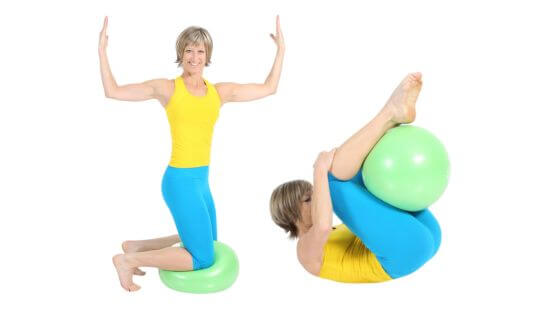
Credit: www.togu.de
Top Ball Exercises For Strength
Exercise balls add a fresh challenge to strength workouts. They engage more muscles by requiring balance. This boosts stability and power together. Using a ball can improve core strength and overall muscle tone. Here are some top ball exercises that help build strength effectively.
Ball Squats
Place the ball between your lower back and a wall. Keep your feet shoulder-width apart. Slowly bend your knees to lower your body. The ball rolls, supporting your back. Hold the squat for a few seconds, then rise. This exercise strengthens thighs, glutes, and core muscles.
Push-ups On The Ball
Put your hands on the ball, feet on the floor. Keep your body straight from head to heels. Lower your chest toward the ball by bending elbows. Push back up to the start position. This targets chest, shoulders, arms, and core for stability.
Ball Hamstring Curls
Lie on your back with your heels on the ball. Lift your hips off the floor to form a straight line. Pull the ball toward you by bending knees. Slowly extend legs back out. This move strengthens hamstrings, glutes, and lower back muscles.
Wall Sits With Ball
Place the ball between your back and a wall. Slide down into a sitting position with thighs parallel to floor. Keep knees above ankles and hold the position. This exercise works the thighs, glutes, and calves. It also improves endurance and balance.
Core Stability Moves With The Ball
Core stability is key for balance and strength in daily activities. Using a ball in your workout challenges your muscles differently. It forces your core to work harder to maintain balance. This builds stronger abs, back, and hips. These moves improve posture and reduce injury risk.
Try these simple exercises with a ball to boost your core stability.
Ball Planks
Place your forearms on the ball and extend your legs behind. Keep your body straight from head to heels. Hold this position while tightening your abs. This move activates deep core muscles for balance. Start with 20 seconds and increase time gradually.
Russian Twists
Sit on the floor with your knees bent and feet lifted slightly. Hold the ball with both hands in front of you. Twist your torso to the right, then to the left, moving the ball side to side. Keep your back straight and engage your core. This exercise targets the oblique muscles.
Ball Passes
Lie on your back holding the ball above your head. Lift your legs and arms, passing the ball from hands to feet. Lower both legs and arms slowly without touching the floor. Repeat by passing the ball back to your hands. This move strengthens your entire core.
Back Extensions
Lie face down with the ball under your hips. Place your hands behind your head or crossed on your chest. Lift your upper body off the ball by contracting your lower back muscles. Hold briefly and lower down slowly. This exercise strengthens your lower back and improves stability.

Credit: parade.com
Integrating Ball Workouts In Routine
Adding ball workouts to your gym routine enhances balance, strength, and flexibility. The ball engages multiple muscle groups at once, making exercises more effective. It also improves core stability and coordination. This section explains how to fit ball exercises into your regular workouts for the best results.
Frequency And Duration
Start with two to three sessions per week. Each session should last about 15 to 20 minutes. This timing allows your muscles to adapt and recover. Gradually increase the duration as your strength improves. Keep sessions consistent for steady progress.
Combining With Other Exercises
Mix ball workouts with weight training or cardio for balanced fitness. Use the ball for warm-ups or cool-down stretches. Combine with bodyweight exercises like squats or push-ups. This variety keeps workouts interesting and targets different muscle groups.
Progression Tips
- Begin with simple moves to learn proper form.
- Slowly increase the difficulty by adding reps or sets.
- Try exercises on an unstable surface to challenge balance.
- Add light weights while using the ball for strength gains.
- Track progress to stay motivated and avoid plateaus.
Common Mistakes To Avoid
Using an exercise ball in the gym can boost your workouts, but mistakes can hold you back or even cause injury. Knowing what to avoid helps you get the most from every session. Let’s look at some common errors that many make and how you can steer clear of them.
Incorrect Ball Size
Choosing the wrong size ball is a simple mistake that affects your balance and posture. If the ball is too big, your feet might not touch the floor properly, making exercises unstable. Too small, and you won’t get the right support or range of motion.
To find the right size, sit on the ball with your feet flat on the floor. Your knees should be at a 90-degree angle. If you notice your hips are lower or higher than your knees, try a different size.
Poor Form And Alignment
It’s easy to lose focus on form when you’re balancing on a ball. Slouching or leaning too far forward strains your back and reduces effectiveness. You must keep your spine neutral and engage your core throughout each movement.
I once ignored proper alignment during ball exercises and ended up with a sore lower back for days. That taught me to check my posture in the mirror or ask for feedback from a trainer. Are you paying attention to how your body feels and looks during your workout?
Overtraining Risks
Exercise balls challenge your muscles in new ways, which can be exhausting if you overdo it. Using the ball every day without rest can lead to muscle fatigue or joint pain. It’s better to schedule rest days or alternate with other types of workouts.
Listen to your body’s signals. If you feel unusual aches or struggle with balance, it might be time to take a break or reduce your ball workout frequency. How often do you give your muscles time to recover?

Credit: www.trxtraining.com
Safety Tips During Ball Training
Training with a ball in the gym can boost your balance, strength, and coordination, but safety must come first. Ignoring simple precautions can lead to slips, falls, or muscle strains. Paying attention to key safety tips helps you stay injury-free and makes your workouts more effective.
Proper Inflation
Your exercise ball should be inflated to the right firmness—not too soft, not too hard. A ball that’s underinflated can cause instability, making you lose balance easily. Overinflated balls may burst or feel uncomfortable, increasing injury risk.
Check the ball’s recommended size and pressure often. You can test inflation by sitting on the ball: your knees should be at a 90-degree angle. If your hips sink too low or the ball feels rock hard, adjust the air accordingly.
Clear Workout Space
Make sure the area around you is free from obstacles before starting your ball exercises. Clutter or uneven flooring can cause unexpected slips or trips. Even a small object like a water bottle can throw off your balance when you’re focused on the ball.
Think about your workout flow. Do you need enough room to roll or stretch out? Clearing at least a two-foot radius around your ball creates a safer zone for movement and avoids collisions.
Wearing Appropriate Gear
Choose clothing and shoes that support your stability during ball training. Avoid slippery socks or smooth-soled shoes that might slide on gym floors. Instead, opt for shoes with good grip or go barefoot if the surface is safe and clean.
Comfort matters too. Tight or restrictive clothes can limit your range of motion, while loose fabrics might catch on the ball or equipment. Wear breathable, flexible workout gear that lets you move freely and stay focused.
Frequently Asked Questions
What Are The Benefits Of Exercising With A Ball In Gym?
Exercising with a ball improves balance, core strength, and flexibility. It enhances stability and engages multiple muscle groups. Using a ball also reduces injury risk and adds variety to workouts. It’s ideal for all fitness levels and helps correct posture effectively.
Which Muscles Does Ball Exercise Target Most Effectively?
Ball exercises primarily target core muscles, including abs and lower back. They also engage glutes, hips, and stabilizer muscles. These workouts improve muscle coordination and strength. Using a ball ensures balanced muscle development and better body control during movements.
How Do I Choose The Right Exercise Ball Size?
Select a ball size based on your height for proper posture. Usually, 55cm for under 5’5”, 65cm for 5’5”–6’, and 75cm for taller individuals. Sit on the ball with feet flat and knees at 90 degrees. This ensures comfort and effectiveness during exercises.
Can Exercise Balls Help With Injury Rehabilitation?
Yes, exercise balls aid injury rehabilitation by promoting gentle movement and flexibility. They support low-impact workouts that strengthen muscles without strain. Balls help improve balance and coordination, essential for recovering from injuries safely and effectively.
Conclusion
Using a ball in the gym helps improve balance and strength. It adds fun and variety to workouts. You can target many muscles with simple moves. Balls are easy to use and fit in small spaces. Regular exercise with a ball boosts coordination and flexibility.
Try different exercises to keep your routine fresh. Stay consistent and enjoy the benefits of ball workouts. Your body will thank you for the effort. Give it a try and feel the difference.







