
Imagine starting your day with a sense of balance and calm, right from the comfort of your own home. If you’re new to yoga, the idea of twisting and bending might seem daunting.
But what if there was a way to make your yoga practice more accessible and comfortable? Enter the yoga chair—a versatile tool designed to support you, enhance your poses, and make yoga more approachable. Whether you’re easing into a new fitness routine or seeking a way to deepen your practice without strain, a yoga chair can be your perfect companion.
Curious about how this simple piece of furniture can transform your experience? Keep reading to discover why a yoga chair might just be the key to unlocking a rewarding yoga journey tailored just for you.
Benefits Of Yoga Chairs
Yoga chairs offer a range of benefits that make them an excellent choice for beginners. They provide the right kind of support, help you maintain proper posture, and make challenging poses more accessible. Using a yoga chair can boost your confidence and encourage you to practice regularly without fear of strain or injury.
Support For Beginners
Yoga chairs give you extra stability when you’re learning new poses. They act like a steady partner, holding you up so you can focus on balance and form. This support lets you try poses that might feel intimidating on the floor, helping you build strength and confidence gradually.
Improved Alignment
Maintaining correct alignment is key in yoga to avoid discomfort and maximize benefits. A yoga chair guides your body into the right position, making it easier to stay aligned. Have you noticed how small adjustments can make a big difference in how a pose feels? Using a chair helps you find those adjustments more easily.
Enhanced Flexibility
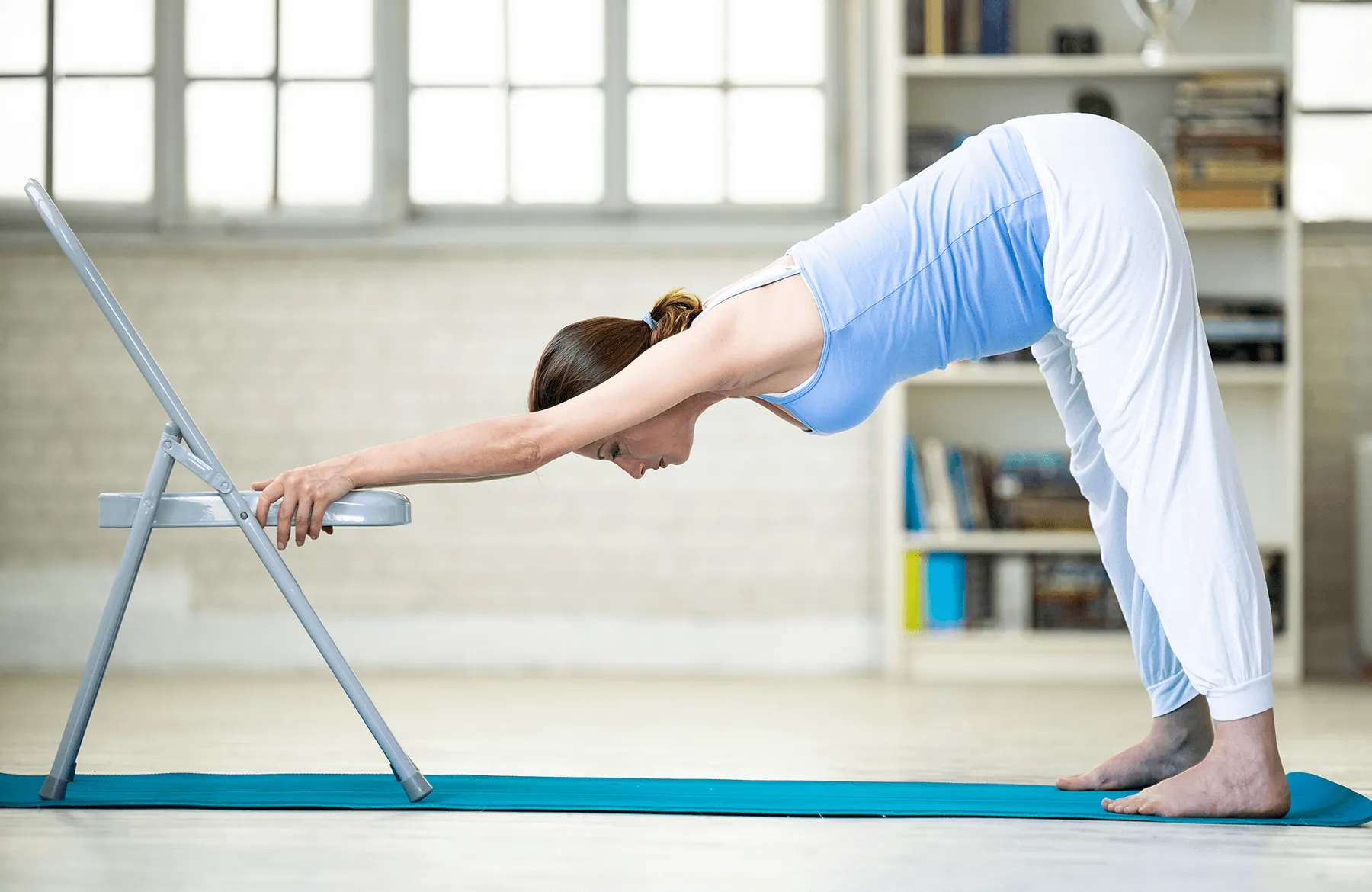
Stretching can be tough if your body isn’t ready yet. A yoga chair helps you gently increase your range of motion by providing support in stretches and forward bends. This way, you can safely work on flexibility without pushing too hard or feeling frustrated.
Reduced Risk Of Injury
One of the biggest concerns when starting yoga is avoiding injury. Yoga chairs reduce this risk by offering extra balance and support where you need it most. If you’ve ever felt unsure about a pose, using a chair can give you peace of mind and keep your practice safe.

Credit: www.youtube.com
Choosing The Right Yoga Chair
Choosing the right yoga chair can make a big difference in your practice. A good chair supports your body and helps you hold poses safely. It also makes yoga more comfortable and enjoyable. There are several factors to think about before picking a yoga chair. These include the type, material, adjustability, and how easy it is to move and store.
Types Of Yoga Chairs
Yoga chairs come in different styles. Some have a simple design with a flat seat and backrest. Others have more features, like armrests or cushions. Some chairs are made specifically for certain poses, while others work for general use. Choose a chair that matches the kind of yoga you want to practice. Consider your own body size and flexibility too.
Material And Durability
The material of the chair affects its comfort and how long it lasts. Common materials include wood, metal, and plastic. Wood chairs often look nice and feel sturdy. Metal chairs are strong and can hold more weight. Plastic chairs are usually light but may not last as long. Check the quality of the material to avoid chairs that break easily.
Adjustability Features
Adjustable chairs let you change the height or angle of the seat and backrest. This helps you find the best position for your body. Some chairs have adjustable footrests or armrests too. These features support different poses and body types. Look for easy-to-use adjustment controls. This makes it simple to customize your chair during practice.
Portability And Storage
Yoga chairs should fit your space and lifestyle. If you have limited room, a foldable chair works well. Lightweight chairs are easy to carry to classes or trips. Some chairs come with carrying bags or straps for convenience. Think about where you will keep the chair when not in use. A chair that stores neatly helps keep your space tidy.
Setting Up Your Yoga Chair Space
Setting up your yoga chair space is more than just placing a chair in a room. It’s about creating an environment that invites calm, focus, and comfort. How you arrange this space can either enhance your practice or make it harder to stay consistent. Let’s look at how to get your yoga chair area just right.
Selecting A Comfortable Spot
Choose a spot where you can sit and move without distractions. Natural light is a bonus—it helps you feel more awake and grounded. If you have a quiet corner or near a window, that’s ideal.
Think about your floor too. Is it stable and flat? Avoid slippery surfaces that could cause the chair to wobble. Adding a non-slip mat underneath can give extra security and comfort.
Ensuring Safety
Safety is key, especially if you’re new to yoga with a chair. Make sure the chair is sturdy and can support your weight comfortably. Chairs with a flat, wide seat and a solid backrest work best.
Clear the area around your chair to prevent accidents. Remove any sharp objects or clutter that might get in your way if you need to stretch or move quickly. Have a phone nearby only if needed, but keep it on silent to avoid interruptions.
Adding Accessories
Small accessories can make a big difference. A cushion or folded blanket on the chair can add comfort and support for your lower back. You might also want to keep a yoga strap or blocks within arm’s reach for extra help with poses.
Consider adding calming elements like a small plant, essential oil diffuser, or soft music. These touches can help you relax and deepen your practice. What little things make you feel most at ease during your yoga sessions?
Credit: www.etsy.com
Basic Yoga Chair Poses
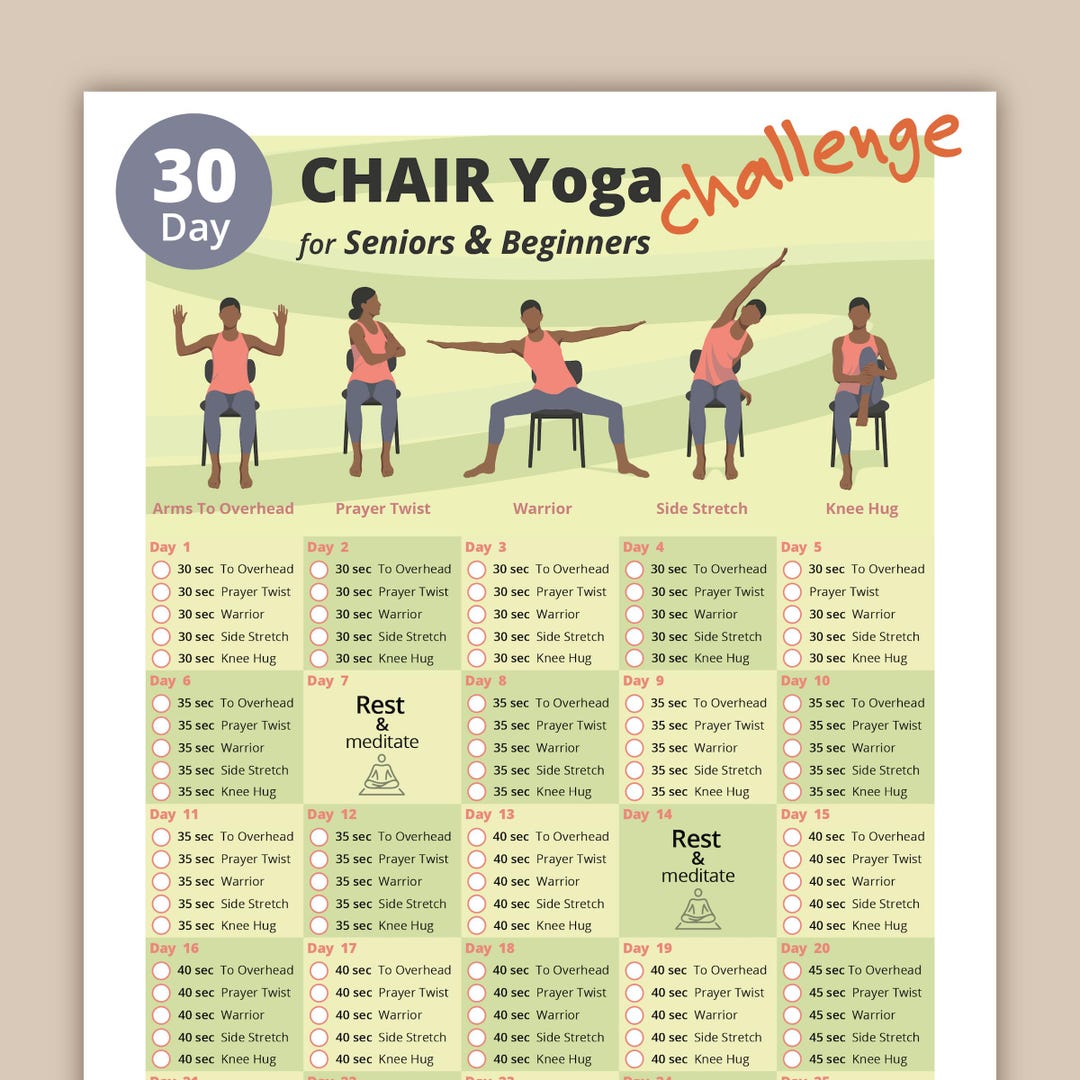
Starting yoga with a chair can make a huge difference in how comfortable and confident you feel. Basic yoga chair poses help you build strength, flexibility, and balance without putting too much pressure on your body. These simple poses are perfect for beginners and can be done anywhere you have a sturdy chair.
Seated Forward Bend
Sit tall on your chair with your feet flat on the floor, hip-width apart. Slowly lean forward from your hips, reaching your hands toward your feet or the floor. Feel the stretch along your back and hamstrings, but don’t push yourself to the point of discomfort.
This pose helps relieve tension in your lower back and stretches your legs gently. Have you noticed how just a few breaths in this position can calm your mind?
Chair Cat-cow Stretch
Sit at the edge of your chair with your feet grounded. Place your hands on your knees and alternate between arching your back (Cow) and rounding it (Cat). Move slowly with your breath to increase mobility in your spine.
This stretch is great if you spend long hours sitting or working at a desk. How often do you pause to check in with your posture during the day?
Supported Warrior
Stand behind your chair and hold the backrest for support. Step one foot back and bend the front knee, keeping both feet flat on the floor. Engage your core and lift your chest while keeping your shoulders relaxed.
This pose builds leg strength and improves your balance with the security of the chair. Can you feel how this simple support encourages you to hold the position longer and with more confidence?
Gentle Twists
Sit sideways on your chair with your feet flat on the ground. Place your hands on the backrest and twist your torso gently toward the back of the chair. Keep your spine tall and avoid forcing the twist.
Twists help detoxify your body and improve spinal mobility. How might a daily twist impact your energy and digestion?
Tips For Safe Practice
Practicing yoga with a chair can be a gentle and accessible way to build strength and flexibility. However, safety should always be your priority, especially if you are just starting out. These tips will help you avoid injury and get the most from your practice.
Listening To Your Body
Your body sends clear signals about what it can and cannot handle. Pay attention to discomfort or sharp pain and stop immediately if you feel either. Mild stretching sensations are normal, but pushing too hard can lead to injury.
Ask yourself: Is this pose helping me feel better or causing strain? Adjust the position or take a break if something feels off. Over time, you will learn to recognize the difference between challenge and harm.
Avoiding Common Mistakes
Many beginners make the mistake of rushing into advanced poses or ignoring proper alignment. Using the chair correctly means keeping your back straight and feet flat on the floor. Avoid slouching or locking your knees, as these can cause unnecessary tension.
Another trap is holding your breath during poses. Don’t forget to breathe steadily. Also, don’t skip warm-ups; your muscles need time to prepare before deeper stretches.
Breathing Techniques
Breathing deeply and evenly supports your practice and calms your mind. Try inhaling through your nose for a count of four, then exhaling through your mouth for a count of six. This simple rhythm can improve focus and help you relax into each pose.
Notice how your breath changes as you move. Are you holding it during difficult stretches? If yes, slow down and bring your attention back to smooth, controlled breathing.
Gradual Progression
Start with easy poses and short sessions to build confidence and strength. Increasing time or difficulty too quickly can cause setbacks. Set small goals like holding a pose for five extra seconds or adding one new stretch each week.
Remember, progress in yoga is personal. What feels challenging today might feel easy next week. How can you celebrate small wins in your practice without rushing ahead?
Incorporating Yoga Chair Into Daily Routine
Adding a yoga chair to your daily routine can make a big difference in your flexibility and stress levels. It offers a unique way to practice yoga without needing a lot of space or time. Whether you’re new to yoga or looking for a gentle approach, using a yoga chair can help you stay consistent and enjoy the benefits every day.
Short Sessions For Busy Days
Not every day allows for a long workout, but even 5-10 minutes with your yoga chair can refresh your body and mind. Focus on a few key stretches or poses that target your tension areas, like your back or hips.
Try to fit these short sessions into moments when you usually feel stiff or tired—maybe after sitting at your desk or before bed. You’ll be surprised how these quick breaks improve your posture and reduce stress.
Combining With Other Exercises
Your yoga chair practice doesn’t have to stand alone. You can easily add it to your existing workout routine to enhance flexibility and balance.
For example, after a cardio session, spend a few minutes on gentle chair stretches to cool down. Or mix it with strength exercises by using the chair for support during lunges or squats. This variety keeps your routine interesting and well-rounded.
Tracking Your Progress
Keeping track of how your body responds to chair yoga can motivate you to keep going. Note the poses you find easier over time or any improvements in your balance and flexibility.
Consider using a journal or an app to record your sessions and feelings after each practice. What small changes have you noticed in your daily life since starting chair yoga? Paying attention to these details helps you see real progress.
Common Challenges And Solutions
Starting yoga with a chair can be a wonderful way to build strength and flexibility, but it’s not without its bumps. Many beginners face similar challenges that can feel discouraging at first. The good news is, these hurdles often have simple, practical solutions that help you stay comfortable, motivated, and safe as you progress.
Dealing With Discomfort
Discomfort in joints or muscles is common when you try new poses, especially if your body isn’t used to certain stretches. Rather than pushing through pain, listen closely to your body’s signals. Adjust your position by sitting deeper into the chair or using cushions to support your back and knees.
Stretch only as far as feels good, and gradually increase your range over time. If you feel sharp pain, pause and try a gentler version of the pose. Sometimes, switching to a different chair height can reduce strain significantly.
Maintaining Motivation
It’s easy to lose interest when progress seems slow or poses feel challenging. Setting small, realistic goals can keep you engaged—like mastering one new pose each week or simply practicing for 10 minutes daily. Celebrate these small wins to remind yourself that every effort counts.
Joining a class or finding a yoga buddy can add accountability and make sessions more enjoyable. Ask yourself what initially drew you to yoga—are you seeking relaxation, strength, or balance? Keeping that purpose in mind can keep your drive alive even on tough days.
Adapting Poses For Limitations
Your body may have limits due to injury, age, or flexibility, and that’s perfectly okay. Chair yoga is designed to be adaptable; you can modify poses by reducing the range of motion or using props like straps and blocks. These tools help you maintain alignment without overextending.
Don’t hesitate to skip poses that cause discomfort and focus on alternatives that offer similar benefits. Have you tried breaking a pose into smaller steps? Doing so can build strength and confidence slowly, making your practice safer and more enjoyable.
Credit: myyogateacher.com
Frequently Asked Questions
What Is A Yoga Chair For Beginners?
A yoga chair is a supportive prop designed to assist beginners in practicing yoga poses. It helps improve balance, flexibility, and alignment safely.
How Does A Yoga Chair Help Beginners?
It provides stability and support, making challenging poses easier. This reduces injury risk and builds confidence for new practitioners.
Can I Use A Regular Chair For Yoga?
While some poses work with a regular chair, a yoga chair offers better stability and ergonomic design for safer practice.
Which Yoga Poses Work Best With A Chair?
Seated forward bends, supported twists, and gentle backbends benefit most from a chair. These poses improve flexibility and posture.
Conclusion
A yoga chair helps beginners practice safely and comfortably. It supports balance and improves flexibility step by step. You can enjoy yoga at home without strain. Simple poses become easier with the right chair. Start slow and listen to your body’s needs.
Consistent practice brings calm and better health. A yoga chair makes the journey smooth and fun. Give yourself time and keep moving forward. Your body will thank you for the care. Yoga with a chair opens new paths to wellness.







