
Unlocking the secrets to a healthier, happier life might be simpler than you think. Imagine having a toolbox filled with different types of exercises, each designed to boost your mood, energy, and overall well-being.
Whether you’re looking to shed a few pounds, build strength, or simply add a little more joy to your day, understanding the variety of exercises available can be your game-changer. But here’s the catch: not all exercises are created equal.
Some might be the perfect fit for your lifestyle and goals, while others might not. Curious to find out which ones will work best for you? Dive into this guide and discover the ideal exercise types that could transform your life. Your journey to becoming a healthier, more vibrant you starts here!
Cardio Workouts
Cardio workouts improve heart health and boost energy. These exercises increase your breathing and heart rate. They help burn calories and reduce stress. Cardio is essential for overall fitness and weight management.
Running And Jogging
Running and jogging are simple ways to improve fitness. They strengthen your heart and lungs. Both can be done anywhere, indoors or outdoors. Start slow to avoid injuries. Regular running helps build endurance and stamina.
Cycling Benefits
Cycling is gentle on your joints. It improves leg strength and cardiovascular health. Riding a bike burns many calories. It also increases your balance and coordination. Cycling outdoors adds fresh air and scenery.
Swimming For Fitness
Swimming works your entire body. It builds muscle and improves lung capacity. Water supports your weight, reducing joint stress. Swimming is great for all ages. It also helps with flexibility and relaxation.
High-intensity Interval Training
High-Intensity Interval Training (HIIT) mixes short bursts of effort with rest. It boosts metabolism and burns fat fast. HIIT workouts take less time than steady cardio. They improve both aerobic and anaerobic fitness. Many exercises can be adapted for HIIT style.
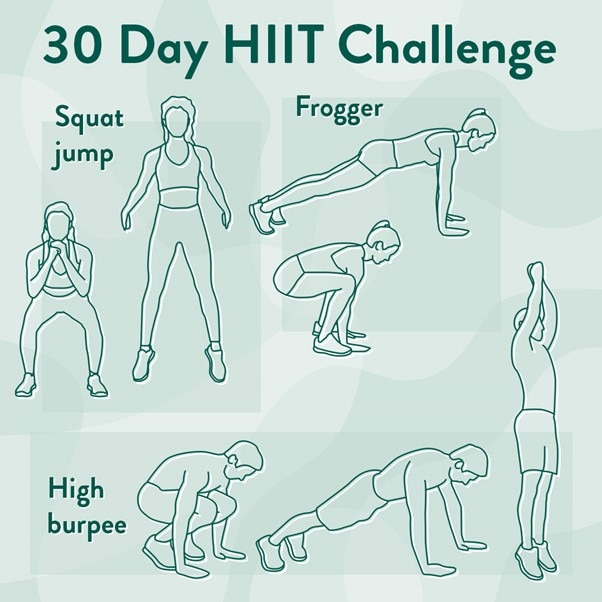
Credit: www.hollandandbarrett.com
Strength Training
Strength training is a powerful way to build your muscles, improve your endurance, and boost overall health. It’s not just about lifting heavy weights; it includes various methods that can fit different lifestyles and fitness levels. Whether you’re a beginner or have some experience, strength training offers practical ways to get stronger and feel more energized every day.
Weightlifting Basics
Weightlifting involves using free weights like dumbbells, barbells, or machines to challenge your muscles. Start with lighter weights to focus on form and avoid injury. Gradually increase the weight as you get stronger.
Try compound movements such as squats, deadlifts, and bench presses. These exercises work multiple muscle groups at once, making your workouts more efficient. Have you noticed how even small improvements in your lifting technique can lead to better results?
Bodyweight Exercises
Bodyweight exercises use your own body as resistance, so you don’t need any equipment. Push-ups, pull-ups, and planks are great examples that you can do anywhere. They help you build strength while also improving balance and flexibility.
One surprising benefit is how bodyweight training can reveal muscle imbalances you didn’t know you had. Have you ever felt stronger on one side of your body? Focusing on these exercises can help even out those differences.
Resistance Bands
Resistance bands are versatile and affordable tools that add tension to your movements. They come in different levels of resistance, so you can choose what suits your current strength. Bands allow you to work muscles through a full range of motion.
You can use them for exercises like rows, leg lifts, or shoulder presses. They’re especially useful for rehabilitation or when traveling since they’re lightweight and portable. How could using bands improve your current workout routine?
Benefits For Muscle Growth
Strength training stimulates muscle fibers to grow stronger and larger over time. This process, called hypertrophy, happens when you challenge your muscles enough to cause small tears, which then repair and build back stronger.
Besides muscle size, strength training boosts your metabolism, helping you burn more calories even at rest. It also strengthens your bones and joints, reducing the risk of injuries. What goals do you want to achieve by adding muscle growth to your routine?
Flexibility And Mobility
Flexibility and mobility are key to moving freely and avoiding injuries. They help your muscles and joints work smoothly, making daily tasks easier and workouts more effective. Improving these areas can boost your overall fitness and quality of life.
Stretching Techniques
Stretching is the foundation of flexibility. Dynamic stretches warm up your muscles by moving through a full range of motion, like leg swings or arm circles.
Static stretches, where you hold a position for 20-30 seconds, help lengthen muscles after exercise. Try hamstring or calf stretches to feel the difference.
Have you noticed how your body feels tighter after sitting all day? Adding simple stretches during breaks can make a big impact on your mobility.
Yoga Poses
Yoga combines strength and flexibility, helping you move with greater ease. Poses like Downward Dog and Warrior II open up your hips, shoulders, and spine.
Holding these poses improves balance and posture over time. You don’t need to be flexible to start yoga; your flexibility grows with practice.
Next time you feel stiff, try a short yoga flow. How does your body respond when you focus on slow, controlled movements?
Pilates For Core Strength
Pilates strengthens your core, which supports your entire body and enhances mobility. A strong core improves your posture and reduces strain on your joints.
Exercises like the Hundred or the Roll-Up challenge your abdominal and back muscles gently but effectively.
If you struggle with lower back pain, Pilates can help by balancing your muscles. Could strengthening your core be the missing piece in your mobility routine?
Balance And Stability
Balance and stability are key parts of physical fitness. They help prevent falls and improve overall body control. These skills support daily activities and enhance athletic performance. Training balance and stability makes muscles stronger and joints safer.
Balance Exercises
Balance exercises train your body to stay steady. Simple moves like standing on one foot improve your stability. Try these easy balance exercises:
- Single-leg stands for 30 seconds
- Heel-to-toe walking in a straight line
- Standing on a soft surface like a cushion
- Slowly shifting weight from side to side
These exercises increase strength in your legs and core. They also train your brain to react better to changes.
Using Stability Balls
Stability balls add challenge to workouts. Sitting or lying on the ball forces your body to balance. This activates many small muscles at once.
- Try sitting on the ball while lifting one foot
- Use the ball for push-ups to engage your core
- Perform bridges with your feet on the ball
- Roll slowly forward and backward to improve control
These moves boost your balance and core strength. Stability balls make exercise fun and effective.
Improving Coordination
Coordination links balance with smooth movement. Good coordination helps your body move efficiently. Practice these to improve coordination:
- Clapping hands while standing on one leg
- Walking and touching your nose alternately with each hand
- Jumping rope with steady rhythm
- Simple dance steps to music
Coordination exercises sharpen focus and timing. They prepare your body for complex activities.
Functional Training
Functional training focuses on movements used in daily life. It builds strength, balance, and coordination. This training improves how your body works in real situations. It makes everyday tasks easier and reduces injury risk.
Everyday Movement Patterns
Functional training mimics common body movements. These include bending, twisting, lifting, and reaching. Exercises train muscles to work together smoothly. This approach helps improve posture and stability. Training these patterns boosts overall body control.
Kettlebell Workouts
Kettlebells add weight to functional exercises. They challenge strength and endurance. Swings, presses, and squats with kettlebells train multiple muscles. These workouts improve power and coordination. Kettlebell training also increases heart rate for fitness.
Crossfit Elements
CrossFit combines functional movements with high intensity. It includes lifting, jumping, and running exercises. This mix builds strength, speed, and agility. Workouts vary, keeping training interesting and effective. CrossFit supports overall fitness and functional ability.
Exercise Plans For Goals
Setting clear goals is key when choosing the right exercise plan. Whether you want to shed pounds, gain muscle, boost stamina, or reduce stress, your workout should match your objective. Tailoring your routine keeps you motivated and makes your efforts more effective.
Weight Loss Routines
Weight loss workouts focus on burning calories and boosting metabolism. High-intensity interval training (HIIT) is a popular choice because it mixes short bursts of intense activity with rest periods, making your body burn fat faster.
Try combining cardio exercises like running or cycling with bodyweight movements such as squats and lunges. This mix keeps your sessions dynamic and prevents boredom.
- Start with a 5-minute warm-up
- Alternate 30 seconds of sprinting with 1 minute of walking
- Repeat for 20 minutes
- End with stretching to cool down
Muscle Building Programs
Building muscle requires a focus on strength training and progressive overload. Using weights or resistance bands helps your muscles grow stronger over time.
If you’re new, start with basic compound exercises like squats, deadlifts, and bench presses to work multiple muscle groups at once. Gradually add weight or reps as you feel stronger.
- Train major muscle groups 2-3 times per week
- Rest for 48 hours between sessions
- Eat enough protein to support muscle repair
Endurance Training
Endurance workouts improve your body’s ability to sustain activity over longer periods. Running, swimming, and cycling are excellent ways to build this stamina.
Start with steady, moderate-paced sessions and slowly increase your workout duration. Have you noticed how your breath control improves after just a few weeks?
- Begin with 20-minute sessions, 3 times a week
- Increase time by 5 minutes each week
- Include one long, slow distance workout weekly
Stress Relief Workouts
Exercise can be a powerful tool to reduce stress and improve mental clarity. Activities like yoga, tai chi, or even gentle walking help calm your mind and body.
Focus on movements that promote relaxation and deep breathing. Have you tried ending your day with stretches or meditation to clear your head?
- Practice deep breathing exercises during your routine
- Spend 10-15 minutes on mindful stretching
- Combine with outdoor activities for added mood boost
Tips For Faster Fitness Gains
Want to see faster results from your exercise routine? It’s not just about working harder; working smarter plays a huge role. Small changes in how you fuel your body, recover, and stay focused can speed up your progress and keep you on track.
Proper Nutrition
Your body needs the right fuel to build strength and endurance. Eating a balance of protein, carbs, and healthy fats helps repair muscles and gives you energy for workouts.
Think about adding lean meats, beans, whole grains, and plenty of vegetables to your meals. Drinking enough water matters too—it keeps your muscles hydrated and supports recovery.
Have you noticed how skipping meals or eating junk food slows your progress? Paying attention to what you eat can make your hard work in the gym pay off faster.
Rest And Recovery
Exercise breaks your muscles down; rest helps them grow stronger. Without enough sleep and recovery days, your body can’t rebuild properly.
Try to get 7-9 hours of sleep every night and schedule rest days after intense workouts. Light activities like walking or stretching on off days can help reduce soreness and stiffness.
Ever felt stuck in a plateau? It might be your body telling you it needs a break. Listen carefully to those signals to avoid burnout and injury.
Tracking Progress
Writing down your workouts and results keeps you aware of your improvements. It’s easy to lose track of gains if you don’t measure them.
Use a journal or apps to log weights, reps, times, or distances. Seeing progress on paper can boost your confidence and help you adjust your routine if needed.
What if you could spot exactly when your performance dips or peaks? Tracking helps you identify what works best for your body.
Staying Motivated
Motivation fuels consistency, and consistency fuels results. Find what inspires you to keep moving, whether it’s music, workout buddies, or setting mini-goals.
Celebrate small wins, like adding an extra rep or shaving seconds off your run. These victories remind you that progress is happening, even if it feels slow.
Have you ever thought about how your mindset affects your fitness journey? Staying positive and patient can make all the difference between quitting and pushing forward.

Credit: www.womenshealthmag.com

Credit: www.freepik.com
Frequently Asked Questions
What Are The Main Types Of Exercise?
The main types of exercise include aerobic, strength training, flexibility, balance, and high-intensity interval training (HIIT). Each type targets different fitness goals and benefits overall health. Combining these exercises ensures a well-rounded fitness routine.
How Does Aerobic Exercise Improve Health?
Aerobic exercise boosts heart and lung function. It increases stamina, burns calories, and reduces the risk of chronic diseases. Activities like running, cycling, and swimming are popular aerobic workouts.
Why Is Strength Training Important?
Strength training builds muscle mass and strengthens bones. It improves metabolism, supports joint health, and enhances overall physical performance. Regular strength exercises help prevent injuries and maintain functional fitness.
What Benefits Does Flexibility Exercise Offer?
Flexibility exercises increase the range of motion in muscles and joints. They reduce stiffness, prevent injuries, and improve posture. Practices like stretching and yoga are effective flexibility workouts.
Conclusion
Exercise comes in many forms, each with unique benefits. Choose types that fit your lifestyle and goals. Regular activity boosts health, mood, and energy levels. Mix different exercises to keep workouts fun and balanced. Start small and build habits over time.
Stay consistent, and enjoy the positive changes you feel. Exercise is for everyone, no matter age or skill. Keep moving, stay active, and take care of your body.







