
Are you ready to discover the world of yoga but feeling a bit unsure about where to start? Good news!
You don’t need to be super flexible or have years of experience to enjoy the benefits of yoga. Standing yoga poses are perfect for beginners like you. They are simple, effective, and can be done right in your living room.
Whether you’re looking to improve your balance, boost your energy, or just find a moment of calm in your day, these poses offer something special. As you read on, you’ll find that these standing yoga poses are not only easy to learn but also incredibly rewarding. They’re your gateway to better health and peace of mind. Ready to stand strong and feel great? Let’s dive into the details and make yoga a fun part of your routine!
.webp)
Credit: myyogateacher.com
Benefits Of Standing Yoga
Standing yoga poses offer many benefits that help your body and mind. These poses strengthen your muscles and improve your balance. They also increase flexibility and boost your energy. Practicing standing yoga regularly supports your overall health and wellbeing.
Improving Balance And Stability
Standing poses train your body to stay steady. They activate your core and leg muscles. This improves your ability to balance on one foot. Better balance reduces the risk of falls. It also helps in daily activities like walking and climbing stairs.
Building Muscle Strength
These poses engage multiple muscle groups. Your legs, hips, and core work hard to hold the positions. Over time, muscles become stronger and more toned. Strong muscles support your joints and improve posture. This helps you feel more confident and stable.
Enhancing Flexibility
Standing yoga stretches your legs, hips, and back. These areas tend to get tight from sitting too long. Regular practice loosens your muscles and joints. Increased flexibility makes movement easier and less painful. It also prevents injuries during other activities.
Boosting Energy Levels
Standing poses open your chest and improve breathing. Better oxygen flow energizes your body and mind. These poses also increase blood circulation. As a result, you feel more awake and alert. Practicing standing yoga can help fight fatigue naturally.
Preparing For Standing Poses
Preparing for standing yoga poses is essential to make your practice safe and effective. These poses demand balance, strength, and focus, so getting ready properly helps prevent injuries and improves your stability. Before you step into your first pose, spend time warming up, setting up your space, and tuning into your breath.
Proper Warm-up Techniques
Warming up loosens your muscles and joints, making it easier to hold standing poses. Start with gentle movements like neck rolls, shoulder shrugs, and hip circles to wake up your body.
Next, add some dynamic stretches such as leg swings and ankle rotations. These prepare your legs and feet, which are crucial for balance.
Try a few rounds of Sun Salutations or simple standing stretches to increase blood flow. How does your body feel after warming up? Notice if your movements become smoother.
Essential Equipment And Space
Choose a flat, non-slip surface to practice your standing poses safely. A yoga mat provides cushioning and grip but make sure it doesn’t slide on your floor.
Wear comfortable clothes that allow free movement and avoid anything too loose that might get in the way. If you’re new to balance, keep a sturdy chair or wall nearby for support.
Clear your space of any obstacles or distractions. How much does your environment impact your focus and balance during practice?
Breathing Tips For Beginners
Breathing is your anchor during standing yoga poses. Focus on slow, deep breaths through your nose to maintain calm and stability.
Try to match your breath with your movements: inhale when you lengthen, exhale when you deepen into the pose. This connection improves control and mindfulness.
If you feel unsteady, pause and take a few slow breaths to regain balance. How does your breath affect your confidence in holding poses?
Basic Standing Poses
Standing yoga poses form the foundation of your practice. They help build strength, improve balance, and increase focus. Starting with basic poses gives you the confidence to explore more challenging movements later.
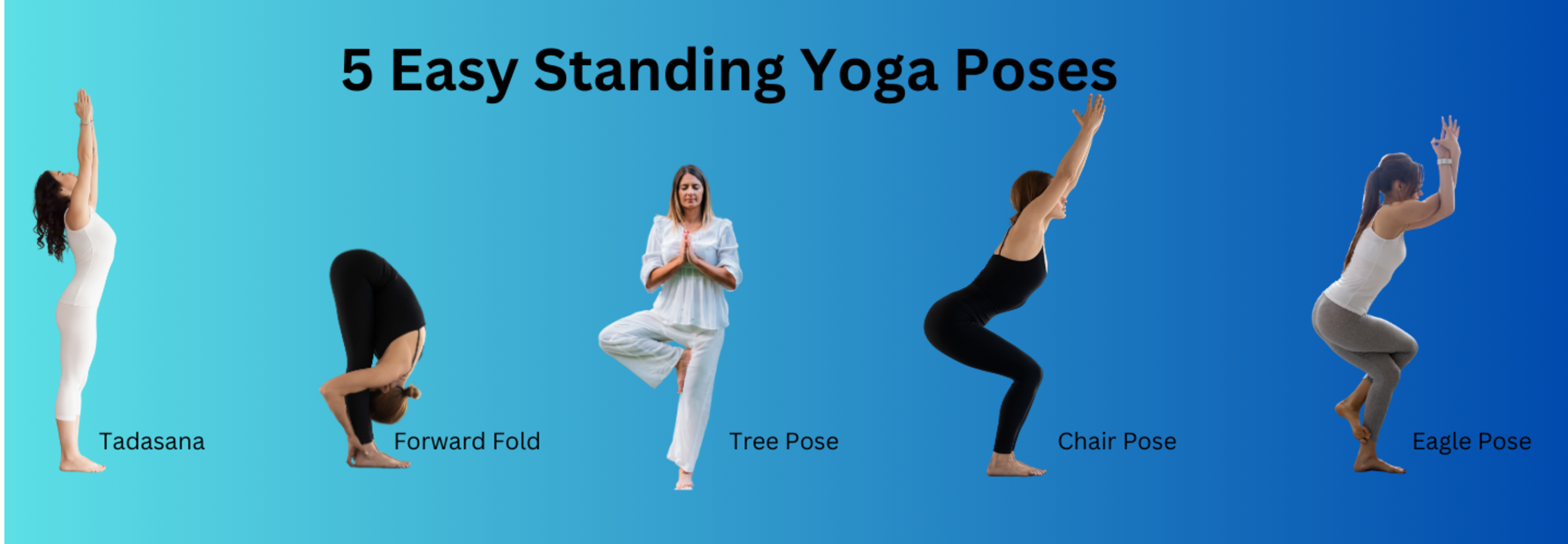
Mountain Pose
Mountain Pose is simple but powerful. Stand tall with your feet hip-width apart, arms relaxed by your sides. Feel your feet grounding into the floor and lengthen your spine upward.
This pose teaches you how to stand with confidence. When I first tried it, I noticed how much better my posture felt throughout the day. Can you feel the strength in your legs and the calm in your mind?
Tree Pose
Tree Pose challenges your balance and focus. Shift your weight onto one leg and place the other foot on your inner thigh or calf, avoiding the knee. Bring your hands together at your chest or reach them overhead.
It’s normal to wobble at first—balance improves with patience. I found this pose helped me stay steady, not just physically but mentally too. How steady can you be when distractions arise?
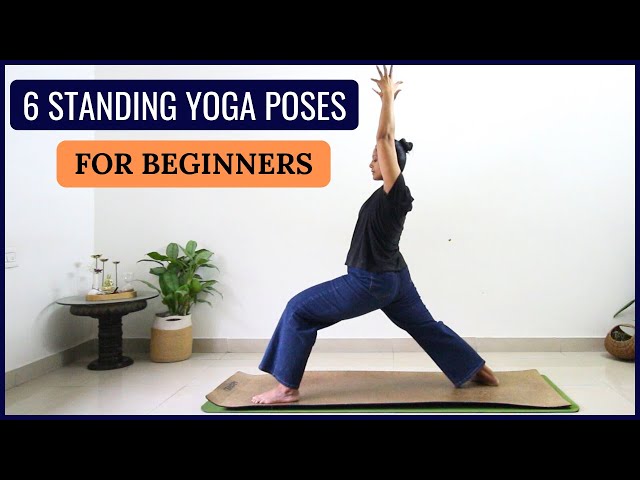
Warrior I
Warrior I builds strength in your legs and opens your chest. Step one foot back, bend the front knee, and raise your arms overhead. Keep your hips facing forward and your back leg straight.
This pose made me feel powerful and rooted, like I could face any challenge. Notice how your breath deepens and your body wakes up as you hold this stance. What does strength feel like in your body?
Warrior Ii
Warrior II focuses on stability and endurance. From Warrior I, open your hips and arms out to the sides, gazing over your front hand. Keep your front knee bent and your back leg strong.
Holding Warrior II helped me build stamina and stay grounded during long days. It invites you to be present and strong at the same time. Can you hold your focus as your muscles begin to tire?
Strength-building Standing Poses
Strength-building standing yoga poses help develop muscle power and improve balance. These poses work on your legs, core, and arms. They prepare your body for more advanced yoga moves. Practicing these poses regularly makes your body stronger and more stable.
Chair Pose
Chair Pose strengthens your thighs, hips, and lower back. Stand with feet together. Bend your knees as if sitting on a chair. Raise your arms above your head. Keep your chest lifted and back straight. Hold the pose and breathe deeply.
Extended Side Angle
This pose tones your legs and stretches your sides. Start in a wide stance. Bend your front knee, keeping it over the ankle. Place your front hand near the floor or on your ankle. Stretch your other arm over your head. Look up at your hand. Keep your body open and strong.
Triangle Pose
Triangle Pose builds leg strength and improves flexibility. Stand with feet wide apart. Turn one foot out and the other slightly in. Reach your front hand forward and tilt your body. Place your hand on your shin or the floor. Extend the other arm toward the sky. Keep your chest open and gaze up.
High Lunge
High Lunge strengthens legs, hips, and core muscles. Step one foot forward and bend the knee. Keep the back leg straight and strong. Raise both arms overhead. Square your hips forward. Hold the position while breathing evenly.
Common Mistakes To Avoid
Standing yoga poses offer a strong foundation for your practice, but beginners often make mistakes that can hinder progress or even cause injury. Recognizing these common errors early helps you build strength and balance safely. Let’s look at some key pitfalls to avoid so you can get the most out of your standing poses.
Misalignment Issues
One of the most frequent mistakes is poor alignment. For example, in Warrior II, letting your front knee collapse inward can strain your joints. You want your knee stacked directly above your ankle to protect your ligaments and maintain balance.
Check your hips too—twisting them unevenly reduces the pose’s effectiveness. Use a mirror or ask a friend to help you spot misalignments. Small shifts in posture can make a big difference in comfort and stability.
Overstraining Muscles
Beginners often push too hard, thinking more effort means better results. But overstraining muscles leads to tension and fatigue. If your body screams at you during a pose, you might be forcing it.
Ease into each position with gentle engagement. Notice how your muscles feel—are they active but not painful? Stretching should challenge you, not exhaust you. Listen closely to your body’s signals and adjust your effort accordingly.
Neglecting Breath Control
Breath is your anchor in yoga, yet many overlook its importance in standing poses. Holding your breath or breathing shallowly can increase tension and reduce focus. Your breath should flow smoothly and deeply.
Try syncing your movements with your breath—inhale as you lengthen and exhale as you deepen the pose. This connection calms the mind and improves balance. Ask yourself: How does my breath affect my stability and ease in these poses?
Credit: www.healthandme.com
Tips For Progressing Safely
Progressing safely in standing yoga poses is essential for building strength and flexibility without risking injury. It’s easy to get excited and push too hard, but mindful steps help you enjoy steady improvement. Let’s look at how you can make your practice more effective and safe with simple, clear strategies.
Increasing Duration Gradually
Start by holding each pose for just a few breaths. Over time, add a few more seconds each session. This slow increase helps your muscles adapt without strain.
Think about your first Tree Pose attempt—maybe you held it for 10 seconds. Could you add 5 more seconds this week? Small changes like this build endurance naturally.
Incorporating Modifications
Use props like blocks or a chair to support your balance. Don’t hesitate to bend your knees slightly if that feels better for your joints. These tweaks make poses accessible while you build confidence and strength.
For example, if Warrior II feels too intense, shorten your stance or rest your back hand on your thigh. Adjustments aren’t signs of weakness—they show smart, safe practice.
Listening To Your Body
Pay close attention to how you feel during and after each pose. Sharp pain or discomfort is a red flag to ease up or stop. Your body gives clear signals; trust them.
Ask yourself: Are you feeling steady and strong, or shaky and tired? If it’s the latter, pause and rest. Yoga is about connection, not competition.
Credit: www.youtube.com
Frequently Asked Questions
What Are The Benefits Of Standing Yoga Poses For Beginners?
Standing yoga poses improve balance, strength, and flexibility. They help beginners build confidence and body awareness. These poses also enhance posture and relieve stress, making them ideal for starting a yoga practice.
Which Standing Yoga Poses Are Best For Beginners?
Beginner-friendly standing poses include Mountain Pose, Warrior I, Warrior II, Tree Pose, and Chair Pose. These poses are easy to learn and help develop strength and stability.
How Often Should Beginners Practice Standing Yoga Poses?
Beginners should practice standing yoga poses 3-4 times per week. Consistent practice helps improve strength and flexibility while preventing injury.
Can Standing Yoga Poses Help With Posture Correction?
Yes, standing yoga poses strengthen core and back muscles. They promote proper spinal alignment and reduce slouching, aiding posture correction.
Conclusion
Standing yoga poses help build strength and improve balance. They are perfect for beginners to start their practice. Practice regularly to feel more confident and relaxed. These poses also boost energy and reduce stress. Take your time and listen to your body.
Enjoy the journey of learning yoga step by step. Small daily efforts bring lasting benefits. Stay patient and keep moving forward. Yoga can become a simple part of your daily life.







