
Are you curious about the benefits of running and how it fits into your exercise routine? Running is more than just a way to get from point A to point B.
It’s a powerful form of exercise that offers a range of physical and mental health benefits. Whether you’re lacing up your sneakers for the first time or you’re a seasoned marathoner, understanding what type of exercise running is can transform the way you approach your fitness goals.
Imagine a workout that not only boosts your cardiovascular health but also clears your mind and elevates your mood. As you read on, you’ll discover why running might just be the perfect exercise for you. Ready to unlock the secrets of this exhilarating activity? Let’s dive in and explore how running can become a vital part of your healthy lifestyle.

Credit: www.runnersworld.com
Running As Exercise
Running stands out as a simple and effective form of exercise. It requires no special equipment and can be done almost anywhere. This activity boosts fitness by improving how the heart, muscles, and mind work together. Many people enjoy running for its quick results and mental refreshment.
Cardiovascular Impact
Running strengthens the heart and lungs. It increases heart rate and improves blood flow. This helps deliver more oxygen to the body. Regular running lowers blood pressure and reduces the risk of heart disease. It also boosts stamina and endurance over time.
Muscle Engagement
Running activates many muscle groups at once. The legs work hard, especially the calves, quads, and hamstrings. The core muscles help keep balance and stability. Arms swing to support movement and rhythm. This full-body engagement tones muscles and builds strength.
Mental Health Benefits
Running clears the mind and reduces stress. It releases endorphins, which improve mood and energy. Many find running helps fight anxiety and depression. It also boosts focus and mental clarity. Running outdoors adds fresh air and sunlight, which lift spirits further.
Credit: codylillyw.medium.com
Health Benefits
Running offers many health benefits that improve your body and mind. It is a simple exercise anyone can do. Regular running helps maintain a healthy weight, strengthens your heart, builds strong bones, and reduces stress. These benefits make running a great choice for overall wellness.
Weight Management
Running burns calories quickly. It helps control body weight by increasing metabolism. Regular running can reduce body fat and improve muscle tone. This exercise supports healthy weight loss and keeps your body fit over time.
Heart Health
Running strengthens the heart muscle. It improves blood circulation and lowers blood pressure. This exercise helps reduce the risk of heart disease. A strong heart means better oxygen flow to your body and more energy.
Bone Strength
Running is a weight-bearing exercise. It helps increase bone density and prevents bone loss. Strong bones reduce the risk of fractures and osteoporosis. Running also improves joint health and mobility.
Stress Reduction
Running releases endorphins, known as feel-good hormones. These chemicals help reduce stress and anxiety. Running also improves sleep quality and boosts mood. It provides a natural way to clear your mind and relax.
Types Of Running
Running isn’t just one activity—it comes in many forms that suit different goals and fitness levels. Each type challenges your body in unique ways and offers specific benefits. Understanding these variations helps you pick the right style that fits your lifestyle and keeps you motivated.
Jogging
Jogging is a relaxed, steady pace that’s perfect for building endurance and burning calories without straining your body. It’s great if you want to ease into running or maintain general fitness. Have you noticed how a gentle jog clears your mind and boosts your mood after a long day?
Sprinting
Sprinting involves short bursts of maximum effort, pushing your speed and power. It’s excellent for improving muscle strength and cardiovascular health quickly. Try adding sprints to your routine and see how your overall running speed improves in just a few weeks.
Trail Running
Trail running takes you off the pavement and into nature, where uneven terrain challenges your balance and agility. It’s a full-body workout that also refreshes your senses with fresh air and scenic views. How often do you get the chance to combine exercise with adventure?
Interval Running
Interval running mixes periods of high-intensity running with rest or low-intensity recovery. This method boosts your stamina and burns more fat in less time. Think about how breaking your run into intervals can keep boredom away and help you push your limits.
Long-distance Running
Long-distance running tests your endurance over extended periods, often covering miles at a steady pace. It teaches patience and mental toughness while enhancing cardiovascular fitness. Have you set a distance goal that keeps you motivated and focused during your runs?

Credit: www.womenshealthmag.com
Choosing The Right Running Style
Choosing the right running style can make all the difference in how much you enjoy your workouts and how effectively you reach your goals. Running isn’t one-size-fits-all; it varies widely depending on what you want to achieve, your background, and how your body handles stress. Understanding these factors helps you pick a style that suits your needs and keeps you motivated.
Fitness Goals
Are you running to lose weight, build endurance, or improve speed? Your goals shape your style. For instance, if endurance is your focus, steady-state running at a moderate pace works well. If speed is the goal, interval training with bursts of fast running followed by recovery might suit you better.
Consider mixing styles to keep your workouts fresh and cover multiple goals. What specific outcome excites you most when you think about running?
Experience Level
If you’re new to running, starting with a walk-run approach can prevent burnout and build confidence. More experienced runners might experiment with trail running, tempo runs, or hill sprints to challenge themselves.
Listen to your body and adjust gradually. Have you noticed how your energy and motivation shift as you try different running styles?
Injury Prevention
Picking a running style that protects your joints and muscles is key to long-term success. Proper form and choosing the right surface—like softer trails instead of concrete—can reduce impact.
Adding strength training and flexibility exercises supports your running routine and lowers injury risk. What small changes can you make today to run smarter and safer?
Running Techniques
Running techniques shape how efficiently you run and how much you enjoy it. Good techniques help prevent injuries and improve speed. Focus on key areas like form, breathing, and pacing. These elements work together to make running easier and more effective.
Proper Form
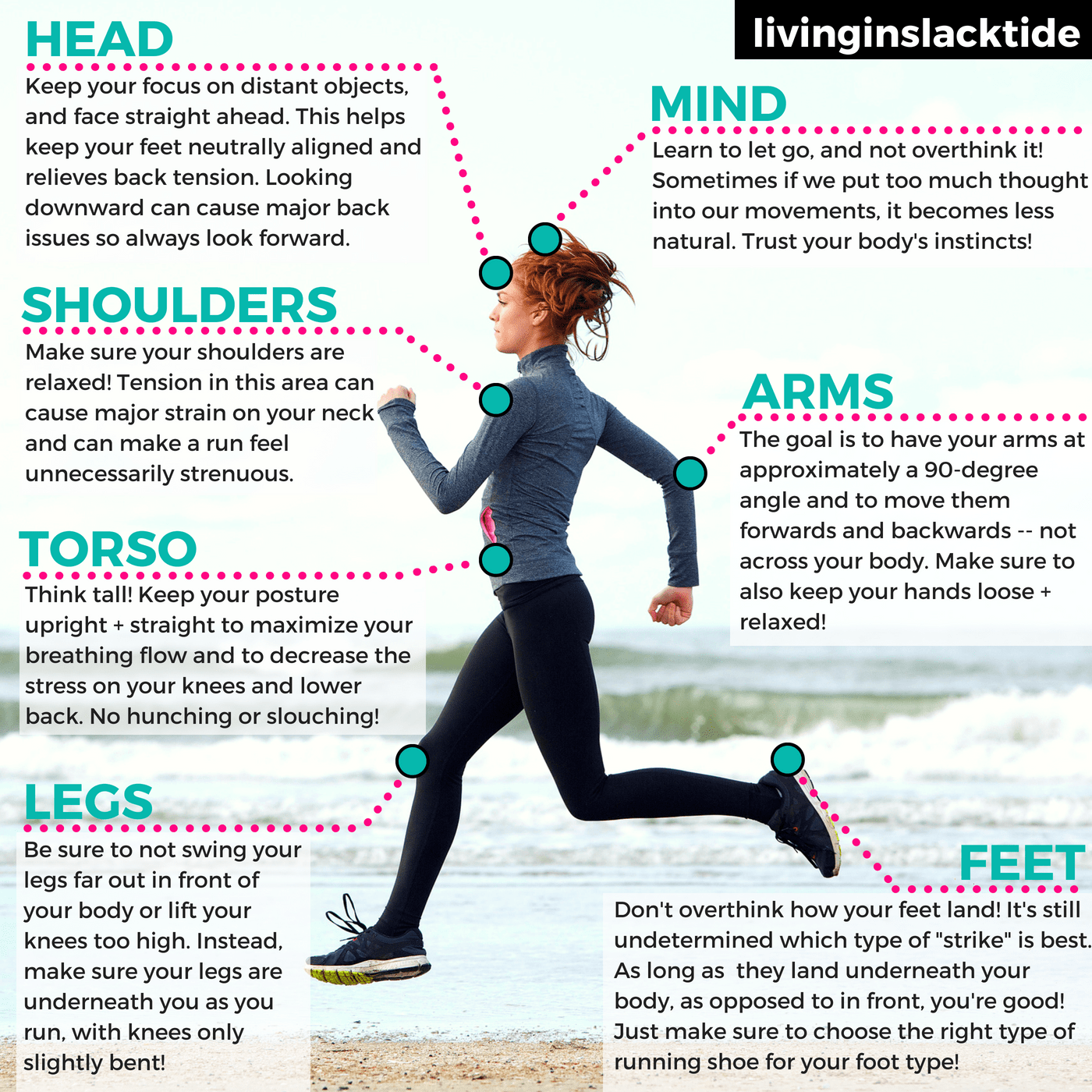
Keep your head up and eyes forward. Relax your shoulders, not too tight or too loose. Swing your arms naturally, close to your body. Land softly on your midfoot, not your heels. Keep your back straight and avoid leaning too far forward. Take short, quick steps instead of long strides.
Breathing Tips
Breathe deeply using your belly, not just your chest. Try to find a steady rhythm with your breath. Inhale through your nose and mouth together for more oxygen. Exhale fully to release carbon dioxide. Use a pattern like two steps in, two steps out. This helps keep your breathing calm and steady.
Pacing Strategies
Start your run at a comfortable speed. Avoid running too fast at the beginning. Gradually increase your pace as you warm up. Use a steady pace for long runs to save energy. Mix faster and slower speeds in training to build strength. Listen to your body and adjust pace as needed.
Gear And Equipment
Choosing the right gear and equipment can make a huge difference in your running experience. The right items protect you, improve comfort, and even boost your performance. Let’s break down the essentials that every runner should consider.
Running Shoes
Your running shoes are the foundation of your gear. They need to fit well, provide support, and match your running style.
Think about the surface you run on—road, trail, or track—as this affects the type of shoe you should pick. Don’t just grab the first pair you see; take time to get properly fitted at a specialty store. Your feet will thank you by avoiding injuries and pain.
Clothing
Wearing the right clothing keeps you comfortable and dry. Look for moisture-wicking fabrics that pull sweat away from your skin. This helps prevent chafing and keeps your body temperature balanced.
Layering is a smart move, especially if you run in changing weather. A lightweight jacket or breathable long sleeves can make your run more enjoyable when it’s cool outside.
Accessories
Small extras can have a big impact on your runs. Consider a good pair of running socks to reduce blisters and add cushioning. Sunglasses with UV protection shield your eyes during sunny runs.
Don’t forget practical items like a water bottle or hydration belt to keep you fueled and hydrated. A simple running watch or smartphone app can help track your pace and distance, turning your run into a motivating challenge.
Common Injuries
Running is a popular exercise that many enjoy for fitness and fun. It helps build strength and endurance. Yet, it also carries a risk of common injuries. Understanding these injuries helps runners stay safe and healthy. Injuries can occur due to many factors, affecting different body parts. Knowing what causes them aids in avoiding setbacks. Learning prevention tips keeps runners moving smoothly. If injuries happen, quick recovery is key to return to running.
Causes
- Overuse or too much running without rest
- Running on hard or uneven surfaces
- Poor running form or technique
- Wearing old or wrong shoes
- Sudden increase in running distance or speed
- Weak muscles or lack of stretching
Prevention
- Wear proper, well-fitted running shoes
- Warm up and stretch before running
- Gradually increase running distance and speed
- Run on softer surfaces like grass or trails
- Strengthen muscles with cross-training exercises
- Listen to your body and rest when needed
Recovery Tips
- Rest and avoid running until pain decreases
- Apply ice to reduce swelling and pain
- Use compression and elevation for injured areas
- Take over-the-counter pain relief if needed
- Gently stretch and do low-impact exercises
- Consult a doctor or therapist for serious injuries
Frequently Asked Questions
What Type Of Exercise Is Running Classified As?
Running is primarily a cardiovascular exercise. It improves heart and lung health by increasing aerobic capacity. It also engages muscles, making it a weight-bearing exercise that strengthens bones and muscles.
Is Running Considered Aerobic Or Anaerobic Exercise?
Running is mainly aerobic exercise at moderate pace. It uses oxygen to fuel muscles over time. Sprinting or intense running switches to anaerobic, relying on short bursts of energy without oxygen.
How Does Running Improve Overall Fitness?
Running boosts cardiovascular health, endurance, and muscle strength. It helps burn calories and reduces body fat. Regular running also improves mental health by releasing endorphins that reduce stress.
Can Running Help With Weight Loss Effectively?
Yes, running is an effective weight loss exercise. It burns a high number of calories per minute. Combined with a healthy diet, it supports fat loss and improves metabolism.
Conclusion
Running builds strong muscles and improves heart health. It is a great way to stay fit. Running also helps clear your mind and reduce stress. You can run alone or with friends. It fits many fitness levels and goals. This exercise needs no special tools or places.
Just put on shoes and start moving. Running supports both body and mind well. Try it regularly for better health and energy. Simple, effective, and accessible—running suits almost everyone.







