
Are you looking to spice up your workout routine and build strength like never before? Squats could be your answer.
They’re not just about building impressive legs; they’re a powerhouse exercise that targets multiple muscle groups, improves your core strength, and boosts your overall fitness. But did you know that there are different types of squat exercises, each offering unique benefits?
You’ll discover how incorporating various squat exercises can transform your fitness journey. Uncover the secrets to maximizing your workout results and find the perfect squat variation that suits your fitness goals. Ready to enhance your strength and stamina? Let’s dive into the world of squats and explore the possibilities together!
Credit: theprehabguys.com
Basic Squat Variations
Basic squat variations form the foundation of any strong workout plan. They help build strength, improve balance, and enhance flexibility. These squats target major muscle groups like the quads, hamstrings, and glutes.
Starting with simple forms allows you to learn proper technique. You can increase intensity as you gain confidence. Each type has unique benefits and challenges.
Bodyweight Squats
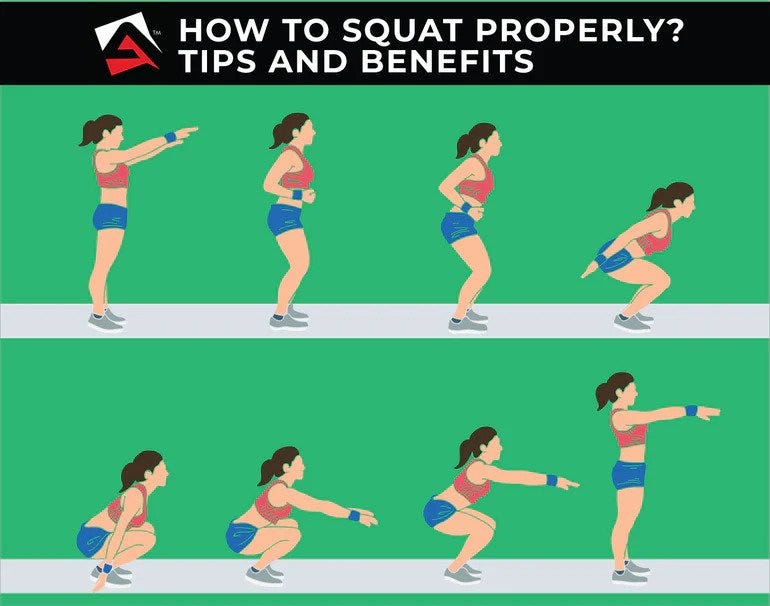
Bodyweight squats use only your body weight as resistance. They are perfect for beginners and warm-ups. Stand with feet shoulder-width apart. Lower your hips back and down, keeping your chest up. Return to standing position. This squat improves mobility and endurance.
Goblet Squats
Goblet squats add weight by holding a dumbbell or kettlebell close to your chest. This helps keep your torso upright. Feet should stay shoulder-width apart. Squat down while keeping the weight steady. This variation strengthens the legs and core simultaneously.
Back Squats
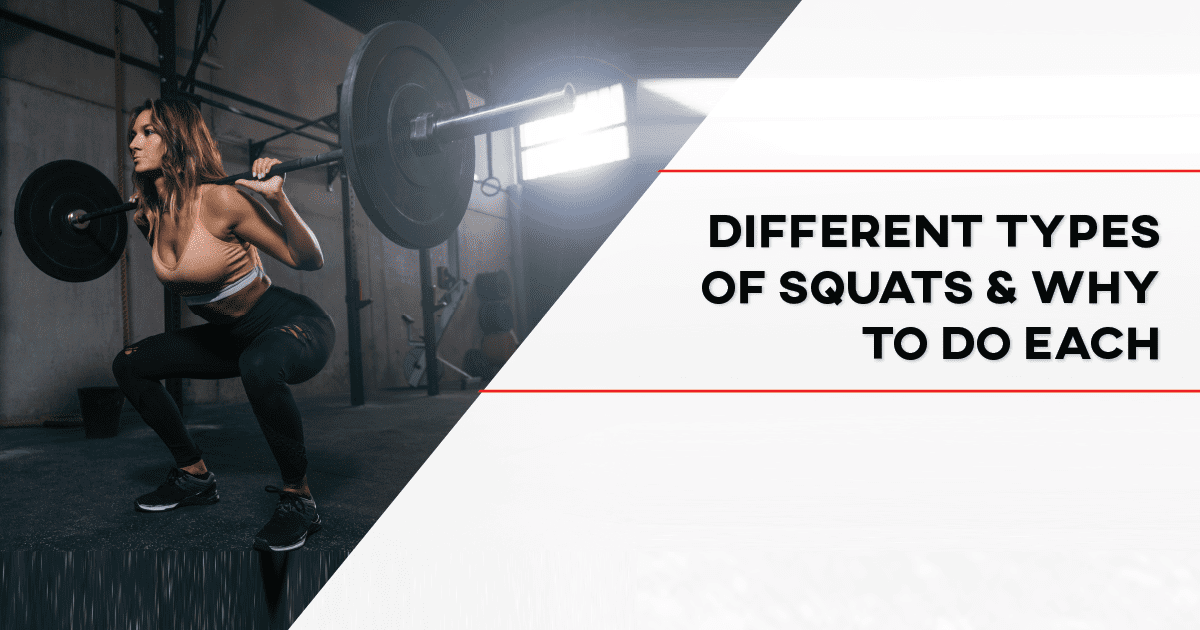
Back squats use a barbell placed on your upper back. This squat builds powerful leg muscles and overall strength. Stand with feet slightly wider than shoulder-width. Lower your body by bending knees and hips. Keep your back straight throughout the movement. This is a key exercise for serious strength training.
Front And Overhead Squats
Front and overhead squats are two powerful exercises that build strength and flexibility. Both target your legs, core, and upper body but challenge your muscles differently. They improve posture, balance, and mobility. Each squat type offers unique benefits for fitness enthusiasts.
Front Squats
Front squats place the barbell on the front of your shoulders. This position keeps your torso upright. It reduces stress on your lower back. Front squats focus more on your quads and core muscles.
- Stand with feet shoulder-width apart.
- Hold the barbell across your front shoulders.
- Keep elbows high and chest up.
- Lower your hips back and down.
- Stop when your thighs are parallel to the floor.
- Push through your heels to stand up.
Front squats improve knee stability and posture. They also help athletes who need strong quads and core control.
Overhead Squats
Overhead squats require holding the barbell above your head. This move demands great shoulder mobility and balance. The exercise works your legs, core, shoulders, and back.
- Stand with feet slightly wider than shoulder-width.
- Hold the barbell overhead with arms fully extended.
- Keep your chest lifted and core tight.
- Squat down by pushing hips back and bending knees.
- Go as low as you can while keeping the bar stable.
- Drive through your heels to return to standing.
Overhead squats build total-body strength and improve coordination. They also enhance flexibility in your shoulders and hips.
Single-leg Squat Options
Single-leg squats challenge your balance and strength. They target muscles differently than regular squats. These exercises improve stability, coordination, and muscle control. Single-leg squat options are great for building muscle evenly in both legs.
Bulgarian Split Squats
Bulgarian split squats focus on one leg at a time. Place your back foot on a bench or step. Keep your front foot flat on the floor. Lower your hips until your front thigh is parallel to the ground. Push back up through your front heel to start. This move strengthens quads, glutes, and hamstrings. It also improves balance and core stability.
Pistol Squats
Pistol squats are advanced single-leg squats. Extend one leg forward while squatting on the other. Go as low as you can without losing balance. Keep your chest up and core tight. Pistol squats demand strength, flexibility, and control. They build powerful leg muscles and improve coordination. Beginners can use support, like holding a chair, to practice.
Credit: medium.com
Squats With Equipment
Squats with equipment add resistance and variety to your workout. Using weights helps build strength faster. It also challenges your muscles in new ways. Equipment squats target your legs, glutes, and core effectively. They can improve balance and stability too.
Barbell Squats
Barbell squats are a classic strength exercise. Place the barbell across your shoulders behind your neck. Keep your chest up and feet shoulder-width apart. Squat down slowly, then push back up through your heels. This move builds powerful legs and strong hips.
Dumbbell Squats
Hold a dumbbell in each hand at your sides. Stand tall with feet hip-width apart. Lower your body as if sitting in a chair. Keep your back straight and knees behind toes. Dumbbell squats improve muscle tone and enhance coordination.
Kettlebell Squats
Use a kettlebell held close to your chest. Keep your elbows tucked in as you squat. This position works your arms and core along with legs. Kettlebell squats boost endurance and help with posture control.
Squat Variations For Mobility
Improving your mobility through squat exercises can transform how you move daily and boost your workout results. Different squat variations target muscles and joints in unique ways, helping you increase flexibility and stability. Trying various forms can also keep your routine fresh and engaging.
Sumo Squats
Sumo squats widen your stance, placing your feet much farther apart than in a regular squat. This position stretches your inner thighs and hips, promoting greater hip mobility. I noticed that after adding sumo squats to my routine, my side-to-side movements felt smoother and less restricted.
To perform a sumo squat, point your toes slightly outward and lower your hips straight down. Keep your chest up and knees tracking over your toes. How might changing your stance affect your squat depth and comfort?
Box Squats
Box squats involve sitting back onto a box or bench before standing back up. This variation teaches you to control your descent and improves hip and ankle mobility. It also helps with proper squat form by encouraging you to sit back rather than leaning forward.
Choose a box height that challenges your range but allows you to maintain good posture. You can feel how your hips open differently with each rep. Could this controlled motion help reduce strain on your knees?
Jump Squats
Jump squats add a plyometric element, boosting power and agility while working on mobility. The explosive jump forces your hips, knees, and ankles to move through a full range of motion quickly. I found that after a few weeks of jump squats, my overall leg coordination and balance improved noticeably.
Start with a regular squat, then explode upward into a jump, landing softly to absorb impact. This dynamic move challenges your muscles and joints differently than slow squats. How can adding speed and power to your squat routine change your muscle control?
Tips For Proper Squat Form
Proper squat form is essential for safe and effective workouts. It helps prevent injuries and improves results. Small adjustments can make a big difference in your squat technique. Focus on key areas to maintain good posture and balance.
Foot Positioning
Place your feet shoulder-width apart or slightly wider. Point your toes out at a 15 to 30-degree angle. Keep your weight evenly distributed across your heels and midfoot. Avoid letting your knees collapse inward or push too far forward.
Back Alignment
Maintain a neutral spine throughout the squat. Keep your chest up and shoulders back. Avoid rounding or arching your lower back. Engage your core muscles to support your spine and stabilize your body.
Depth And Range Of Motion
Squat down until your thighs are parallel to the floor or lower. Go as deep as your mobility allows without losing form. Keep your knees tracking in line with your toes. Avoid bouncing at the bottom to protect your joints.
Squat Programming For Strength
Squat programming for strength is more than just adding weight and reps randomly. It’s a deliberate process that balances volume, intensity, and recovery to help you build raw power efficiently. Understanding how to structure your squat workouts can make a huge difference in your progress.
Sets And Reps
For strength, focus on lower reps with higher weight. Typically, 3 to 5 sets of 3 to 6 reps work well to maximize muscle recruitment and neuromuscular adaptation.
Too many reps can tire you out and reduce your lifting capacity. Keep your reps heavy but manageable to maintain good form throughout the sets. Have you tracked how different rep ranges affect your performance?
Progressive Overload
Adding weight gradually is key to getting stronger. Small increases, like 2.5 to 5 pounds, consistently challenge your muscles without risking injury.
You can also add reps or sets over time, but don’t rush. Progression should feel like a steady climb, not a sprint. Think about how your body responds to incremental changes—what’s sustainable for you?
Rest And Recovery
Strength training demands proper rest between sets, usually 2 to 5 minutes, to allow your muscles to recover fully. Shorter rests may reduce your ability to lift heavy.
Beyond the gym, recovery days and quality sleep play critical roles. Ignoring recovery can stall your progress and increase injury risk. How do you currently balance your training with rest?

Credit: www.everydayhealth.com
Frequently Asked Questions
What Are The Main Types Of Squat Exercises?
The main squat types include bodyweight, goblet, front, back, sumo, and split squats. Each targets different muscles and fitness goals.
How Do Different Squats Benefit Muscle Growth?
Different squats engage various muscles. For example, back squats target glutes and quads, while sumo squats focus on inner thighs.
Which Squat Is Best For Beginners?
Bodyweight squats are best for beginners. They improve form and build strength without needing equipment.
Can Squat Variations Improve Athletic Performance?
Yes, squat variations enhance strength, balance, and flexibility. They improve overall athletic ability and reduce injury risk.
Conclusion
Squat exercises help build strength and improve balance. Different types target various muscles in your legs and core. Try a few to find which suits your body best. Regular practice can boost your fitness and support daily activities. Keep your form correct to avoid injuries.
Start slow, then increase intensity as you get stronger. Squats fit well in any workout routine for all skill levels. Simple, effective, and powerful. Give them a try and feel the difference.







