
Are you ready to shake up your workout routine and explore new ways to stay fit? Whether you’re a fitness newbie or a seasoned gym-goer, discovering different types of exercises can keep your workouts exciting and effective.
Imagine finding an exercise that not only matches your fitness goals but also keeps you motivated and engaged. This list of 20 different types of exercises is designed to help you do just that. From heart-pumping cardio to muscle-building strength training, and even exercises that will enhance your flexibility and balance, there’s something here for everyone.
Dive into this article and unlock the secrets to a more dynamic and fulfilling fitness journey. Get ready to transform your routine and achieve results that will leave you feeling empowered and energized!

Credit: noregretspt.com.au
Cardio Exercises
Cardio exercises boost heart health and increase stamina. They burn calories fast and improve lung capacity. These workouts suit all fitness levels and can be done indoors or outdoors. Regular cardio helps reduce stress and lifts mood. It also supports weight management and strengthens the immune system.
Running And Jogging
Running and jogging are simple and effective cardio exercises. They require no equipment and can be done anywhere. Start at a comfortable pace and increase speed gradually. These activities strengthen leg muscles and improve cardiovascular endurance. They also help clear the mind and reduce anxiety.
Cycling
Cycling is a low-impact cardio exercise that tones the lower body. It builds strong leg muscles and improves joint mobility. You can cycle outdoors or use a stationary bike indoors. Cycling also enhances balance and coordination. It is gentle on the knees, making it suitable for all ages.
Jump Rope
Jump rope is a fun and fast way to get your heart rate up. It improves coordination, timing, and agility. This workout burns many calories in a short time. You can do it at home or take it to the park. Jump rope also builds strong bones and tones the whole body.
Swimming
Swimming is a full-body cardio exercise that is easy on joints. It improves lung capacity and overall endurance. Water resistance helps tone muscles and burn calories. Swimming suits people with injuries or arthritis. It also cools the body while providing a great workout.
Credit: www.hollandandbarrett.com
Strength Training
Strength training builds muscle, boosts metabolism, and improves overall body function. It doesn’t just make you stronger—it helps protect your joints and bones, enhances posture, and even lifts your mood. Are you ready to challenge your limits and see what your body can achieve?
Weightlifting
Weightlifting uses free weights like dumbbells and barbells to target specific muscle groups. You can start with basic moves such as squats, deadlifts, and bench presses. These exercises demand proper form to avoid injury, so focus on technique before increasing weight.
I once struggled with wrist pain until I learned to adjust my grip and posture during lifts. That small change made a huge difference in my progress and comfort. Have you ever noticed how tiny tweaks can transform your workout?
Bodyweight Exercises
Bodyweight workouts need no equipment, making them perfect for any environment. Push-ups, pull-ups, lunges, and planks challenge your muscles using your own weight. You can increase difficulty by changing angles, adding pauses, or increasing reps.
These exercises taught me that strength isn’t about fancy gear—it’s about consistency and control. Could you build strength with nothing but your body and determination?
Resistance Band Workouts
Resistance bands add tension to your movements, targeting muscles from different angles. They’re light, portable, and versatile for exercises like bicep curls, rows, and leg lifts. Bands come in various resistance levels, so you can adjust the challenge as you improve.
Using bands helped me stay on track during travel when gym access was limited. What creative ways can you find to keep your workouts effective anywhere?
Kettlebell Training
Kettlebells combine strength and cardio by involving dynamic, full-body movements. Swings, cleans, and Turkish get-ups develop power, endurance, and coordination. Proper instruction is key to mastering form and avoiding injury.
After adding kettlebell swings to my routine, I noticed better grip strength and explosive power. How might mixing strength with movement enhance your fitness journey?
Flexibility Exercises
Flexibility exercises play a key role in keeping your body agile and reducing the risk of injury. They help muscles and joints move through their full range of motion, making everyday activities easier and workouts more effective. Adding flexibility work to your routine can also improve posture and relieve muscle tension.
Yoga
Yoga combines stretching with controlled breathing and mindfulness. It offers a variety of poses that stretch different muscle groups gently but deeply. Practicing yoga regularly can increase your flexibility, balance, and mental focus all at once.
Have you noticed how a simple yoga stretch can make your body feel lighter? That’s because it targets tight areas that often go unnoticed during regular workouts.
Pilates
Pilates focuses on strengthening your core while improving flexibility. It uses slow, controlled movements that stretch muscles without strain. Pilates exercises help lengthen your muscles and improve joint mobility.
Many people find that Pilates not only boosts flexibility but also corrects muscle imbalances. Could this be the secret to feeling more balanced in your daily movements?
Dynamic Stretching
Dynamic stretching involves moving parts of your body through a full range of motion. These stretches are usually done before workouts to warm up muscles and improve blood flow. Examples include leg swings, arm circles, and walking lunges.
Dynamic stretching prepares your body for activity and can enhance your performance. What if you tried a few dynamic stretches before your next workout and noticed the difference?
Static Stretching
Static stretching means holding a stretch for 15-60 seconds to lengthen muscles and improve flexibility. It’s most effective after exercise when your muscles are warm. Common static stretches include hamstring stretches, calf stretches, and shoulder stretches.
Have you ever felt relief in tight muscles after holding a stretch? That slow, steady stretch helps your muscles relax and recover.
Balance And Stability
Balance and stability exercises are essential for improving coordination, preventing falls, and enhancing overall body control. These exercises challenge your muscles and nervous system to keep you steady, even in tricky positions. Strengthening your balance can boost your confidence in daily activities and athletic performance alike.
Balance Board Exercises
Using a balance board forces your body to constantly adjust to stay upright. This continuous micro-movement strengthens your core, ankles, and legs. Start by standing on the board and trying to keep it level—simple yet effective for building stability.
You can increase difficulty by doing squats or shifting your weight side to side. Have you noticed how even a few minutes on a balance board can make your legs feel more engaged?
Single-leg Workouts
Working one leg at a time improves unilateral strength and balance. Try standing on one foot while brushing your teeth or doing single-leg deadlifts. These exercises help identify and fix strength imbalances between your legs.
Adding movement, like reaching forward or to the side, challenges your stability further. How much longer can you stand on one leg without wobbling?
Tai Chi
Tai Chi is a gentle martial art focused on slow, deliberate movements. It enhances balance by training body awareness and control. Practicing Tai Chi regularly can improve your posture and reduce the risk of falls.
The flowing sequences require shifting weight smoothly from one leg to the other, strengthening stability muscles. Have you tried Tai Chi to calm your mind while improving your balance?
Stability Ball Training
Working out on a stability ball engages your core and stabilizer muscles constantly. Whether you’re doing sit-ups, push-ups, or planks on the ball, your body works harder to maintain balance. This makes your workouts more effective and fun.
Try sitting on the ball while doing arm raises or leg lifts to challenge your balance further. How does your body feel different when the floor isn’t your only support?
High-intensity Workouts
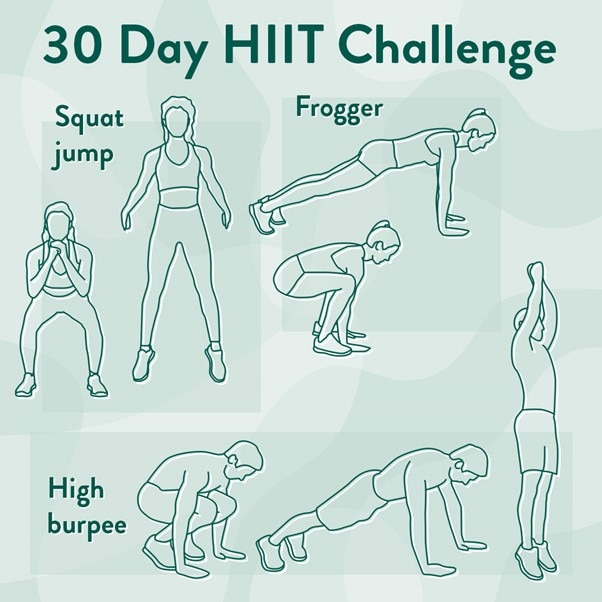
High-intensity workouts push your body to work harder in a short time. These exercises improve strength, endurance, and burn calories fast. They suit people who want quick and effective training sessions.
These workouts mix different moves with little rest. This keeps your heart rate high and muscles active. You will feel energized and stronger after regular sessions.
Hiit
High-Intensity Interval Training (HIIT) alternates between intense bursts and rest. For example, sprint for 30 seconds, then walk for 1 minute. Repeat this cycle for 15 to 30 minutes.
HIIT boosts metabolism and burns fat quickly. You do not need special equipment to start HIIT workouts.
Tabata
Tabata is a type of HIIT with very short intervals. It involves 20 seconds of work followed by 10 seconds of rest. This cycle repeats 8 times, lasting just 4 minutes.
This workout is great for building speed and power. It fits easily into busy schedules.
Circuit Training
Circuit training combines different exercises performed one after another. Each move targets different muscle groups. You rest only after completing the whole circuit.
This style improves overall fitness and muscle tone. You can adjust circuits to your own fitness level.
Plyometrics
Plyometrics use explosive movements like jumps and hops. These exercises increase power and agility. Examples include jump squats, box jumps, and burpees.
Plyometrics help athletes improve performance. They also burn many calories in a short time.

Credit: www.freepik.com
Frequently Asked Questions
What Are The Benefits Of Different Exercise Types?
Different exercise types improve strength, flexibility, endurance, and balance. Mixing exercises prevents boredom and reduces injury risk. It also targets various muscle groups and promotes overall health and fitness.
How Often Should I Do These Exercises Weekly?
Aim for at least 150 minutes of moderate exercise per week. Combine cardio, strength training, and flexibility workouts. Spread sessions across 3-5 days for balanced fitness and recovery.
Which Exercises Are Best For Weight Loss?
Cardio exercises like running, cycling, and swimming burn the most calories. Strength training builds muscle, boosting metabolism. Combining both types maximizes fat loss and improves body composition.
Can Beginners Do All 20 Exercise Types Safely?
Beginners should start slowly and focus on proper form. Gradually increase intensity and duration. Consult a trainer or doctor if unsure about specific exercises.
Conclusion
Exercise comes in many forms to fit every lifestyle and goal. Choose activities you enjoy to stay motivated and consistent. Mixing different exercises helps your body stay strong and healthy. Small steps lead to big changes over time. Keep moving, stay active, and make exercise a regular habit.
Your body and mind will thank you for it.







