
Feeling stressed or anxious? Looking for a way to relax and rejuvenate your mind and body?
Breathing exercises might be just what you need. Imagine having a handy guide that you can refer to anytime, anywhere—sounds perfect, right? With a “Types of Breathing Exercises PDF,” you can easily access a variety of techniques to help you breathe better and feel more at peace.
This article will delve into the different types of breathing exercises available in PDF format, so you can choose the ones that best suit your lifestyle and needs. Get ready to discover how simple breathing techniques can transform your life. Keep reading to find out how you can download and start using this invaluable resource today!

Credit: www.scribd.com
Benefits Of Breathing Exercises
Breathing exercises offer many benefits for both the mind and body. They improve oxygen flow and help calm the nervous system. Regular practice can boost energy and reduce stress.
These exercises support better focus and mental clarity. They also aid in managing emotions and promoting relaxation. The effects are often quick and easy to feel.
Improves Lung Capacity And Oxygen Flow
Breathing exercises help increase lung capacity. This allows more oxygen to reach the bloodstream. Better oxygen flow improves overall health and stamina.
Reduces Stress And Anxiety
Deep breathing activates the body’s relaxation response. It lowers heart rate and reduces tension. This makes stress and anxiety easier to handle.
Enhances Mental Focus And Clarity
Controlled breathing sharpens concentration. It clears the mind and improves memory. Many people feel more alert after practicing.
Supports Better Sleep Quality
Breathing exercises before bed calm the mind. They help you fall asleep faster and sleep deeper. Better rest improves mood and energy.
Boosts Immune System Function
Good breathing stimulates the lymphatic system. It helps remove toxins and supports immunity. Regular practice can reduce illness frequency.
Promotes Emotional Balance
Breathing controls help regulate emotions. They reduce feelings of anger and frustration. This leads to a calmer, more balanced mood.
Credit: www.etsy.com
Popular Breathing Techniques
Popular breathing techniques help calm the mind and improve focus. They also boost oxygen flow and reduce stress. Many people use these exercises daily for better health and relaxation.
Diaphragmatic Breathing
This technique uses the diaphragm to breathe deeply. Breathe in slowly through the nose, letting the belly rise. Breathe out gently through the mouth, feeling the belly fall. It improves lung efficiency and relaxes the body.
Box Breathing
Box breathing follows four simple steps, each lasting the same count. Inhale through the nose, hold the breath, exhale through the mouth, and hold again. This method calms the nervous system and sharpens focus.
Alternate Nostril Breathing
Close one nostril and breathe in through the other. Switch nostrils after each breath. This technique balances the brain and reduces stress. It also clears the mind and improves concentration.
4-7-8 Breathing
Breathe in quietly through the nose for 4 seconds. Hold the breath for 7 seconds. Exhale forcefully through the mouth for 8 seconds. This method helps reduce anxiety and aids sleep.
Pursed Lip Breathing
Breathe in slowly through the nose. Purse the lips like blowing out a candle. Exhale slowly through pursed lips. It eases shortness of breath and improves lung function.
How To Perform Each Technique
Understanding how to perform each breathing technique correctly can make a big difference in how effective they are for you. Each method has its own rhythm and focus, which can impact your relaxation, focus, or energy levels in unique ways.
Try these step-by-step instructions and notice how your body and mind respond. Have you ever felt completely in tune with your breath? These exercises might just help you get there.
Step-by-step Guide For Diaphragmatic Breathing
- Sit or lie down comfortably, placing one hand on your chest and the other on your belly.
- Breathe in slowly through your nose, letting your belly push your hand out while your chest remains still.
- Exhale through pursed lips, feeling your belly fall inward as the air leaves your lungs.
- Repeat this cycle for 5 to 10 minutes, focusing on deep, smooth breaths.
Box Breathing Instructions
- Find a quiet place and sit upright with your back straight.
- Inhale slowly through your nose for a count of four seconds.
- Hold your breath for another four seconds, keeping your body relaxed.
- Exhale gently through your mouth for four seconds.
- Pause and hold your breath again for four seconds before repeating.
- Complete several rounds, noticing how the steady pattern calms your mind.
Alternate Nostril Breathing Steps
- Sit comfortably and use your right thumb to close your right nostril.
- Inhale deeply through your left nostril.
- Close your left nostril with your right ring finger, then release your right nostril.
- Exhale slowly through your right nostril.
- Inhale through the right nostril, then close it and exhale through the left.
- Continue alternating nostrils for 5 minutes, keeping your focus on your breath.
4-7-8 Breathing Method
- Begin by exhaling completely through your mouth with a whoosh sound.
- Close your mouth and inhale quietly through your nose to a mental count of four.
- Hold your breath for a count of seven.
- Exhale completely through your mouth, making a whoosh sound to a count of eight.
- Repeat this cycle for four breaths initially, then increase as comfortable.
Pursed Lip Breathing Process
- Relax your neck and shoulder muscles.
- Inhale slowly through your nose for about two seconds.
- Pucker your lips as if you are going to whistle.
- Exhale slowly and gently through your pursed lips for about four seconds.
- Focus on making your exhale twice as long as your inhale to help improve airflow.
- Practice this for several minutes whenever you feel short of breath.
Tips For Effective Practice
Practicing breathing exercises effectively improves their benefits. Small changes in your routine can make a big difference. Focus on creating a calm space, practicing regularly, and pairing breathwork with meditation for best results.
Creating A Relaxing Environment
Choose a quiet spot free from noise and distractions. Dim the lights or use soft natural light. Sit or lie down comfortably to avoid tension. Wear loose clothes that allow easy breathing. A calm setting helps your mind focus on your breath.
Consistency And Timing
Practice breathing exercises at the same time each day. Short sessions of 5 to 10 minutes work well. Regular practice trains your body and mind to relax faster. Avoid practicing right after meals or when very tired. Consistency creates lasting calm and better lung capacity.
Combining With Meditation
Breathing exercises and meditation enhance each other. Start with simple breath awareness to calm the mind. Gradually add guided meditation or silent focus. This combination deepens relaxation and reduces stress. Use breathing as an anchor to return your focus during meditation.
Using Pdfs For Guided Practice
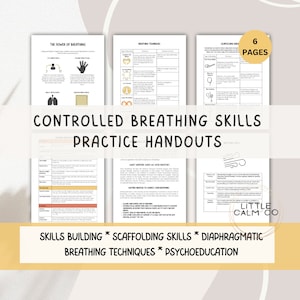
Using PDFs for guided breathing exercises offers a simple way to learn and practice. PDFs provide clear instructions and visuals. They help keep your focus and guide your rhythm. You can access them anytime, even offline. This makes your breathing practice consistent and easy to follow.
Benefits Of Pdf Guides
- Easy to download and use on any device
- Clear step-by-step instructions
- Visual aids like diagrams and charts included
- Portable for practice anywhere
- Can be printed for offline use
- Helps track progress with notes or logs
Where To Find Quality Pdfs
- Official health and wellness websites
- Trusted yoga and meditation platforms
- Online libraries and educational sites
- Reputable breathing and fitness apps
- Community forums with expert recommendations
How To Use Pdfs Effectively
Start by reading the instructions fully before practicing. Follow the steps slowly and breathe deeply. Use the visuals to match your breathing pattern. Practice regularly at a quiet time and place. Keep the PDF handy for quick reference. Note your feelings or improvements after each session. Adjust your pace to stay comfortable and relaxed.
Breathing Exercises For Specific Needs
Breathing exercises can be tailored to meet specific needs. Each technique supports different goals. This section explains breathing exercises designed for stress relief, better sleep, sharper focus, and improved respiratory health.
Stress Relief
Breathing deeply calms the nervous system. Slow breaths reduce tension in the body. Try inhaling through the nose for four seconds. Hold the breath briefly, then exhale slowly. This helps lower stress hormones and promotes relaxation.
Improved Sleep
Breathing exercises can prepare the mind for rest. Focus on slow, steady breaths to quiet the thoughts. A popular method is the 4-7-8 technique. Inhale for 4 seconds, hold for 7, then exhale for 8. This pattern helps the body unwind and fall asleep faster.
Enhanced Focus
Controlled breathing sharpens mental clarity. Short, rhythmic breaths increase oxygen to the brain. Try box breathing: inhale for 4 seconds, hold for 4, exhale for 4, hold again for 4. This exercise boosts concentration and reduces distractions.
Respiratory Health
Breathing exercises improve lung capacity and strength. Practices like diaphragmatic breathing engage the lower lungs fully. Breathe deeply into the belly, not just the chest. This supports better oxygen exchange and clears airways for easier breathing.

Credit: www.physio-pedia.com
Frequently Asked Questions
What Are The Common Types Of Breathing Exercises?
Common types include diaphragmatic, box, alternate nostril, and pursed-lip breathing. Each targets relaxation, lung capacity, or stress relief. PDFs often provide step-by-step instructions and benefits for each type.
How Can A Breathing Exercises Pdf Help Beginners?
A PDF offers clear, structured guidance with visuals and tips. It simplifies learning by outlining steps and precautions. Beginners gain confidence and consistency using these easy-to-follow resources.
Are Breathing Exercises Effective For Stress Management?
Yes, breathing exercises reduce cortisol levels and calm the nervous system. Regular practice improves focus and lowers anxiety. Many PDFs highlight scientific benefits and practical routines for stress relief.
Can Breathing Exercises Improve Lung Capacity?
Breathing exercises strengthen respiratory muscles and enhance oxygen intake. Techniques like diaphragmatic and pursed-lip breathing boost lung efficiency. PDFs detail exercises designed to gradually increase lung capacity safely.
Conclusion
Breathing exercises help calm the mind and body. They improve focus and reduce stress. Using a PDF guide makes learning easy and clear. Practice daily for the best results. Small steps can bring big changes. Explore different types and find what suits you.
Breathe deeply, feel relaxed, and stay healthy.







