
Starting yoga can seem a bit intimidating, especially when you’re not sure where to begin. But what if you had a simple guide to get you started?
Imagine feeling more relaxed and flexible with just a few minutes of practice each day. That’s exactly what you’ll discover with these ten easy yoga poses designed just for beginners like you. Each pose is a step towards boosting your well-being and finding your inner peace.
Curious to see how yoga can transform your life? Keep reading to learn about the poses that will make you feel more energized and balanced. Your yoga journey starts now.
Benefits Of Yoga For Beginners
Starting yoga can feel challenging, but the benefits for beginners are clear and immediate. Yoga helps you build strength, flexibility, and balance while calming your mind. Even a short daily practice can improve your mood and energy levels.
Improved Flexibility And Strength
Yoga poses stretch your muscles gently, helping you become more flexible over time. You don’t have to be bendy to start; your body will gradually open up. Strength also grows as you hold poses, making everyday activities easier.
Better Breathing And Relaxation
Yoga teaches you to breathe deeply and fully, which reduces stress and anxiety. Learning to control your breath helps you stay calm in difficult situations. Have you noticed how deep breathing can change your mood instantly?
Enhanced Focus And Concentration
Practicing yoga requires paying attention to your body and breath, which sharpens your focus. This mindfulness can carry over into your daily life, improving your work and relationships. Can you imagine handling distractions more calmly?
Improved Posture And Balance
Many beginners find their posture improves as they strengthen core muscles through yoga. Better posture reduces back and neck pain caused by long hours at a desk. Yoga also challenges your balance, making you steadier on your feet.
Increased Energy And Mood
Yoga can boost your energy by stimulating blood flow and reducing tension. A few yoga poses in the morning may help you feel more awake and ready for the day. Have you tried yoga to lift your mood during a tough day?
Supports Joint Health And Reduces Pain
Gentle yoga movements keep your joints moving and lubricated. This can reduce stiffness and pain, especially if you sit a lot or have arthritis. Yoga offers a natural way to care for your body without medication.
Builds A Mind-body Connection
Yoga helps you tune into how your body feels and what it needs. This awareness can prevent injuries and improve your overall health. How often do you stop to listen to your body during a busy day?
Encourages Healthy Habits
Starting yoga often leads to better sleep, healthier eating, and more physical activity. It creates a positive cycle that supports your well-being. Small changes like these add up to big improvements in your life.
Accessible To Everyone
You don’t need special skills or equipment to begin yoga. Simple poses and breathing exercises can be done at home or in a class. This makes yoga a flexible option for any schedule or fitness level.
Creates A Sense Of Community
Joining a yoga class connects you with others who share your interest. This support can motivate you to keep practicing and improve. Have you ever felt inspired by practicing yoga with a group?
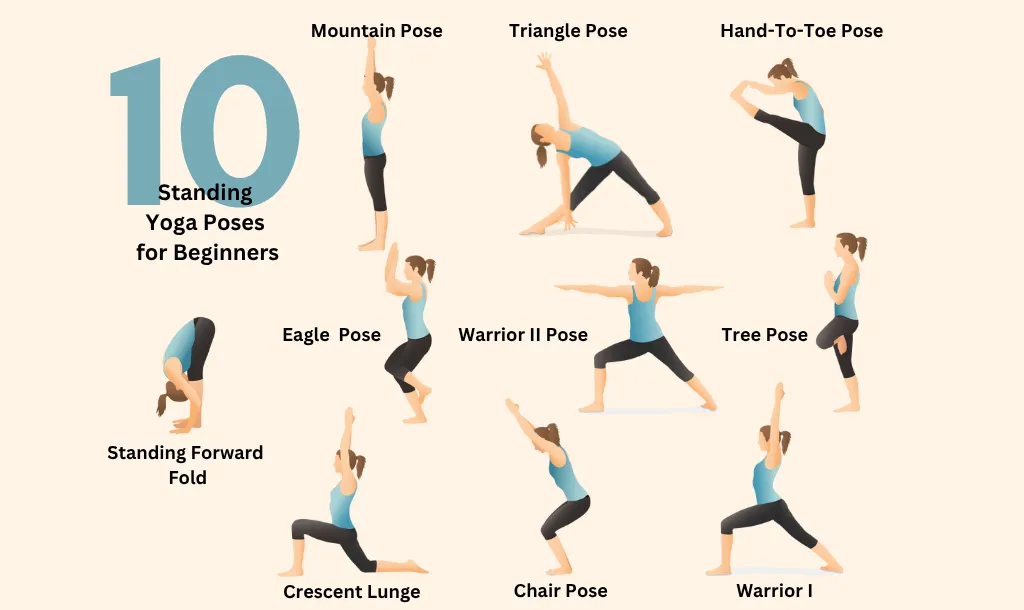
Credit: myyogateacher.com
Getting Ready For Your First Practice
Starting yoga is an exciting journey. Preparing well makes your first practice smooth and enjoyable. Simple steps help you feel calm and ready. Setting up a good space and having the right tools matter. Safety also plays a big role. Let’s explore how to get ready for your first yoga session.
Choosing The Right Space
Pick a quiet spot with enough room to stretch. A clean, flat surface works best. Natural light can boost your mood and focus. Avoid noisy areas and places with many distractions. Keep your space free from clutter. A calm area helps your mind relax and body move freely.
Essential Equipment
Start with a comfortable yoga mat for cushioning and grip. Wear loose, stretchy clothes that let you move easily. Use a small towel to wipe sweat. A water bottle nearby keeps you hydrated. Optional items include yoga blocks or straps for extra support. Having these tools helps your practice feel safe and effective.
Basic Safety Tips
- Warm up gently before starting poses.
- Listen to your body and avoid pain.
- Move slowly and control your breathing.
- Stop if you feel dizzy or uncomfortable.
- Practice on a non-slip surface.
- Consult a doctor if you have health issues.
Keeping these safety tips in mind protects your body. This ensures a positive and injury-free yoga experience.
Mountain Pose: Foundation Of Balance
The Mountain Pose, or Tadasana, is more than just standing tall. It is the base of all standing yoga poses and teaches you how to find true balance in your body and mind. This pose helps you develop the awareness needed to improve posture, stability, and confidence in every movement.
Understanding The Alignment
Your feet should be hip-width apart, grounding evenly on the floor. Press your weight through all corners of your feet while engaging your thighs to lift your kneecaps gently. Lengthen your spine by imagining a string pulling the crown of your head upward.
Breathing And Focus
In Mountain Pose, your breath is key. Take slow, deep breaths, feeling your chest expand and contract naturally. This steady breathing helps center your mind and brings calm energy, allowing you to hold the pose with ease.
Common Mistakes To Avoid
- Don’t lock your knees; keep them soft to protect your joints.
- Avoid leaning your weight forward or backward; balance should be even.
- Ensure your shoulders are relaxed, not hunched or tense.
Why Mountain Pose Matters For Beginners
Starting yoga with Mountain Pose builds a strong foundation for more complex poses. It teaches you how to engage your core and maintain balance, which reduces the risk of injury. When I first practiced it, I realized how much tension I held unknowingly, and this pose helped me release it bit by bit.
Try This Simple Tip
Stand in Mountain Pose and close your eyes for 30 seconds. Notice the subtle shifts in your body as you maintain balance without sight. Can you feel the connection between your feet and the floor? This small exercise sharpens your body awareness instantly.
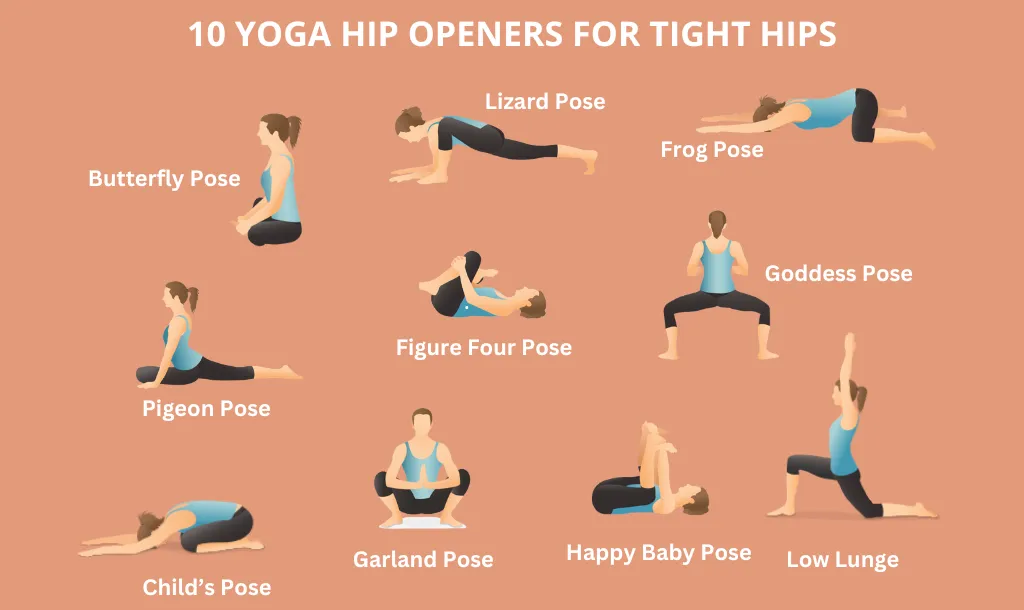
Credit: myyogateacher.com
Downward Dog: Full Body Stretch
The Downward Dog pose is a powerful stretch that wakes up your entire body. It targets your shoulders, hamstrings, calves, and even your spine. If you’re new to yoga, this pose can feel challenging at first, but it quickly becomes a favorite for releasing tension and boosting energy.
How To Get Into Downward Dog
Start on your hands and knees, with your wrists under your shoulders and knees under your hips. Spread your fingers wide to create a solid base. Then, push your hips up and back, straightening your legs as much as possible without locking your knees.
Feel free to keep a slight bend in your knees if your hamstrings are tight. Your goal is to create an inverted V shape with your body. Are your heels touching the ground? Don’t worry if they don’t yet—flexibility grows with practice.
Benefits You’ll Notice Quickly
- Improves circulation:Your head is below your heart, which helps blood flow.
- Strengthens muscles:Your arms, shoulders, and legs all work hard to hold the pose.
- Relieves tension:It stretches tight areas, especially the back and hamstrings.
When I started practicing Downward Dog daily, I noticed less stiffness in my neck and shoulders after long hours at a desk. How often do you take breaks to stretch during your day?
Common Mistakes To Avoid
- Don’t collapse your shoulders—keep them active and away from your ears.
- Avoid locking your knees; keep a micro-bend if needed to protect joints.
- Don’t let your head hang; keep your neck long and relaxed.
Paying attention to these details makes the pose more effective and safer. Have you ever felt discomfort in your wrists during this pose? Try shifting your weight slightly forward or rolling your fingertips to ease pressure.
Child’s Pose: Rest And Relaxation
The Child’s Pose is a fundamental yoga posture that offers a gentle way to rest and relax your body. It’s perfect for beginners who want to ease into their practice while calming their mind. This pose helps you recover from more intense postures and reconnect with your breath.
How To Get Into Child’s Pose
Kneel on the floor and sit back on your heels. Slowly lower your torso forward, extending your arms in front or placing them alongside your body. Rest your forehead on the mat to help your neck relax.
Benefits You Can Feel Immediately
Child’s Pose stretches your lower back, hips, and thighs gently. It reduces tension and promotes a feeling of calm. Many beginners find that it helps ease anxiety and stress during their yoga sessions.
Tips To Make Child’s Pose More Comfortable
- Place a folded blanket between your thighs and calves if your knees feel tight.
- Use a cushion or block under your forehead if it doesn’t comfortably reach the floor.
- Adjust the width of your knees to find a space that feels open but supported.
When To Use Child’s Pose During Your Practice
Pause in Child’s Pose whenever you feel overwhelmed or tired during your yoga routine. It’s also great at the end of your practice to ground yourself. Ask yourself: Could this moment of rest improve your focus and energy?
Common Mistakes To Avoid
- Forcing your forehead down, which can cause neck strain.
- Holding the pose too rigidly instead of allowing your body to relax.
- Ignoring discomfort in your knees or hips—modify as needed.
Cat-cow Pose: Spinal Flexibility
The Cat-Cow Pose is a gentle, flowing movement that helps improve your spinal flexibility while calming your mind. It’s perfect for beginners because it’s easy to do and doesn’t require advanced flexibility. This pose connects your breath with movement, making it a mindful way to warm up your spine and prepare your body for deeper stretches.
How To Perform The Cat-cow Pose
Start on your hands and knees with your wrists aligned under your shoulders and knees under your hips. As you inhale, drop your belly toward the mat, lift your head and tailbone up — this is the Cow position. On the exhale, round your spine toward the ceiling, tucking your chin and tailbone — this is the Cat position.
Move slowly between these two positions, syncing your breath with your movements. This rhythmic flow not only loosens your spine but also helps you focus on your body’s sensations.
Benefits For Spinal Health
The Cat-Cow Pose gently stretches your back, neck, and torso, increasing the flexibility of your spine. It helps relieve tension in your back muscles, often caused by sitting too long or poor posture. Regular practice can reduce stiffness and improve your overall back mobility.
Have you noticed how tight your back feels after a long day? This simple pose can be a quick fix to ease that discomfort and keep your spine healthy.
Common Mistakes To Avoid
- Don’t rush through the movements; slow and steady enhances flexibility.
- Avoid collapsing your lower back too much in the Cow pose to prevent strain.
- Keep your neck in line with your spine instead of dropping your head sharply.
- Ensure your weight is evenly distributed between hands and knees.
Paying attention to these details helps you get the most from the pose and prevents injury.
Tips For Enhancing Your Practice
- Use a yoga mat or soft surface to protect your knees.
- Focus on deep, steady breaths to increase relaxation and spinal movement.
- Try holding each position for a few seconds longer as you become comfortable.
- Incorporate this pose into your morning routine to wake up your spine gently.
Adding Cat-Cow to your daily practice can make a noticeable difference in how your back feels and moves.
Warrior I: Building Strength
Warrior I is a powerful yoga pose that helps build strength and stability. It targets the legs, hips, and core muscles. This pose also improves balance and focus. It is perfect for beginners who want to gain confidence in their practice.
How To Perform Warrior I Pose
- Stand tall with feet together.
- Step one foot back about 3-4 feet.
- Bend the front knee to align above the ankle.
- Keep the back leg straight and strong.
- Lift your arms overhead, palms facing each other.
- Square your hips toward the front.
- Hold the pose for 20-30 seconds.
Muscles Strengthened By Warrior I
- Quadriceps and hamstrings
- Gluteus muscles
- Core muscles
- Shoulders and arms
Tips For Beginners
- Keep your back heel grounded.
- Engage your core for balance.
- Use a wall for support if needed.
- Don’t lock your knee; keep it soft.
- Breathe deeply and steadily.

Credit: www.sentinelassam.com
Tree Pose: Improving Focus
The Tree Pose is a simple yet powerful yoga posture that helps you build focus and balance. It encourages you to steady your mind as you stabilize your body on one leg. Practicing this pose regularly can sharpen your concentration and calm your thoughts.
How To Get Into Tree Pose
Start by standing tall with your feet hip-width apart. Shift your weight onto one leg and slowly place the sole of your other foot on your inner thigh or calf—avoid the knee. Bring your hands together at your chest or raise them overhead, whichever feels comfortable.
Tips For Maintaining Balance
- Focus your gaze on a fixed point in front of you to prevent wobbling.
- Engage your core muscles to support your posture.
- Keep your standing leg strong but not locked at the knee.
How Tree Pose Enhances Focus
Balancing on one leg forces your mind to stay present. You can’t let your thoughts wander when your body demands attention. This makes the pose an excellent tool for training your brain to concentrate better in daily life.
Common Challenges And How To Overcome Them
| Challenge | Solution |
|---|---|
| Wobbling or falling | Use a wall or chair for support until your balance improves. |
| Difficulty placing foot on inner thigh | Place foot lower on the calf or ankle, avoiding the knee. |
| Mind wandering | Focus on your breath or a fixed point to regain attention. |
How Often Should You Practice Tree Pose?
Try holding the pose for 20 to 30 seconds on each leg. Repeat this two to three times per session. Practicing daily can help you notice improvements in both your physical balance and mental focus.
Have you noticed how your mind reacts when you try to balance? Use that awareness to deepen your practice and strengthen your focus bit by bit.
Seated Forward Bend: Enhancing Flexibility
The Seated Forward Bend is a simple yoga pose that helps improve flexibility. It stretches the spine, shoulders, and hamstrings. This pose also calms the mind and relieves stress. Beginners find it easy to practice and safe for most body types.
Regular practice can increase your range of motion. It helps your muscles become more elastic over time. This pose also improves posture by lengthening the back muscles. It promotes better blood flow to the lower body.
How To Perform The Seated Forward Bend
- Sit on the floor with your legs straight in front.
- Keep your back straight and feet flexed.
- Inhale deeply and raise your arms above your head.
- Exhale slowly and bend forward from your hips.
- Reach for your feet, ankles, or shins without forcing.
- Hold the position while breathing evenly for 20-30 seconds.
- Slowly return to the starting position on an inhale.
Benefits For Flexibility And Beyond
- Stretches the spine and hamstrings gently.
- Improves flexibility in lower back and legs.
- Reduces stiffness and tension in muscles.
- Calms the nervous system and reduces anxiety.
- Enhances digestion by massaging abdominal organs.
- Improves posture with regular practice.
Tips For Beginners To Avoid Injury
- Do not force your body to reach too far.
- Keep your spine long and avoid rounding your back.
- Bend your knees slightly if hamstrings feel tight.
- Use a yoga strap around your feet if needed.
- Focus on steady breathing to relax muscles.
- Stop if you feel any sharp pain.
Bridge Pose: Opening The Chest
The Bridge Pose is a powerful yoga posture that helps open your chest and strengthen your back. It’s perfect for beginners because it’s simple to perform yet offers significant benefits. This pose encourages better posture and can relieve tension in your shoulders and neck.
How To Get Into Bridge Pose
Start by lying on your back with your knees bent and feet flat on the floor, hip-width apart. Place your arms alongside your body with palms facing down. Press your feet firmly into the ground as you lift your hips toward the ceiling, opening your chest upward.
Benefits Of Opening The Chest
Opening your chest improves your breathing by expanding your lung capacity. It also counteracts the effects of slouching, which is common if you spend long hours sitting. You may notice less stiffness in your shoulders and an improved sense of alertness after practicing this pose.
Common Mistakes To Avoid
- Letting your knees splay outward instead of keeping them aligned with your hips.
- Overarching your lower back instead of lifting from your chest.
- Holding your breath—remember to breathe deeply and steadily.
Tips For Beginners To Feel Comfortable
If your lower back feels tight, try placing a yoga block or cushion under your sacrum for support. Keep your feet close to your hips to reduce strain. Don’t force the lift; gently raise your hips as high as feels good for your body.
How Often Should You Practice Bridge Pose?
Adding Bridge Pose to your routine three to four times a week can bring noticeable improvements. Even holding the pose for 20-30 seconds per set works well. Listen to your body and increase duration gradually without discomfort.
Corpse Pose: Deep Relaxation
Corpse Pose, or Savasana, is a yoga pose for total relaxation. It helps your body rest deeply and your mind become calm. This pose is often done at the end of a yoga session to absorb all benefits. It feels like lying quietly and doing nothing, but it helps reset your body and mind.
How To Do Corpse Pose
- Lie flat on your back on a yoga mat.
- Let your legs fall open, feet relaxed to the sides.
- Place your arms beside you, palms facing up.
- Close your eyes gently.
- Breathe slowly and evenly.
Benefits Of Corpse Pose
- Reduces stress and anxiety.
- Lowers heart rate and blood pressure.
- Relaxes muscles and relieves tension.
- Improves focus and mental clarity.
- Enhances overall sense of well-being.
Tips For A Better Experience
- Use a blanket under your head if needed.
- Keep your spine straight and neutral.
- Focus on your breath to stay present.
- Stay still and avoid moving during the pose.
- Practice for 5 to 10 minutes for best results.
Frequently Asked Questions
What Are The Best Yoga Poses For Beginners?
Best beginner yoga poses include Mountain, Downward Dog, Child’s Pose, Warrior I, Cobra, and Tree Pose. These poses build strength, flexibility, and balance gradually.
How Often Should Beginners Practice Yoga Poses?
Beginners should practice yoga 3 to 4 times a week. Consistent practice helps improve flexibility and builds a strong foundation safely.
Can Beginners Do Yoga Poses At Home Safely?
Yes, beginners can safely practice yoga at home. Use online videos or apps and focus on proper form to avoid injuries.
How Long Should Each Beginner Yoga Pose Be Held?
Hold each beginner yoga pose for 20 to 30 seconds. Gradually increase duration as strength and flexibility improve over time.
Conclusion
Practicing these ten yoga poses can boost your health and calm your mind. Start slow and focus on your breathing with each pose. Regular practice helps improve strength, balance, and flexibility. Enjoy the quiet moments and listen to your body’s needs.
Yoga is a simple way to feel better every day. Keep practicing, and you will notice positive changes soon. Small steps lead to big progress. Stay patient and kind to yourself on this journey.







