
Are you looking for a way to strengthen your muscles without the need for heavy equipment or a trip to the gym? Isometric exercises might be the perfect solution for you.
These exercises, which involve muscle engagement without movement, are not only effective but also accessible to everyone, regardless of fitness level. Imagine enhancing your strength and stability right in your living room, with minimal space and no gear required. Intrigued?
Let’s dive into the fascinating world of isometric exercises and explore the different types that can help transform your fitness routine. You’ll discover how these simple yet powerful exercises can be seamlessly integrated into your daily life, offering you a path to improved strength and endurance. Keep reading to learn more about how these exercises can benefit you and find the best ones to incorporate into your workout regimen.
Isometric Exercise Basics
Isometric exercises are a simple and effective way to build muscle strength. They involve tightening your muscles without moving your joints. This type of exercise helps improve stability and endurance. Many people use isometric exercises for rehabilitation or to increase muscle tone. They are easy to do anywhere, without special equipment.
How Isometric Exercises Work
Isometric exercises work by holding a muscle contraction without changing its length. Your muscles stay tight while your body stays still. This creates tension in the muscle, which helps it grow stronger over time. The key is to hold the position for a set time, usually between 10 to 30 seconds. This constant tension challenges the muscle and builds strength.
Benefits For Strength And Stability
- Increase muscle strength without joint movement
- Improve joint stability and support
- Enhance muscle endurance
- Help with injury recovery and pain relief
- Can be done anywhere, no equipment needed
- Good for beginners and advanced fitness levels
These benefits make isometric exercises a valuable part of any workout routine. They build strength safely and improve balance. This helps prevent injuries and supports daily movements.
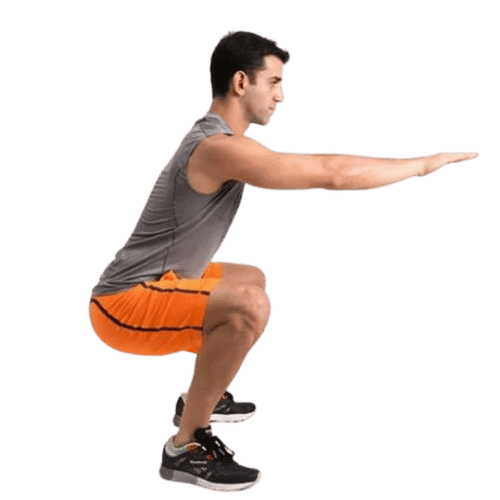
Credit: vertimax.com
Common Isometric Moves
Isometric exercises involve holding a position without moving. These moves help build strength and stability. They target muscles deeply and improve endurance. Common isometric exercises are easy to do anywhere. They suit beginners and advanced fitness levels.
Plank Variations
Planks engage the core, shoulders, and back muscles. Hold your body straight and tight like a board. Try side planks to focus on your obliques. Forearm planks reduce wrist strain. Plank variations challenge different muscle groups.
Wall Sits
Wall sits strengthen thighs and glutes. Slide your back down a wall until knees are bent at 90 degrees. Hold the position like sitting on an invisible chair. Keep your feet flat and back straight. This move builds lower body endurance.
Glute Bridges
Glute bridges work the hips and lower back. Lie on your back with knees bent and feet flat. Lift your hips until your body forms a straight line. Hold at the top to activate glutes fully. This exercise improves hip strength and posture.
Isometric Push-ups
Isometric push-ups focus on chest, arms, and shoulders. Lower yourself halfway and hold the position. Keep your core tight and body straight. This move increases muscle tension without moving. It builds strength and control.
Advanced Isometric Techniques
Advanced isometric techniques challenge your muscles in new ways. These exercises increase strength, stability, and endurance. They push your body beyond basic holds and improve control.
These methods involve adding resistance, isolating limbs, or combining isometrics with yoga poses. Each technique targets muscles differently and boosts overall fitness.
Static Holds With Resistance Bands
Resistance bands add tension during isometric holds. This extra force makes muscles work harder to stay still. Bands come in different strengths for all fitness levels.
- Loop a band around your limbs or body.
- Hold a position like a squat or plank.
- Maintain tension in the band throughout the hold.
- Focus on steady breathing and muscle engagement.
Single-limb Isometric Exercises
Using one limb increases difficulty and balance demands. Single-limb isometrics target smaller muscles and improve coordination. These exercises help fix muscle imbalances.
- Stand on one leg and hold a squat.
- Use one arm to press against a wall or object.
- Hold the position for 20-60 seconds.
- Switch limbs to train both sides evenly.
Isometric Yoga Poses
Yoga uses isometric holds to build strength and calm the mind. Holding poses like Warrior or Chair pose trains muscles without movement. This method improves flexibility and focus.
- Enter the yoga pose slowly and hold it.
- Engage the core and breathe deeply.
- Hold for 30 seconds to one minute.
- Repeat on the other side if needed.
Incorporating Isometrics In Workouts
Incorporating isometric exercises into your workout routine helps build strength without joint movement. These exercises improve muscle endurance and stability. They fit well with many training styles and goals. Knowing how to combine them with other exercises boosts workout effectiveness.
Combining With Dynamic Exercises
Pair isometric holds with dynamic movements to target muscles in different ways. For example, add a plank hold between push-up sets. This mix increases muscle activation and control. It also prevents workout boredom by adding variety.
Dynamic exercises improve mobility and cardiovascular health. Isometrics focus on muscle tension and endurance. Together, they create balanced and efficient workouts.
Creating Effective Isometric Circuits
Design circuits using several isometric exercises targeting different muscle groups. Include holds like wall sits, planks, and glute bridges. Rest briefly between exercises to maintain intensity.
- Choose 4-6 isometric moves.
- Hold each for 20-40 seconds.
- Repeat the circuit 2-3 times.
This approach builds strength and stamina. Circuits keep the heart rate up while focusing on muscle control.
Frequency And Duration Tips
Start with shorter hold times, around 10-15 seconds. Gradually increase to 30-60 seconds as strength improves. Aim to practice isometric exercises 3-4 times per week.
Listen to your body to avoid overtraining. Rest days help muscles recover and grow stronger.
Common Mistakes To Avoid
Isometric exercises offer many benefits but making mistakes reduces their effectiveness. Avoiding common errors helps you train safely and get better results. Pay attention to your body and technique during each exercise. Small errors can cause discomfort or injury over time.
Holding Breath
Holding your breath during isometric exercises increases blood pressure. It can cause dizziness or fainting in some people. Breathe slowly and evenly to keep oxygen flowing. Use deep breaths to stay relaxed and focused. Never hold your breath, especially during long holds.
Poor Form And Alignment
Bad posture reduces the exercise’s benefits and causes strain. Keep your spine straight and muscles engaged properly. Avoid slouching or locking your joints. Proper alignment protects your joints and muscles from injury. Use a mirror or ask for help to check your form.
Overtraining Risks
Isometric exercises stress muscles even without movement. Overdoing them can cause soreness and fatigue. Rest between sessions to allow muscles to recover. Start with shorter holds and fewer repetitions. Listen to your body and stop if you feel pain.

Credit: www.goldsgym.com
Tracking Progress With Isometrics
Tracking progress with isometric exercises helps you see real improvements. These exercises involve holding muscle contractions without moving joints. Measuring progress keeps motivation high and guides workout adjustments. It also shows how your strength and stability improve over time.
Measuring Strength Gains
Strength gains from isometrics show as you hold harder contractions. Use a simple scale from 1 to 10 to rate effort. Try pressing against an immovable object and note the force. Record changes in how strong the muscle feels over weeks. This method helps track muscle power without weights.
Using Timed Holds
Time how long you can hold an isometric position. Start with a comfortable hold and increase duration gradually. Write down your hold times after each session. Longer holds mean better muscle endurance and control. This measure is easy and shows clear progress.
Noticing Stability Improvements
Isometric exercises improve joint and core stability. Notice how steady your body feels during daily tasks or sports. Less wobbling or shaking means stronger stabilizer muscles. Test balance by standing on one leg or holding a plank. Stability gains reduce injury risk and improve movement quality.

Credit: valdperformance.com
Frequently Asked Questions
What Are The Main Types Of Isometric Exercises?
Isometric exercises include static holds, wall sits, planks, and static lunges. Each targets different muscle groups. These exercises involve muscle contraction without movement, enhancing strength and stability effectively.
How Do Isometric Exercises Benefit Muscle Strength?
Isometric exercises increase muscle strength by holding positions under tension. This builds endurance and stabilizes muscles. They improve joint support and reduce injury risk, making them ideal for rehabilitation and strength training.
Can Isometric Exercises Improve Flexibility And Posture?
Yes, isometric exercises enhance flexibility by holding stretches longer. They strengthen core muscles, promoting better posture. Regular practice improves muscle balance and alignment, which reduces back pain and improves overall body mechanics.
Are Isometric Exercises Suitable For Beginners?
Absolutely, isometric exercises are great for beginners. They require no equipment and low injury risk. Beginners can start with simple holds and gradually increase duration and intensity for strength gains.
Conclusion
Isometric exercises build strength without moving joints. They suit all fitness levels and needs. Hold steady positions to engage muscles deeply. Try wall sits, planks, or static holds. These exercises improve stability and muscle tone. You can do them almost anywhere, anytime.
Start slow, increase hold times gradually. Consistency helps muscles grow stronger over time. Simple, effective, and easy to fit into routines. Give isometric exercises a regular place in your workouts. Your body will thank you for it.







