
Are you ready to step onto your yoga mat but unsure where to begin? You’re not alone.
Starting something new can be intimidating, especially when it involves bending and stretching in unfamiliar ways. But here’s the good news: a yoga sequence for beginners doesn’t have to be complicated. It can be a gentle, welcoming experience that nurtures your body and mind.
Imagine feeling more relaxed, centered, and energized after just a few minutes. This isn’t just about the physical benefits; it’s about enhancing your overall well-being. Your first yoga sequence is the gateway to a healthier lifestyle, and it’s easier than you think. Stick with me, and you’ll discover how simple movements can transform your day, leaving you refreshed and ready for anything. Curious? Let’s dive into the flow.
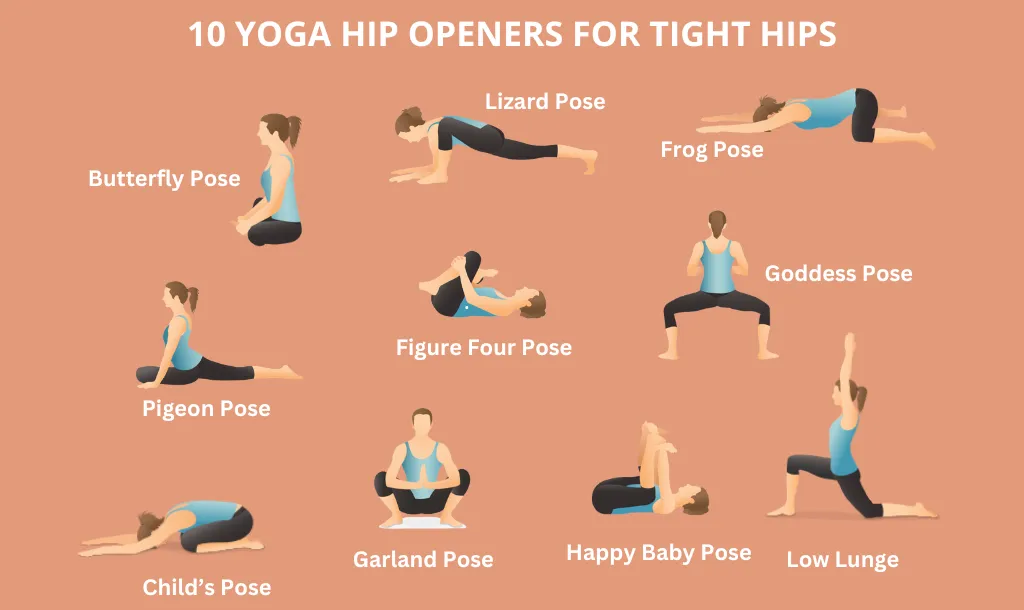
Credit: myyogateacher.com
Benefits Of Starting Yoga
Starting yoga can change the way you feel both physically and mentally. It’s not just about stretching or poses; it’s about building a connection with your body and mind. Many beginners find that even a short, regular practice brings surprising benefits quickly.
Improves Flexibility And Strength
Yoga gently stretches your muscles, helping you gain flexibility over time. You don’t need to be flexible at the start; yoga helps you get there safely.
Besides stretching, yoga builds strength by using your own body weight. This balanced approach means you become stronger without risking injury.
Reduces Stress And Anxiety
Have you ever noticed how deep breathing calms your mind? Yoga combines breath control with movement to ease tension.
Many beginners feel less anxious after just a few sessions. This calming effect can improve your focus and mood throughout the day.
Enhances Posture And Balance
Bad posture can cause pain and discomfort. Yoga teaches you to align your body correctly, which reduces strain on muscles and joints.
Balance poses in yoga improve your coordination. This can help prevent falls and make everyday activities easier.
Boosts Energy And Vitality
Feeling tired often? Yoga’s flow of movements increases blood circulation and oxygen delivery to your cells.
This natural boost can leave you feeling more awake and ready to tackle your daily tasks.
Supports Mindfulness And Self-awareness
Yoga asks you to focus on your breath and body, which brings you into the present moment.
This practice builds self-awareness, helping you notice how your body feels and what it needs. It’s a simple way to connect with yourself more deeply.
Preparing For Your First Practice
Starting yoga can feel exciting and a bit overwhelming. Preparing well helps create a positive experience. It builds confidence and sets a strong foundation for your journey. This section guides you through key steps to prepare for your first yoga session.
Choosing The Right Space
Pick a quiet place free from distractions. A clean and open area helps focus your mind. Make sure the floor is flat and comfortable. Natural light adds calmness and energy. Keep your space organized and welcoming.
Essential Yoga Gear
Wear loose, comfortable clothes that let you move freely. A good yoga mat provides grip and cushioning. Consider blocks or straps for support in poses. Have a water bottle nearby to stay hydrated. Keep a towel handy for sweat.
Setting Realistic Goals
Start with short sessions, about 15 to 20 minutes. Focus on learning basic poses and breathing. Avoid pushing too hard or expecting perfect results. Celebrate small progress and enjoy the process. Remember, consistency is more important than intensity.
Basic Yoga Poses For Beginners
Starting yoga can feel overwhelming, but focusing on basic poses helps you build confidence and strength. These simple postures are the foundation of any yoga practice and guide you in developing balance, flexibility, and mindfulness. Each pose offers unique benefits that prepare your body and mind for more advanced movements.
Mountain Pose
Mountain Pose might look simple, but it trains your body to stand tall and strong. Stand with your feet together, arms by your sides, and evenly distribute your weight. This pose improves posture and grounds your energy, making it a perfect starting point for any sequence.
Downward Dog
This pose stretches your entire body and builds upper body strength. Place your hands and feet on the floor, hips lifted high, forming an inverted V shape. It’s a great way to relieve tension and energize your muscles after sitting for long periods.
Child’s Pose
Child’s Pose offers a gentle stretch and a moment to rest between more active poses. Kneel on the floor, sit back on your heels, and stretch your arms forward while lowering your chest. Use this pose whenever you need to calm your mind or ease back tension during your practice.
Cat-cow Stretch
This flowing movement warms up your spine and improves flexibility. Alternate between arching your back (Cat) and dipping your belly (Cow) while on all fours. It’s an easy way to connect breath with motion and release stiffness in your back.
Warrior I
Warrior I builds strength and focus while opening your chest and hips. Step one foot forward and bend the knee, keeping the other leg straight behind you, arms reaching overhead. Feel your power grow as you hold this pose and steady your breath.
Tree Pose
Balance is key in Tree Pose. Stand tall, place one foot on the inner thigh of your opposite leg, and bring your hands together at your chest or overhead. This pose challenges your focus and stability, helping you find calm in stillness.
Seated Forward Bend
Sitting with your legs extended, gently reach toward your toes to stretch your hamstrings and lower back. Keep your spine long as you fold forward, avoiding any strain. This pose encourages relaxation and helps you release tension after standing or walking.

Credit: www.freepik.com
Creating A Simple Sequence
Creating a simple yoga sequence helps you build confidence and develop a personal practice without feeling overwhelmed. A well-structured sequence guides your body and mind through a smooth, enjoyable flow. Let’s break down how you can design a beginner-friendly routine that feels natural and effective.
Starting With Breathwork
Begin your sequence by focusing on breath. Simple breathing exercises, like deep inhales through the nose and slow exhales through the mouth, calm your mind and prepare your body. Have you noticed how your tension eases when you breathe deeply? That’s the power of breathwork.
Try sitting comfortably and taking 5 to 10 deep breaths before moving into any poses. This step helps center your attention and connects your breath to movement, which is key in yoga.
Flowing Through Poses
Choose a few basic poses that feel good for your body, such as Cat-Cow, Downward Dog, and Child’s Pose. Move slowly between these poses, linking each movement with your breath. This creates a gentle flow rather than a rushed workout.
Ask yourself: Does this sequence feel smooth and manageable? If a pose feels too difficult, swap it for a simpler one. The goal is steady progress, not perfection.
Incorporating Rest
Rest is just as important as movement. Add moments of stillness, like holding Child’s Pose or lying in Savasana, to let your body recover. These breaks prevent strain and deepen your relaxation.
How often do you pause during your practice to just breathe and feel your body? Even short rests can improve your focus and energy for the next pose.
Tips For Safe Practice
Practicing yoga safely is key for beginners. It helps prevent injuries and builds confidence. Paying attention to your body’s signals ensures a positive experience. Adjusting poses to fit your ability supports steady progress. Avoiding common errors keeps your practice effective and enjoyable.
Listening To Your Body
Feel what your body tells you during each pose. Stop if you sense pain or discomfort. Rest when you feel tired or strained. Yoga is about balance, not pushing too hard. Respect your limits and grow gradually.
Modifying Poses
Use props like blocks, straps, or cushions to make poses easier. Change the angle or depth to suit your flexibility. Simple changes help maintain proper form. Modifying poses reduces risk and builds strength safely.
Avoiding Common Mistakes
- Do not hold your breath; breathe smoothly and deeply.
- Avoid locking your joints; keep them soft and engaged.
- Keep your spine aligned to prevent strain.
- Warm up your body before starting intense poses.
- Don’t rush; move slowly and with control.
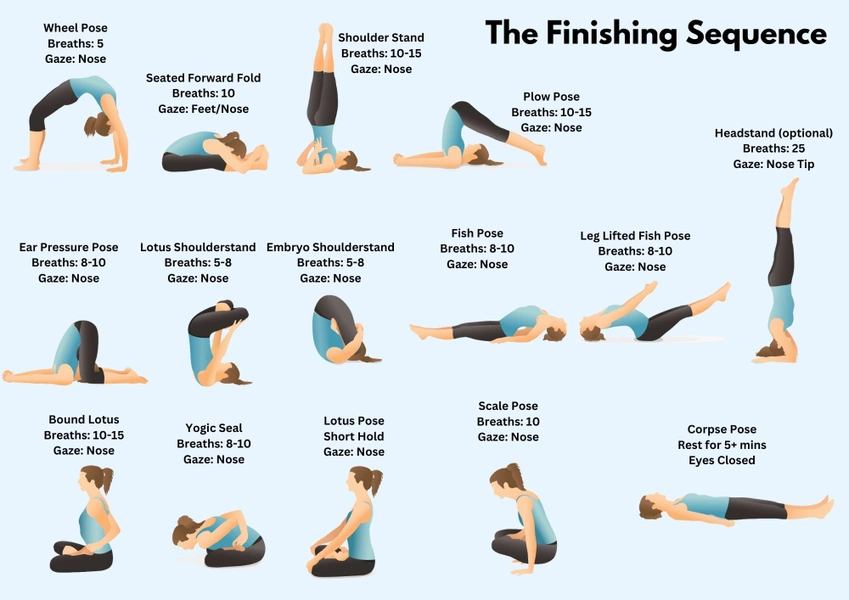
Credit: myyogateacher.com
Building Consistency
Building consistency in yoga practice helps create lasting habits. It brings steady progress and deeper understanding. Small, daily efforts add up over time. Consistent practice improves flexibility, strength, and calmness. It also reduces the chance of injury. Starting simple and regular is key to success.
Setting A Routine
Choose a specific time and place for yoga. Stick to that schedule as much as possible. Morning or evening work well for many people. Keep sessions short at first, around 10 to 15 minutes. This makes it easier to maintain the habit. Prepare your space with a mat and quiet area. A routine lowers the chance of skipping practice.
Tracking Progress
Record your yoga sessions in a journal or app. Note the poses, duration, and how you feel after practice. Tracking shows improvements and areas to focus on. It helps keep your goals clear and realistic. Celebrate small wins, like holding a pose longer. Progress tracking boosts confidence and keeps you engaged.
Staying Motivated
Set simple, achievable goals for each week. Focus on the joy of movement, not perfection. Join a beginner’s class or online group for support. Share experiences and tips with others who practice yoga. Change poses or try new sequences to avoid boredom. Remind yourself why you started and what you gain.
Frequently Asked Questions
What Is The Best Yoga Sequence For Beginners?
A beginner yoga sequence should focus on basic poses like Downward Dog, Child’s Pose, and Cat-Cow. These poses build strength, flexibility, and balance. Start with gentle stretches and hold each pose for 20-30 seconds. This helps ease your body into yoga practice safely.
How Long Should A Beginner Yoga Session Last?
Beginner yoga sessions should last between 20 to 30 minutes. This duration allows you to learn poses without strain. Consistent short sessions improve flexibility and reduce injury risk. Gradually increase session length as your comfort and skill improve.
How Often Should Beginners Practice Yoga?
Beginners should practice yoga 3 to 4 times per week. Regular practice builds strength and flexibility steadily. Consistency helps develop mindfulness and better breathing techniques. Avoid overdoing it to prevent soreness or injury.
Do Beginners Need Special Equipment For Yoga?
Beginners only need a yoga mat for comfort and stability. Optional items include yoga blocks and straps for support. Wear comfortable, stretchy clothing to allow easy movement. No expensive equipment is necessary to start practicing yoga.
Conclusion
Starting yoga brings calm and strength to your daily life. This beginner sequence helps build balance and focus. Practice regularly to see steady progress and feel better. Each pose supports your body and mind gently. Enjoy the journey, one step at a time.
Keep your breath steady and movements slow. Yoga grows with you, becoming part of your routine. Stay patient, kind, and open to learning more. Your body will thank you for the care. Simple steps lead to lasting wellness and peace.







