
Imagine feeling relaxed, flexible, and at peace with just a few simple yoga poses. Yin Yoga offers you that experience, even if you’re just starting out.
You don’t need to be a seasoned yogi to enjoy its benefits. Yin Yoga is all about slowing down and finding calm in the chaos of life. It’s perfect for beginners like you, looking to ease into a practice that not only stretches your body but also soothes your mind.
Curious about how to get started and what makes Yin Yoga so special? Stick around, and you’ll discover how easy it is to begin this transformative practice.
What Is Yin Yoga
Yin Yoga is a gentle yet powerful style of yoga that focuses on slow, deep stretches held for longer periods. It targets the connective tissues around your joints, such as ligaments, tendons, and fascia. This approach can help improve flexibility and joint mobility in a way that more active yoga styles do not.
What Makes Yin Yoga Different?
Unlike dynamic yoga practices, Yin Yoga requires you to stay still in each pose for several minutes. This stillness allows your body to relax deeply and encourages the release of tension stored in connective tissues. You might find this stillness challenging at first, but it’s where the real benefits happen.
Who Can Practice Yin Yoga?
Yin Yoga is suitable for almost everyone, especially if you want to balance a busy or physically demanding lifestyle. If you spend a lot of time sitting or doing intense workouts, Yin Yoga can help by stretching areas that often get tight. You don’t need to be flexible or experienced to start—patience and consistency matter more than flexibility.
How Does Yin Yoga Feel?
The poses in Yin Yoga are passive and slow, but they can feel intense in different ways. You might notice a deep stretch or a gentle discomfort that asks you to tune into your body’s limits. This sensation is different from pain; it’s about finding that edge where your body opens up without strain.
What Are The Benefits Of Yin Yoga?
- Improves joint mobility and flexibility
- Reduces stress by activating the parasympathetic nervous system
- Enhances circulation and energy flow
- Helps balance the body and mind
- Supports recovery from injuries and intense workouts
Have you ever felt stuck in your body or mind? Yin Yoga invites you to slow down and listen carefully. It’s a practice that teaches patience and presence, helping you uncover areas that need care.
Benefits Of Yin Yoga
Yin Yoga offers more than just a calm, slow-paced practice; it delivers deep benefits that touch both your body and mind. By holding poses for longer periods, you give your muscles and connective tissues a chance to release tension and regain flexibility. This gentle approach can transform how you feel physically and emotionally, especially if you’re new to yoga or need a break from high-intensity workouts.
Physical Advantages
Yin Yoga targets your deeper tissues, like ligaments and joints, which often get ignored in faster yoga styles. Holding poses for several minutes helps improve your joint mobility and flexibility over time.
You might notice less stiffness and better posture after a few sessions. It also helps reduce muscle soreness and promotes circulation, which speeds up recovery.
Think about how holding a deep stretch felt after a long day—Yin Yoga teaches you to stay there comfortably, allowing your body to unwind fully. Have you felt your body relax completely during a stretch before?
Mental And Emotional Perks
Yin Yoga encourages stillness, which gives your mind a chance to slow down and focus on the present moment. This practice can reduce stress and calm anxiety by activating your parasympathetic nervous system.
Holding poses quietly for minutes may challenge your patience, but it also builds mental resilience and self-awareness.
You might find yourself more grounded and better able to handle daily pressures. Have you ever noticed how sitting quietly can sometimes bring surprising clarity?
Essential Yin Yoga Poses
Essential Yin Yoga poses help beginners relax deeply and stretch gently. These poses target connective tissues like ligaments and joints. Holding each pose for several minutes improves flexibility and calmness.
Practice these four basic poses to start your Yin Yoga journey. They focus on opening hips, spine, and shoulders. Each pose encourages stillness and mindful breathing.
Butterfly Pose
Sit with the soles of your feet together and knees falling open. Keep your spine straight and fold forward slowly. This pose stretches the inner thighs and hips. Hold it for 3 to 5 minutes.
Dragonfly Pose
Sit with your legs spread wide apart on the floor. Flex your feet and slowly lean forward from the hips. Keep your back long, not rounded. This pose opens the hamstrings and lower back.
Sphinx Pose
Lie on your belly and prop your upper body on your forearms. Keep your elbows under your shoulders and lift your chest gently. This pose stretches the lower spine and helps improve posture. Hold it for a few minutes.
Child’s Pose
Kneel on the floor and sit back on your heels. Stretch your arms forward and rest your forehead on the mat. This pose calms the mind and gently stretches the back and hips. Stay here as long as feels comfortable.

Credit: www.youtube.com
How To Prepare For A Session
Preparing for a Yin Yoga session sets the tone for a more relaxed and focused practice. How you arrange your environment can deeply influence your ability to hold poses and stay present. Small adjustments before you begin can make a big difference in your comfort and concentration.
Creating A Calm Space
Choose a quiet area where you won’t be disturbed. Clear away clutter to help your mind settle. Soft lighting, like candles or dim lamps, can create a soothing atmosphere.
Think about what helps you feel calm. Maybe it’s gentle music or complete silence. Experiment to find what supports your focus best.
Choosing The Right Props
Props like bolsters, blocks, and blankets support your body during long holds. They help prevent strain and make poses accessible. For example, placing a block under your knees during a seated forward fold can ease tension.
Don’t worry if you don’t have special props; household items like pillows or rolled towels work well too. The goal is to stay comfortable and relaxed throughout the session.
Setting A Comfortable Temperature
Yin Yoga encourages stillness, so a room that’s too cold can make your muscles tense. Aim for a warm, cozy temperature to help your body soften. You might want to keep a blanket nearby for extra warmth during longer holds.
Have you noticed how temperature affects your ability to relax? Adjusting your environment to what feels good can help you sink deeper into each pose.
Step-by-step Yin Yoga Routine
Starting a Yin Yoga routine can feel gentle yet deeply effective. This slow-paced practice helps release tension and improve flexibility. Follow the steps below to create a calm and focused session. Each part supports your body and mind to relax fully.
Warm-up Tips
Begin with simple movements to prepare your muscles. Gentle stretches or light walking helps increase blood flow. Avoid intense exercises that tire your body before the session. Focus on calming your mind and noticing your breath. This sets a peaceful tone for Yin Yoga.
Pose Timing And Transitions
Hold each pose for three to five minutes to target deep tissues. Use a timer to keep track without checking the clock often. Move slowly and mindfully between poses to maintain relaxation. Avoid rushing or sudden movements to protect your joints. Rest in a neutral position briefly before changing poses.
Breathing Techniques
Breathe deeply and evenly to support each stretch. Inhale through your nose, filling your belly with air. Exhale slowly, letting go of tension in your body. Maintain a steady rhythm, matching your breath to your movements. Calm breathing helps you stay present and enhances the benefits of Yin Yoga.
Common Mistakes To Avoid
Yin Yoga feels slow and gentle, but beginners often make mistakes. These errors can cause discomfort or reduce benefits. Knowing what to avoid helps you enjoy Yin Yoga safely and fully.
Holding Poses Too Long
Yin Yoga involves holding poses for several minutes. Holding poses too long without listening to your body can cause strain. Start with shorter holds and increase time gradually.
Forcing Deep Stretching
Stretching too hard causes injury and tension. Yin Yoga encourages relaxing into the stretch, not pushing deeply. Let your body open naturally without force.
Ignoring Breath Awareness
Breath control calms the mind and supports poses. Forgetting to breathe deeply can increase tension. Focus on smooth, steady breaths during each pose.
Skipping Warm-up
Even gentle Yin Yoga needs a warm-up. Cold muscles are more prone to injury. Move gently or do light stretches before starting Yin poses.
Comparing Yourself To Others
Each body is different in flexibility and strength. Comparing limits causes frustration and risk. Focus on your own progress and comfort level.
Using Incorrect Props
Props help support poses and prevent strain. Using too many or wrong props can misalign your body. Choose simple props like blocks or cushions wisely.
Incorporating Yin Yoga Daily
Adding Yin Yoga to your daily routine can bring calm and balance to even the busiest days. It doesn’t require a lot of time or space, making it an easy habit to maintain. The key is to find ways that fit naturally into your schedule and lifestyle.
Short Practices For Busy Days
You don’t need an hour-long session to benefit from Yin Yoga. Even five to ten minutes of holding gentle poses can help release tension and improve flexibility.
Try these quick routines:
- Seated forward fold to calm the mind
- Reclining twist to release lower back tightness
- Butterfly pose to open hips gently
Ask yourself: How can these small moments of stillness change your day? Starting with short, consistent practices makes it easier to build a lasting habit.
Combining Yin With Other Yoga Styles
Yin Yoga pairs well with more active styles like Vinyasa or Hatha. It balances the dynamic flow with slow, deep stretches that target connective tissue.
For example, you might follow a vigorous morning Vinyasa session with a calming Yin sequence in the evening. This helps your body recover and prevents stiffness.
Think about how mixing different yoga styles can support your overall well-being. What combination would keep you motivated and physically balanced?
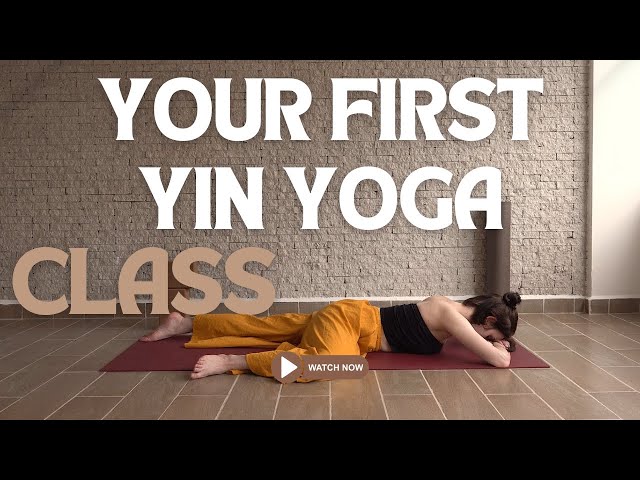
Credit: www.youtube.com
Who Should Skip Yin Yoga
Yin Yoga is gentle and slow, focusing on deep stretching. It suits many people but not everyone. Some health conditions or physical states may make Yin Yoga unsafe. Knowing who should skip Yin Yoga helps avoid injury and discomfort.
People With Recent Injuries
Yin Yoga holds poses for several minutes. This can stress muscles and joints. If you have a recent injury, avoid Yin Yoga until healed. Moving too slowly and deeply might worsen pain or damage.
Those With Joint Or Bone Issues
Yin Yoga targets connective tissues and joints. Conditions like arthritis or osteoporosis need caution. Long holds and deep stretches may cause discomfort or harm. Consult a doctor before trying Yin Yoga with these problems.
Pregnant Women In Later Trimesters
Pregnancy changes the body’s flexibility and balance. Yin Yoga poses can put pressure on the belly or back. Pregnant women, especially in late stages, should skip Yin Yoga or seek prenatal yoga classes.
People With Circulatory Problems
Yin Yoga slows down blood flow in held poses. Those with poor circulation or blood clots risk complications. Avoid Yin Yoga if you face these health issues without medical advice.
Individuals With Severe Mental Health Conditions
Yin Yoga promotes stillness and inward focus. For some with anxiety or PTSD, long holds may increase discomfort. Such individuals should avoid Yin Yoga or practice under guidance.

Credit: www.youtube.com
Frequently Asked Questions
What Is Yin Yoga And How Does It Benefit Beginners?
Yin Yoga is a slow-paced practice focusing on deep stretches. It improves flexibility, joint mobility, and relaxation. Beginners gain stress relief and body awareness through longer holds in poses. This practice complements active styles by balancing strength with calmness and flexibility.
How Long Should A Yin Yoga Session Last For Beginners?
A typical Yin Yoga session for beginners lasts 30 to 60 minutes. This duration allows for deep stretching and full relaxation. Holding each pose for 3 to 5 minutes helps increase flexibility and mindfulness without overexertion or discomfort.
What Are The Key Poses In Yin Yoga For Beginners?
Common Yin Yoga poses for beginners include Butterfly, Dragon, and Child’s Pose. These poses target hips, spine, and legs. They are accessible and help release tension gently. Practicing these regularly builds flexibility and calmness effectively.
How Often Should Beginners Practice Yin Yoga Weekly?
Beginners should practice Yin Yoga 2 to 3 times per week. Consistency promotes gradual flexibility and mental calmness. Overdoing it may cause discomfort, so balance with other exercises or rest days is important.
Conclusion
Yin yoga offers a gentle way to calm your mind and stretch your body. It suits all levels, especially beginners. Hold poses longer to feel deep relaxation and release tension. Practice regularly to improve flexibility and reduce stress. Remember to listen to your body and breathe deeply.
Start slow, enjoy the quiet moments, and find balance within. Yin yoga can bring peace and calm to your daily life. Give it a try and notice the small changes over time. Simple, slow, and steady works best.







