
Have you ever wondered about the best time to hit the gym after a meal? Timing your workout right can make all the difference in how you feel and perform.
If you’ve ever felt sluggish or cramped during exercise, you might be missing a crucial piece of the puzzle. We’ll dive into the science and secrets behind the optimal workout window after eating. Imagine feeling energized and at your peak performance every time you exercise.
Curious about how to achieve that? Keep reading, and you’ll discover the key to maximizing your workouts and getting the most out of every move.
Effects Of Eating On Exercise
Eating affects exercise in many ways. What you eat and when you eat can change your workout results. Understanding how digestion, energy, and body comfort work after a meal helps plan better exercise times. This section explains these effects clearly.
How Digestion Impacts Performance
After eating, your body works hard to digest food. Blood flows to your stomach and intestines. This reduces blood flow to muscles during exercise. Less blood in muscles can lower strength and speed. Heavy meals slow digestion and make you feel tired. Light meals digest faster and cause less distraction during exercise.
Energy Availability Post-meal
Food provides fuel for your body. Carbohydrates turn into glucose, the main energy source. After a meal, glucose enters your bloodstream. This boosts energy levels for exercise. Protein and fats take longer to digest and release energy slowly. Timing matters. Eating too close to exercise can delay energy use. Eating too early may leave you hungry during workouts.
Common Discomforts When Exercising Too Soon
- Stomach cramps from undigested food.
- Nausea caused by intense movement.
- Heartburn due to acid reflux.
- Feeling sluggish or heavy.
- Bloating and gas from poor digestion.
These discomforts reduce workout quality. Waiting allows digestion to progress and avoids these issues. Choosing the right time to exercise after eating keeps the body comfortable.
Credit: miradorsanjose.com
Ideal Waiting Periods
Knowing the ideal waiting period after eating helps improve workout performance. It also reduces discomfort like cramps or nausea during exercise. Different meals digest at different speeds. Choosing the right time to start your workout can make a big difference.
Light Meals And Snacks
Light meals and snacks digest quickly. Examples include fruit, yogurt, or a small sandwich. Wait about 30 minutes before exercising. This short wait helps avoid stomach upset. It gives your body time to start digesting and use energy.
Moderate Meals
Moderate meals include items like pasta, rice, or chicken with vegetables. These meals take longer to digest than snacks. Wait at least 1 to 2 hours before working out. This wait time lets your body break down food fully. It helps keep your energy steady during exercise.
Heavy Or High-fat Meals
Heavy meals often contain fried foods, large portions, or high-fat items. These meals take the longest to digest. Wait 3 to 4 hours before exercising. Starting too soon can cause cramps and sluggishness. Give your body enough time to digest fully for a better workout.
Meal Composition And Timing
Understanding how your meal composition affects your workout timing can change your exercise experience. What you eat before working out influences your energy levels, digestion, and overall performance. Timing your meals right helps you avoid discomfort and boosts the benefits of your workout.
Carbohydrates Vs. Protein
Carbohydrates are your body’s quick energy source. Eating carbs before a workout can fuel your muscles and keep you energized. However, large amounts right before exercise might cause stomach discomfort or sluggishness.
Protein, on the other hand, supports muscle repair and growth. Consuming protein before working out won’t give you immediate energy but helps recovery later. Combining moderate carbs with protein about 1 to 2 hours before exercise often works best.
Have you noticed how eating bread or fruit before a run feels different than eating a protein shake? That’s because carbs kick in faster, while protein builds strength over time.
Hydration Considerations
Hydration plays a crucial role in workout performance. Drinking water before and during exercise prevents fatigue and improves focus. But be careful not to drink too much right before you start, or you might feel bloated.
Electrolyte drinks can help if you sweat a lot or exercise for longer than an hour. Think about your sweat rate and the workout intensity when deciding how much and what to drink.
Pre-workout Snack Ideas
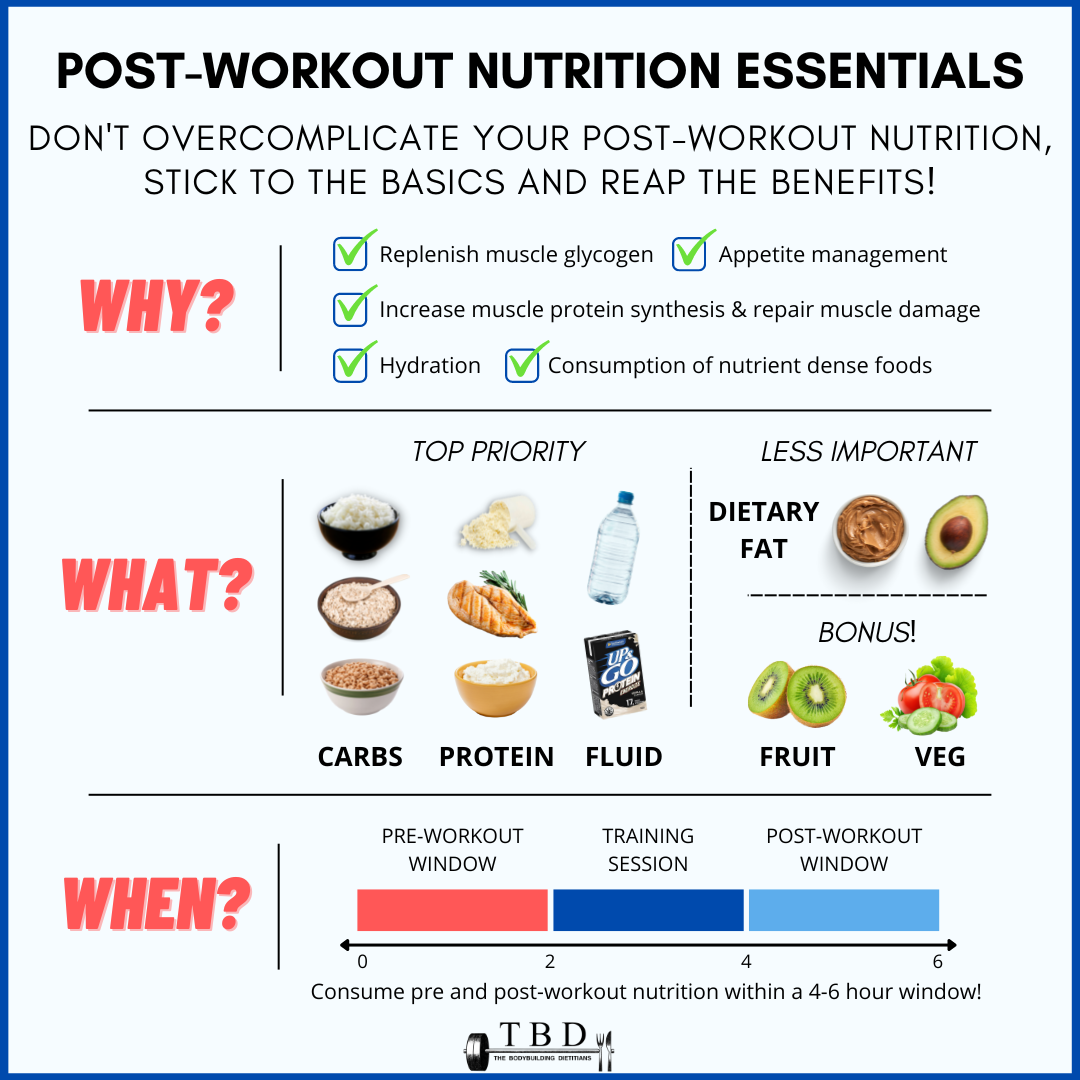
Choosing the right snack can make your workout smoother and more effective. Here are some simple, balanced options to try:
- A banana with a spoonful of peanut butter
- Greek yogurt with berries
- Whole grain toast with a slice of turkey
- Oatmeal topped with sliced almonds
- A small smoothie with spinach, fruit, and protein powder
Try to eat these snacks 30 to 60 minutes before you exercise. Notice how your body reacts—some people prefer lighter snacks closer to workout time, while others need more time to digest.

Credit: visapoint.travel
Workout Types And Timing
Choosing the right time to work out after eating depends on the type of exercise you plan to do. Different workouts demand different energy levels and digestion times. Understanding these needs helps improve your performance and comfort during exercise.
Cardio Sessions
Cardio exercises like running or cycling require steady energy. Light meals or snacks 30 to 60 minutes before cardio work well. Heavy meals may cause discomfort or sluggishness. Wait at least 1 to 2 hours after a large meal before intense cardio. This timing helps avoid cramps and nausea.
Strength Training
Strength training needs fuel for muscle power and recovery. Eating a balanced meal 1 to 2 hours before lifting weights is ideal. Focus on foods with protein and carbs. For lighter sessions, a small snack 30 minutes prior is enough. Avoid working out immediately after heavy meals to prevent sluggishness.
High-intensity Interval Training
High-intensity interval training (HIIT) pushes your body hard. It requires quick energy and good digestion. Wait 1 to 3 hours after eating a full meal before HIIT. A small snack 30 to 60 minutes before can boost energy. Exercising too soon after eating may cause stomach upset or fatigue.
Individual Factors To Consider
Figuring out the best time to work out after eating isn’t a one-size-fits-all situation. Your body’s unique traits play a big role in how soon you should hit the gym or go for a run after a meal. Paying attention to these individual factors helps you avoid discomfort and get the most from your workout.
Metabolism Variations
Your metabolism controls how fast your body processes food and converts it to energy. Some people burn calories quickly, so they might feel ready to exercise sooner after eating. Others may need more time to digest before feeling comfortable moving intensely.
Think about how long it usually takes before you feel energized or sluggish after a meal. Have you noticed if certain foods speed up or slow down your digestion? Tracking these patterns can guide your timing.
Age And Fitness Level
Age affects digestion speed and energy levels. Younger individuals tend to recover faster and can often exercise sooner after eating. Older adults might need to wait longer for digestion to avoid discomfort or sluggishness.
Your fitness level also matters. If you’re new to exercise, waiting longer after meals can prevent nausea or cramps. Experienced athletes often train with less downtime because their bodies adapt better to digestion during movement.
Personal Comfort And Preferences
How you feel during and after eating should influence your workout timing. If you experience bloating, heaviness, or sluggishness, it’s a sign to wait a bit longer. On the other hand, some people feel best exercising soon after a light snack.
Ask yourself: Do you perform better on a full stomach or with a bit of hunger? Experiment with different meal sizes and timing to find what suits you. Your comfort is key to staying consistent and motivated.
Tips To Maximize Energy
Maximizing energy for workouts after eating requires smart choices and awareness. The right timing and food can improve your strength and stamina. These tips help you get the most from your meals and workouts. Simple habits create better energy levels and make exercise more effective.
Meal Planning For Workouts
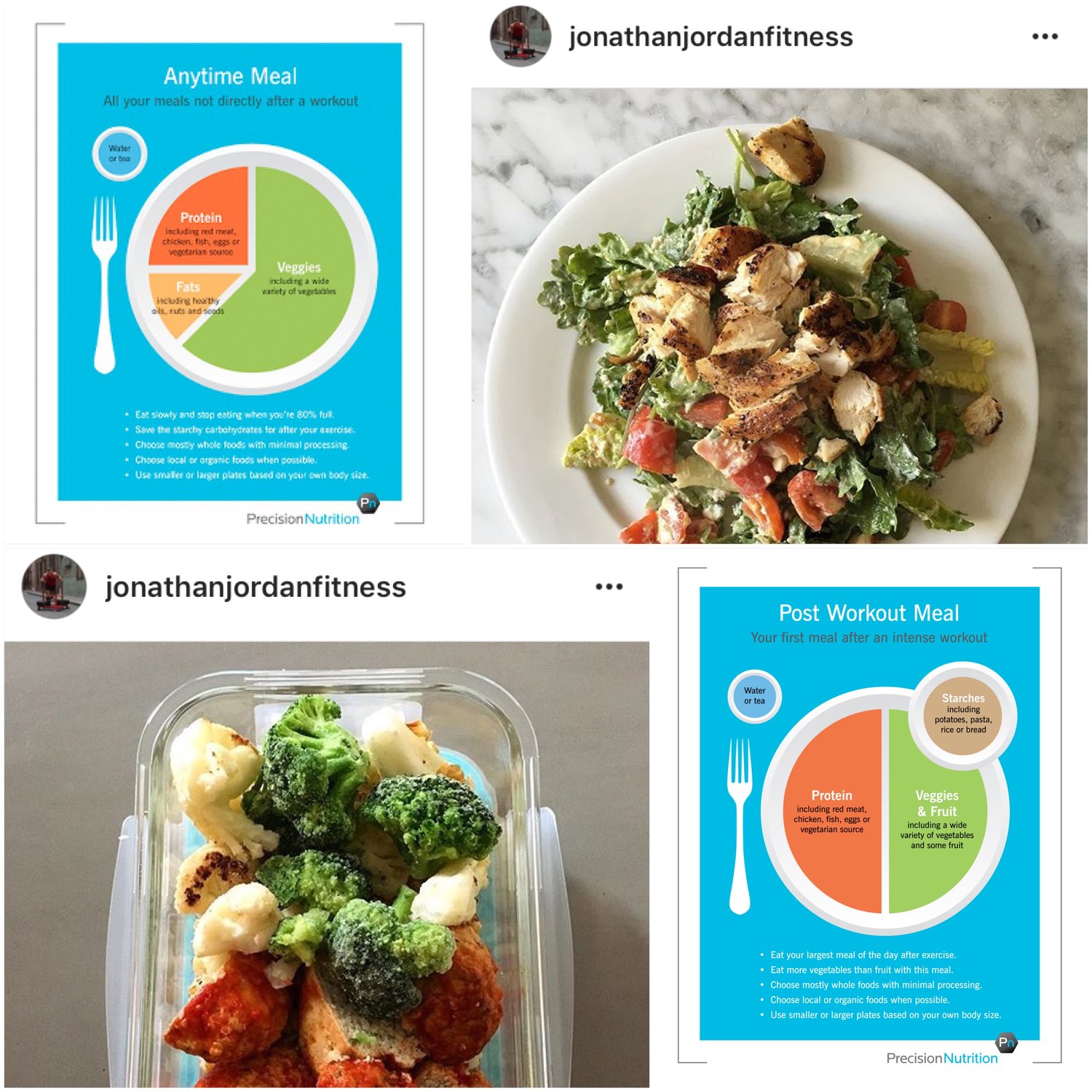
Choose foods that digest quickly before exercise. Opt for carbohydrates and lean proteins. Avoid heavy, fatty meals that slow digestion. Eat small portions to prevent discomfort. Plan your meal at least 1 to 2 hours before working out. This timing helps fuel your muscles without causing bloating or cramps.
Listening To Your Body
Pay attention to how your body reacts after eating. Notice if you feel sluggish or energized. Adjust meal size and timing based on your energy levels. Rest if you feel tired or bloated. Drink water to stay hydrated and support digestion. Trust your feelings to guide your workout schedule.
Adjusting Based On Results
Track your energy and performance after different meals and timings. Note which foods give you the best boost. Change your eating habits based on these observations. Experiment with meal composition and timing for optimal results. Keep a simple journal to record your experiences. This helps fine-tune your routine for sustained energy.
Credit: visapoint.travel
Frequently Asked Questions
How Long Should I Wait To Workout After Eating?
Wait at least 30 minutes to 2 hours after eating. This depends on meal size and food type. Light snacks require less time, while heavy meals need longer digestion before exercising.
Can I Exercise Immediately After A Meal?
Exercising right after a heavy meal can cause discomfort. It may lead to cramps, nausea, or indigestion. Light activities like walking are okay, but avoid intense workouts immediately after eating.
What Is The Best Meal Size Before A Workout?
A small to moderate meal is ideal before workouts. Large meals can slow digestion and reduce performance. Focus on balanced meals with carbs, protein, and minimal fat for best results.
Does Meal Composition Affect Workout Timing?
Yes, meals high in fats or proteins take longer to digest. Carbohydrate-rich meals digest faster and allow earlier workouts. Adjust your exercise time based on what you eat for comfort and energy.
Conclusion
Choosing the right time to workout after eating helps your body feel good. Wait at least 30 minutes after a small meal. For bigger meals, give yourself 1 to 2 hours. This helps avoid stomach pain and boosts energy. Everyone’s body is different, so listen to how you feel.
Find the balance that works best for you. Stay consistent and enjoy your workouts safely. Your health and comfort come first.







