
Are you tired of struggling to find the perfect workout routine that fits into your busy schedule? Imagine transforming your entire body in just three days a week.
Yes, it’s possible! A full-body workout, done three times a week, can be the game-changer you’ve been looking for. Whether you’re a fitness newbie or a seasoned gym-goer, this approach offers flexibility, efficiency, and impressive results. Curious about how to maximize your gym time and achieve your fitness goals without the overwhelm?
Keep reading to discover how you can make every workout count and see the transformation you’ve been dreaming of.
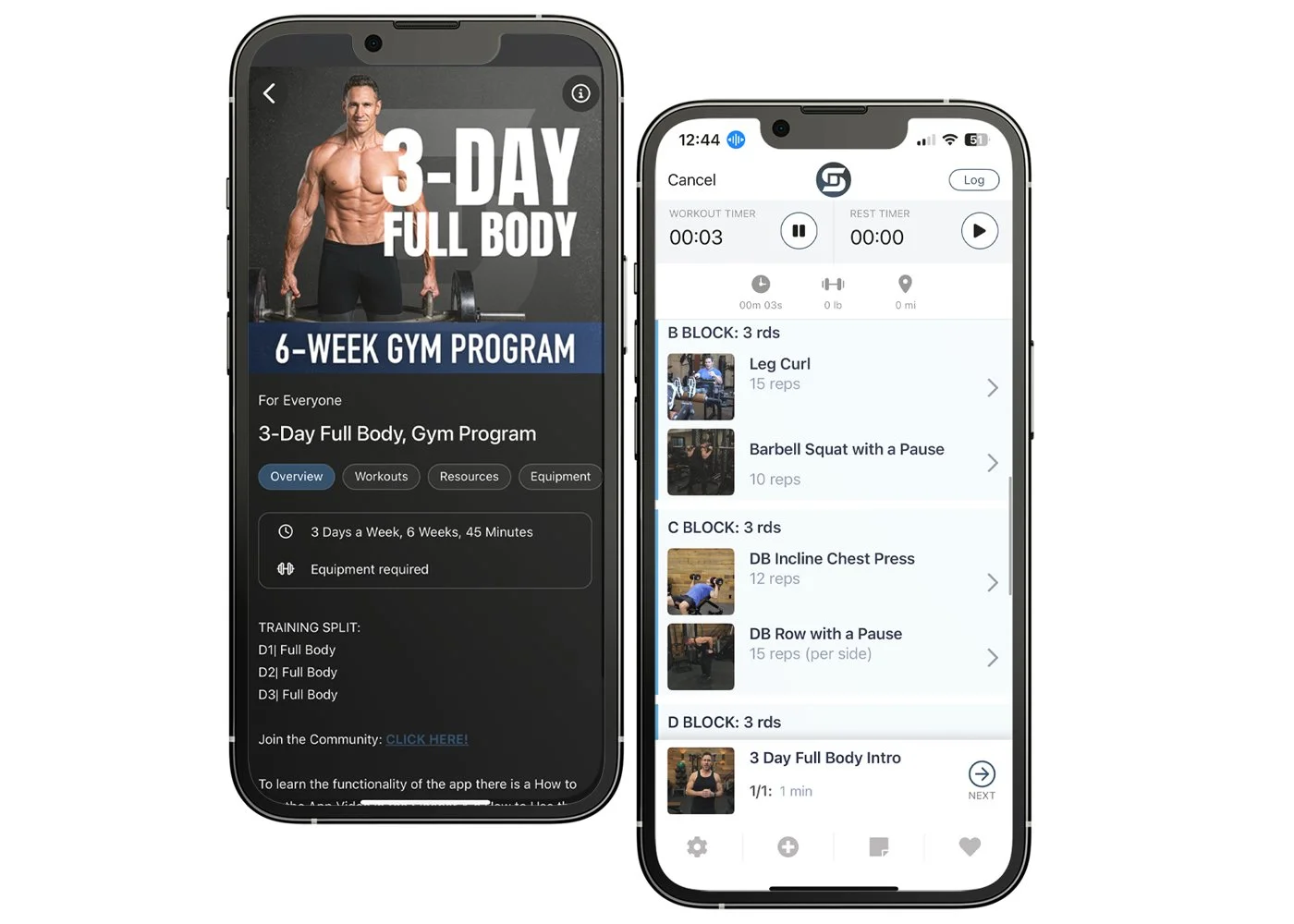
Credit: donsaladino.com
Benefits Of Full Body Workouts
Full body workouts offer many benefits for people exercising three times a week. These workouts engage multiple muscle groups at once. This approach improves overall fitness and strength efficiently. It fits well into busy schedules and supports long-term health goals.
Boosting Metabolism
Full body workouts raise your metabolism by working large muscles. This increases calorie burn during and after exercise. A higher metabolism helps with weight management. It also improves energy levels throughout the day.
Enhancing Muscle Tone
Training all major muscle groups creates balanced muscle tone. It reduces the risk of muscle imbalances that cause injuries. Muscle tone improves body shape and posture. This makes daily movements easier and more comfortable.
Saving Time With Efficiency
Full body workouts are time-efficient. You work multiple muscles in one session. This reduces the need for long workouts or multiple gym visits. It suits busy lifestyles and keeps workout routines simple and effective.

Credit: www.majorfitness.com
Why Choose Three Days A Week
Choosing to work out three times a week offers a powerful balance between effectiveness and manageability. It gives your body enough time to recover while keeping you consistently active. This approach helps prevent burnout and keeps your motivation high over the long term.
Balancing Recovery And Activity
Working out every day can leave your muscles tired and increase the risk of injury. Three sessions per week provide sufficient workout intensity while giving your body time to heal. This balance helps you build strength and endurance without feeling drained or overwhelmed.
Think about how your body feels after a tough workout. Do you notice soreness that lasts for days? That’s a sign your body needs rest. Scheduling workouts with recovery days in between can boost your overall progress.
Sustainable Workout Frequency
Many people start with ambitious plans but struggle to keep up. Exercising three times weekly is easier to maintain over months and years. It fits naturally into your lifestyle, making it less likely you’ll skip sessions or give up.
Imagine sticking to a workout plan that feels doable rather than overwhelming. You are more likely to enjoy your workouts, which means better consistency. Consistency beats intensity when it comes to lasting fitness results.
Fitting Workouts Into Busy Schedules
Your days are probably packed with work, family, and social commitments. Three full-body workouts a week can fit into even the busiest calendars. They don’t require hours at the gym—just focused, efficient sessions.
- Early morning workouts before the day starts
- Quick lunchtime sessions
- Evening workouts after work
How often do you find yourself saying there’s no time to exercise? Three workouts a week can change that mindset by making fitness achievable and realistic.
Key Components Of Fat-burning Workouts
Fat-burning workouts focus on moving your body in ways that burn calories and build muscle. These workouts combine different exercises to keep your heart rate up and challenge your muscles. Effective fat burning involves targeting multiple areas of fitness in one session. Here are the key components that make fat-burning workouts work well.
Incorporating Strength Training
Strength training builds muscle, which helps burn more calories even at rest. Using weights or bodyweight exercises improves muscle tone and increases metabolism. Strong muscles support your joints and improve overall fitness. Focus on big muscle groups like legs, back, and chest for the best results.
Adding Cardiovascular Elements
Cardio exercises raise your heart rate and improve endurance. Activities like running, cycling, or jumping rope increase calorie burn during and after workouts. Cardio helps your body use fat as fuel and strengthens your heart and lungs. Mix steady-state cardio with other exercises for balance.
Using High-intensity Intervals
High-intensity interval training (HIIT) alternates short bursts of intense effort with rest. HIIT boosts calorie burn in less time and keeps your metabolism high after exercise. This method combines strength and cardio for efficient fat loss. Quick, intense intervals challenge your body and prevent boredom.

Credit: x.com
Sample Full Body Workout Plan
Having a clear workout plan makes it easier to stay consistent and see real progress. A full body workout done three times a week hits all major muscle groups without overwhelming your schedule. Here’s a sample plan designed to balance strength, cardio, core stability, and endurance, helping you build a well-rounded fitness base.
Day 1: Strength And Cardio Mix
This day targets your muscles while getting your heart rate up. Combining strength exercises with cardio intervals keeps your metabolism active long after the workout.
- Squats– 3 sets of 12 reps
- Push-ups– 3 sets of 10-15 reps
- Dumbbell Rows– 3 sets of 12 reps each arm
- Jump Rope– 30 seconds on, 30 seconds rest, repeat 5 times
- Mountain Climbers– 3 sets of 20 seconds
Notice how alternating between lifting and cardio exercises keeps you engaged? This approach helps avoid burnout and keeps your energy high throughout the session.
Day 2: Core And Stability Focus
Strong core muscles improve posture and reduce injury risk. Focusing on stability exercises strengthens your foundation for all movements.
- Plank– Hold for 30-45 seconds, repeat 3 times
- Bird Dog– 3 sets of 10 reps per side
- Russian Twists– 3 sets of 20 twists
- Glute Bridges– 3 sets of 15 reps
- Side Plank– Hold for 20-30 seconds each side, 3 times
Have you ever felt your back or hips ache after workouts? Strengthening your core could be the missing piece to exercise pain-free and with better form.
Day 3: Power And Endurance
This day pushes your limits with explosive moves and longer sets to build stamina. It’s designed to help you move faster and last longer.
- Burpees– 3 sets of 10 reps
- Kettlebell Swings– 3 sets of 15 reps
- Jump Lunges– 3 sets of 12 reps per leg
- High Knees– 3 sets of 30 seconds
- Push-up to T-Plank– 3 sets of 8-10 reps
Feeling challenged on this day? That’s a good sign. Pushing through tough workouts builds resilience you can apply beyond the gym.
Nutrition Tips To Support Fat Loss
Supporting fat loss with the right nutrition is just as important as your workout routine. What you eat fuels your body, aids recovery, and helps you stay energized for those three weekly full-body sessions. Let’s dive into practical tips that can make your nutrition work harder for your fat loss goals.
Eating For Energy And Recovery
Your body needs the right balance of nutrients to perform well and recover quickly. Focus on eating lean proteins like chicken, fish, or beans to help rebuild muscles after workouts.
Don’t skip on complex carbs such as sweet potatoes, brown rice, or oats—they provide steady energy without the crash. Healthy fats from avocados, nuts, and olive oil support hormone balance, which plays a role in fat loss.
Have you noticed how skipping meals leaves you drained? Eating balanced meals keeps your energy stable and prevents overeating later in the day.
Hydration Strategies
Water is often overlooked but plays a key role in fat loss and workout performance. Drinking enough water helps control hunger and improves your metabolism.
Try to drink at least 8 glasses a day, and increase that amount around workouts. If you sweat a lot, consider adding an electrolyte drink to replace lost minerals.
How often do you reach for sugary drinks instead of water? Swapping those out can make a big difference in your fat loss journey.
Timing Meals Around Workouts
Eating at the right times can boost your workout results and speed up recovery. Aim to have a meal or snack with carbs and protein about 1-2 hours before exercising.
After your workout, eat a protein-rich meal within 30-60 minutes to help your muscles recover and reduce soreness. This timing helps your body use nutrients efficiently.
Have you experimented with meal timing? Adjusting when you eat could be the key to feeling stronger and losing fat faster.
Tracking Progress And Staying Motivated
Tracking progress and staying motivated are key to a successful three times a week full body workout. Seeing improvements keeps energy high and builds confidence. Without tracking, it is easy to lose sight of how far you have come. Motivation often fades when results seem slow. Monitoring your workout journey helps maintain focus and drive.
Using Fitness Metrics
Measure your strength, endurance, and flexibility regularly. Track weights lifted, reps completed, and workout duration. Use a journal or fitness app to record data. Notice trends over weeks and months. Small gains show that your efforts are working. Metrics provide clear evidence of progress.
Setting Realistic Goals
Create goals that are achievable and specific. Break big goals into smaller steps. For example, aim to increase weight by 5 pounds every two weeks. Set time-based targets, like completing a workout without breaks. Realistic goals keep motivation steady. Celebrate each milestone to stay encouraged.
Overcoming Plateaus
Plateaus happen when progress slows or stops. Change your workout routine to break through. Add new exercises or increase intensity. Focus on different muscle groups each session. Rest and nutrition also help overcome plateaus. Patience and consistency will lead to new gains.
Frequently Asked Questions
How Effective Is A 3 Times A Week Full Body Workout?
A 3 times weekly full body workout efficiently builds strength and improves fitness. It targets all major muscles, allowing recovery days. This routine suits busy schedules, promoting consistent progress and balanced muscle development without overtraining.
What Are The Best Exercises For Full Body Workouts?
Effective full body workouts include squats, deadlifts, push-ups, pull-ups, and planks. These exercises engage multiple muscle groups simultaneously. They enhance strength, endurance, and flexibility, providing a balanced and time-efficient training session.
Can Beginners Do Full Body Workouts Three Times Weekly?
Yes, beginners can safely perform full body workouts three times a week. Start with lighter weights and focus on proper form. This routine helps build foundational strength and endurance while allowing adequate recovery.
How Long Should Each Full Body Workout Last?
Each full body workout should last between 45 to 60 minutes. This duration allows for warm-up, exercise sets, and cool-down. It balances intensity and recovery, maximizing workout effectiveness and preventing fatigue.
Conclusion
Working out three times a week helps build strength and stay healthy. It saves time and fits busy schedules well. Full body workouts activate many muscles at once. This approach improves fitness faster than splitting workouts daily. Keep your routine steady and enjoy better energy and mood.
Small steps lead to big results over time. Stick with it, and your body will thank you. Simple, regular exercise makes a real difference.







