
Are you curious about the keto diet but unsure where to begin? You’re not alone.
With so much information out there, starting a new diet can feel overwhelming. But imagine a world where you can enjoy delicious meals while achieving your health goals. Sounds appealing, right? What if you could kickstart your keto journey without spending a dime on meal plans or guides?
In this post, you’ll discover a simple, free keto diet plan designed especially for beginners like you. Get ready to transform your eating habits, boost your energy, and embrace a healthier lifestyle. Keep reading to uncover the secrets of making keto work for you, without the usual headaches.

Credit: www.theharvestskillet.com
What Is The Keto Diet
The Keto Diet is a low-carb, high-fat eating plan that shifts your body’s energy source from carbohydrates to fats. This change helps your body enter a state called ketosis, where it burns fat for fuel instead of sugar. Many beginners find this approach helpful for weight loss and increased energy levels.
What Does The Keto Diet Involve?
At its core, the Keto Diet focuses on drastically reducing your carb intake—usually to around 20-50 grams per day. You then increase healthy fats like avocados, nuts, and olive oil. Protein stays moderate to avoid kicking you out of ketosis.
- High fat (70-80% of daily calories)
- Moderate protein (20-25%)
- Very low carbs (5-10%)
How Does Ketosis Work?
When your body runs low on carbs, it turns to fat for energy. Your liver breaks down fat into ketones, which your brain and muscles use as fuel. This process can improve focus and reduce hunger.
Have you noticed how some days you feel more alert after skipping carbs? That’s ketosis at work.
What Foods Can You Eat On Keto?
Choosing the right foods is key to staying in ketosis. You’ll want to eat:
- Meats like chicken, beef, and pork
- Fatty fish such as salmon and mackerel
- Low-carb vegetables like spinach, kale, and broccoli
- Healthy fats including butter, cheese, and coconut oil
Notice what’s missing? Bread, pasta, rice, and most fruits are off the list.
Is The Keto Diet Right For You?
Not everyone reacts the same way to keto. Some people feel energized, while others may experience fatigue or digestive changes at first. What’s important is listening to your body and adjusting your plan.
Could cutting carbs this way fit into your lifestyle? Think about your daily routine and food preferences before diving in.
Benefits Of Keto For Beginners
The keto diet offers clear benefits, especially if you’re just starting out. It’s not just about cutting carbs; it’s about changing how your body uses energy. Many beginners notice improvements quickly, which keeps motivation high and makes the diet easier to stick with.
Improved Energy And Mental Clarity
Switching to keto often leads to more stable energy levels throughout the day. Without the usual carb crashes, your mind feels sharper and more focused. I remember feeling foggy during afternoons before keto, but now, I power through work without reaching for coffee.
Effective Weight Loss Without Starving
Unlike many diets, keto helps you feel full longer by focusing on healthy fats and proteins. This reduces hunger and cravings naturally. If you’ve tried dieting before and felt constantly hungry, keto might surprise you with how satisfying meals can be.
Better Blood Sugar Control
For beginners, keto can help balance blood sugar levels, which is great if you struggle with energy dips or insulin sensitivity. Lower carbs mean fewer spikes and crashes. This can make daily life feel more stable and less exhausting.
Simple Meal Planning And Preparation
Starting keto doesn’t mean complex recipes or expensive ingredients. Many keto-friendly meals are easy to prepare with common foods like eggs, cheese, and vegetables. Have you ever found a diet that’s both effective and simple to follow?
Supports Healthy Heart Function
Though it might seem surprising, keto can improve heart health markers like cholesterol when done right. It encourages eating whole foods and healthy fats, which help maintain good cholesterol levels. This benefit often motivates beginners to stay consistent.
Foods To Eat On Keto
Choosing the right foods is key to starting a keto diet. Focus on foods low in carbs but rich in fats and proteins. These foods help your body reach ketosis, a state where fat burns for energy instead of carbs. Eating the right foods keeps you full and energized throughout the day.
High-fat Foods
- Avocados
- Olive oil
- Coconut oil
- Butter and ghee
- Cheese (cheddar, mozzarella, cream cheese)
- Nuts and seeds (almonds, walnuts, chia seeds)
- Heavy cream
- Fatty fish (salmon, mackerel, sardines)
Low-carb Vegetables
- Spinach
- Kale
- Broccoli
- Cauliflower
- Zucchini
- Bell peppers
- Asparagus
- Mushrooms
Protein Sources
- Eggs
- Chicken
- Beef
- Pork
- Turkey
- Seafood (shrimp, crab, lobster)
- Tofu and tempeh (for plant-based keto)
Credit: www.etsy.com
Foods To Avoid
A keto diet focuses on low carbs and high fats. Avoiding certain foods helps keep your body in ketosis. These foods can raise blood sugar and stop fat burning. Knowing what to skip is key for beginners.
Sugary Items
Sugar adds many carbs and spikes insulin levels. Common sugary foods to avoid:
- Candy and sweets
- Soda and fruit juices
- Cakes, cookies, and pastries
- Ice cream and sweetened yogurt
These foods can quickly kick you out of ketosis.
Grains And Starches
Grains contain high carbs that block ketosis. Avoid these grains and starches:
- Bread and pasta
- Rice and corn
- Potatoes and sweet potatoes
- Oats and cereals
These foods digest into sugars and raise blood glucose.
High-carb Fruits
Some fruits have more sugar than others. Limit these high-carb fruits:
- Bananas
- Grapes
- Mangoes
- Cherries
Choose low-carb fruits like berries for keto-friendly options.
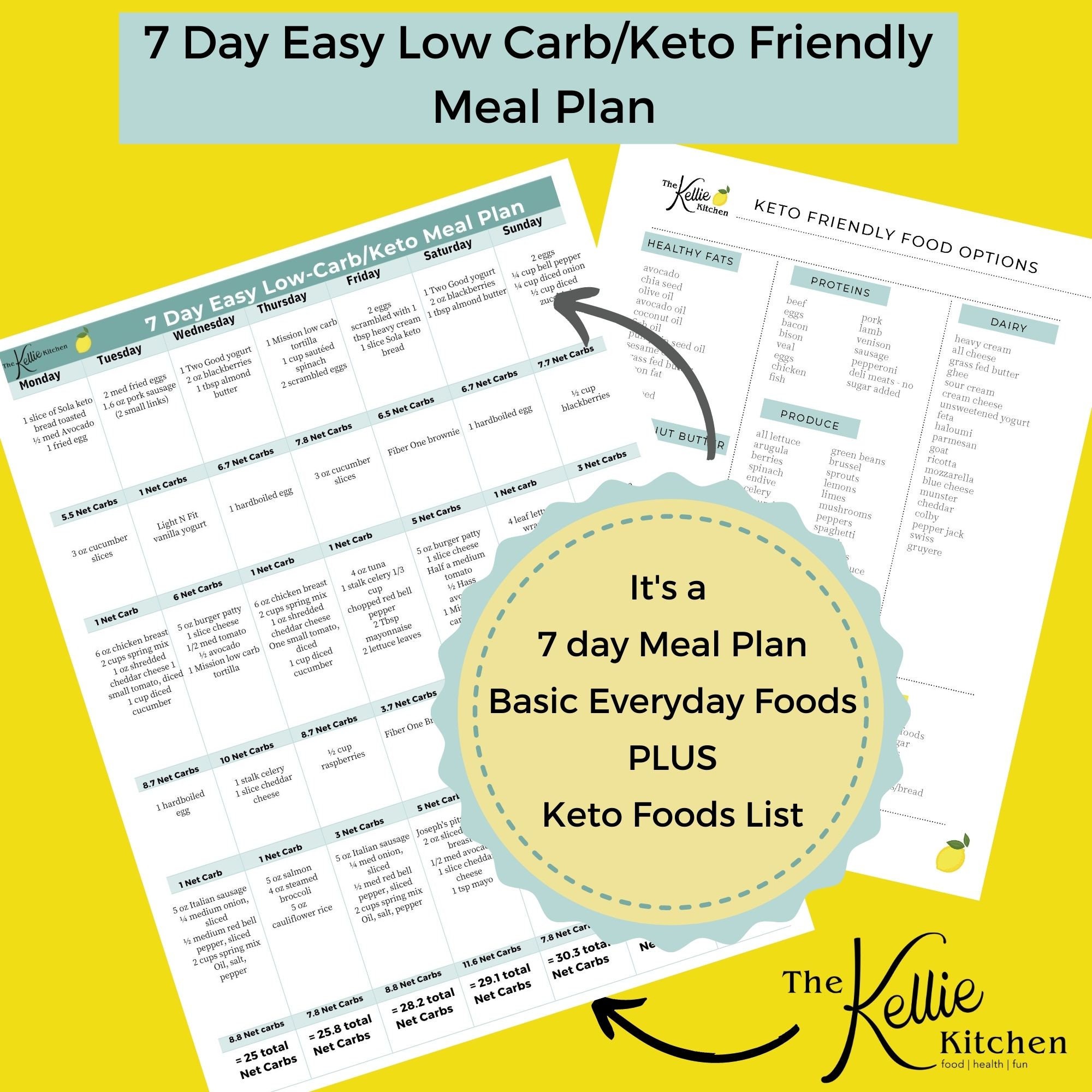
Simple Keto Meal Plan
A simple keto meal plan helps beginners start the keto diet easily. It focuses on low-carb, high-fat meals to keep the body in ketosis. Meals are easy to prepare and taste great. This plan avoids complicated recipes or hard-to-find ingredients. It supports steady energy and weight loss while keeping hunger at bay.
Breakfast Ideas
- Scrambled eggs with spinach and cheese
- Avocado slices with smoked salmon
- Greek yogurt topped with chia seeds and nuts
- Bacon and eggs cooked in butter
- Keto-friendly smoothie with coconut milk and berries
Lunch Options
- Grilled chicken salad with olive oil dressing
- Zucchini noodles with pesto and cherry tomatoes
- Cauliflower rice bowl with beef and avocado
- Egg salad wrapped in lettuce leaves
- Cheese and cold cuts platter with pickles
Dinner Recipes
- Baked salmon with asparagus and lemon
- Stuffed bell peppers with ground turkey and cheese
- Chicken thighs roasted with garlic and herbs
- Beef stir-fry with broccoli and soy sauce
- Cauliflower crust pizza topped with mozzarella and veggies
Snack Suggestions
- Mixed nuts and seeds
- Cheese sticks or cubes
- Hard-boiled eggs
- Olives and pickles
- Celery sticks with cream cheese
How To Track Macros
Tracking macros is essential on a keto diet because it helps you maintain the right balance of fats, proteins, and carbs. Without tracking, you might accidentally eat too many carbs and kick yourself out of ketosis. Learning how to track macros correctly can make your keto journey smoother and more effective.
Understanding Your Macro Goals
First, you need to know your daily macro targets. Typically, keto macros are about 70-75% fat, 20-25% protein, and 5-10% carbs. These percentages can change depending on your weight, activity level, and goals.
Use an online keto calculator to get personalized numbers. Write them down or save them on your phone for easy access throughout the day.
Using Apps To Track Macros
Tracking macros manually can be confusing and time-consuming. Apps like MyFitnessPal, Carb Manager, or Cronometer simplify the process. They let you scan barcodes, log meals, and see your macro breakdown instantly.
Pick an app that feels easy to use and stick with it. Consistency is more important than perfection when you’re starting out.
Reading Nutrition Labels
Nutrition labels are your best friend for accurate macro tracking. Check serving sizes carefully and note the grams of fat, protein, and carbs. Don’t forget to subtract fiber from total carbs to get net carbs, the number that impacts ketosis.
Once you understand labels, grocery shopping becomes less stressful. You’ll quickly spot keto-friendly foods without second-guessing.
Tracking Macros Without A Scale
A food scale is helpful but not always necessary. You can estimate portions using common objects: a palm-sized piece of meat, a thumb-sized amount of cheese, or a cup of leafy greens. This method keeps you flexible, especially when eating out or on the go.
Ask yourself: How often do you rely on exact measurements? Sometimes, learning to eyeball portions can make keto feel less rigid and more sustainable.
Adjusting Macros Based On Progress
Your macro needs might change as you lose weight or increase activity. Track your progress weekly and adjust accordingly. If you hit a plateau, try lowering carbs a bit or tweaking protein intake.
Remember, keto is not one-size-fits-all. Pay attention to how your body responds and make small changes to stay on track.
Common Challenges And Tips
Starting a keto diet can feel overwhelming. You might face unexpected hurdles that test your commitment. Understanding common challenges and having practical tips ready can make your keto journey smoother and more enjoyable.
Dealing With Keto Flu
The “keto flu” hits many beginners hard—headaches, fatigue, and irritability can make you question your choice. This happens because your body is adjusting to burning fat instead of carbs. Don’t ignore these symptoms; they usually last about a week.
To ease keto flu:
- Increase your salt intake to balance electrolytes.
- Eat plenty of low-carb vegetables to get minerals.
- Rest when you feel tired; your body is adapting.
Have you noticed your energy dip during the first days? That’s your body learning a new fuel system. Patience here pays off.
Staying Hydrated
Hydration is more critical on keto than you might expect. As your body sheds carbs, it also loses water and minerals quickly. Dehydration can worsen fatigue and slow your progress.
Make sure you:
- Drink water regularly, aiming for at least 8 cups daily.
- Include electrolyte-rich drinks or broths to replenish lost salts.
- Listen to your thirst cues, even if you don’t feel very thirsty.
Have you ever felt dizzy or lightheaded on keto? That could be your body signaling it needs more fluids and salts.
Maintaining Motivation
Keeping your motivation strong can be tough, especially when results seem slow. Setting small, achievable goals helps you stay on track. Celebrate every win, no matter how minor it seems.
Try these tips:
- Track your meals and progress to see your improvements over time.
- Join keto communities online for support and recipe ideas.
- Remind yourself why you started keto—better health, more energy, or weight loss.
What keeps you motivated when challenges arise? Finding your personal reason can transform your keto experience.

Credit: www.reddit.com
Free Resources For Keto Beginners
Starting a keto diet can feel confusing without the right tools. Free resources help beginners learn and stay on track easily. These tools include apps, websites, and communities that offer support and guidance.
Using free resources saves money and offers reliable information. They provide meal plans, recipes, and tips tailored to keto needs. Beginners gain confidence by using these simple aids daily.
Apps And Tools
- Track your daily carbs and fats with keto-specific apps.
- Use meal planners to organize your keto-friendly foods.
- Find calculators that estimate your macros for weight goals.
- Some apps offer reminders to drink water and stay on schedule.
Recipe Websites
- Access thousands of free keto recipes with easy instructions.
- Filter recipes by ingredients, meal type, and cooking time.
- Get ideas for snacks, breakfasts, dinners, and desserts.
- Many sites provide nutrition info to track your intake better.
Support Communities
- Join online forums and social groups for keto beginners.
- Share experiences and ask questions without judgment.
- Receive motivation from others on the same keto journey.
- Find local meetups or virtual groups for extra support.
Frequently Asked Questions
What Is A Keto Diet Plan For Beginners?
A keto diet plan for beginners focuses on low carbs and high fats. It helps the body enter ketosis, burning fat for energy. Beginners start with simple meal ideas and easy recipes to maintain ketosis effectively.
How Do I Start A Free Keto Diet Plan?
Begin by reducing carbs to under 20-50 grams daily. Focus on fats like avocado, nuts, and oils. Use free online resources or apps for meal planning and tracking macros for best results.
What Foods Are Allowed On A Keto Diet?
Allowed foods include meat, fish, eggs, cheese, healthy fats, and low-carb vegetables. Avoid sugars, grains, and starchy vegetables to maintain ketosis. This helps your body burn fat efficiently.
How Long Does It Take To See Keto Diet Results?
Most beginners see results within 1-2 weeks. Weight loss and increased energy are common early signs. Consistency with carb limits and hydration speed up progress.
Conclusion
Starting a keto diet plan for free is simple and practical. This guide helps beginners eat healthy fats and proteins. You can enjoy tasty meals while losing weight. Stick to the plan and watch your energy improve. Remember to drink water and track your progress.
Small changes lead to big results over time. Stay patient and consistent with your new habits. The keto lifestyle can fit your daily routine well. Give it a try and feel the difference yourself.







