
Have you ever wondered how many times you should work out each week to reach your fitness goals? You’re not alone.
Striking the right balance between exercise and rest can be tricky, especially with so much conflicting advice out there. Whether you’re aiming to lose weight, build muscle, or simply stay healthy, knowing the optimal frequency for your workouts can make all the difference.
Imagine feeling more energized, seeing better results, and knowing exactly what your body needs to thrive. This article is designed to guide you through the confusion and help you create a workout routine that fits your lifestyle and goals perfectly. Ready to discover the secret to maximizing your workout results? Let’s dive in!
Ideal Workout Frequency
Finding the ideal workout frequency is a key step toward making consistent progress without burning out. It’s not about hitting the gym every day but about choosing the right number of sessions that fit your body, goals, and lifestyle. Striking this balance helps you stay motivated and see real results over time.
Factors Influencing Workout Days
Your ideal workout frequency depends on several personal factors that shape how often you should train.
- Fitness Goals:Are you building muscle, losing weight, or boosting endurance? Muscle gain might need 3-5 days, while general health can be maintained with 2-3 sessions.
- Experience Level:Beginners often start with fewer sessions to avoid injury, while experienced athletes might train almost daily.
- Time Availability:Your schedule can limit how many days you realistically commit to exercise.
- Type of Exercise:Intense weightlifting requires more rest than light cardio, so your chosen workouts affect frequency.
Reflect on these factors honestly to pick a workout schedule that feels sustainable. Have you noticed how pushing too hard early on made you skip days later?
Balancing Rest And Exercise
Rest days are just as important as workout days. Muscles grow and repair during rest, which means skipping recovery can stall progress or cause injury.
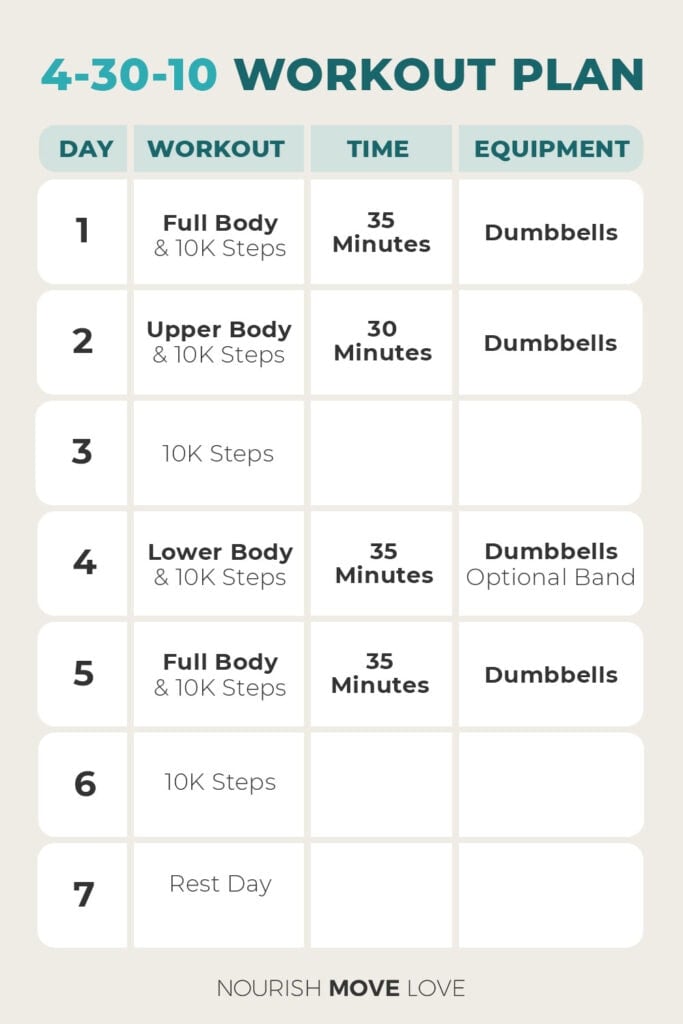
Instead of thinking rest is wasted time, view it as a crucial part of your routine. You might train 4 days a week and rest 3, or do lighter activities like walking or yoga on off days.
Ask yourself: Are you listening to your body’s signals? Fatigue, soreness, and lack of motivation often mean it’s time to rest. Balancing workout and recovery leads to better energy and steady improvement.
Credit: www.nourishmovelove.com
Workout Goals And Frequency
Understanding how often you should work out depends heavily on your specific fitness goals. Different objectives require different frequencies and types of training to maximize results without causing burnout. Let’s look at how workout goals influence how many days per week you should be exercising.
Building Muscle
If your goal is to build muscle, frequency matters but recovery is just as important. Most muscle growth happens during rest, so working out the same muscle group 2-3 times per week is effective.
You could split your routine into upper and lower body sessions or focus on different muscle groups each day. This helps you train hard without overtraining, allowing muscles to repair and grow stronger.
Ask yourself: Are you giving your muscles enough time to recover before hitting them again?
Fat Loss
For fat loss, consistency and calorie burn are key. Aim for 4-6 workout sessions per week combining cardio and strength training to increase your metabolism.
Mixing high-intensity interval training (HIIT) with steady-state cardio can optimize fat burning. Strength training also helps you maintain muscle while losing fat, so don’t skip it.
Think about how you can balance workouts so you stay active most days without feeling drained.
Improving Endurance
Endurance training requires more frequent sessions, often 5-6 days a week, with varied intensity. Long, steady workouts build aerobic base, while shorter, intense sessions boost speed and stamina.
Listening to your body is crucial. If you feel overly fatigued, it might be time to dial back and focus on recovery.
Have you noticed how your energy changes with different workout frequencies?
General Fitness
For overall health, 3-5 workouts per week are a good target. This allows you to balance cardio, strength, and flexibility without overdoing it.
Even short, consistent sessions can improve your mood, energy, and physical function. The goal is to make fitness a regular part of your life, not a chore.
What small changes can you make to move more consistently throughout the week?
Types Of Workouts And Scheduling
Choosing the right types of workouts and fitting them into your weekly schedule can make a big difference in your fitness progress. Different workouts target different parts of your body and energy systems, so mixing them up keeps things balanced and interesting. Think about what you enjoy and how much time you can realistically dedicate each week.
Strength Training
Strength training builds muscle, boosts metabolism, and supports joint health. You don’t need to lift heavy weights every session; bodyweight exercises or resistance bands work well too. Aim for 2-3 sessions per week, allowing your muscles time to recover in between.
Cardio Sessions
Cardio improves heart health and burns calories efficiently. You can choose activities like running, cycling, swimming, or even brisk walking. Scheduling 3-5 cardio sessions per week, ranging from 20 to 60 minutes, helps maintain endurance and overall fitness.
Flexibility And Mobility
Flexibility and mobility workouts reduce injury risk and improve movement quality. Simple stretches or yoga can be done daily or after other workouts to cool down. Even 10 minutes a day can make a noticeable difference in how your body feels and moves.
High-intensity Interval Training
HIIT workouts combine short bursts of intense activity with rest periods to maximize calorie burn and improve fitness quickly. Because they are demanding, 1-3 sessions per week are enough to see results without overtraining. You can fit HIIT into busy schedules since many sessions last less than 30 minutes.
Beginners Vs Advanced Training
Understanding the difference between beginner and advanced training can transform how often you work out each week. Your body reacts differently depending on your experience level, which means your workout frequency should also adapt. Knowing where you stand helps prevent injury and maximizes progress.
Starting Out Safely
If you’re new to exercising, it’s smart to begin with just 2 to 3 workouts per week. This gives your muscles time to recover and reduces the risk of burnout. When I first started, I tried jumping into 5 days a week and ended up sore and frustrated.
Focus on full-body workouts to build a solid foundation. Keep sessions short but consistent. Ask yourself: Is my body ready for more, or do I feel drained after each workout?
Progressing Workout Frequency
As you gain strength and endurance, you can add more sessions gradually. Moving from 3 to 4 or 5 workouts per week is common among intermediate trainees. You might split workouts into muscle groups or different training styles to avoid overworking the same areas.
Track how your energy and performance change. If you feel stronger and recover faster, it’s a good sign to increase frequency. How does your body respond to extra sessions—is it improving or struggling?
Avoiding Overtraining
Even advanced athletes can push too hard. Overtraining leads to fatigue, injury, and stalled progress. Pay close attention to persistent soreness, irritability, or trouble sleeping—they’re red flags your body needs rest.
Incorporate rest days and lighter workouts to help your body recover fully. Remember, more isn’t always better; quality beats quantity every time. Are you prioritizing recovery as much as you do your workouts?
Rest And Recovery Importance
Rest and recovery are not just pauses in your workout routine—they are essential parts of building strength and preventing injury. Ignoring recovery can slow down your progress and even cause setbacks. Understanding how to recognize when your body needs rest and how to support it during recovery is key to consistent improvement.
Signs Of Overtraining
You might think pushing harder every day leads to faster results, but your body sends clear signals when it’s had enough. Watch for constant fatigue that doesn’t go away with sleep, persistent muscle soreness, and a drop in workout performance.
Other warning signs include irritability, trouble concentrating, and increased injuries. If you notice these, it’s time to ease off and give your body a break.
Active Recovery Techniques
Rest doesn’t mean doing nothing. Active recovery involves low-intensity activities that help your muscles heal while keeping you moving.
- Light walking or cycling
- Gentle stretching or yoga
- Foam rolling to release muscle tension
These methods improve blood flow and reduce stiffness without putting stress on your body. Have you tried swapping one intense session for a yoga class and felt surprisingly refreshed?
Sleep And Nutrition
Sleep is the cornerstone of recovery. Without enough quality rest, your muscles don’t repair properly, and your energy tanks.
Nutrition fuels recovery too. Protein helps rebuild muscles, while carbohydrates restore energy stores. Don’t overlook hydration—water supports every cell in your body.
Pay attention to your meals and sleep patterns as much as your workout schedule. Could adjusting your bedtime or adding a protein snack after exercise boost your progress?
Credit: www.lemon8-app.com
Sample Weekly Workout Plans
Finding the right workout frequency can feel overwhelming, but having a clear plan makes a huge difference. Sample weekly workout plans help you see what’s realistic and effective for your schedule and goals. Whether you have a few days or almost a full workweek to train, there’s a plan that fits.
Think about how your energy and motivation shift during the week. Do you feel stronger after rest days or more challenged when you push consecutive days? These plans give you a solid starting point and room to adjust based on how your body responds.
3-day Workout Plan
- Day 1:Full-body strength training focusing on compound movements like squats, push-ups, and rows.
- Day 2:Cardio session such as running, cycling, or HIIT for 30-45 minutes.
- Day 3:Mobility work and light resistance exercises, including stretching and core strengthening.
This plan works well if you’re busy but want balanced fitness. You get strength, endurance, and recovery without overloading your schedule. Would you expect better results from more workouts or more focused sessions?
4-day Workout Plan
- Day 1:Upper body strength training (bench press, pull-ups, shoulder press).
- Day 2:Lower body strength training (deadlifts, lunges, calf raises).
- Day 3:Cardio and core work, mixing steady-state and interval training.
- Day 4:Active recovery with yoga, stretching, or light swimming.
Adding that extra day lets you split workouts by muscle groups, which can improve focus and recovery. You might find yourself pushing harder on specific exercises without feeling wiped out. How does this split fit your current energy and time availability?
5-day Workout Plan
| Day | Focus | Example Exercises |
|---|---|---|
| Day 1 | Chest & Triceps | Bench press, dips, tricep pushdowns |
| Day 2 | Back & Biceps | Pull-ups, rows, bicep curls |
| Day 3 | Legs | Squats, lunges, hamstring curls |
| Day 4 | Shoulders & Abs | Overhead press, lateral raises, planks |
| Day 5 | Cardio & Mobility | HIIT, jogging, foam rolling |
Training five days a week allows you to target muscle groups intensely while incorporating cardio and recovery. This volume works well if you’re aiming for specific goals like muscle gain or improved endurance. Are you ready to commit to daily workouts, or would you feel burned out?
Adapting Frequency For Busy Schedules
Busy schedules can make regular workouts hard to maintain. Adapting workout frequency helps keep fitness goals alive without overwhelming your day. Small changes in timing and intensity can fit your routine better.
Consistency matters more than long sessions. Even short workouts can build strength and endurance if done often enough. Planning smartly helps you stay active despite a packed calendar.
Short Workouts With Maximum Impact
Short workouts save time and still boost fitness. Focus on exercises that target multiple muscle groups at once. High-intensity interval training (HIIT) is ideal for burning calories fast.
Try sessions lasting 15 to 20 minutes. Use bodyweight exercises like squats, push-ups, and planks. These need no equipment and work well anywhere.
- Warm up briefly to avoid injury
- Alternate between intense bursts and rest
- Finish with stretching to cool down
Combining Workouts Efficiently
Mixing different workout types saves time and prevents boredom. Combine strength and cardio in one session to hit multiple fitness goals. This approach maximizes effort and results.
Plan workouts like this:
| Workout Type | Duration | Example |
|---|---|---|
| Strength | 20 minutes | Weight lifting or resistance bands |
| Cardio | 15 minutes | Running or cycling |
| Flexibility | 10 minutes | Yoga or stretching |
This schedule fits busy days and improves overall fitness. Adjust times based on your availability and energy.
Tracking Progress And Adjusting
Tracking your workout progress is essential to reach fitness goals safely and effectively. It helps you understand how your body responds to exercise. Adjusting your routine based on progress keeps workouts challenging but manageable. Regular tracking also prevents injury and burnout. Knowing when to push harder or rest more improves overall results.
Listening To Your Body
Pay close attention to how your body feels during and after workouts. Signs like persistent soreness, fatigue, or pain mean your body needs rest. Good energy and steady strength gains show your current plan works. Rest days are just as important as workout days. Your body sends clear signals—trust them.
When To Increase Frequency
Increase workout days when you feel stronger and less tired. You can add sessions if your recovery is quick and energy stays high. Gradually add one day per week to avoid injury. More frequent workouts can boost endurance and muscle growth. Keep changes small and track how you feel afterward.
When To Scale Back
Reduce workout days if you feel constant fatigue or aches. Skipping rest can lead to overtraining and poor performance. Cutting back helps your body heal and regain strength. Stress, poor sleep, or illness also call for fewer workouts. Listen carefully and adjust to protect your health.

Credit: www.reddit.com
Frequently Asked Questions
How Many Times Should I Work Out Weekly For Weight Loss?
Working out 3-5 times a week helps burn calories and improve metabolism. Consistency is key for effective weight loss results.
Is Daily Exercise Necessary For Good Health?
Daily exercise is not mandatory, but 3-5 sessions weekly boost heart health and energy. Rest days help muscle recovery.
Can I Build Muscle Working Out 4 Times A Week?
Yes, training 4 times a week with focused muscle groups supports muscle growth and strength development efficiently.
How Many Workout Days Are Best For Beginners?
Beginners should start with 2-3 workout days weekly to avoid injury and gradually build endurance.
Conclusion
Finding the right workout frequency helps your body stay strong and healthy. Aim for a balance that fits your schedule and energy. Rest days matter as much as exercise days. Listen to your body to avoid injury and burnout. Consistency beats intensity for long-term results.
Keep your workouts simple and steady. Small steps add up to big changes over time. Stay patient and enjoy the journey to better fitness.







