
Ever wondered how some inmates emerge from prison looking stronger and fitter than ever? The secret lies in a jail workout routine.
Picture this: no fancy gym equipment, limited space, yet a body transformation that rivals the best fitness programs out there. It’s about using what you have and turning limitations into strengths. This isn’t just another workout fad; it’s a testament to creativity and resilience.
Imagine discovering a workout routine that requires nothing more than your body and determination. You don’t need a gym membership or expensive gear. What you need is a mindset shift. Whether you’re looking to get leaner, stronger, or simply shake up your fitness routine, the jail workout offers a unique and effective approach. Stick around, and you’ll uncover how you can harness this no-nonsense method to achieve incredible results. Are you ready to redefine your fitness journey?

Credit: parade.com
Benefits Of Jail Workouts
Jail workouts offer many benefits beyond just physical fitness. These routines use body weight and simple movements to build strength and health. They require no equipment, making them accessible anywhere. The focus on discipline and routine also improves mental toughness. Flexibility and mobility increase through varied exercises, helping prevent injuries and improve overall movement. Jail workouts are practical and effective for anyone wanting to stay fit under limited conditions.
Building Strength Without Equipment
Jail workouts rely on body weight exercises like push-ups, squats, and planks. These moves strengthen muscles without needing machines or weights. Constant repetition helps muscles grow and become more powerful. This type of training improves core strength, which supports all daily activities. It also builds endurance, allowing longer exercise sessions over time.
Improving Mental Toughness
Following a jail workout routine requires discipline and focus. Sticking to a plan despite limited space builds mental strength. Exercise releases chemicals that boost mood and reduce stress. Training in tough conditions teaches patience and resilience. These mental skills can help face challenges inside and outside jail.
Enhancing Flexibility And Mobility
Jail workouts include stretching and dynamic movements. These improve joint mobility and muscle flexibility. Better flexibility reduces muscle tightness and injury risk. It also helps with balance and coordination. Regular practice leads to smoother, more controlled movements every day.

Credit: uk.style.yahoo.com
Key Principles Of Jail Workout Routines
Jail workout routines focus on strength and endurance using limited resources. They rely on key principles that maximize results with minimal equipment. Understanding these principles helps maintain fitness in confined spaces. The main ideas include using bodyweight exercises, applying progressive overload, and maintaining consistency.
Bodyweight Exercises Focus
Bodyweight exercises form the foundation of jail workouts. Movements like push-ups, squats, and planks use your own body as resistance. These exercises build muscle, improve balance, and increase endurance. They require no equipment and can be done anywhere. Mastering basic bodyweight moves creates a strong fitness base.
Progressive Overload Techniques
Progressive overload means gradually increasing workout difficulty. This challenges muscles to grow stronger over time. You can add more reps, slow down movements, or try harder variations. For example, progress from regular push-ups to diamond or one-arm push-ups. Small, steady increases prevent plateaus and boost gains.
Consistency And Discipline
Regular workouts are crucial for progress in jail routines. Discipline means sticking to a schedule and pushing through challenges. Daily training helps build habits and improve fitness steadily. Even short sessions count if done consistently. Persistence is key to long-term success in limited spaces.
Effective No-equipment Exercises
Working out without any equipment might seem limiting, but it’s actually a chance to focus on your body’s natural strength and movement. You can build muscle, boost endurance, and sharpen your core using just your body weight. These exercises are perfect for jail workouts because they require zero gear yet deliver solid results.
Push-up Variations
Push-ups are a classic way to strengthen your chest, shoulders, and triceps. But sticking to just the standard push-up can get boring fast. Try mixing it up with diamond push-ups to target your triceps more intensely or wide-arm push-ups to hit your chest differently.
Adding incline or decline push-ups challenges your muscles in new ways. Wondering how to keep progressing without equipment? Changing hand placement or tempo can push your limits without needing weights.
Bodyweight Squats And Lunges
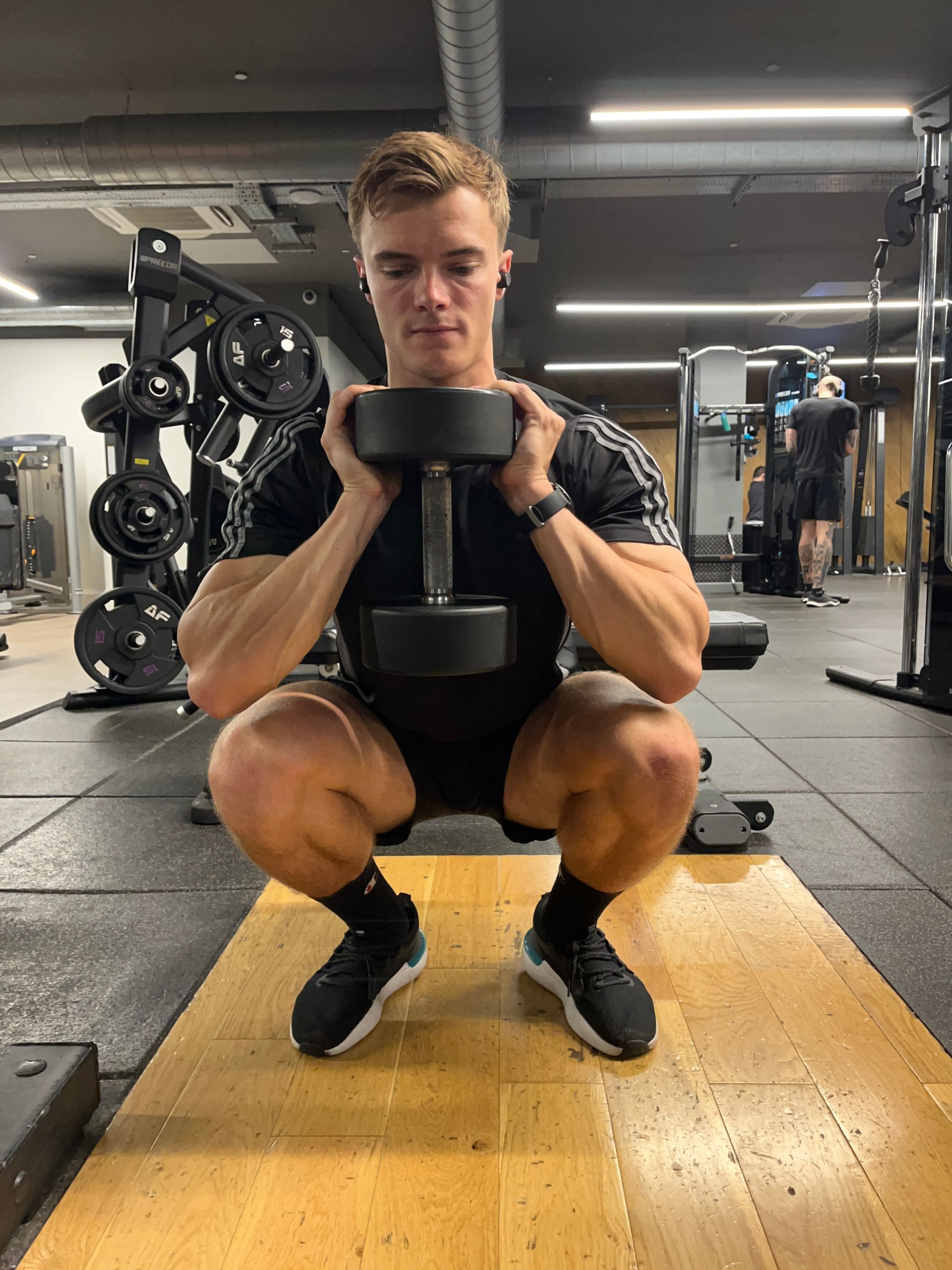
Squats and lunges build strong legs and glutes, which are essential for overall fitness. You can increase difficulty by slowing down the movement or adding pulse holds at the bottom of each squat. Walking lunges or jumping lunges add a cardio element that gets your heart pumping.
Have you tried single-leg squats? They test your balance and strength simultaneously, making your workout more effective without extra gear.
Core Strength Moves
A strong core supports every other movement you do. Planks, side planks, and leg raises are simple yet powerful exercises to target your abs and lower back. Try holding a plank longer each day or adding shoulder taps to increase intensity.
Do you find your core workouts getting too easy? Adding dynamic moves like mountain climbers or bicycle crunches can keep your muscles guessing and growing.
Pull-up Alternatives
Pull-ups are tough without a bar, but you can still work your back and arms effectively. Doorframe rows or towel rows offer a similar pulling motion using just your body weight. Even isometric holds like hanging from a sturdy surface can engage those muscles.
Think about creative ways to mimic pulling motions in your environment. How can you challenge your upper body without traditional equipment? This mindset keeps your workouts fresh and effective.
Sample Jail Workout Routine
A jail workout routine focuses on building strength using bodyweight exercises. It requires no equipment and fits small spaces. This routine targets all major muscle groups for balanced fitness. Consistency and good form help achieve great results. Here is a simple sample routine to start with.
Warm-up And Mobility Drills
- Jumping jacks – 2 minutes
- Arm circles – 30 seconds each direction
- Hip circles – 30 seconds each side
- Neck rotations – 15 seconds each side
- Leg swings forward and sideways – 10 each leg
Warm-ups increase blood flow and reduce injury risk. Mobility drills prepare joints for movement and improve flexibility.
Full Body Circuit
| Exercise | Reps | Sets | Rest |
|---|---|---|---|
| Push-ups | 12-15 | 3 | 30 seconds |
| Bodyweight squats | 15-20 | 3 | 30 seconds |
| Plank hold | 30 seconds | 3 | 30 seconds |
| Glute bridges | 15 | 3 | 30 seconds |
| Leg raises | 12-15 | 3 | 30 seconds |
Complete all sets with good form. Rest briefly between sets. This circuit builds strength and endurance.
Cooldown And Stretching
- Slow walking or marching in place – 2 minutes
- Standing hamstring stretch – 30 seconds each leg
- Chest stretch against a wall – 30 seconds
- Seated spinal twist – 30 seconds each side
- Deep breathing – 1 minute
Cooldown helps muscles recover and lowers heart rate. Stretching improves flexibility and reduces stiffness.
Adapting Workouts To Your Fitness Level
Adapting your jail workout routine to fit your fitness level is key to steady improvement. It helps prevent injuries and keeps you motivated. Tailor exercises to your current strength and stamina. Increase difficulty slowly as your body grows stronger. Listen to your body’s signals to avoid overtraining.
Modifying Intensity And Volume
Adjust the workout’s intensity by changing reps, sets, or rest time. Start with fewer reps and longer breaks if you feel tired. Increase reps and reduce rest to boost intensity over time. Use bodyweight variations to match your strength. For example, do knee push-ups before full push-ups. Focus on quality movement rather than speed.
Tracking Progress
Keep a simple log of your workouts. Write down exercises, reps, and how you feel after each session. Tracking helps spot improvements and areas needing work. Notice if you do more reps or feel less tired. Small wins build confidence and push you forward. Review your log every week to plan changes.
Avoiding Plateaus
Change your routine every few weeks to challenge your muscles. Switch exercises, increase reps, or shorten rest periods. Plateaus happen when your body adapts to the same workout. Add variety to keep your muscles guessing and growing. Remember, rest days are part of progress too. They help your body recover and get stronger.
Nutrition Tips For Muscle Growth
Nutrition plays a crucial role in muscle growth, especially when you’re following a jail workout routine. Without the right fuel, your hard work in the gym won’t translate into gains. Let’s look at key nutrition tips that can help you build muscle efficiently.
Maximizing Protein Intake
Protein is your muscle’s building block. Aim to include a good source of protein in every meal. This could be eggs, canned tuna, beans, or peanut butter—foods often available even with limited resources.
Try to reach about 1.6 to 2.2 grams of protein per kilogram of your body weight daily. If you struggle to meet this, focus on protein-rich snacks like boiled eggs or nuts. Consistency matters more than perfection here.
Hydration Strategies
Water keeps your muscles working well and helps recovery. Drinking enough fluids can also prevent cramps and boost your energy during workouts. Don’t wait until you feel thirsty; sip water throughout the day.
If plain water feels boring, try adding a pinch of salt or squeezing some lemon if available. These small changes can help maintain your electrolyte balance, especially during intense training sessions.
Meal Timing Essentials
When you eat can be just as important as what you eat. Try to have a protein-rich meal or snack within 30 to 60 minutes after your workout to support muscle repair. This window helps your body absorb nutrients more effectively.
Don’t skip meals. Eating regularly keeps your metabolism active and provides a steady supply of nutrients to your muscles. Planning simple meals ahead can make this easier, even in restrictive environments.
Staying Motivated Behind Bars
Staying motivated behind bars can feel like a constant battle. The environment is challenging, and distractions are few, but your mindset can make all the difference. Keeping your workout routine alive not only improves your physical health but also strengthens your mental resilience.
Setting Realistic Goals
Setting goals that match your current situation helps keep you focused. Aim for small wins like increasing reps or holding a plank a few seconds longer. These targets make progress visible and boost your confidence.
Ask yourself: What can I achieve with the space and time I have? This clarity helps you avoid frustration and stay consistent.
Creating A Routine
Consistency is key when motivation dips. Build a workout schedule that fits your daily life behind bars. Even short sessions at the same time every day create a strong habit.
Try to mix exercises to keep it interesting—push-ups, bodyweight squats, and shadow boxing are great options. When you follow a routine, your body and mind expect the workout, making it easier to stick with it.
Using Mindset Techniques
Your mind controls your drive. Use visualization to imagine completing your workout and feeling stronger afterward. This simple technique can push you through tough moments.
Practice positive self-talk. Instead of saying, “I can’t do this,” say, “I’m getting stronger every day.” This shift in mindset transforms your workout from a chore into a challenge you want to conquer.
Credit: www.menshealth.com
Frequently Asked Questions
What Is A Jail Workout Routine?
A jail workout routine is a bodyweight exercise plan using minimal or no equipment. It focuses on strength, endurance, and flexibility. These workouts are designed to be done in small spaces. They help maintain fitness without access to a gym or weights.
How Can I Build Muscle In Jail Workouts?
Building muscle in jail workouts relies on progressive bodyweight exercises. Increase repetitions, sets, or exercise difficulty over time. Focus on compound movements like push-ups, pull-ups, and squats. Consistency and proper nutrition are key to muscle growth without equipment.
What Are The Best Exercises In A Jail Workout?
The best jail workout exercises include push-ups, squats, planks, and pull-ups. These target multiple muscle groups effectively. They improve strength, stability, and endurance. Variations can increase difficulty to continuously challenge your body.
Can Jail Workouts Improve Overall Fitness?
Yes, jail workouts improve strength, cardiovascular health, and flexibility. They use high-rep, bodyweight exercises to boost endurance. Regular practice enhances muscle tone and mental discipline. These routines keep you fit without needing a gym.
Conclusion
Staying fit in jail is possible with the right workout plan. Use your body weight for strength and endurance. Keep exercises simple and consistent every day. Small routines build strong muscles and improve health. Stay motivated by setting clear, easy goals.
This routine helps pass time and reduce stress. Fitness supports both body and mind well-being. Remember, discipline and patience bring lasting results. Start today and see positive changes soon.







