
Are you ready to embrace a healthier and more active lifestyle? As you age, staying fit becomes increasingly important, not just for your body but also for your mind.
You might think that workouts are just for the younger crowd, but the truth is, exercise is crucial at every stage of life. A well-structured workout routine can help you maintain your independence, enhance your mobility, and boost your overall well-being.
Imagine feeling more energetic, experiencing less pain, and having the stamina to enjoy activities you love. Doesn’t that sound exciting? Dive into this article to discover a workout routine tailored specifically for seniors, designed to keep you strong, balanced, and full of life.

Credit: www.greensafaris.com
Benefits Of Exercising After 60
Exercising after 60 brings many benefits. It helps maintain health and independence. Regular activity improves body and mind. Seniors feel stronger, happier, and more active.
Improved Mobility And Flexibility
Exercise keeps joints moving well. It reduces stiffness and pain. Stretching and gentle movements improve flexibility. This helps with daily tasks and balance. Better mobility lowers the risk of falls.
Enhanced Mental Health
Physical activity boosts mood and reduces stress. It helps fight anxiety and depression. Exercise increases brain function and memory. Social activities during exercise also improve well-being. Seniors feel more alert and positive.
Better Heart Health
Exercise strengthens the heart muscle. It lowers blood pressure and bad cholesterol. This reduces the risk of heart disease. Regular movement improves blood circulation. It helps seniors stay active longer.
Stronger Bones And Muscles
Weight-bearing exercises build bone density. This lowers the chance of fractures. Muscle strength improves balance and stability. Strong muscles support joints and reduce pain. Seniors gain confidence in their movements.
Credit: www.etsy.com
Safe Exercises For Seniors
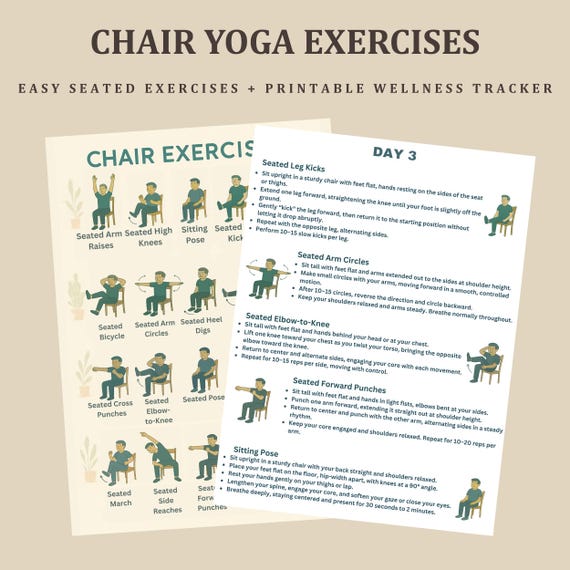
Choosing safe exercises is key to maintaining health and independence as you age. It’s not about pushing limits but about moving smartly to protect your joints and muscles. The right routine can boost your energy, improve your mood, and keep your body flexible and strong.
Low-impact Cardio
Low-impact cardio exercises are gentle on your joints but effective for heart health. Walking, swimming, or cycling on a stationary bike are excellent choices. These activities raise your heart rate without causing strain, making them perfect for daily practice.
Have you tried water aerobics? The buoyancy reduces pressure on your knees and hips, letting you move more freely. Even simple dancing at home can lift your spirits and get your blood pumping.
Strength Training Basics
Building strength doesn’t require heavy weights or complex machines. Using resistance bands or light dumbbells helps you maintain muscle mass and bone density. Start with two sets of 8-12 repetitions for each exercise, focusing on major muscle groups like legs, arms, and back.
Remember, proper form matters more than weight. If you feel pain beyond normal muscle fatigue, ease up. Have you noticed how lifting even small weights can make daily tasks easier, like carrying groceries or climbing stairs?
Balance And Coordination
Falls are a real concern, but balance exercises can reduce this risk significantly. Try standing on one foot while holding a sturdy chair, or practice heel-to-toe walking in a hallway. Tai Chi and gentle yoga also improve coordination and body awareness.
Do you find your balance slipping during daily activities? Adding these simple moves to your routine can help you feel steadier and more confident. Even a few minutes a day make a difference.
Stretching And Flexibility
Stretching keeps your muscles supple and joints mobile. Focus on gentle stretches for your neck, shoulders, back, and legs. Hold each stretch for 20-30 seconds without bouncing, and never stretch to the point of pain.
Flexibility exercises reduce stiffness and improve posture. Have you noticed how bending to tie your shoes gets easier with regular stretching? Making it a habit keeps your body feeling younger and more resilient.
Creating A Weekly Workout Plan
Creating a weekly workout plan is essential for seniors to stay active, healthy, and motivated. A well-structured routine helps you build strength, improve balance, and boost overall well-being without overwhelming your body. Let’s dive into how to design a plan that fits your lifestyle and goals.
Setting Realistic Goals
Start by defining what you want to achieve. Are you aiming to increase flexibility, build endurance, or simply stay mobile? Setting small, clear goals keeps you focused and reduces frustration.
For example, aiming to walk 20 minutes three times a week is easier to stick with than trying to run a marathon. Think about your current fitness level and daily schedule when choosing your targets.
Mixing Different Exercise Types
A balanced workout plan should include various types of exercises. Combine strength training, cardio, flexibility, and balance exercises to cover all aspects of fitness.
- Strength training: Use light weights or resistance bands to maintain muscle mass.
- Cardio: Walking, swimming, or cycling to keep your heart healthy.
- Flexibility: Gentle stretching or yoga to improve mobility.
- Balance: Simple exercises like standing on one foot to prevent falls.
Have you noticed which exercises make you feel the most energetic? Adding variety keeps your routine interesting and your body adapting.
Scheduling Rest Days
Rest days are just as important as workout days. Your muscles need time to recover, especially as you get older. Plan at least one or two days off each week to avoid burnout or injury.
Rest doesn’t mean inactivity—you can try light activities like walking or gentle stretching. How do you feel after a rest day? Often, it helps you return to exercise with more energy.
Tracking Progress
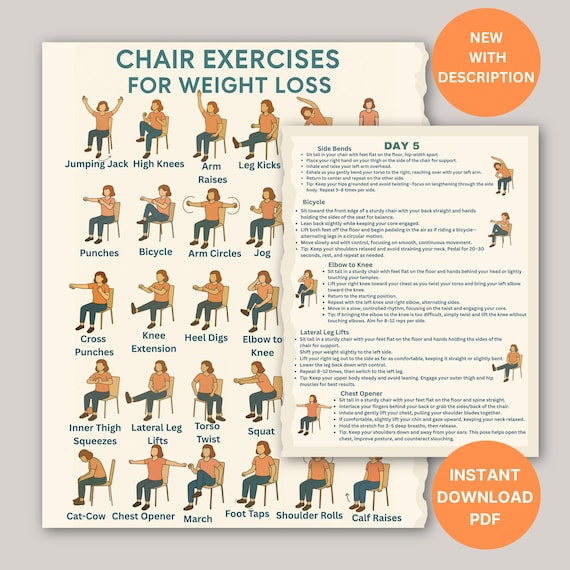
Keeping a record of your workouts can boost motivation and show how far you’ve come. Use a simple notebook, an app, or a calendar to note down what exercises you did, how long, and how you felt.
Tracking progress helps you spot patterns and adjust your routine. Have you ever been surprised by how much you improved after a few weeks of consistent effort?
Credit: www.etsy.com
Tips To Stay Motivated
Staying motivated is key to keeping a workout routine steady and enjoyable. It can be tough sometimes, especially for seniors starting new exercises. Small strategies can make a big difference in keeping energy and interest high. Here are some practical tips to help seniors stay motivated and active.
Finding A Workout Buddy
Exercising with a friend makes workouts more fun and less lonely. A buddy offers support and encouragement. They help keep you accountable and consistent. Sharing progress and challenges creates a positive experience. Choose someone with similar fitness goals for best results.
Joining Group Classes
Group classes provide social interaction and expert guidance. They offer structured workouts designed for seniors. Being part of a group boosts motivation and commitment. Friendly competition and shared goals keep spirits high. Many communities offer senior-friendly classes to join.
Setting Small Milestones
Breaking goals into small steps makes progress clear and rewarding. Small milestones build confidence and keep focus. Celebrate each achievement, no matter how minor it seems. Tracking progress helps maintain a sense of accomplishment. Adjust goals based on your pace and comfort.
Rewarding Yourself
Rewards encourage consistency and make workouts enjoyable. Choose healthy rewards that support your fitness journey. Treat yourself to a relaxing bath, a new book, or a favorite meal. Rewards create positive associations with exercise. This habit helps turn workouts into a lasting routine.
Precautions And Safety Measures
Exercise can greatly improve your quality of life as you age, but safety should always come first. Taking the right precautions helps you avoid injuries and keeps your workouts effective and enjoyable. Let’s look at some key safety measures that can make your routine safer and more rewarding.
Consulting A Doctor
Before starting any workout routine, talk to your doctor about your health status and fitness goals. They can identify any conditions that might affect your exercise choices, like arthritis or heart issues. Getting professional advice ensures you pick exercises that suit your body and limits.
Don’t hesitate to ask specific questions, such as which activities to avoid or how often you should exercise. Your doctor’s guidance can save you from setbacks and keep your progress steady.
Listening To Your Body
Your body sends clear signals when something isn’t right during exercise. Pay attention to pain, dizziness, or excessive fatigue. If you feel any discomfort, slow down or stop immediately.
Remember, pushing through pain can cause serious injury. It’s better to take breaks or modify your routine than to risk harm. How often do you check in with yourself during workouts?
Proper Warm-up And Cool-down
Starting with a warm-up prepares your muscles and heart for exercise, reducing the chance of strains. Simple activities like walking or gentle stretching for 5 to 10 minutes work well. Similarly, cooling down at the end helps your body return to normal gradually.
Ignoring these steps can leave your muscles tight and increase soreness. Make warm-ups and cool-downs a non-negotiable part of your routine to stay flexible and pain-free.
Using The Right Equipment
Choosing appropriate gear makes a big difference in comfort and safety. Wear supportive shoes that fit well and provide good cushioning for your activities. Use equipment that matches your current fitness level and don’t hesitate to ask for help setting it up properly.
For example, resistance bands with the right tension can protect your joints while building strength. Have you checked if your gear supports your movement instead of restricting it?
Nutrition To Support Fitness
Nutrition plays a crucial role in supporting your fitness journey, especially as you age. What you eat directly affects your energy levels, muscle strength, and recovery after workouts. Paying attention to the right nutrients can help you stay active and feel stronger every day.
Balanced Diet Essentials
Your body needs a mix of nutrients to perform well during exercise and to recover afterward. Focus on eating plenty of lean proteins like chicken, fish, and beans to help repair muscles. Whole grains such as brown rice and oats provide steady energy, while fruits and vegetables supply important vitamins and antioxidants.
Don’t forget healthy fats from sources like avocados, nuts, and olive oil. These support brain health and reduce inflammation. Have you noticed how skipping vegetables can make your workouts feel harder? That’s because your body misses out on essential nutrients.
Hydration Tips
Water is often overlooked but is vital for seniors during workouts. Dehydration can cause fatigue, cramps, and dizziness. Make a habit of drinking water before, during, and after your exercise sessions.
If plain water feels boring, try adding a splash of lemon or cucumber for a refreshing twist. You can also include hydrating foods like watermelon and cucumber in your diet. How often do you check your hydration status throughout the day?
Supplements For Seniors
Sometimes, food alone might not cover all your nutrient needs. Many seniors benefit from supplements such as vitamin D, calcium, and omega-3 fatty acids to support bone and heart health. However, it’s important to talk with your healthcare provider before starting any new supplement.
Magnesium can help with muscle cramps and better sleep, which is essential for recovery. Remember, supplements are not a replacement for a healthy diet but a way to fill in gaps.
Meal Timing Around Workouts
When you eat can be just as important as what you eat. Try to have a small meal or snack rich in carbs and protein about 1 to 2 hours before exercising. This gives you the energy to perform well and helps protect your muscles.
After your workout, eat a balanced meal within 30 to 60 minutes to replenish energy and support muscle repair. A simple example is a yogurt with fruit or a turkey sandwich on whole-grain bread. Have you experimented with different meal timings to see what boosts your energy best?
Frequently Asked Questions
What Is The Best Workout Routine For Seniors?
A balanced routine includes strength, flexibility, and aerobic exercises. It improves mobility, balance, and overall health. Start with low-impact activities like walking or swimming. Always consult a doctor before beginning any new exercise program.
How Often Should Seniors Exercise Weekly?
Seniors should aim for at least 150 minutes of moderate exercise weekly. This can be split into 30-minute sessions, five days a week. Consistency helps maintain strength, flexibility, and cardiovascular health. Rest days are essential for recovery and injury prevention.
Are Strength Training Exercises Safe For Seniors?
Yes, strength training is safe when done correctly. It boosts muscle mass, bone density, and metabolism. Use light weights or resistance bands and focus on proper form. Start slowly and increase intensity gradually to avoid injury.
Can Seniors Do Aerobic Exercises Daily?
Yes, low-impact aerobic exercises like walking or cycling are beneficial daily. They improve heart health, stamina, and mood. Keep intensity moderate and listen to your body. Always warm up and cool down to prevent strain.
Conclusion
A good workout routine helps seniors stay strong and healthy. It improves balance, flexibility, and mood. Small steps each day make a big difference over time. Choose activities that feel safe and fun. Always listen to your body and rest when needed.
Staying active supports independence and better quality of life. Remember, any movement is better than none. Keep going, and enjoy the journey to better health.







