
Imagine a workout that not only boosts your strength but also enhances your endurance, flexibility, and balance. Kettlebell workout routines offer you exactly that and more.
You might be wondering, why kettlebells? The answer is simple: they are versatile, effective, and can transform your fitness routine into something dynamic and exciting. Whether you’re a fitness newbie or a seasoned athlete, incorporating kettlebells into your workout can yield amazing results.
But how do you get started, and which routines are best for your goals? Keep reading to discover how kettlebell workout routines can revolutionize your fitness journey and help you achieve the body you’ve always wanted. Your path to a fitter, stronger you begins right here.
Benefits Of Kettlebell Training
Kettlebell training offers more than just a new way to exercise; it transforms how your body moves and performs. Its dynamic nature challenges multiple muscle groups at once, making workouts efficient and effective. Understanding the real benefits can help you decide if kettlebells fit your fitness goals.
Fat Loss Advantages
Kettlebell workouts combine strength and cardio, burning calories quickly. The swinging motions keep your heart rate up, which boosts metabolism even after you finish exercising. Have you noticed how a short kettlebell session can leave you sweating more than a long jog?
This style of training targets fat while preserving muscle mass, so you lose weight without feeling weak. You can expect to burn between 400 to 600 calories in just 30 minutes, depending on intensity. Adding kettlebells to your routine might be the edge you need for stubborn fat loss.
Strength Gains
Kettlebells build functional strength by engaging multiple muscles simultaneously. Unlike machines, they force your body to stabilize, improving coordination and power. Think about how gripping and swinging a kettlebell feels compared to lifting dumbbells; it’s a different kind of challenge.
You’ll notice stronger grip, core, and lower body strength as you progress. Plus, exercises like the kettlebell swing and Turkish get-up work muscles you rarely use in traditional workouts. Do you want strength that supports everyday movements and athletic performance?
Improved Endurance
Kettlebell workouts train both your cardiovascular system and muscular endurance. The continuous movement and varied exercises build stamina that helps you last longer during other activities. Have you tried pushing through a kettlebell circuit and felt your energy build instead of fade?
This mix of strength and cardio improves your overall fitness in less time. You get a workout that conditions your heart and muscles simultaneously, making endurance gains more noticeable. Could this be your key to breaking through fitness plateaus?
Enhanced Mobility
Kettlebell training demands controlled, full-range movements that increase joint flexibility. Movements like the windmill and halo encourage better shoulder, hip, and spine mobility. You might find yourself moving easier throughout the day after a few weeks of kettlebell practice.
Improved mobility reduces injury risk and supports better posture. It’s not just about lifting heavier weights but moving smarter. How much could your daily comfort improve with increased joint freedom?
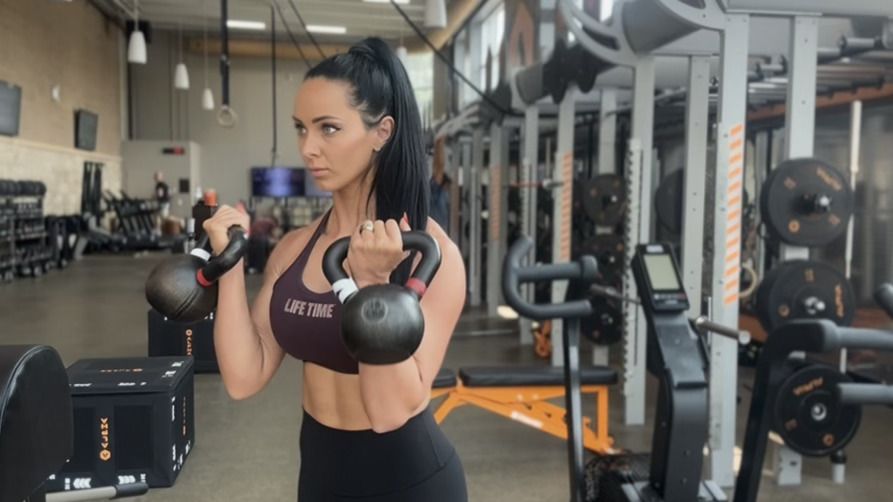
Credit: www.fitandwell.com
Essential Kettlebell Exercises
Mastering a few essential kettlebell exercises can transform your workout routine. These moves target multiple muscle groups and improve your strength, endurance, and coordination. Understanding how to perform them correctly will help you get the most out of your training sessions and avoid injury.
Swings
Swings are the foundation of kettlebell training. They focus on your hips, glutes, and hamstrings while boosting your cardiovascular fitness.
Start with your feet shoulder-width apart, gripping the kettlebell with both hands. Hinge at your hips, swing the kettlebell back between your legs, then thrust your hips forward to swing it up to chest height. Keep your core tight and avoid using your arms to lift the weight.
Have you noticed how swings improve your posture and power in other exercises? They also teach you to use hip drive effectively.
Goblet Squats
Goblet squats help you build leg strength and improve your squat form. Holding the kettlebell close to your chest challenges your core and keeps your torso upright.
Stand with feet slightly wider than shoulder-width apart. Hold the kettlebell by the horns and lower into a squat, pushing your knees out and keeping your back straight. Pause at the bottom, then press through your heels to stand back up.
Do you find this exercise helps with your balance and knee tracking during regular squats? It’s a simple way to deepen your squat safely.
Turkish Get-ups
The Turkish get-up is a full-body movement that builds strength, stability, and mobility. It requires control and coordination as you move from lying down to standing while holding the kettlebell overhead.
Lie on your back with the kettlebell pressed overhead in one hand. Slowly rise by pushing through your opposite elbow, then your hand, coming to a seated and then standing position. Reverse the steps to return to the starting point.
Have you tried breaking this complex movement into smaller parts? Practicing the transitions separately can make the full get-up easier and safer.
Snatches
Snatches are explosive and improve power and endurance. This dynamic move takes the kettlebell from the swing position to overhead in one fluid motion.
Begin with a swing, then pull the kettlebell close to your body and punch it overhead while dropping into a slight squat. Keep your wrist straight and absorb the weight with your shoulders and core.
Does focusing on a smooth, controlled punch make your snatch more efficient? Avoid letting the kettlebell “flip” over your hand for better control.
Cleans And Presses
The clean and press combines strength and technique, working your upper body and core. It starts with bringing the kettlebell to the rack position, then pressing it overhead.
From a standing position, swing the kettlebell between your legs, then pull it up to your chest, resting it on your forearm. Press the kettlebell overhead, locking your arm out. Lower it back down carefully to repeat.
Have you noticed how this movement improves your shoulder stability and grip strength? Practicing the clean and press can also help you prepare for heavier lifts.
Designing Fat Loss Routines
Designing fat loss routines with kettlebells requires a smart mix of exercises. The goal is to burn calories fast and keep your metabolism high. Effective routines help build muscle and burn fat at the same time. Short, intense workouts save time and deliver great results.
High-intensity Interval Training
High-Intensity Interval Training (HIIT) uses short bursts of effort with rest periods. Kettlebell swings, snatches, and cleans fit well in HIIT. This style boosts heart rate and burns fat quickly. A typical session lasts 15 to 20 minutes. Try 30 seconds of work, 15 seconds rest. Repeat for 8 to 10 rounds. This method pushes your body to burn calories long after the workout.
Circuit Workouts
Circuit workouts combine several exercises with little rest between them. Use kettlebell moves like goblet squats, presses, and rows. Perform each exercise for 30 to 45 seconds. Rest for 15 seconds before moving to the next one. Complete 3 to 4 circuits for a full workout. Circuits keep your heart rate steady and build muscle endurance. They make fat loss efficient and engaging.
Combining Cardio And Strength
Mixing cardio and strength exercises maximizes fat burn and muscle tone. Start with kettlebell swings for cardio. Follow with strength moves like Turkish get-ups or lunges. This combo improves fitness and speeds up metabolism. Balance between cardio and strength keeps workouts interesting. It also helps avoid plateaus in fat loss. Aim for 20 to 30 minutes per session to see results.
Strength-building Programs
Strength-building programs with kettlebells are designed to push your muscles beyond their usual limits. These routines focus on increasing the amount of weight you lift and the difficulty of your exercises over time. By doing so, you help your muscles grow stronger and more resilient.
Progressive Overload
Progressive overload means gradually increasing the challenge in your workouts. You can add more weight, do more reps, or increase the number of sets. This steady increase forces your muscles to adapt and grow stronger.
Think about the last time you lifted the same kettlebell for several weeks. Did it feel easier? That’s your body adapting. To keep building strength, you need to make your workouts harder bit by bit.
Reps And Sets For Strength
For strength gains, focus on lower reps with heavier weights. Aim for sets of 4 to 6 reps, which target muscle power. Typically, 3 to 5 sets per exercise work well.
For example, doing 5 sets of 5 kettlebell swings with a challenging weight can build solid strength. You want to push yourself but keep good form to avoid injury.
Rest And Recovery
Rest between sets is crucial in strength training. Taking 2 to 3 minutes helps your muscles recover so you can lift heavy again. Shorter rest periods might tire you out too fast, reducing your strength gains.
Also, give your body time to recover between workouts. Strength doesn’t grow while you lift; it grows during rest. Skipping recovery can stall your progress and increase injury risk.
Warm-up And Cool-down Tips
Warming up before a kettlebell workout prepares your body and mind. It helps increase blood flow, loosens muscles, and reduces injury risk. Cooling down after exercise helps your body recover. It lowers your heart rate and eases muscle tension. Both steps improve workout quality and overall safety.
Dynamic Warm-ups
Dynamic warm-ups use active movements to prepare your muscles. These movements mimic kettlebell exercises without weights. They increase heart rate and joint mobility. Try these simple exercises:
- Arm circles to loosen shoulders
- Leg swings to activate hips
- Bodyweight squats for the lower body
- Torso twists to warm the core
- Jumping jacks for full-body activation
Perform each for 30 seconds. Keep your movements smooth and controlled.
Stretching Techniques
Stretching after your workout aids muscle recovery. Use static stretches to hold each position. Stretch major muscle groups worked during kettlebell training. Focus on these areas:
- Hamstrings and quads to ease leg tension
- Shoulders and arms to relax upper body
- Lower back to release spinal tightness
- Hip flexors to improve mobility
Hold each stretch for 20 to 30 seconds. Avoid bouncing or forcing any stretch.

Credit: www.amazon.ca
Common Mistakes To Avoid
A kettlebell workout can boost strength and endurance. Many beginners make common mistakes that slow progress or cause injury. Avoiding these errors helps you train safely and get the best results. Focus on form, listen to your body, and allow time for rest.
Improper Form
Using wrong form can lead to injury and less effective workouts. Keep your back straight and core tight during swings and lifts. Avoid rounding your shoulders or bending your wrists incorrectly. Start with light weights to learn correct movements. Watch yourself in a mirror or record videos to check your technique.
Overtraining Risks
Exercising too much puts stress on muscles and joints. Overtraining causes fatigue, soreness, and can lead to injury. Schedule rest days between intense kettlebell sessions. Pay attention to signs like persistent pain or lack of energy. Balance workouts with other low-impact activities such as walking or yoga.
Ignoring Recovery
Recovery is key for muscle growth and injury prevention. Skipping rest slows progress and raises injury risk. Use stretching and foam rolling to relax tight muscles. Get enough sleep to help your body repair itself. Hydrate well and eat nutritious foods to support recovery.
Equipment Selection And Safety
Choosing the right kettlebell and following safety rules are key to a good workout. The right equipment helps you train better and avoid injuries. Understanding kettlebell types and weights makes your sessions effective and safe.
Choosing The Right Weight
Select a weight that matches your strength and skill level. Start light to learn correct form. Increase weight gradually as you get stronger. Using too heavy kettlebells can cause strain or injury.
- Beginners: 8-12 kg (18-26 lbs)
- Intermediate: 12-16 kg (26-35 lbs)
- Advanced: 16 kg+ (35+ lbs)
Kettlebell Types
There are several kettlebell styles. Cast iron kettlebells are common and durable. Competition kettlebells have uniform size but different weights. Vinyl-coated kettlebells protect floors and reduce noise. Choose based on your workout space and preferences.
Safety Guidelines
- Check your kettlebell for cracks or damage before use.
- Keep your workout area clear and free of obstacles.
- Warm up your body before kettlebell exercises.
- Focus on proper form to avoid injury.
- Use a firm grip to prevent slipping.
- Don’t rush; controlled movements reduce risk.

Credit: www.youtube.com
Tracking Progress And Staying Motivated
Tracking progress and staying motivated are key to success in kettlebell workouts. Watching improvements keeps energy high. Motivation helps push through tough days. Clear tracking creates a sense of achievement. It turns small wins into big goals.
Setting Goals
Set simple and clear goals. Examples include lifting heavier weights or doing more reps. Break big goals into smaller steps. Write them down to stay focused. Goals give direction and purpose to every workout.
Monitoring Improvements
Keep a workout journal or use an app. Record weights, sets, and reps each session. Note how you feel after workouts. Check your form and speed too. Tracking data shows real progress over time.
Maintaining Consistency
Make a workout schedule and stick to it. Plan specific days and times for training. Keep sessions short but regular. Celebrate small victories to stay encouraged. Consistency builds strength and improves skills steadily.
Frequently Asked Questions
What Are The Best Kettlebell Workout Routines?
The best kettlebell routines include swings, goblet squats, and Turkish get-ups. These moves build strength and improve endurance effectively. Combining these exercises targets multiple muscle groups for a full-body workout.
How Often Should I Do Kettlebell Workouts Weekly?
For optimal results, perform kettlebell workouts 3 to 4 times per week. This frequency allows muscle recovery while maximizing strength and conditioning gains. Beginners may start with twice weekly sessions.
Can Kettlebell Workouts Help With Weight Loss?
Yes, kettlebell workouts boost metabolism and burn calories rapidly. Their high-intensity nature promotes fat loss while preserving muscle. Regular sessions combined with a healthy diet accelerate weight loss effectively.
Are Kettlebell Workouts Safe For Beginners?
Kettlebell workouts are safe if done with proper form and light weights initially. Beginners should start slow, focus on technique, and gradually increase intensity. Consulting a trainer can help prevent injuries.
Conclusion
Kettlebell workouts build strength and improve fitness fast. These routines fit all skill levels and goals. You can do them at home or the gym. Just keep your form correct to avoid injury. Regular practice helps your body get stronger and healthier.
Start slow, then increase your reps and weight. Enjoy the variety and challenge kettlebells bring. Stay consistent, and results will follow. Simple, effective, and fun—kettlebell workouts work. Give your body the boost it needs today.







