
Are you worried about getting back to your workout routine after a belly button hernia? You’re not alone.
Understanding the recovery time and when it’s safe to hit the gym again is crucial for your health and fitness goals. In this post, we’ll explore the ins and outs of belly button hernia recovery, focusing on what you need to know to heal properly and return to exercising without setbacks.
Imagine feeling confident and pain-free as you step back into your workout shoes. Ready to discover how to achieve that? Let’s dive in and find out the best path to recovery and fitness.
Belly Button Hernia Basics
A belly button hernia occurs when tissue pushes through a weak spot near the belly button. It often causes a noticeable bulge or swelling around the navel. Many people experience discomfort, especially when lifting or straining. Understanding the basics helps in recognizing symptoms and seeking timely treatment.
Causes And Symptoms
- Weak abdominal muscles present from birth or developed over time
- Excessive pressure from heavy lifting, coughing, or pregnancy
- Visible bulge or swelling near the belly button
- Pain or tenderness around the hernia site
- Discomfort increases with physical activity or straining
Types Of Hernias
- Umbilical Hernia:Occurs at the belly button; common in infants and adults.
- Inguinal Hernia:Happens in the groin area; more common in men.
- Incisional Hernia:Develops at the site of a previous surgery.
- Hiatal Hernia:Occurs when part of the stomach pushes into the chest.
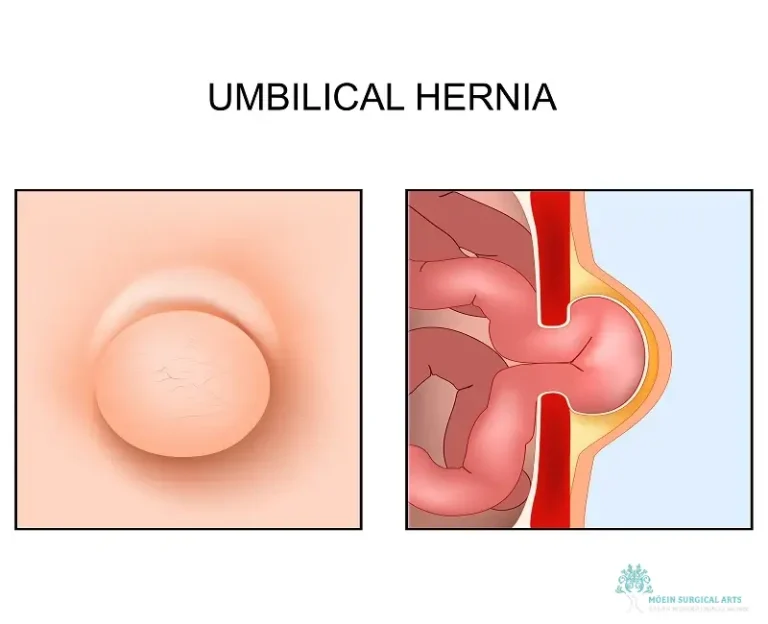
Credit: moeinsurgicalarts.com
Recovery Timeline
Understanding the recovery timeline after belly button hernia surgery helps you plan your activities and avoid setbacks. Healing happens in stages, and knowing what to expect can make your return to daily life and workouts smoother. Let’s break down the phases so you can track your progress clearly and stay motivated.
Immediate Post-surgery Phase
The first few days after surgery are crucial. You’ll experience swelling and discomfort around the belly button area. Focus on rest and avoid any movements that strain your abdomen.
During this time, walking short distances is encouraged to boost circulation. Avoid lifting anything heavier than 5 pounds to prevent pressure on the repair site. Your body is working hard to start healing, so give it the chance it needs.
Weeks 1 To 4
In this phase, pain and swelling should gradually reduce. You can start gentle activities like walking more frequently, but avoid abdominal exercises or heavy lifting. Pay attention to your body’s signals—any sharp pain means you should slow down.
Some people find light stretching helpful, but don’t push through discomfort. This period is about rebuilding strength without risking reopening the hernia site. Have you noticed how small daily movements can boost your mood and healing?
Weeks 4 To 8
By now, most swelling is gone, and you can slowly add low-impact workouts. Walking, stationary biking, or gentle yoga can be part of your routine. Avoid high-intensity exercises or heavy lifting until your doctor gives the green light.
This stage tests your patience but listen closely to your body. If certain movements cause discomfort, scale back and try again in a few days. Remember, consistent but gentle progress is better than rushing and facing complications.
When To Expect Full Recovery
Full recovery varies but generally occurs around 6 to 8 weeks after surgery. At this point, you can return to most of your usual activities, including more intense workouts. However, some may take longer depending on the size of the hernia and the type of surgery.
Have you considered how your daily habits influence healing speed? Staying hydrated, eating well, and avoiding smoking can speed up recovery. Always check with your surgeon before resuming strenuous exercise to ensure your repair stays strong.
Workout Guidelines After Surgery
Recovering from a belly button hernia surgery requires careful attention to workout routines. Proper guidelines help protect your body and ensure healing. Starting with gentle activities and slowly increasing intensity supports a safe recovery. Avoid rushing back to intense exercises to prevent complications.
Early Movement And Light Activity
Light walking is encouraged soon after surgery. It helps improve circulation and reduce stiffness. Avoid heavy lifting or bending for the first few weeks. Gentle movements promote healing without stressing the surgical site. Listen to your body and stop if you feel pain.
Resuming Cardio Exercises
Cardio workouts like jogging or cycling can resume after 4 to 6 weeks. Start with low intensity and short duration. Gradually increase time and effort as comfort allows. Avoid exercises that strain the abdominal area initially. Keep breathing steady and avoid holding your breath.
Strength Training Precautions
Wait at least 6 to 8 weeks before strength training. Focus on light weights and controlled movements first. Avoid exercises that directly target the abdominal muscles. Use proper form to reduce risk of injury. Consult your doctor before increasing weight or intensity.
Signs To Stop Exercising
- Sharp or increasing pain near the surgery site
- Swelling or redness around the belly button
- Difficulty breathing or dizziness during workouts
- Sudden weakness or numbness in the abdomen
- Any unusual bleeding or discharge from the incision
Stop exercising immediately if you notice these signs. Seek medical advice to prevent complications. Prioritize safety and healing over quick progress.

Credit: www.southlakegeneralsurgery.com
Factors Affecting Recovery
Recovery time after a belly button hernia surgery varies widely, and understanding the factors that influence healing can help set realistic expectations. Your body’s response to the procedure isn’t just about the surgery itself but also about who you are and how you care for yourself afterward. Let’s look at key elements that affect how quickly you can get back to your daily activities and workouts.
Age And Overall Health
Your age plays a significant role in recovery speed. Younger individuals typically heal faster due to more robust cell regeneration and better immune function.
However, overall health matters just as much as age. If you have chronic conditions like diabetes or heart issues, your body may take longer to recover.
Think about your own health habits. Are you managing stress well? Are you physically active before surgery? These factors can make a big difference in how soon you can safely exercise again.
Surgical Technique Used
The method your surgeon uses impacts recovery time. Minimally invasive laparoscopic surgery often results in less pain and quicker healing than open surgery.
If your procedure involved stitches or mesh placement, the healing timeline may be longer to allow proper tissue integration.
Ask your surgeon about the expected recovery milestones specific to your surgery type. This helps you plan your return to workouts without risking setbacks.
Lifestyle And Nutrition
Your daily habits either speed up or slow down healing. Smoking, for example, reduces blood flow and delays tissue repair.
Eating a balanced diet rich in protein, vitamins, and minerals supports tissue rebuilding and strengthens your immune system.
Hydration is often overlooked but essential. Drinking enough water keeps your cells healthy and can reduce swelling after surgery.
Tips For Safe Recovery
Recovering safely from a belly button hernia surgery is key to a smooth healing process. Following clear tips helps avoid setbacks and speeds up recovery. Focus on caring for the wound, managing pain, and watching for any problems. These steps ensure your body heals well and you return to exercise safely.
Proper Wound Care
Keep the wound clean and dry to prevent infection. Change dressings as your doctor advises. Avoid touching the area with dirty hands. Wear loose clothing to avoid pressure on the wound. Take showers instead of baths until fully healed. Watch for redness, increased pain, or discharge from the wound.
Managing Pain And Swelling
Use prescribed pain medicines carefully. Do not exceed the recommended dose. Apply ice packs on the belly for 15 minutes to reduce swelling. Rest often and avoid heavy lifting. Elevate your upper body slightly when lying down to ease discomfort. Drink plenty of water to help your body heal.
Monitoring For Complications
Check the surgical site daily for signs of infection. Look for fever, unusual redness, or foul odor. Report sudden swelling or sharp pain to your doctor immediately. Watch for nausea, vomiting, or difficulty breathing. Early action can prevent serious problems. Follow all follow-up appointments and tests as scheduled.

Credit: mtnviewsurgical.com
Frequently Asked Questions
How Long Does Belly Button Hernia Recovery Take?
Belly button hernia recovery typically takes 4 to 6 weeks. Healing varies based on surgery type and personal health. Follow your doctor’s advice for faster recovery and avoid heavy lifting during this period.
When Can I Resume Workouts After Hernia Surgery?
You can usually resume light workouts after 4 to 6 weeks. Avoid strenuous exercises until your doctor confirms full healing. Gradually increase intensity to prevent complications and support proper recovery.
What Exercises Are Safe Post Belly Button Hernia Surgery?
Gentle walking and stretching are safe initially post-surgery. Avoid abdominal strain and heavy lifting for at least 6 weeks. Consult your surgeon before starting any new exercise routine to ensure safety.
Can I Prevent Hernia Recurrence With Exercise?
Yes, strengthening core muscles can help prevent hernia recurrence. Focus on low-impact exercises and avoid excessive strain. Always consult your healthcare provider for a tailored workout plan post-recovery.
Conclusion
Belly button hernia recovery takes time and care. Rest well and avoid heavy lifting first. Gradually return to workouts as your doctor advises. Start with light exercises to avoid strain. Listen to your body and stop if pain appears. Patience helps your body heal properly and fully.
A steady, gentle approach leads to better results. Keep track of your progress and stay positive. Your health improves with careful, consistent effort. Recovery may vary, so follow medical advice closely.







