
Imagine the thrill of shaving precious seconds off your mile time. Whether you’re a seasoned runner or just starting, improving your mile time can be a game-changer.
It’s not just about speed; it’s about feeling stronger, more confident, and achieving a goal you once thought out of reach. You might wonder, “How can I make this happen? ” The answer lies in specific workouts designed to boost your endurance, power, and speed.
By incorporating these targeted exercises into your routine, you’ll not only see improvement on the stopwatch but also feel an incredible sense of accomplishment. Ready to transform your running game? Let’s dive into the workouts that will help you crush your mile time and make you feel unstoppable.
Credit: www.lemon8-app.com
Key Factors Affecting Mile Time
Your mile time depends on several key factors that work together to influence your performance. Understanding these elements helps you tailor your workouts more effectively. Let’s break down what really affects how fast you run a mile.
Role Of Endurance
Endurance is the foundation of your mile time. It allows you to maintain a steady pace without burning out too soon. When I first started running, building endurance through longer, slower runs helped me sustain speed during the final stretch.
Focus on gradually increasing your weekly mileage to boost endurance. This helps your muscles and cardiovascular system adapt to longer efforts. Without a solid endurance base, you’ll struggle to keep up a fast pace for the entire mile.
Importance Of Speed
Speed is what shaves seconds off your mile time. Sprint intervals and tempo runs push your body to operate at higher intensities. Adding short bursts of faster running trains your muscles to move quicker and improves your overall pace.
Have you tried timing yourself on shorter distances like 200 or 400 meters? Tracking these times gives you insight into your raw speed. Improving these segments often translates directly to a faster mile.
Impact Of Running Form
Your running form influences efficiency and injury risk. Small adjustments like keeping your shoulders relaxed, maintaining a slight forward lean, and landing midfoot can make a big difference. When I corrected my form, I found I wasted less energy and felt stronger during races.
Video recording your runs can reveal flaws you might not feel. Are you overstriding or clenching your fists? Fixing these habits helps you run smoother and faster. Good form allows you to use your energy wisely and improve mile time consistently.
Speed Workouts To Boost Pace
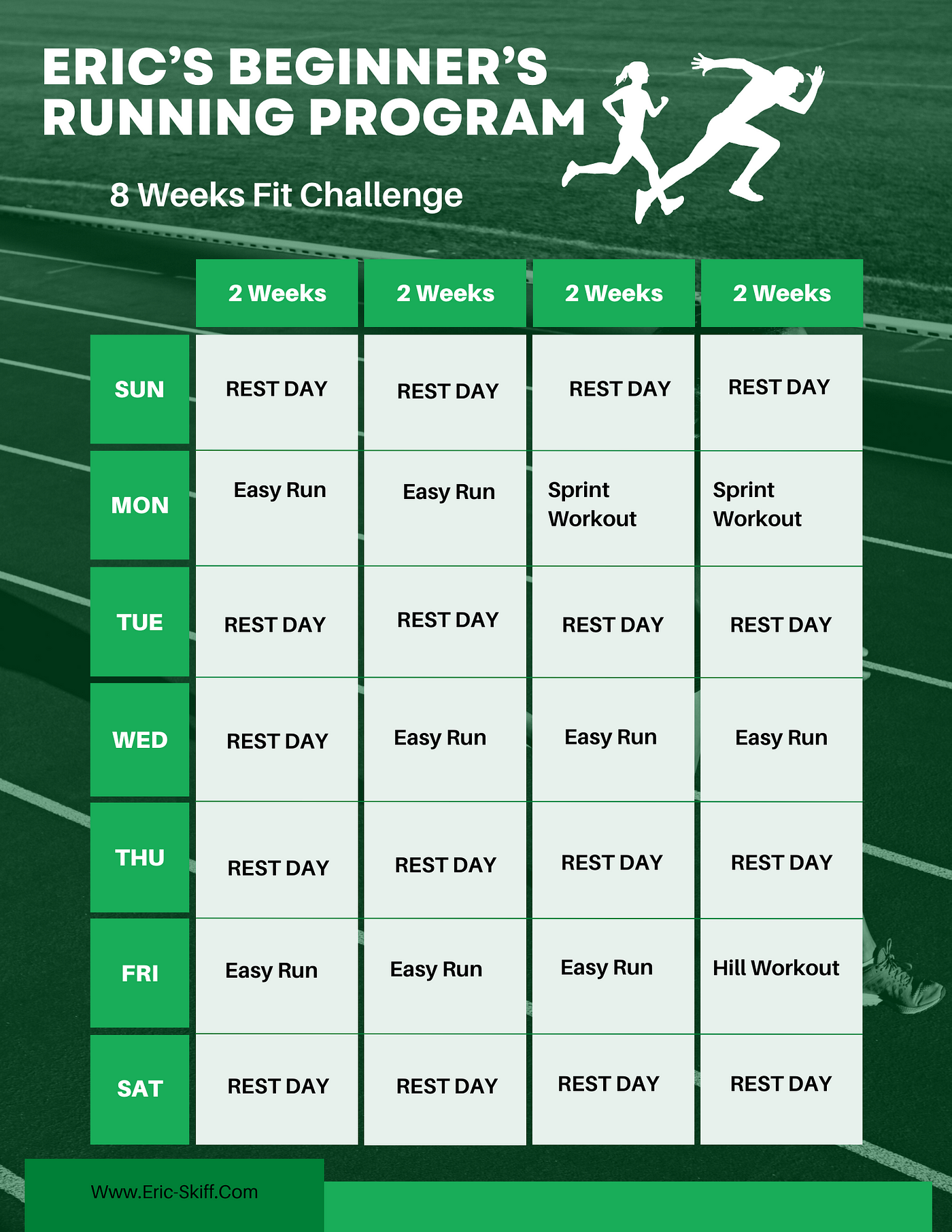
Speed workouts help runners improve their mile time by increasing pace and endurance. These workouts push the body to run faster and recover quickly. Regular speed training builds strength, improves running form, and boosts confidence on race day. The key is consistency and proper rest between sessions.
Interval Training
Interval training involves running fast for short bursts followed by recovery periods. For example, sprint 400 meters, then jog or walk for 1-2 minutes. Repeat this cycle several times. This workout trains the body to handle high speeds and recover quickly. It improves both aerobic and anaerobic fitness, essential for faster mile times.
Fartlek Runs
Fartlek means “speed play” in Swedish. It mixes easy running with random bursts of speed. You can sprint between two lampposts or pick a tree to run fast to. This workout is flexible and fun, helping improve speed and endurance. It teaches the body to switch quickly from slow to fast pace.
Hill Sprints
Hill sprints build strength and power in the legs. Find a steep hill and sprint up for 15-30 seconds. Walk down slowly to recover. Repeat 6-10 times. Hill sprints increase muscle strength, improve running economy, and boost speed on flat surfaces. They also reduce injury risk by strengthening tendons and ligaments.
Endurance Building Exercises
Building endurance is key to improving your mile time. Endurance exercises help your body use oxygen better. This allows you to run longer without getting tired. These workouts increase your stamina and mental strength. Focus on steady, controlled runs that push your limits slowly.
Long Slow Distance Runs
Long slow distance runs train your muscles to work efficiently. Run at a comfortable pace for 45 minutes or more. This builds your aerobic base and improves fat burning. Keep the pace steady and avoid sprinting. These runs help your heart and lungs become stronger.
Tempo Runs
Tempo runs boost your lactate threshold, letting you run faster longer. Run at a “comfortably hard” pace, just below your sprint speed. Maintain this pace for 20 minutes or more. This workout trains your body to clear fatigue faster. It feels challenging but sustainable.
Progressive Runs
Progressive runs start slow and get faster each mile. Begin at an easy pace, then increase speed every few minutes. Finish near your maximum effort by the end. This trains your body to adapt to faster speeds gradually. It also builds mental toughness for race day.
Credit: medium.com
Strength Training For Runners
Strength training is a key factor in improving your mile time. It builds the muscles you rely on for power and speed, helping you run faster without extra effort. By focusing on specific muscle groups, you can enhance your running economy and reduce the risk of injury.
Core Stability Work
Your core is the foundation for every stride you take. Strong core muscles help maintain good posture and balance throughout your run, reducing wasted energy. Try exercises like planks, Russian twists, and bird-dogs to strengthen this area.
Think about how often you feel tired or off-balance during a run. Could your core be the weak link? Improving core stability can directly translate to a smoother, faster mile.
Leg Strength Exercises
Leg muscles generate the force needed to propel you forward. Squats, lunges, and step-ups target your quads, hamstrings, and glutes, making each step more powerful.
Adding weight or resistance bands can challenge your muscles further. Have you noticed your legs feeling tired before your lungs? Building leg strength can delay fatigue and boost your speed.
Plyometric Drills
Plyometrics train your muscles to contract quickly and explosively. Exercises like jump squats, box jumps, and bounding drills improve your stride efficiency and running cadence.
These drills might feel intense, but they teach your body to generate speed with less effort. How often do you practice fast, explosive movements outside of running? Including plyometrics can shave seconds off your mile time.
Recovery And Injury Prevention
Recovery and injury prevention are key to improving your mile time safely. They help your body heal and get stronger. Without proper recovery, your muscles stay tired and injuries may happen. Good recovery lets you train harder and faster over time. Pay attention to rest, stretching, and nutrition to keep your body in top shape.
Importance Of Rest Days
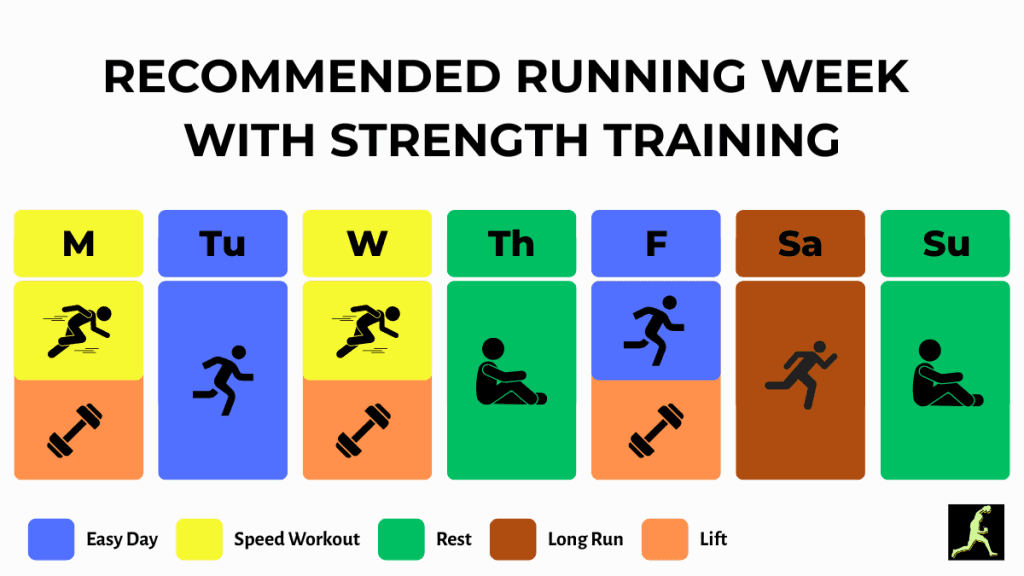
Rest days let your muscles repair and grow. They reduce fatigue and lower injury risks. Your body needs time off from hard workouts. Taking at least one or two rest days each week helps maintain energy. On rest days, avoid intense activities. Light walking or gentle movement can improve blood flow and speed recovery.
Stretching And Mobility
Stretching improves flexibility and prevents tight muscles. It helps joints move better, reducing injury chances. Include dynamic stretches before running to warm up. After workouts, use static stretches to relax muscles. Mobility exercises strengthen muscles around joints. This support reduces strain and improves running form. Aim for 10-15 minutes of stretching daily.
Nutrition Tips
Nutrition fuels recovery and boosts performance. Eating protein helps rebuild muscle fibers. Carbohydrates refill energy stores used during runs. Drink plenty of water to stay hydrated. Include vitamins and minerals to support healing. Foods like lean meat, fruits, vegetables, and whole grains are excellent. Avoid heavy meals before running to prevent discomfort.
Credit: www.thetravelrunner.com
Tracking Progress And Adjusting Workouts
Tracking your progress is key to improving your mile time. Without tracking, you might miss signs of improvement or setbacks. Adjusting workouts based on real data helps avoid plateaus and injury. It keeps training effective and focused on your goals.
Using A Running Log
A running log records your workouts, times, distances, and feelings. It shows patterns and progress over days and weeks. You can write down:
- Time taken for each mile
- Type of workout (speed, endurance, recovery)
- How you felt during and after running
- Weather and route conditions
Review the log weekly to spot trends. It helps identify what works and what needs change.
Setting Realistic Goals
Set goals that are clear and achievable. For example, aim to cut your mile time by a few seconds each month. Unrealistic goals cause frustration and loss of motivation.
Break big goals into smaller steps. Celebrate small wins to stay encouraged. Goals should be specific, measurable, and timed.
Adapting Training Plans
Change your plan based on your progress and feedback from your body. If you improve quickly, increase intensity or distance slowly. If you feel pain or fatigue, reduce workload or rest more.
Mix different workouts like intervals, tempo runs, and easy runs. Variety helps avoid boredom and injury. Listen to your body and adjust workouts to keep progressing safely.
Frequently Asked Questions
What Workouts Best Improve Mile Running Time?
Interval training, tempo runs, and hill sprints boost mile speed. These workouts increase endurance, strength, and aerobic capacity efficiently.
How Often Should I Train To Improve Mile Time?
Train 3-5 times weekly, mixing easy runs, speed workouts, and rest days. Consistency and recovery are key to progress.
Can Strength Training Help Improve Mile Performance?
Yes, strength training enhances muscle power and running economy. Focus on core, legs, and glutes for better mile times.
What Role Does Pacing Play In Improving Mile Time?
Proper pacing prevents early fatigue and optimizes energy use. Practice even splits or slight negative splits during training.
Conclusion
Improving your mile time takes steady effort and smart workouts. Focus on building speed, strength, and endurance. Mix interval runs with steady pacing exercises. Don’t forget to rest and recover well. Track your progress to stay motivated. Small steps lead to big results.
Keep training with patience and consistency. Your faster mile is within reach.







