
Do you ever feel like your body is begging for a break after an intense workout? Understanding workout recovery time is crucial for anyone dedicated to fitness.
It’s not just about resting; it’s about letting your body heal and grow stronger. Ignoring recovery can lead to burnout, injuries, and even slower progress. Imagine achieving your fitness goals faster and with less pain. The secret? Mastering the art of recovery.
Dive in, and discover how optimizing your recovery time can transform your fitness journey, making every sweat session more effective and enjoyable. Your body will thank you!
Why Recovery Matters
Recovery is a key part of any workout plan. It allows the body to heal and adapt. Without enough rest, workouts become less effective. Recovery helps keep the body strong and ready for the next session. It prevents injuries and keeps motivation high.
Muscle Repair And Growth
During exercise, muscles experience tiny tears. Recovery gives time for these tears to heal. This healing makes muscles stronger and bigger. Without rest, muscles cannot repair well. Good recovery supports steady progress and better results.
Preventing Overtraining
Overtraining happens when the body works too hard without rest. It causes fatigue, weak muscles, and low energy. Recovery stops overtraining by giving the body time to recharge. Rest days help maintain balance and avoid burnout.
Enhancing Performance
Rest improves focus and energy for workouts. Recovery helps increase strength, speed, and endurance. It prepares the body for harder training sessions. Skipping recovery lowers performance and slows progress.

Credit: medium.com
Signs You Need More Recovery
Knowing when your body needs more recovery is crucial to avoid injury and improve your workout results. Ignoring the signs can lead to burnout and stalled progress. Listen closely to what your body is telling you—are you pushing too hard without enough rest?
Persistent Fatigue
Feeling tired even after a good night’s sleep is a red flag. Persistent fatigue means your muscles and nervous system haven’t fully recovered. This constant tiredness can make workouts feel harder and reduce your motivation.
If you find yourself dragging through daily tasks or workouts, it’s time to take a break. Pay attention to how long this fatigue lasts—if it sticks around for several days, your recovery needs a serious boost.
Decreased Strength
Have you noticed your lifts or performance dropping despite consistent training? A decrease in strength often signals that your muscles haven’t had enough time to repair. Pushing through this can increase your risk of injury.
Try tracking your progress in a workout journal. If your strength numbers are declining or plateauing, it might mean you need more rest days or lighter sessions.
Elevated Resting Heart Rate
Checking your resting heart rate each morning can reveal how well your body is recovering. An elevated resting heart rate—higher than your normal baseline—can indicate stress and fatigue.
This subtle sign often goes unnoticed but can predict overtraining before other symptoms appear. Have you been tracking your heart rate? If not, it might be time to start.
Optimal Recovery Durations
Optimal recovery durations are key to making consistent progress in your workouts. Taking the right amount of time to rest allows your muscles to repair and grow stronger. But how do you know what’s the best recovery time for you? It depends on the type of workout, your body’s response, and how you balance rest with activity.
Recovery For Different Workout Types
Not all workouts demand the same recovery time. For example, intense weightlifting sessions often require 48 to 72 hours for muscle recovery. On the other hand, low-impact cardio like walking might only need a few hours before you can safely do it again.
High-intensity interval training (HIIT) pushes your body hard, so a full day or two of rest is usually beneficial. Yoga or stretching exercises, which are gentler, can be done more frequently without extended breaks. Ask yourself: what kind of workout did I do, and how does my body feel afterward?
Individual Recovery Variations
Your recovery needs might differ from others, even if you do the same workout. Factors like age, nutrition, sleep quality, and stress levels play a big role. I once pushed through soreness without enough rest and ended up feeling more tired and less motivated.
Tracking how you feel before and after workouts can help you find your ideal recovery time. Some people bounce back in less than 24 hours; others need more. Listen to your body and adjust your rest accordingly—it’s not a one-size-fits-all situation.
Balancing Rest And Activity
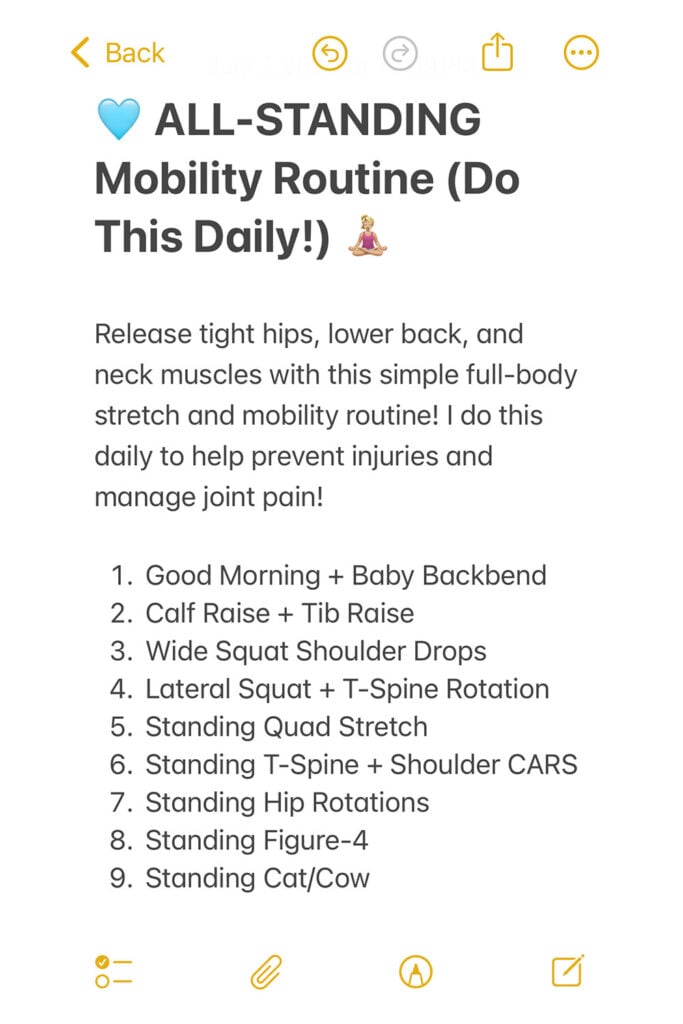
Rest doesn’t always mean complete inactivity. Active recovery, such as light walking or gentle stretching, can boost blood flow and speed up healing. Avoid long periods of sitting or lying down, which might slow your progress.
Think about your recovery days as part of your training plan, not breaks from it. How can you add light movement without compromising your muscles’ rest? This balance keeps your body ready for the next workout and reduces the risk of injury.
Credit: www.nourishmovelove.com
Nutrition Strategies For Recovery
Nutrition plays a crucial role in how quickly and effectively your body recovers after a workout. The right foods and timing can help repair muscles, restore energy, and reduce soreness. Let’s dive into specific nutrition strategies that make a real difference in your recovery process.
Protein Timing And Intake
Your muscles need protein to repair and grow stronger after exercise. Aim to consume a source of protein within 30 to 60 minutes after your workout to maximize muscle recovery.
Whey protein shakes are a quick and effective option, but whole foods like chicken, eggs, or Greek yogurt work just as well. Try to get around 20-30 grams of protein post-workout; this amount helps jumpstart muscle repair.
Have you noticed how your muscle soreness decreases when you consistently eat enough protein after training? That’s not a coincidence—protein timing can be a game-changer.
Carbohydrates And Energy Replenishment
Carbohydrates are your body’s main source of energy, especially after intense workouts. Eating carbs soon after exercise helps replenish glycogen stores that fuel your muscles.
Choose complex carbs like sweet potatoes, brown rice, or oats for sustained energy release. Adding a moderate amount of carbs to your post-workout meal supports faster recovery and prepares you for your next session.
Wondering how much carbs you really need? A good rule of thumb is to consume 1 to 1.5 grams of carbs per kilogram of your body weight within two hours after exercise.
Hydration Importance
Hydration is often overlooked but is vital for recovery. Water helps transport nutrients to your muscles and flushes out toxins built up during exercise.
Drinking fluids before, during, and after your workout keeps your body functioning at its best. If you sweat heavily, consider drinks with electrolytes to replace lost minerals like sodium and potassium.
How often do you check your hydration levels? Next time you feel fatigued or sore, it might be your body signaling dehydration rather than just muscle strain.
Effective Recovery Techniques
Effective recovery techniques can make a huge difference in how quickly your body bounces back after a tough workout. They help reduce muscle soreness, prevent injury, and improve your overall performance. Paying attention to how you recover is just as important as the workout itself.
Active Recovery Methods
Active recovery means doing light exercises instead of complete rest. Activities like walking, cycling, or swimming at a low intensity increase blood flow to your muscles. This helps clear out waste products and delivers nutrients needed for repair.
When I started adding easy jogging on rest days, I noticed less stiffness and faster recovery after intense runs. Have you tried moving gently instead of sitting still after a workout? It might surprise you how much it speeds things up.
Stretching And Mobility Work
Stretching helps improve flexibility and reduces tightness in muscles. Spending 10-15 minutes on dynamic and static stretches can ease tension and improve your range of motion.
Mobility exercises, such as foam rolling or controlled joint movements, promote better circulation and release muscle knots. Incorporating these regularly can prevent injury and keep your body feeling agile.
Sleep And Its Role
Sleep is where most muscle repair happens. During deep sleep, your body releases growth hormones that help rebuild muscle fibers.
Getting 7-9 hours of quality sleep improves recovery speed and mental focus. Think about how you feel after a poor night’s sleep—your body just doesn’t bounce back as well. Are you prioritizing rest as much as your workouts?
Supplements To Support Recovery
Supplements can play a key role in speeding up your workout recovery time. They help reduce muscle soreness, replenish nutrients, and repair tissues faster. But with so many options, it’s important to know which supplements truly support your body and which might just be marketing hype.
Common Recovery Supplements
Many people turn to well-known supplements after exercise. These include:
- Protein powders:Whey and plant-based proteins help rebuild muscle fibers.
- Branched-Chain Amino Acids (BCAAs):Often used to reduce muscle soreness.
- Creatine:Supports muscle repair and energy replenishment.
- Omega-3 fatty acids:Known for their anti-inflammatory properties.
- Glutamine:Believed to aid muscle recovery and immune function.
Which of these have you tried, and did you notice any difference in your recovery?
Evidence-based Choices
Not every supplement lives up to its promises. Research consistently supports protein supplementation for muscle repair, especially after intense workouts.
BCAAs show mixed results; they might help if your overall protein intake is low but offer limited benefits if your diet already includes enough protein.
Creatine has strong evidence backing its role in enhancing recovery and strength gains. Omega-3s can reduce inflammation, but you need consistent intake over time to see effects.
Before adding supplements, consider how your current diet and recovery routine might already cover your needs.
Potential Risks
Supplements aren’t risk-free. Overusing protein powders can strain your kidneys if you have pre-existing issues.
BCAAs and creatine might cause digestive discomfort or dehydration if not taken with enough water.
Some supplements can interact with medications or cause allergic reactions. Always check with a healthcare provider before starting new supplements.
Are you tracking how your body reacts to supplements, or do you take them without much thought?
Tracking And Adjusting Recovery
Tracking and adjusting your workout recovery is key to staying on track and avoiding injury. Recovery isn’t just about resting; it’s about understanding how your body responds and making changes that help you bounce back stronger. Paying close attention to your recovery can turn a good workout routine into a great one.
Using Technology And Apps
Technology makes tracking recovery easier than ever. Apps can monitor your sleep, heart rate, and muscle soreness to give you clear data on when you’re ready to train again.
Wearable devices like fitness trackers provide real-time feedback on your recovery status. Some apps even suggest rest days or light workouts based on your recent activity and recovery trends.
Have you tried using any recovery apps? You might find they highlight patterns you never noticed, such as how late-night screen time affects your muscle repair.
Listening To Your Body
Your body gives signals every day about its recovery state—pain, fatigue, and stiffness are common signs you should slow down. Ignoring these can lead to burnout or injury.
Pay close attention to how you feel during warm-ups and throughout your day. Sometimes a slight drop in energy or mood can mean your muscles need more time to heal.
What small signs have you noticed before that indicated you needed extra rest? Recognizing these early helps you avoid bigger setbacks.
Adjusting Workouts Accordingly
Recovery tracking isn’t just about rest; it’s about adjusting your workouts based on what your body needs. If you’re still sore or tired, reduce workout intensity or switch to low-impact activities like yoga or walking.
Mix in active recovery days to keep moving without stressing your muscles. This approach can speed up healing and keep your momentum going.
Ask yourself: Are you pushing hard every day, or adjusting based on how your body feels? Tailoring your workouts can improve your performance and keep injuries at bay.

Credit: www.patreon.com
Frequently Asked Questions
How Long Should Workout Recovery Last?
Workout recovery typically lasts 24 to 72 hours depending on exercise intensity. Proper rest helps muscles repair and grow. Listening to your body ensures you avoid overtraining and injury. Recovery time varies by individual fitness levels and workout types.
What Factors Affect Workout Recovery Time?
Recovery time depends on exercise intensity, duration, age, nutrition, and sleep quality. Higher intensity workouts need longer rest. Proper hydration and balanced diet speed up recovery. Adequate sleep supports muscle repair and reduces fatigue.
Can Active Recovery Improve Workout Recovery?
Yes, active recovery like light walking or stretching promotes blood flow and muscle healing. It reduces soreness and speeds up recovery compared to complete rest. Active recovery helps maintain mobility and prevents stiffness.
How Does Nutrition Impact Workout Recovery?
Nutrition fuels muscle repair and replenishes energy stores. Protein intake is crucial for muscle rebuilding. Carbohydrates restore glycogen levels. Hydration supports overall recovery. Balanced meals after workouts enhance recovery speed and effectiveness.
Conclusion
Rest is key to help your muscles heal and grow. Giving your body time to recover reduces the chance of injury. Balanced sleep, good food, and hydration speed up recovery. Listen to your body’s signals and avoid pushing too hard.
Recovery helps you stay strong and improve your workouts. Take breaks seriously to enjoy long-term fitness success. Recovery time is part of every good exercise plan. Your body will thank you for the care you give it.







