
Are you looking to shave precious seconds off your mile time? Whether you’re a seasoned runner or just starting out, improving your mile pace can be both a rewarding and challenging goal.
Imagine the thrill of crossing the finish line faster than ever before, feeling stronger and more accomplished with each step. The secret to achieving this lies in the right workouts, tailored to boost your speed, endurance, and confidence. You’ll discover effective workouts that not only promise to enhance your mile time but also make your running routine more enjoyable and dynamic.
Get ready to unlock your potential and transform the way you run!
Benefits Of Faster Mile Times
Improving your mile time does more than just boost your speed on the track. It challenges your body and mind, leading to benefits that extend into many areas of your life. Faster mile times can enhance your fitness, confidence, and even your daily energy levels.
Improved Cardiovascular Health
Running faster pushes your heart to pump more efficiently. This strengthens your cardiovascular system, lowering the risk of heart disease. You may notice that activities like climbing stairs or carrying groceries become easier over time.
Increased Endurance And Stamina
Training to run a quicker mile builds your endurance. This means you can stay active longer without feeling tired. Imagine having the stamina to keep up with friends during a hike or play sports without gasping for breath.
Boosted Mental Toughness
Working to improve your mile time teaches discipline and focus. Each workout pushes you past your comfort zone, which builds mental strength. Have you ever surprised yourself by finishing a tough run stronger than expected? That’s mental toughness growing.
Enhanced Metabolic Rate And Fat Burn
Running faster increases your metabolism, helping you burn more calories even after your workout ends. This can support weight management and improve body composition. Think of it as a natural way to keep your energy levels high throughout the day.
Better Time Efficiency
When you run faster, you spend less time exercising but still get great results. This efficiency frees up time for other important parts of your day. Could shaving minutes off your mile open new possibilities in your schedule?
Positive Impact On Mood And Stress
Speed workouts release feel-good hormones like endorphins. This can reduce stress and improve your mood quickly. After a fast run, you might notice a clearer mind and a lighter heart, ready to tackle the rest of your day.

Credit: www.reddit.com
Key Factors Affecting Mile Performance
Improving your mile time isn’t just about running faster. Several key factors come into play that affect how well you perform during that crucial 1609 meters. Understanding these elements can help you train smarter and see real progress.
Speed And Endurance
Your mile time depends heavily on how well you balance speed and endurance. Sprinting all out won’t get you far if you burn out halfway. Likewise, running at a slow, steady pace won’t push your limits.
Try mixing interval training with longer steady runs. For example, short bursts of 400-meter sprints followed by recovery jogs build speed, while 3-5 mile runs improve your stamina. This combination trains your body to maintain a faster pace without tiring too quickly.
Running Form
Good running form helps you move efficiently and reduces the risk of injury. Are you landing heavily on your heels or pushing off with your toes? Both can slow you down.
Focus on keeping your head up, shoulders relaxed, and arms swinging naturally at your sides. A slight forward lean from your ankles—not your waist—can also improve your stride. These small adjustments save energy and improve your speed over time.
Mental Toughness
How often do you find yourself giving up when the going gets tough? Your mind plays a huge role in pushing through pain and fatigue during a mile run.
Practice setting small goals within your run, like reaching the next lamp post or maintaining your pace for another 30 seconds. Building mental toughness helps you stay focused and motivated, even when your body wants to slow down.
Speed Workouts For Mile Improvement
Speed workouts are essential if you want to shave seconds off your mile time. They push your body to run faster and help improve your endurance and running economy. Adding specific speed workouts to your routine challenges your muscles and cardiovascular system in ways steady running cannot.
Interval Training
Interval training involves alternating between high-intensity running and recovery periods. For example, sprinting 400 meters at near maximum effort, then jogging or walking for 2 minutes before repeating. This trains your body to sustain faster speeds and recover quickly, which directly improves your mile pace.
You can vary the distance and rest times based on your fitness level. Try starting with 4 to 6 repeats and gradually increasing as you get stronger. Ever noticed how your mile feels easier after a few weeks of intervals? That’s your speed and stamina improving.
Hill Sprints
Hill sprints build explosive power and strengthen your legs. Find a steep hill and sprint up for 15 to 30 seconds, then walk back down to rest. This workout improves your stride and running form, which translates to faster flat-ground speeds.
Hill sprints are tough but incredibly effective. They also reduce injury risk by strengthening tendons and muscles. Adding just 5 to 8 hill sprints once a week can make a noticeable difference in your mile time.
Tempo Runs
Tempo runs involve running at a “comfortably hard” pace—faster than your usual easy run but sustainable for 20 to 30 minutes. This type of workout improves your lactate threshold, meaning you can maintain faster speeds without tiring quickly.
Try running at a pace where you can speak in short sentences but not hold a full conversation. Tempo runs train your body to handle the discomfort of racing pace. Consistent tempo runs will make your mile feel more manageable and less exhausting.
Strength Training Exercises
Strength training exercises build muscles that support faster running. They improve endurance and reduce injury risks. Targeting specific muscle groups helps increase overall speed and efficiency. Focus on core, leg power, and plyometrics for best results.
Core Strength
A strong core stabilizes your body during a run. It helps maintain good posture and balance. Exercises like planks, Russian twists, and bicycle crunches strengthen abdominal and lower back muscles. A solid core reduces energy waste and improves stride control.
Leg Power
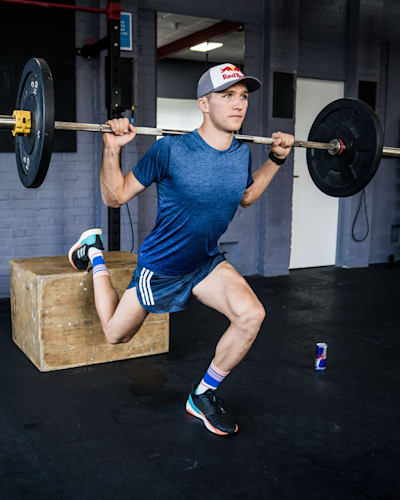
Leg strength directly impacts running speed. Squats, lunges, and deadlifts build muscle in quads, hamstrings, and calves. Strong legs push off the ground harder and faster. This increases stride length and speed. Use moderate weights and focus on proper form.
Plyometrics
Plyometric exercises boost explosive power and quickness. Jump squats, box jumps, and bounding improve fast-twitch muscle fibers. These muscles fire quickly during sprinting. Plyometrics also enhance coordination and agility. Include short bursts of these exercises in your training.
Flexibility And Mobility Drills
Improving your mile time isn’t just about running faster or harder. Flexibility and mobility drills play a crucial role in enhancing your running efficiency and reducing injury risk. These exercises help your muscles move better, making every stride smoother and more powerful.
Dynamic Stretching
Dynamic stretching warms up your muscles by moving them through their full range of motion. It’s different from static stretching because it gets your body ready to run, not just relaxed.
Try leg swings, walking lunges, or high knees before your runs. These movements increase blood flow and activate muscles you’ll use during your mile. Have you noticed how your legs feel when you skip this step? Chances are, they’re tighter and less responsive.
Foam Rolling
Foam rolling helps release tight spots in your muscles, improving blood flow and flexibility. It’s like giving your legs a deep tissue massage that you control.
Spend a few minutes on your calves, quads, hamstrings, and IT bands. You’ll feel a difference in how easily your muscles stretch during your workout. Ever felt stuck in a stiff run? Foam rolling can break that cycle.
Hip Mobility
Strong hip mobility is essential for efficient running mechanics. Limited hip movement can cause you to waste energy and slow down.
Incorporate exercises like hip circles, hip openers, and deep squats into your routine. These drills improve your stride length and help prevent common running injuries. What if your hips were your strongest asset in shaving seconds off your mile time?

Credit: www.reddit.com
Recovery Techniques To Boost Performance
Recovery plays a key role in improving your mile time. It helps your muscles heal and grow stronger. Proper recovery reduces the risk of injury. It allows you to train harder and perform better. Using smart recovery techniques can boost your running speed and endurance.
Rest Days
Rest days give your body time to repair itself. Avoid intense workouts on these days. Your muscles rebuild and get stronger during rest. Skipping rest can cause fatigue and slow progress. Use rest days to relax and recharge fully.
Active Recovery
Active recovery means light exercise on rest days. Activities like walking, cycling, or swimming help blood flow. This reduces muscle soreness and stiffness. Active recovery speeds up healing without stressing your body. Keep the intensity low and focus on gentle movement.
Nutrition Tips
Eating well supports your recovery process. Focus on these nutrition tips:
- Consume protein to repair muscle tissue
- Eat carbohydrates to restore energy stores
- Include healthy fats for overall health
- Stay hydrated to help muscle function
- Choose whole foods over processed snacks
Good nutrition helps your body bounce back faster. It fuels your next workout and improves performance.
Tracking Progress And Setting Goals
Tracking your progress and setting clear goals are essential steps to improve your mile time effectively. Without monitoring how you’re doing, it’s hard to know if your workouts are working or if you need to change your approach. Setting goals helps keep your focus sharp and pushes you to reach new levels.
Using Timed Trials
Timed trials are a straightforward way to measure your current mile time. Try running a mile at your best effort every two to four weeks. Write down your times and conditions, like weather or how you felt, to spot patterns and improvements.
Keep these trials consistent. Run on the same track or route and at a similar time of day to get reliable results. Tracking these times shows you exactly where you stand and helps you set realistic targets.
Adjusting Workouts
Use your timed trial results to tweak your training. If your times aren’t improving, maybe you need more speed work or longer intervals. If you’re feeling worn out, it might be time to add more rest or recovery runs.
Changing your workouts based on data keeps your training effective and prevents plateauing. For example, after a trial, you might add hill sprints to build strength or tempo runs to improve endurance. Are your current workouts pushing you enough?
Staying Motivated
Tracking progress can boost your motivation, especially when you see improvements, even small ones. Celebrate each personal best and remind yourself why you started. Sharing your goals and progress with friends or a running group adds accountability and encouragement.
Motivation often dips, but setting short-term goals within your bigger mile time target can keep you moving forward. What small milestone can you aim for this week that will bring you closer to your ultimate goal?
Credit: www.redbull.com
Frequently Asked Questions
What Are The Best Workouts To Improve Mile Time?
Interval training, tempo runs, and hill sprints are top workouts. These exercises boost speed, endurance, and running efficiency. Consistent practice with these workouts helps lower mile times effectively.
How Often Should I Train To Run A Faster Mile?
Training 3-4 times weekly balances improvement and recovery. Include varied workouts like intervals and long runs. Rest days prevent injury and promote muscle repair for better performance.
Can Strength Training Improve My Mile Time?
Yes, strength training enhances muscle power and running form. Focus on core, legs, and glutes. Stronger muscles improve speed and endurance, reducing fatigue during your mile run.
Should I Include Hill Workouts To Improve Mile Time?
Hill workouts build strength, speed, and cardiovascular fitness. Running uphill increases muscle engagement and stamina. Incorporate hills once a week for noticeable mile time improvements.
Conclusion
Improving your mile time takes practice and patience. Consistent workouts build strength and speed. Mix different exercises for best results. Rest and proper nutrition help your body recover. Track your progress and stay motivated. Small steps lead to big improvements over time.
Keep pushing yourself, but listen to your body. Your mile time will get better with effort. Stay focused and enjoy the journey.







