
Are you a 55-year-old man looking to stay fit and active? You might feel like finding the right workout routine is a challenge.
But don’t worry, you’re in the right place! Imagine having a simple, effective workout plan right at your fingertips, tailored just for you. The “Workout Routine for 55 Year Old Man Pdf” is designed to meet your needs, focusing on strength, flexibility, and overall wellness.
In this blog post, you’ll discover how this routine can boost your energy, improve your health, and keep you feeling youthful. Keep reading to learn how you can transform your fitness journey and download the PDF that could change your life.
Credit: www.nourishmovelove.com
Benefits Of Strength Training After 50
Strength training after 50 offers more than just muscle gains. It plays a crucial role in maintaining your overall health and independence as you age. The benefits extend beyond the gym, impacting your daily life in meaningful ways.
Improved Muscle Mass
After 50, muscle loss accelerates if you don’t stay active. Strength training helps rebuild and maintain muscle mass, making everyday tasks easier. You’ll notice improvements in your posture, balance, and ability to lift objects without strain.
Have you ever struggled to carry groceries or climb stairs? Building muscle can change that experience. Consistent workouts can restore your strength and confidence.
Enhanced Bone Density
Bone density decreases naturally with age, increasing the risk of fractures. Weight-bearing exercises stimulate your bones to stay strong. This is crucial for preventing osteoporosis and injuries.
Think about how much more stable you’ll feel when walking or standing. Strength training supports your skeletal system, helping you stay active and independent longer.
Better Metabolic Health
Metabolism slows as you get older, often leading to weight gain and increased health risks. Strength training boosts your metabolism by increasing lean muscle mass, which burns more calories even at rest.
This means you can manage your weight more effectively and reduce the risk of conditions like diabetes and heart disease. Are you ready to take control of your health by changing your workout?
Increased Energy Levels
Many people notice a drop in energy as they age. Strength training improves your stamina by enhancing muscle efficiency and cardiovascular health. You’ll find you can do more throughout your day without feeling drained.
Imagine waking up feeling ready to tackle your daily activities. Regular strength workouts can give you that boost and improve your overall quality of life.
Credit: www.nourishmovelove.com
Key Considerations For Older Adults
Starting a workout routine after 55 requires special attention. The body changes with age and needs proper care. Understanding key factors helps maintain health and avoid injury. This ensures exercise is safe and effective.
Medical Clearance And Safety
Older adults should consult a doctor before beginning any workout plan. A medical check-up can identify health risks. It helps tailor exercises to individual needs and limits. Safety comes first to prevent heart problems or other issues during exercise.
Joint Health And Mobility
Joints may become stiffer and less flexible with age. Focus on low-impact exercises to protect joints. Gentle stretching improves mobility and reduces pain. Avoid movements that cause discomfort or strain. Maintaining joint health supports long-term physical activity.
Recovery Time
The body needs more time to recover as it ages. Allow sufficient rest between workout sessions. This prevents overuse injuries and fatigue. Listen to your body and adjust intensity accordingly. Proper recovery helps build strength safely.
Setting Realistic Goals
Set clear and achievable fitness goals. Avoid aiming for rapid or extreme changes. Goals should focus on improving health, strength, and balance. Celebrate small progress to stay motivated. Realistic targets encourage consistent and enjoyable workouts.
Essential Warm-up Exercises
Warming up is crucial before starting any workout. It prepares the body and mind for exercise. Warm-up exercises increase blood flow and reduce injury risk. They improve flexibility and muscle performance. For a 55-year-old man, warming up gently is important. The focus should be on loosening muscles and activating joints. Here are some essential warm-up exercises to include.
Dynamic Stretching
Dynamic stretching moves muscles through a full range. It warms muscles without holding tension. Examples include leg swings, arm circles, and torso twists. These stretches raise heart rate and improve mobility. They prepare muscles for more intense activity.
Light Cardio Options
Light cardio increases heart rate and blood flow gradually. It helps warm up the whole body. Options include brisk walking, slow jogging, or cycling on a stationary bike. Aim for 5 to 10 minutes of light cardio. This step reduces stiffness and prepares the lungs.
Joint Activation
Joint activation focuses on moving key joints gently. This improves joint lubrication and range of motion. Simple exercises include ankle circles, wrist rotations, and shoulder shrugs. These movements help reduce joint discomfort during workouts. They prepare the body for smooth, pain-free motion.
Strength Training Exercises For Men Over 55
Strength training is vital for men over 55 to maintain muscle mass, bone density, and overall health. It supports joint function and helps prevent injuries. Exercises tailored to this age group improve balance and boost energy levels. A consistent routine builds strength and enhances daily activities.
Bodyweight Movements
Bodyweight exercises are easy to do anywhere and need no equipment. They improve strength, flexibility, and balance. Examples include:
- Squats to strengthen legs and hips
- Push-ups for chest and arm strength
- Wall sits to build endurance in lower body
- Modified planks for core stability
These moves are gentle on joints and can be adjusted for ability levels.
Resistance Band Workouts
Resistance bands offer safe muscle resistance and improve flexibility. They are lightweight and portable for home or travel use. Key exercises include:
- Seated rows to target back muscles
- Bicep curls for arm strength
- Leg presses to work thighs and glutes
- Lateral band walks to strengthen hips
Resistance bands allow gradual progress and reduce injury risk.
Free Weights And Machines
Free weights and machines build muscle mass and support bone health. They help isolate muscle groups for focused strength gains. Common exercises are:
- Dumbbell shoulder presses for upper body strength
- Leg curls on machines for hamstrings
- Chest presses to improve upper body power
- Lat pulldowns for back muscle development
Start with light weights and increase slowly to avoid strain.
Core Strengthening
A strong core improves posture, balance, and reduces fall risk. Core exercises include:
- Pelvic tilts to engage lower abs
- Bird-dogs for back and core stability
- Seated marches to activate abdominal muscles
- Bridges to strengthen lower back and hips
Core workouts enhance daily movement and support overall strength.
Sample Weekly Workout Plan
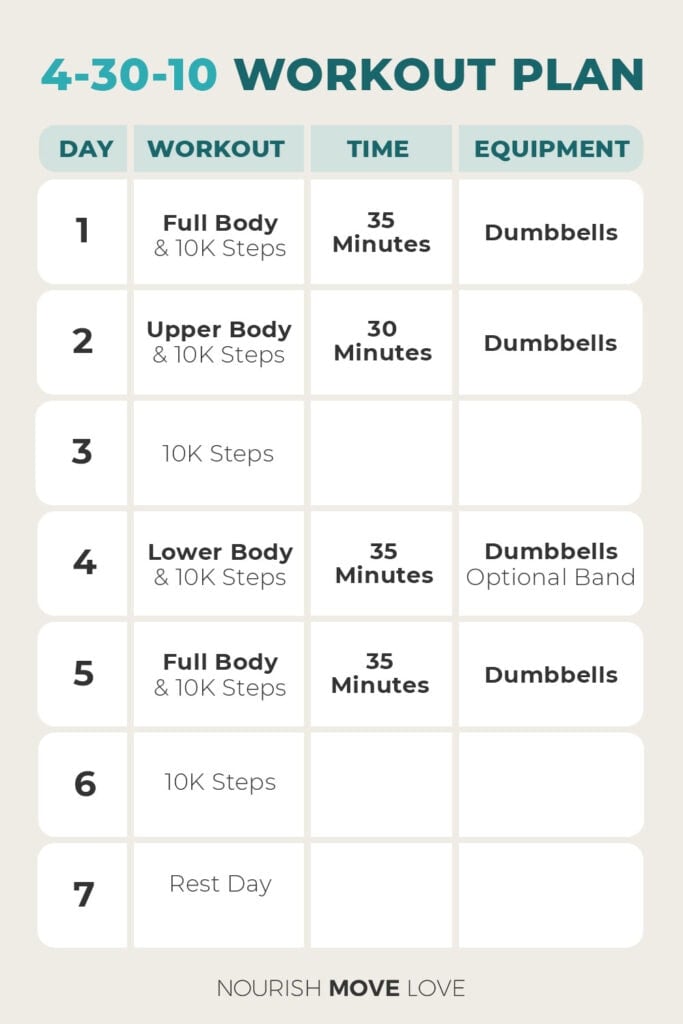
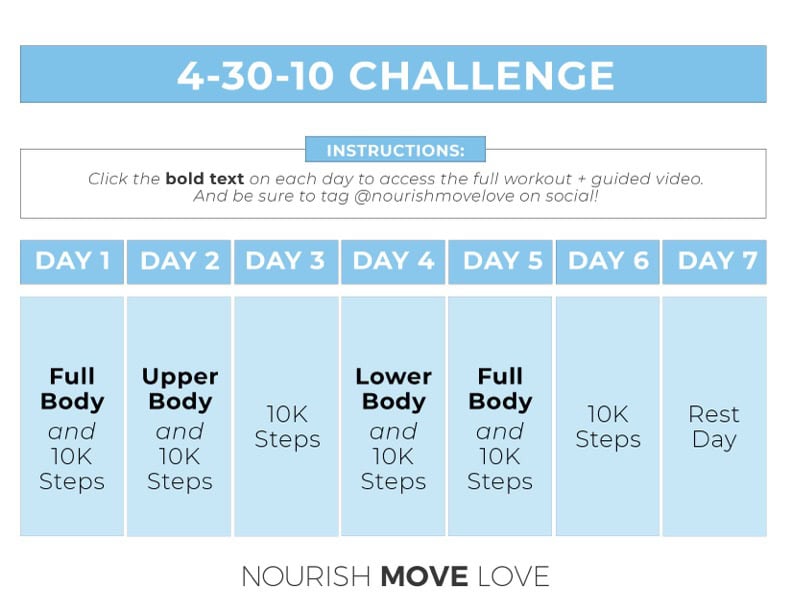
A well-structured workout plan helps maintain strength and energy at 55. This sample weekly workout plan balances exercise and rest. It supports overall health and mobility. Each day targets different muscle groups or fitness aspects. Follow this plan to stay active and feel better every day.
Day 1: Upper Body Focus
- Warm-up: 5 minutes of light cardio
- Push-ups: 3 sets of 10-12 reps
- Dumbbell Rows: 3 sets of 10 reps per arm
- Shoulder Press: 3 sets of 10 reps
- Bicep Curls: 3 sets of 12 reps
- Tricep Dips: 3 sets of 10 reps
- Cool down: Stretch arms and shoulders
Day 2: Lower Body Focus
- Warm-up: 5 minutes walking or cycling
- Squats: 3 sets of 12 reps
- Lunges: 3 sets of 10 reps per leg
- Glute Bridges: 3 sets of 15 reps
- Calf Raises: 3 sets of 15 reps
- Hamstring Curls: 3 sets of 12 reps
- Cool down: Stretch legs and hips
Day 3: Rest And Recovery
Take time to rest and recover muscles. Gentle walking or light stretching helps reduce stiffness. Drink plenty of water and eat balanced meals. Good sleep supports muscle repair and energy.
Day 4: Full Body Circuit
- Warm-up: 5 minutes of light cardio
- Bodyweight Squats: 10 reps
- Push-ups: 10 reps
- Plank Hold: 20 seconds
- Dumbbell Rows: 10 reps per arm
- Lunges: 10 reps per leg
- Repeat circuit 3 times with 1-minute rest between rounds
- Cool down: Full body stretching
Day 5: Flexibility And Balance
- Warm-up: Gentle walking for 5 minutes
- Standing Leg Swings: 10 reps per leg
- Yoga Tree Pose: Hold for 30 seconds per leg
- Seated Hamstring Stretch: Hold for 30 seconds per leg
- Cat-Cow Stretch: 10 slow repetitions
- Shoulder Rolls: 10 forward and backward
- Cool down: Deep breathing and relaxation
Nutrition Tips To Support Strength Gains
Nutrition plays a key role in building and maintaining muscle strength at 55. Proper food choices fuel workouts and help muscles recover. Eating the right nutrients supports steady strength gains and overall health. Focus on protein, hydration, vitamins, and meal timing for best results.
Protein Intake
Protein repairs and builds muscle tissue after exercise. Aim for lean sources like chicken, fish, eggs, and beans. Include protein in every meal to keep muscles nourished. Older adults need slightly more protein for muscle maintenance. Try to consume about 1.2 to 1.5 grams per kilogram of body weight daily.
Hydration
Water helps muscles work properly and prevents cramps. Drink water before, during, and after workouts. Avoid sugary drinks and alcohol, which can dehydrate the body. Carry a water bottle to stay hydrated throughout the day. Proper hydration improves strength and recovery.
Micronutrients For Muscle Health
Vitamins and minerals support muscle function and repair. Key nutrients include vitamin D, calcium, magnesium, and zinc. Eat colorful vegetables, fruits, nuts, and dairy products for these nutrients. Consider a multivitamin if your diet lacks variety. Healthy muscles need more than just protein.
Meal Timing
Eating at the right times boosts energy and muscle growth. Have a balanced meal 1 to 2 hours before exercise. After workouts, eat protein and carbs within 30 to 60 minutes. This timing helps muscles recover faster. Regular meals keep strength steady and prevent fatigue.
Tracking Progress And Staying Motivated
Tracking progress and staying motivated are key for a 55-year-old man following a workout routine. Progress tracking shows improvements and helps adjust workouts. Motivation keeps the energy high and ensures consistency. Combining both leads to better results and a healthier lifestyle.
Using Workout Logs
Workout logs are simple tools to record exercises, sets, and reps. Writing down daily activities helps see patterns and progress over time. Logs can be paper-based or digital, whichever suits best. They remind what was done and what to increase or change next.
Setting Milestones
Milestones break long-term goals into smaller, reachable targets. Examples include lifting a certain weight or running a set distance. Celebrating these small wins boosts confidence and desire to keep going. Clear milestones make workouts feel rewarding and purposeful.
Overcoming Plateaus
Plateaus happen when progress slows or stops. This is normal and part of fitness journeys. Changing exercises, increasing intensity, or adding rest days can help break through. Staying patient and focused during plateaus maintains motivation and leads to new gains.
Credit: www.etsy.com
Accessing And Using The Pdf Guide
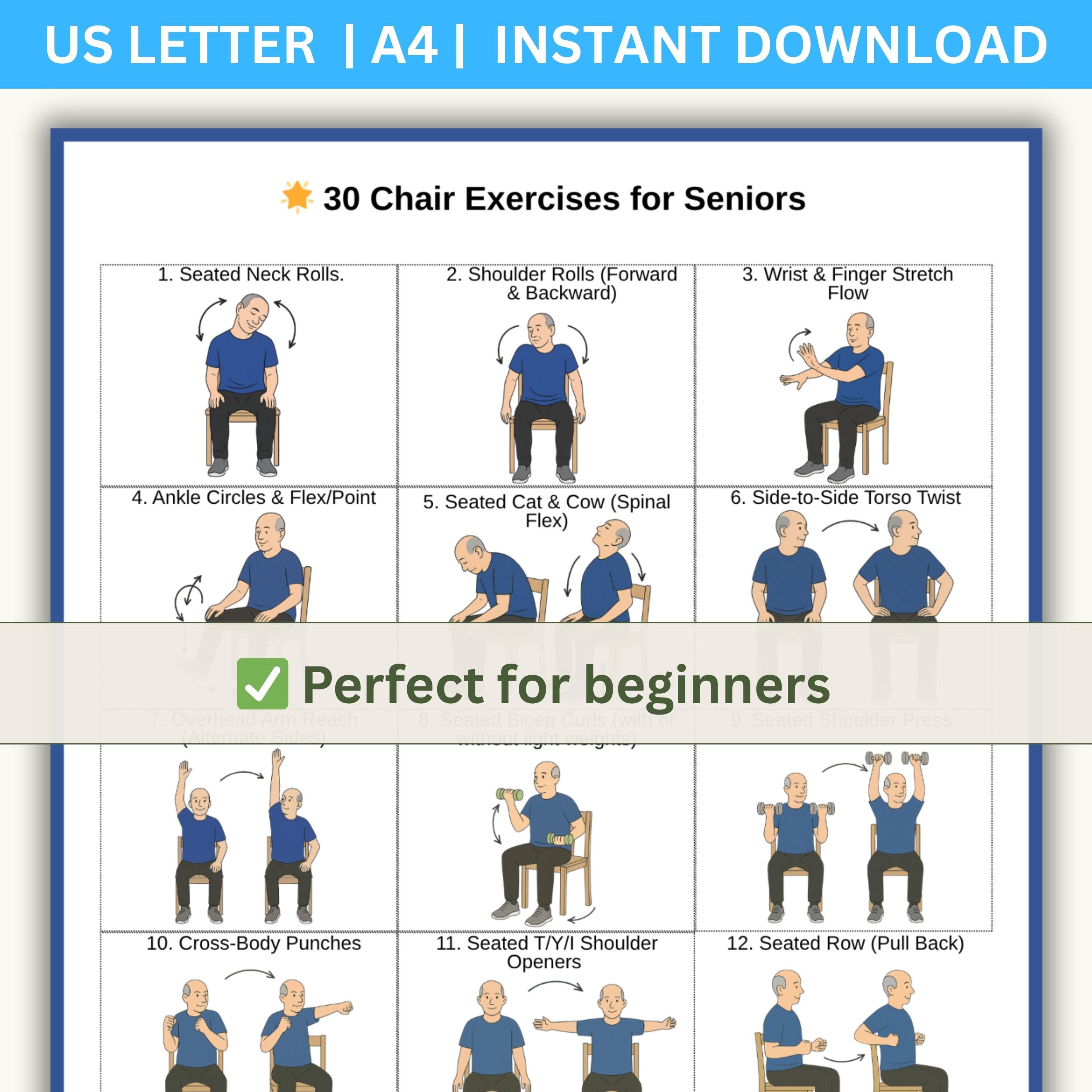
Accessing and using the PDF guide for the workout routine is simple. This guide offers clear instructions and easy-to-follow exercises designed for a 55-year-old man. The PDF format allows flexible use, whether on a digital device or printed out.
Start by getting the guide on your device. Then, adapt the routine to suit your needs. Use it digitally or print it for convenience during workouts.
Downloading The Workout Plan
To download the workout plan, click the download link provided on the website. Save the file to a location you can easily find, like your desktop or downloads folder. Ensure your device has enough storage space. The PDF will open in most browsers or PDF readers automatically.
Customizing The Routine
The workout plan is flexible. Adjust exercises based on your fitness level and any health concerns. Change the number of sets or reps to match your comfort. Use notes sections to track your progress and make changes over time. This customization helps keep workouts safe and effective.
Printing And Digital Use
Printing the PDF allows easy access during workouts without screen distractions. Use high-quality paper for durability. Highlight or mark exercises for quick reference. Digital use lets you zoom in and navigate pages easily. Tablets or smartphones work well for this purpose. Choose the method that fits your lifestyle best.
Frequently Asked Questions
What Exercises Are Best For A 55-year-old Man?
Low-impact cardio, strength training, and flexibility exercises work best. Focus on joint-friendly moves like walking, swimming, and light weights. Balance training is also important to prevent falls. Always start with warm-ups and consult a doctor before beginning any new routine.
How Often Should A 55-year-old Man Work Out?
Aim for at least 150 minutes of moderate exercise weekly. Spread workouts over 3 to 5 days for balanced results. Include strength training twice a week to maintain muscle mass. Rest days are crucial for recovery and injury prevention.
Can I Download A Workout Routine Pdf For Age 55?
Yes, many fitness websites offer free, downloadable PDFs tailored for men over 55. These typically include warm-ups, cardio, strength, and flexibility exercises. Always choose routines designed by certified trainers or health professionals to ensure safety and effectiveness.
Should A 55-year-old Man Focus More On Strength Or Cardio?
Both are important, but strength training helps maintain muscle and bone health. Cardio improves heart health and stamina. A balanced routine combining both yields the best overall fitness and longevity benefits.
Conclusion
Staying active at 55 is key to good health. This workout routine helps build strength and improve balance. Simple exercises in the PDF suit different fitness levels. Consistency matters more than intensity. Small steps lead to big results over time.
Keep moving, stay motivated, and enjoy the process. Your body will thank you every day.







