
Imagine transforming your body using nothing more than your own weight. That’s the magic of a calisthenic workout routine.
You don’t need expensive gym memberships or equipment. This workout is accessible to everyone, anywhere. With calisthenics, you tap into a workout that feels natural, powerful, and liberating. Have you ever wondered how some people achieve incredible strength and flexibility without heavy weights?
The secret lies in calisthenics. This method not only builds muscle but also enhances your balance, coordination, and agility. Curious about how you can start your own calisthenic journey and unlock your body’s full potential? Stay with us, and we’ll guide you through everything you need to know to get started and stay motivated.
Benefits Of Calisthenics
Calisthenics offers many benefits that improve overall fitness. It uses body weight to build strength, flexibility, and endurance. This workout style suits all fitness levels and requires little space. It helps develop a balanced and functional physique without heavy machines. The benefits make calisthenics a smart choice for daily exercise.
Improving Strength
Calisthenics builds muscle strength using natural body movements. Push-ups, pull-ups, and squats target multiple muscle groups. These exercises increase muscle tone and power gradually. Strength grows steadily without risking injury from heavy weights. It also improves core stability and muscle control.
Enhancing Flexibility
Flexibility improves with calisthenics through dynamic and static movements. Stretching during workouts helps joints move freely. Greater flexibility reduces muscle stiffness and injury risk. It supports better posture and more fluid body movements. Regular practice makes muscles and tendons more elastic.
Boosting Endurance
Calisthenics raises endurance by combining strength and cardio exercises. Repetitive movements increase heart rate and stamina. Over time, workouts become easier and last longer. Improved endurance supports daily tasks and sports performance. It also helps burn calories and manage weight.
Minimal Equipment Needed
Calisthenics requires little or no equipment to start. Most exercises use only body weight and simple props like bars. This makes workouts easy to do anywhere, indoors or outdoors. It saves money and space compared to gym memberships. People can customize routines without equipment limits.
Essential Calisthenic Moves
Mastering essential calisthenic moves is key to building strength and improving your overall fitness without any equipment. These exercises rely on your body weight, making them accessible anywhere. Understanding and practicing these moves will help you develop muscle control, balance, and endurance.
Push-ups Variations
Push-ups are a staple for upper body strength. Starting with the classic push-up, you can challenge yourself by trying variations like diamond push-ups to target triceps or wide-arm push-ups for chest activation.
Adding incline or decline push-ups can also adjust the difficulty level. Have you tried archer push-ups? They build unilateral strength and help fix muscle imbalances. Experiment with different forms to keep your workouts fresh and effective.
Pull-ups And Chin-ups
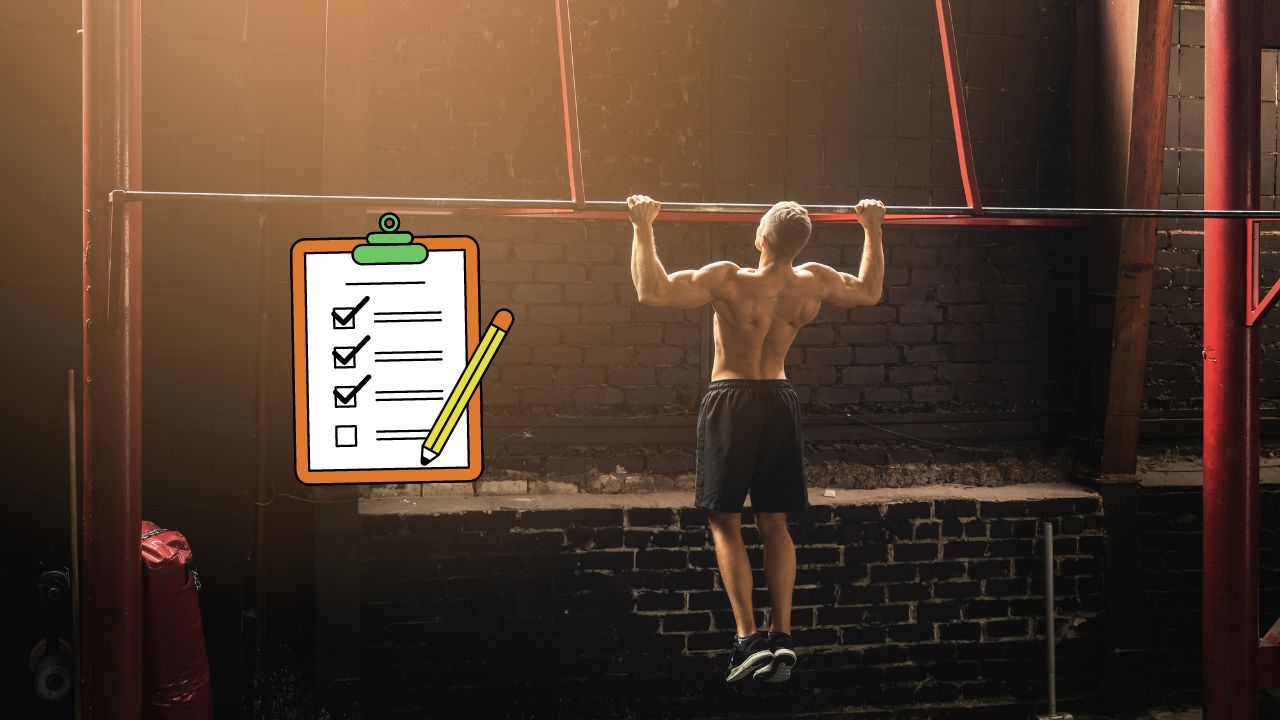
Pull-ups and chin-ups are excellent for back and arm strength. If you struggle with full pull-ups, start with negative pull-ups by slowly lowering yourself from the bar.
Chin-ups focus more on the biceps, while pull-ups engage your lats. Including both in your routine ensures balanced upper body development. What’s your current pull-up max? Tracking progress here can be highly motivating.
Squats And Lunges
Squats and lunges build leg muscles and improve balance. Bodyweight squats teach proper form and activate your quads, hamstrings, and glutes.
Walking lunges add a dynamic element, engaging your core and improving coordination. Try pulse squats or jump lunges to increase intensity. How do your legs feel after these moves? They often reveal strength gaps you might not expect.
Core Exercises
A strong core stabilizes your entire body during calisthenics. Planks, leg raises, and hollow body holds are foundational moves you can perform anywhere.
Adding variations like side planks or bicycle crunches targets different abdominal muscles. Your core isn’t just about six-pack abs; it’s the powerhouse behind every move you make. Do you focus enough on your core during workouts?
Designing Your Routine
Designing your calisthenic workout routine is a key step toward achieving your fitness goals. It’s about creating a plan that fits your current level while challenging you to improve. The right routine keeps you motivated and helps avoid injuries, making your progress steady and rewarding.
Warm-up Strategies
Start every workout with a proper warm-up to prepare your muscles and joints. Simple movements like jumping jacks, arm circles, and dynamic stretches increase blood flow and reduce injury risk.
Spending 5 to 10 minutes warming up can dramatically improve your performance. Have you noticed how skipping warm-ups sometimes leads to stiffness or slower reps? That’s your body telling you it’s not ready.
Balancing Strength And Flexibility
Strength without flexibility can limit your movement and cause strain. Include exercises that stretch key muscle groups along with your strength moves. For example, pair push-ups with chest and shoulder stretches.
Try to balance exercises that build muscle with those that improve joint mobility. This keeps your body agile and powerful. How often do you add stretching after your strength sets?
Progression Techniques
To see continuous improvement, you need to increase the challenge gradually. This can mean adding more reps, increasing set numbers, or trying harder variations like moving from knee push-ups to full push-ups.
Tracking your progress helps you know when to step up the difficulty. Have you ever felt stuck because your routine didn’t evolve? That’s a sign it’s time to progress.
Rest And Recovery
Rest days are as important as workout days. Your muscles need time to repair and grow stronger after exercise. Without enough recovery, you risk burnout and injuries.
Incorporate at least one or two rest days each week and listen to your body’s signals. Ever felt too sore or tired to train? That’s your body asking for rest. How do you plan your rest days to boost your gains?
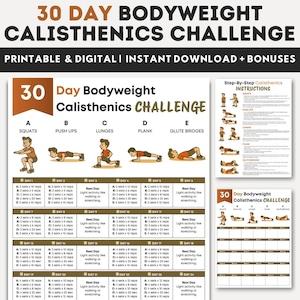
Credit: www.etsy.com
Flexibility Focused Exercises
Flexibility focused exercises help improve your range of motion and reduce injury risks. These exercises prepare your muscles and joints for calisthenic workouts. They also aid in recovery and muscle relaxation. Including flexibility routines makes your workout balanced and effective.
Dynamic Stretching
Dynamic stretching uses controlled movements to warm up muscles. It increases blood flow and prepares joints for activity. Examples include leg swings, arm circles, and torso twists. These stretches improve flexibility and coordination.
Static Stretching
Static stretching involves holding a stretch for 15 to 60 seconds. It helps lengthen muscles and improve flexibility over time. Common static stretches target hamstrings, calves, and shoulders. Perform static stretches after workouts for better recovery.
Mobility Drills
Mobility drills focus on joint movement through full ranges. They improve joint health and movement efficiency. Examples include hip circles, ankle rolls, and shoulder shrugs. These drills enhance your performance in calisthenic exercises.
Incorporating Yoga Poses
Yoga poses blend strength, balance, and flexibility training. Poses like downward dog, cobra, and warrior improve muscle elasticity. Yoga also aids in breathing control and mental focus. Adding yoga enriches your flexibility routine and calisthenic practice.
Advanced Calisthenic Skills
Advanced calisthenic skills push your body beyond basic exercises. They demand strength, balance, and control. Training for these skills improves muscle coordination and overall fitness. Patience and consistent practice are key to progress.
Muscle-ups
Muscle-ups combine a pull-up and a dip in one smooth motion. They build upper body strength and power. Start with strong pull-ups and dips. Practice explosive pulling to clear the bar. Gradually work on transitioning your chest over the bar.
Planche Progressions
The planche is a full-body hold with your feet off the ground. It requires extreme core and arm strength. Begin with tuck planche holds on parallettes. Progress to advanced tucks, straddle planche, and eventually full planche. Consistent wrist and shoulder conditioning is essential.
Front And Back Lever
The front and back lever demand strong core and scapular control. Front lever involves holding your body horizontally, face-up. Back lever is similar but face-down. Start with tuck versions, then move to advanced tuck, straddle, and full levers. Train scapula depression and retraction for support.
Handstand Training
Handstands improve balance, shoulder stability, and body awareness. Begin by practicing wall-supported handstands. Focus on straight body alignment and controlled breathing. Progress to freestanding handstands with short holds. Use drills like shoulder taps and handstand walking to build confidence.
Tracking Progress
Tracking progress is key to success in any calisthenic workout routine. It helps you stay focused and motivated. Knowing how far you have come shows the value of your hard work. Progress tracking also identifies areas that need improvement.
Setting Realistic Goals
Start with clear and simple goals. Goals should be achievable and match your fitness level. Set targets for strength, endurance, or skill moves. Break big goals into smaller steps. This makes progress easier to see and keeps you motivated.
Using Workout Logs
Write down your exercises, sets, and reps after each session. Note how you feel and any challenges faced. Workout logs provide a clear history of your efforts. They help spot patterns and celebrate small wins. Use a notebook or a fitness app for tracking.
Video Analysis
Record your workouts regularly to watch your form and technique. Videos show improvements that numbers may miss. They reveal posture and movement errors. Watching yourself helps you adjust and avoid injuries. Keep videos organized by date for easy comparison.
Adapting Routine Over Time
Use your progress data to change your workouts. Add more reps or new exercises as you grow stronger. Drop moves that cause pain or don’t help. Change your routine every few weeks to avoid plateaus. Staying flexible keeps your body challenged and engaged.
Common Mistakes To Avoid
A calisthenic workout routine can improve strength, balance, and flexibility. Avoiding common mistakes helps you get better results and prevents injuries. Many people face setbacks due to simple errors in their routine. Understanding these mistakes leads to safer and more effective workouts.
Poor Form
Maintaining proper form is crucial during exercises. Poor form can cause injuries and slow progress. Focus on controlled movements and correct posture. Use mirrors or record yourself to check your technique. Start slow and build up strength before increasing difficulty.
Overtraining
Working out too much can harm your body. Muscles need time to rest and recover. Overtraining leads to fatigue and reduces performance. Schedule rest days and listen to your body’s signals. Balance intensity and recovery for steady improvement.
Ignoring Flexibility
Flexibility is often overlooked in calisthenics. Tight muscles limit movement and increase injury risk. Include stretching exercises in your routine. Stretch before and after workouts to improve range of motion. Flexibility supports better form and fluid movements.
Skipping Warm-ups
Warm-ups prepare your muscles and joints for exercise. Skipping warm-ups raises the chance of strains and injuries. Start with light cardio and dynamic stretches. A good warm-up boosts blood flow and improves performance. Spend at least five minutes warming up before training.

Credit: www.youtube.com
Nutrition Tips For Calisthenics
Nutrition plays a key role in calisthenic workouts. Proper food and drink help muscles grow, recover, and stay strong. Eating right fuels your body for better performance and faster results. Simple nutrition tips can support your calisthenic goals and improve overall health.
Protein Intake
Protein builds and repairs muscles after workouts. Aim for lean sources like chicken, fish, eggs, and beans. Include a source of protein in every meal. This helps keep muscles strong and supports recovery. Try to eat 1.2 to 2 grams of protein per kilogram of body weight daily.
Hydration
Water keeps your body working well during exercise. Drink plenty of fluids before, during, and after workouts. Proper hydration prevents cramps and fatigue. Avoid sugary drinks and focus on water or natural electrolyte drinks. Staying hydrated helps maintain strength and focus.
Meal Timing
Eat meals at the right times to boost energy. Have a balanced meal 1 to 2 hours before training. Include carbs for energy and protein for muscle support. After workouts, eat a protein-rich snack within 30 minutes. This helps muscles recover faster and reduces soreness.
Supplements
Supplements can support your nutrition but are not required. Common choices include whey protein, creatine, and BCAAs. Use supplements only if your diet lacks certain nutrients. Always choose quality products and follow recommended doses. Supplements work best with a balanced diet and regular exercise.
Credit: calisthenics.com
Frequently Asked Questions
What Is A Calisthenic Workout Routine?
A calisthenic workout routine uses bodyweight exercises for strength and flexibility. It improves endurance, balance, and muscle tone without equipment.
How Often Should I Do Calisthenic Workouts?
Aim for 3 to 5 sessions weekly. Allow rest days for muscle recovery and avoid overtraining.
Can Beginners Start Calisthenics Safely?
Yes, beginners should start with basic moves like push-ups and squats. Gradually increase intensity as strength improves.
What Are The Benefits Of Calisthenic Exercises?
Benefits include increased muscle strength, improved flexibility, better coordination, and no gym needed. It’s cost-effective and versatile.
Conclusion
Calisthenic workouts build strength using your own body weight. They need no special equipment or gym. You can do them anywhere, anytime. Start with simple moves and grow stronger daily. Consistency and patience bring the best results. Your body will feel healthier and more flexible.
Enjoy the process and keep challenging yourself. This routine fits all fitness levels and goals. Try it and see how your body changes. Small steps lead to big improvements over time.







