
Looking to transform your lower body and boost your fitness level? A squat workout routine might be just what you need.
Squats are a powerhouse exercise, targeting multiple muscle groups and delivering impressive results. Imagine feeling stronger, moving with ease, and admiring the visible changes in your legs and glutes. You deserve a workout routine that not only challenges you but also rewards you with noticeable improvements.
Ready to discover the benefits and secrets of an effective squat routine? Let’s dive into the details that could redefine your fitness journey.
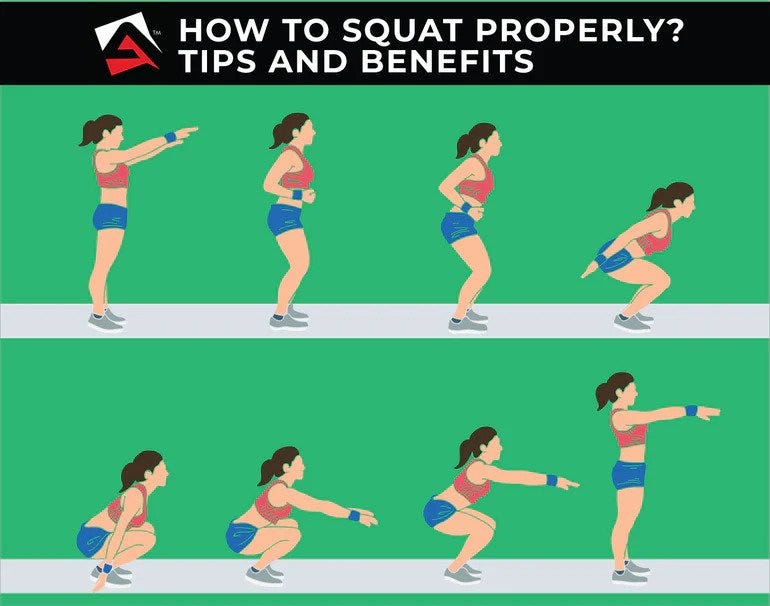
Credit: medium.com
Benefits Of Squats
Squats are a powerful exercise that benefits the entire body. They target multiple muscles and improve overall fitness. Many people include squats in their workout routines for good reasons. Squats help build muscle, increase strength, and enhance movement. They also support better sports performance.
Build Muscle Mass
Squats engage large muscle groups like the thighs, hips, and buttocks. This leads to muscle growth and improved shape. Regular squatting helps tone your legs and glutes. It also promotes balanced muscle development across the lower body.
Enhance Strength
Squats increase the strength of your legs and core. Stronger muscles make daily tasks easier, such as lifting and climbing stairs. Squats also improve bone density, reducing the risk of injury. They build a solid foundation for other exercises.
Improve Mobility
Squats encourage better joint flexibility and range of motion. They help keep hips, knees, and ankles healthy. Improved mobility reduces stiffness and lowers injury chances. Squatting regularly supports smooth and pain-free movement.
Boost Athletic Performance
Squats improve power, speed, and balance. Athletes benefit from better jumping and running ability. The exercise enhances coordination and body control. Squats prepare your body for various sports and physical activities.
Types Of Squats
Squats are a foundation of strength training, but not all squats work your muscles the same way. Different types of squats target various muscle groups, improve flexibility, and build balance. Knowing which squat fits your goals can make your workout more effective and less prone to injury.
Back Squat
The back squat is a classic move where the barbell rests on your shoulders behind your neck. This squat primarily targets your quads, hamstrings, glutes, and lower back. It’s great for building overall strength, but it requires good form to avoid strain on your spine.
When I first tried back squats, I underestimated the importance of core stability. Holding the bar high forced me to engage my entire midsection, which improved my posture over time. Have you noticed how much your core gets involved when you squat deep with a barbell?
Front Squat
With the front squat, the barbell sits on the front of your shoulders, which shifts the focus to your quads and upper back. It demands more mobility in your wrists and thoracic spine, making it a good test of flexibility. Because of the upright position, it’s easier on your lower back than the back squat.
When I switched to front squats, I realized my quads were weaker than I thought. The shift in weight helped me identify and fix muscle imbalances. Could front squats help you spot weaknesses you didn’t know you had?
Goblet Squat
The goblet squat uses a single dumbbell or kettlebell held close to your chest. It’s beginner-friendly and perfect for mastering squat form without heavy weights. This squat enhances your hip mobility and activates your core to keep your torso upright.
I started goblet squats to improve my squat depth and balance. Holding the weight in front helped me maintain a straight back and avoid leaning forward. What if this simple squat could fix your form problems before adding heavy weights?
Sumo Squat
The sumo squat is performed with a wide stance and toes pointed out, targeting inner thighs, glutes, and hips more than traditional squats. It’s excellent for increasing hip flexibility and engaging muscles often neglected by other squat types. This stance can feel unusual at first but offers great variety in your routine.
Trying sumo squats opened up my tight hips and strengthened my adductors. It surprised me how different a wider stance could feel and how it challenged my balance. Have you tried widening your stance to hit new muscle groups?
Proper Squat Form
Mastering proper squat form is essential to get the most out of your workout while preventing injuries. Squats might look simple, but small mistakes can cause big problems. Paying close attention to your form will help you build strength safely and efficiently.
Foot Placement
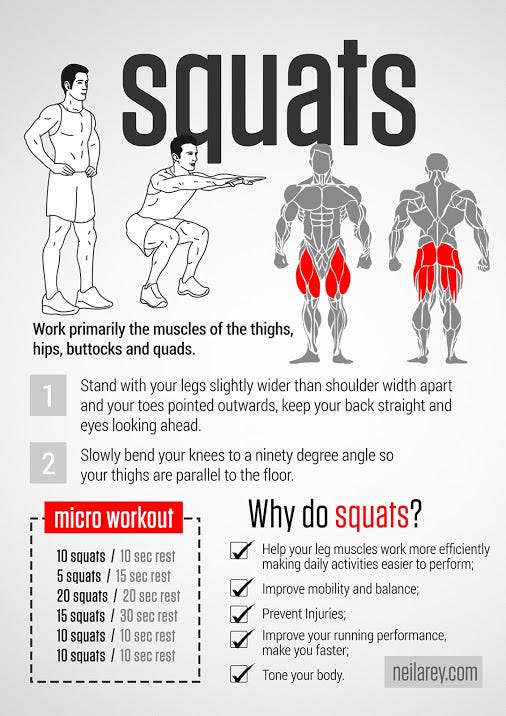
Your feet should be shoulder-width apart or slightly wider, with toes pointed slightly outward. This stance provides stability and allows your hips to move naturally. If your feet are too close or too wide, you risk putting unnecessary strain on your knees or hips.
Try adjusting your foot angle and width until you feel comfortable and balanced. Do you notice any discomfort or wobbling? That’s a sign to tweak your stance.
Body Alignment
Keep your chest up and your back straight throughout the movement. Avoid rounding your shoulders or letting your upper body lean too far forward. Engaging your core will help maintain this alignment and protect your spine.
Imagine a straight line running from the top of your head down to your tailbone. Can you keep that line steady as you squat down? If not, focus on activating your core and controlling your movement.
Depth And Range Of Motion
Lower yourself until your thighs are at least parallel to the ground. Going deeper can be beneficial if you have the flexibility and control. However, don’t sacrifice form for depth—shallow squats done correctly often beat deep squats done poorly.
Notice how your knees track over your toes but don’t push past them excessively. This helps protect your joints and maximizes muscle engagement. What depth feels strong and stable for your body?
Common Form Mistakes
- Knees caving inward:This puts stress on your ligaments. Focus on pushing your knees slightly outward as you squat.
- Heels lifting off the floor:Keep your weight evenly distributed through your heels and midfoot to maintain balance.
- Rounding the lower back:Tighten your core and keep your spine neutral to avoid this harmful position.
- Looking down:Keep your gaze forward or slightly up to support proper spine alignment.
Have you caught yourself doing any of these? Correcting even one mistake can make your squats feel more powerful and less risky. Pay attention to how your body moves and adjust accordingly—it makes all the difference.

Credit: www.majorfitness.com
Warm-up And Mobility Drills
Warming up before a squat workout helps prepare your body and reduce injury risk. Mobility drills improve joint movement and muscle flexibility. Both steps boost your squat performance and comfort.
Dynamic Stretching
Dynamic stretching uses movement to increase blood flow and loosen muscles. It activates the muscles you will use during squats. Examples include leg swings, walking lunges, and arm circles. These stretches raise your heart rate and warm your body.
Hip And Ankle Mobility
Good hip and ankle mobility is crucial for proper squat form. Tight hips or ankles limit your squat depth and cause strain. Exercises like hip circles and ankle rolls improve joint flexibility. Foam rolling can also help release tight muscles around these areas.
Activation Exercises
Activation exercises wake up key muscles for squatting. Glute bridges, bodyweight squats, and clamshells engage your glutes and thighs. These exercises improve muscle coordination and stability during the squat. They prepare your body for heavier loads and better control.
Sample Squat Workout Routines
Squat workouts build strength in the legs and core. They improve balance and boost overall fitness. Different routines fit different skill levels. Choose a routine that matches your current fitness. Gradually increase intensity for better results.
Beginner Routine
- Bodyweight squats: 3 sets of 10 reps
- Wall sit: Hold for 20 seconds, 3 rounds
- Glute bridges: 3 sets of 12 reps
- Rest 60 seconds between sets
- Perform routine 2-3 times per week
Intermediate Routine
- Goblet squats with dumbbell: 4 sets of 12 reps
- Walking lunges: 3 sets of 16 steps
- Step-ups on bench: 3 sets of 10 reps each leg
- Plank hold: 3 rounds of 30 seconds
- Rest 45 seconds between sets
- Complete routine 3 times per week
Advanced Routine
- Barbell back squats: 5 sets of 8 reps
- Jump squats: 4 sets of 15 reps
- Bulgarian split squats: 4 sets of 10 reps each leg
- Weighted step-ups: 3 sets of 12 reps each leg
- Rest 30 seconds between sets
- Train 3-4 times per week
Credit: medium.com
Progressive Overload Strategies
Progressive overload is the key to building strength and muscle in your squat workout routine. It means gradually making your workouts harder over time. This helps your muscles adapt and grow. There are different ways to apply progressive overload. Focus on increasing weight, adding volume, and improving technique. These strategies keep your squats effective and challenging.
Increasing Weight
Adding more weight to your squat is the most common way to overload. Lift heavier weights in small steps. This forces your muscles to work harder. Use barbells, dumbbells, or weight plates. Track your progress and increase the load regularly. Avoid jumping too fast to prevent injury.
Adding Volume
Volume means the total amount of work done. Increase your sets or repetitions to add volume. For example, add one more set or do two extra reps per set. This increases muscle endurance and strength. Keep your form tight to avoid strain. Volume can be adjusted without raising weight.
Improving Technique
Better technique can make your squats more effective. Focus on depth, posture, and control. Squat deeper to engage more muscles. Keep your back straight and knees aligned. Slow down the movement for more muscle tension. Good form reduces injury risk and improves results.
Injury Prevention Tips
Squat workouts can transform your strength and physique, but they also demand respect to avoid injuries. Understanding how to protect your body is just as important as pushing your limits. Here are practical tips to keep your squat routine safe and effective.
Proper Warm-up
Starting your squat session cold increases injury risk. Spend at least 10 minutes warming up your muscles with dynamic stretches and light cardio to boost blood flow.
Include movements like leg swings, hip circles, and bodyweight squats to prepare your joints. Warming up activates your nervous system, helping you maintain better form during heavy lifts.
Listen To Your Body
Your body sends signals about its limits—are you paying attention? If you feel sharp pain or unusual discomfort during squats, stop immediately and assess the cause.
Fatigue can alter your form and increase injury chances. Taking rest days or adjusting weights isn’t a sign of weakness; it’s a smart choice to protect your progress and health.
Use Spotters And Safety Equipment
Squatting heavy without support is risky. A spotter can assist you when lifting near your max, preventing accidents and boosting confidence.
Invest in safety gear like squat racks with safety bars, knee sleeves, and proper footwear. These tools stabilize your movements and reduce strain on vulnerable areas.
Nutrition For Strength And Growth
Nutrition plays a crucial role in maximizing your squat workout routine. Without the right fuel, your muscles can’t recover or grow effectively. Paying attention to what you eat can be the difference between hitting new personal records or feeling stuck.
Protein Intake
Protein is the building block of muscle. After a heavy squat session, your muscles need protein to repair tiny tears and grow stronger.
Aim for about 1.6 to 2.2 grams of protein per kilogram of your body weight daily. Good sources include chicken, fish, eggs, and plant-based options like lentils and tofu.
Have you tried timing your protein intake? Eating a protein-rich snack within 30 to 60 minutes after squatting can boost recovery and strength gains.
Carbohydrates And Energy
Carbs are your main energy source during squats. Without enough carbs, you might feel sluggish or unable to push through your sets.
Focus on complex carbs such as brown rice, oats, and sweet potatoes. These provide steady energy and help replenish glycogen stores in your muscles.
Think about your training days: do you adjust your carb intake before and after workouts? This simple tweak can improve your performance and endurance.
Hydration
Water is often overlooked but critical for strength and growth. Dehydration can reduce your strength and increase fatigue during squats.
Drink water consistently throughout the day, not just during workouts. A good rule of thumb is to drink at least half your body weight in ounces daily.
Ever noticed how a glass of water before your squat sets makes a difference? Staying hydrated keeps your joints lubricated and muscles working smoothly.
Recovery And Rest
Recovery and rest play a crucial role in any squat workout routine. Without proper recovery, your muscles can’t rebuild and grow stronger, which may lead to fatigue or injury. Paying attention to how you rest can actually improve your performance and help you reach your fitness goals faster.
Sleep Importance
Sleep is where your body does most of its repair work. Aim for 7 to 9 hours of quality sleep each night to allow your muscles to recover fully. Skipping sleep can reduce your strength and increase soreness, making your next squat session tougher.
Have you noticed how a good night’s sleep makes your workouts feel easier? That’s because sleep impacts hormone levels that control muscle growth and repair.
Active Recovery
Active recovery means moving your body gently on rest days instead of complete inactivity. Light activities like walking, swimming, or cycling help increase blood flow to your muscles and reduce stiffness.
Try adding a 20-minute walk or a low-intensity bike ride after a heavy squat day. This simple habit can speed up muscle recovery and keep you feeling fresh.
Stretching And Foam Rolling
Stretching post-workout improves flexibility and reduces muscle tightness. Focus on your quads, hamstrings, and glutes to ease tension after squats.
Foam rolling works like a deep tissue massage, breaking up knots and improving blood circulation. Spend 5 to 10 minutes rolling out sore areas to help your muscles recover quicker.
Have you tried foam rolling before or after your squat sessions? Many find it boosts mobility and reduces post-workout soreness significantly.
Frequently Asked Questions
What Is The Best Squat Workout Routine For Beginners?
A beginner squat routine includes bodyweight squats, 3 sets of 12 reps, 3 times per week. Focus on form, depth, and slow controlled movements to build strength safely.
How Often Should I Do Squat Workouts Weekly?
For optimal results, perform squat workouts 2-3 times per week. Allow at least one rest day between sessions to promote muscle recovery and growth.
What Muscles Do Squat Workouts Primarily Target?
Squats mainly work the quadriceps, hamstrings, glutes, and core muscles. This makes them effective for building lower body strength and improving overall stability.
Can Squat Routines Help With Weight Loss?
Yes, squat workouts burn calories and increase muscle mass. This boosts metabolism, aiding in fat loss when combined with a healthy diet.
Conclusion
Squat workouts build strength and improve overall fitness. You can do them at home or in the gym. Start with proper form to avoid injury. Gradually increase reps and weight for best results. Squats help tone legs, hips, and core muscles.
Consistency is key to seeing progress and feeling stronger. Keep your routine simple and stick to it daily. Enjoy the benefits of a stronger body and better balance. Squat workouts suit all fitness levels and goals. Give your body time to adapt and grow.
Keep moving forward, one squat at a time.







