
Ever wondered how your Murph workout times stack up? If you’re on a mission to boost your fitness levels and crush your personal records, understanding what makes a great Murph workout time is crucial.
Whether you’re a seasoned CrossFit enthusiast or just starting out, this iconic workout is a test of endurance, strength, and grit. You might be asking yourself, how can you optimize your time and what benchmarks should you aim for? In this post, you’ll discover insights and strategies to help you achieve your best Murph time yet.
Stick around, because unlocking your potential could be just one workout away.

Credit: www.reddit.com
Murph Workout Basics
The Murph workout is a popular and challenging CrossFit routine that tests your endurance, strength, and mental toughness. Understanding the basics of the Murph workout helps you prepare effectively and set realistic goals for your times. Whether you’re aiming to complete it for the first time or improve your personal best, knowing what to expect is crucial.
Workout Components
The Murph workout consists of:
- 1-mile run
- 100 pull-ups
- 200 push-ups
- 300 air squats
- Another 1-mile run
You perform all the exercises in sequence, typically wearing a 20-pound weighted vest to increase difficulty. Some people break the reps into smaller sets, like 20 rounds of 5 pull-ups, 10 push-ups, and 15 squats. How you split these reps can greatly affect your overall time and fatigue level.
Standard Time Benchmarks
| Level | Completion Time |
|---|---|
| Beginner | 60-90 minutes |
| Intermediate | 40-60 minutes |
| Advanced | 20-40 minutes |
Your personal fitness, pacing strategy, and experience shape where you fall on this scale. Tracking your times over several attempts can help you see real progress. What time do you think you can realistically hit based on your current fitness?
Common Challenges
Many people struggle with the volume of pull-ups and push-ups. Fatigue often sets in quickly, making it tempting to rush or break form. Focus on controlled, steady movements to conserve energy.
Another challenge is pacing the runs. Starting too fast on the first mile can lead to exhaustion later. Try a pace that feels manageable and keeps you steady throughout.
Finally, wearing the weighted vest adds significant strain, especially if you’re new to it. Gradually adding weight over time can help your body adapt without injury. Have you thought about how you will pace yourself to avoid burnout?
Effective Warm-up Strategies
Warming up effectively before the Murph workout prepares your body and mind. It reduces injury risk and improves performance. A good warm-up increases blood flow, loosens muscles, and activates joints. It also helps focus your mind on the challenging workout ahead.
Dynamic Stretching
Dynamic stretching involves moving muscles through a full range of motion. It warms muscles and increases flexibility. Examples include leg swings, arm circles, and walking lunges. These movements prepare muscles for the varied motions in the Murph workout. Avoid static stretching before the workout as it may reduce power.
Joint Mobility Drills
Joint mobility drills improve the function of your shoulders, hips, and knees. These joints face heavy stress during the Murph workout. Simple drills include shoulder rolls, hip openers, and ankle circles. They help reduce stiffness and increase joint movement. This leads to smoother and safer exercise execution.
Mental Preparation
Preparing mentally boosts focus and motivation. Visualize completing each part of the Murph workout. Set small goals for each segment like pull-ups or running. Deep breathing helps calm nerves and increase concentration. A strong mindset supports endurance and reduces fatigue during the workout.
Optimizing Run Segments
The Murph workout is a brutal test of endurance, and the run segments can make or break your performance. Optimizing your approach to the runs helps conserve energy for the pull-ups, push-ups, and squats that follow. Focusing on pacing, breathing, and footwear can shave minutes off your time and keep you strong throughout.
Pacing Techniques
Start your run segments at a controlled pace instead of sprinting. Many athletes burn out quickly by pushing too hard early on. Aim for a steady, sustainable speed that feels challenging but manageable.
Try breaking the run into smaller parts mentally. For example, think of your first mile as a warm-up rather than a race. This keeps you from going all out too soon.
Have you tracked your split times during Murph? Seeing your pace for each run can help you adjust for the next attempt. Use a watch or app to monitor your speed and avoid fatigue.
Breathing Tips
Breathing rhythm plays a huge role in maintaining your pace. Focus on deep, even breaths rather than shallow gasps. This keeps oxygen flowing efficiently to your muscles.
Try inhaling for three steps and exhaling for two during your run. This simple pattern can help you relax and avoid getting out of breath too quickly.
Don’t hesitate to slow down if your breathing becomes erratic. A slightly slower pace with good breath control beats a fast start that leaves you winded.
Footwear Choices
Your shoes can affect your run time and overall comfort. Look for lightweight running shoes with good cushioning to absorb impact on the pavement or trail.
A snug fit prevents blisters and foot fatigue, so try on shoes later in the day when your feet are swollen. Avoid completely new shoes on Murph day—break them in first.
Some athletes prefer minimalist shoes to feel more connected to the ground, while others opt for maximum support. Test different options during training runs to see what feels best for your stride and terrain.
Mastering Pull-ups
Pull-ups are a key part of the Murph workout. They build upper body strength and endurance. Many find pull-ups the hardest section. Focusing on technique improves your performance and reduces injury risk.
Grip Variations
Changing your grip targets different muscles. Try these grips to balance strength:
- Overhand Grip: Hands face away, works back and shoulders.
- Underhand Grip: Hands face you, focuses on biceps.
- Neutral Grip: Palms face each other, easier on wrists.
- Wide Grip: Increases difficulty, targets lats more.
- Close Grip: Engages arms and chest deeply.
Kipping Vs Strict
Strict pull-ups use only arm strength and control.
Kipping uses body momentum to complete reps faster.
Strict pull-ups build more raw strength and control.
Kipping helps finish higher rep sets and saves energy.
Choose strict for strength days, kipping for endurance.
Scaling Options
Pull-ups can be scaled to fit all fitness levels.
- Assisted Pull-Ups: Use bands or a machine for help.
- Jumping Pull-Ups: Jump up and lower slowly.
- Negative Pull-Ups: Lower yourself slowly from the top.
- Ring Rows: Easier pull movement using gymnastic rings.
- Box Pull-Ups: Step up to the bar for support.
Use these to build strength before full pull-ups.
Perfecting Push-ups
Perfecting your push-ups is essential for improving your Murph workout times. Push-ups may seem straightforward, but small adjustments can greatly impact your endurance and strength. Focusing on technique helps you avoid fatigue and keeps your muscles firing efficiently throughout the workout.
Form Tips
Keep your body in a straight line from head to heels. Avoid letting your hips sag or sticking your butt in the air, as this wastes energy and strains your lower back.
Engage your core throughout each repetition. Tightening your abs stabilizes your body and allows you to push harder with less effort.
Lower yourself until your chest almost touches the ground. This ensures a full range of motion, activating more muscle fibers for better strength gains.
Hand Placement
Place your hands slightly wider than shoulder-width apart. This position targets your chest and shoulders without overstressing your wrists.
Experiment with hand angles—pointing fingers slightly outward can reduce wrist discomfort. Find what feels natural and pain-free for you.
Try pressing evenly through your palms. Uneven pressure can cause imbalances and slow you down during high-rep sets.
Progressions
If standard push-ups tire you quickly, start with easier variations like knee push-ups or incline push-ups. These build strength without burning you out too soon.
Once comfortable, increase reps or switch to harder versions like diamond push-ups or decline push-ups. Gradual progression keeps your muscles challenged and growing.
Have you tracked how changing your push-up style affects your Murph times? Small tweaks can lead to big improvements if you pay attention.
Improving Squats
Improving your squats can dramatically impact your Murph workout times. Squats are a key part of the Murph challenge, and mastering them helps you maintain energy and avoid injury. Small tweaks to your technique can make a big difference in performance and recovery.
Depth And Form
Squat depth affects muscle engagement and power output. Aim to lower your hips until your thighs are at least parallel to the ground. Going deeper recruits more muscle fibers, but only if your form stays solid.
Watch your knees—make sure they track over your toes and don’t cave inward. I used to rush depth, which led to knee pain and slower times. Slowing down and focusing on form helped me squat deeper and stronger.
Breathing Control
Breathing properly during squats can improve your endurance. Take a deep breath before you descend and hold it as you go down, then exhale on the way up. This technique stabilizes your core and supports better power output.
Have you noticed how controlling your breath reduces fatigue? Try syncing your breathing with your reps during Murph; it helps maintain rhythm and keeps your heart rate steady.
Speed Vs Control
It’s tempting to speed through squats to finish faster, but control is more important. Fast reps often lead to sloppy form and wasted energy. Focus on smooth, controlled movements to build strength and avoid burnout.
Think about your last Murph: did rushing squats cost you time later? Slowing down slightly during squats can save you energy for the push-ups and pull-ups ahead. What if you tried pacing your squats this way next time?
Efficient Transition Techniques
Efficient transitions in the Murph workout can save valuable seconds and reduce fatigue. Smooth changes between exercises keep your heart rate steady. This helps maintain a strong pace throughout the workout. Small improvements in transitions add up to better overall performance.
Equipment Setup
Prepare your gear before starting the workout. Place your pull-up bar, push-up space, and running area close. Arrange your weight vest or bodyweight gear within reach. Having everything ready avoids extra steps between exercises.
- Set the pull-up bar at a comfortable height.
- Clear a flat surface for push-ups and squats.
- Keep water and towels nearby for quick access.
Minimizing Downtime
Move quickly but safely between exercises. Drop from pull-ups to push-ups with controlled steps. Avoid standing still or resting too long. Use brief moments to breathe deeply and reset your form. Keep transitions under 10 seconds for better timing.
- Step down gently after pull-ups instead of jumping.
- Shift hands and feet quickly for push-ups.
- Start the run immediately after squats.
Mindset Shifts
Focus on flow rather than perfection. Accept small mistakes and keep moving forward. Think of transitions as part of the workout, not breaks. Visualize each step before starting. This mental preparation speeds up your actions.
- Stay calm and breathe evenly.
- Keep a steady rhythm throughout the workout.
- Set simple goals like “move fast, stay safe.”

Credit: www.reddit.com
Recovery And Nutrition
Recovery and nutrition play a key role in improving your Murph workout times. Proper fueling before exercise boosts energy. Smart recovery after helps muscles heal faster. Staying hydrated keeps your body working well throughout the workout and recovery.
Pre-workout Fuel
Eating the right foods before Murph provides energy. Choose easy-to-digest carbs like bananas or oatmeal. Pair carbs with a small amount of protein. Avoid heavy, greasy meals that cause discomfort. Aim to eat 30 to 60 minutes before starting. This timing supports steady energy during the workout.
Post-workout Recovery
After Murph, your muscles need nutrients to repair. Focus on protein-rich foods like chicken, eggs, or yogurt. Include carbohydrates to refill energy stores. Simple carbs like fruit juice or white rice work well. A balanced meal within 60 minutes aids recovery. Rest and sleep are also vital for muscle growth.
Hydration Tips
Water is essential before, during, and after Murph. Drink at least 16 ounces of water 2 hours before exercise. Sip small amounts during the workout to avoid cramps. After finishing, replace lost fluids with water or an electrolyte drink. Watch urine color as a hydration guide—pale yellow is ideal.
Tracking Progress
Tracking progress in the Murph workout helps measure fitness improvements. It shows how your endurance and strength grow over time. Keeping a record motivates you to push harder and beat your previous times.
Using Timers And Apps
Timers are essential for timing each segment of the Murph workout. Many apps can track your workout time automatically. Some apps also offer split timing for running, pull-ups, push-ups, and squats. Using a timer or app helps keep your pace steady and consistent.
Recording Workouts
Write down your workout details after every session. Note the total time and any breaks taken during the workout. Track the number of reps completed in each exercise. Recording workouts creates a clear history of your progress.
Analyzing Performance
Review your recorded times regularly to spot trends. Check which parts of the workout slow you down most. Focus on improving your weakest areas to lower your total time. Analysis helps set new goals and keeps your training on track.
Common Mistakes To Avoid
Completing the Murph workout is a serious challenge, and avoiding common mistakes can make a huge difference in your performance and recovery. Many athletes push themselves too hard or skip important steps that lead to injury or burnout. Recognizing these pitfalls early helps you stay on track and get the most from your effort.
Overtraining
Pushing beyond your limits without proper progression can backfire quickly. Overtraining leads to fatigue, decreases your strength, and increases the chance of injury. Have you ever felt completely wiped out after a Murph workout and needed days to recover? That’s a clear sign you went too far.
Instead, build up your volume gradually. Break the workout into manageable chunks and listen to your body’s signals. Quality matters more than quantity when aiming for consistent improvement.
Poor Form
Rushing through pull-ups, push-ups, or squats to hit a target time often sacrifices good form. This mistake not only reduces workout effectiveness but also puts unnecessary strain on joints and muscles. I remember speeding through push-ups only to feel shoulder pain days later—something easily avoided by slowing down and focusing on technique.
Focus on controlled, clean movements. Prioritize full range of motion over speed to maximize benefits and minimize injury risks.
Ignoring Rest
Rest is a crucial part of any intense workout, including Murph. Skipping breaks or trying to push through exhaustion can lead to burnout and longer recovery times. Have you ever tried powering through the workout without pausing and found your performance dropping dramatically?
Schedule short rests between sets, even if it means adding a few extra minutes to your total time. Your body needs those moments to recover and maintain strength throughout the workout.
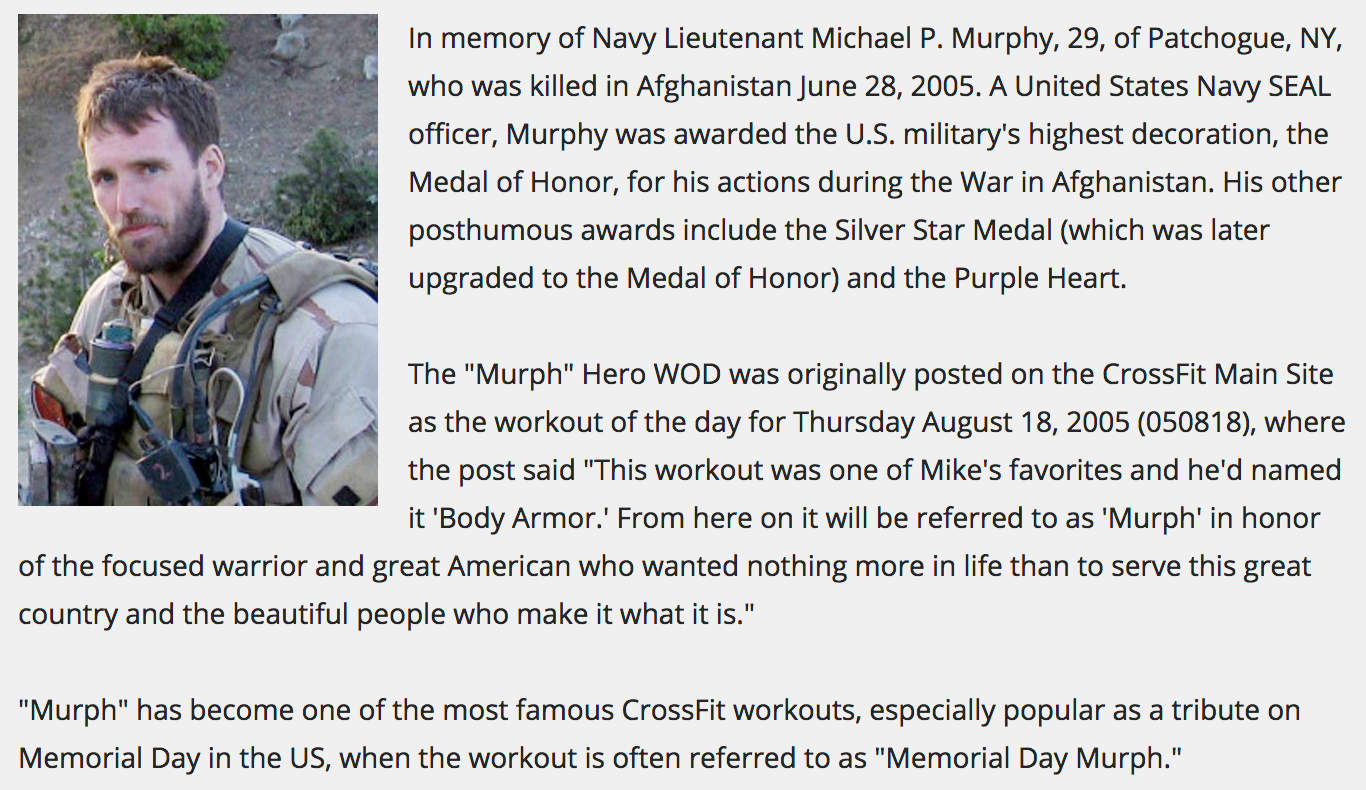
Credit: deluccia.medium.com
Frequently Asked Questions
What Is A Good Murph Workout Time For Beginners?
A good beginner Murph time ranges from 60 to 90 minutes. Beginners should focus on form and pacing rather than speed. Consistent training improves endurance and reduces time over weeks.
How Fast Do Elite Athletes Complete The Murph?
Elite athletes finish the Murph workout in 30 to 40 minutes. They combine strength and endurance with efficient transitions. Their times reflect high fitness and optimized pacing strategies.
How Can I Improve My Murph Workout Time?
Improving Murph time requires consistent training, focusing on running, pull-ups, push-ups, and squats. Break the workout into manageable sets to maintain form. Gradually increase intensity and track progress regularly.
Why Do Murph Workout Times Vary So Much?
Murph times vary due to fitness levels, pacing, and workout modifications. Weather, equipment, and individual strengths also impact completion time. Personalized strategies lead to different but effective results.
Conclusion
The Murph workout tests both strength and endurance. Tracking your times helps measure progress. Each attempt brings new challenges and rewards. Keep pushing yourself, but listen to your body. Consistency matters more than speed alone. Celebrate small improvements every time you finish.
Training smart leads to better results. Stay focused, stay motivated, and enjoy the journey. Your effort shows in every completed Murph.







