
Have you ever wondered if the timing of your post-workout meal could make a difference in your fitness journey? You’re not alone.
Many people, just like you, are eager to optimize their exercise routine and maximize results. When it comes to fueling your body, timing can be everything. Eating at the right moment after working out can significantly impact muscle recovery, energy levels, and overall performance.
But when is that perfect time? In this blog post, we’ll uncover the secrets behind the best time to eat after a workout, helping you enhance your fitness regimen and achieve your goals faster. Stick around to discover how a simple tweak in your routine could lead to impressive gains.
Post-workout Nutrition Window
Knowing the right time to eat after a workout can change how your body recovers and grows stronger. This period, often called the post-workout nutrition window, is when your muscles are especially ready to take in nutrients. But how tight is this window, really? Let’s clear up some common ideas and find what works best for you.
Anabolic Window Myth
The idea of a strict 30- to 60-minute “anabolic window” after exercise is often exaggerated. While your muscles are indeed more receptive to nutrients after working out, research shows this window can be much wider than many think.
For example, I used to rush to eat immediately after training, fearing I’d miss the magic moment. Later, I realized that eating within two hours still helped me recover well and build muscle. So, stressing over a narrow window might not be necessary.
Instead of fixating on minutes, focus on your overall daily nutrition. The body benefits more from consistent nutrient intake spread throughout the day rather than a single rushed meal.
Optimal Timing For Nutrient Intake
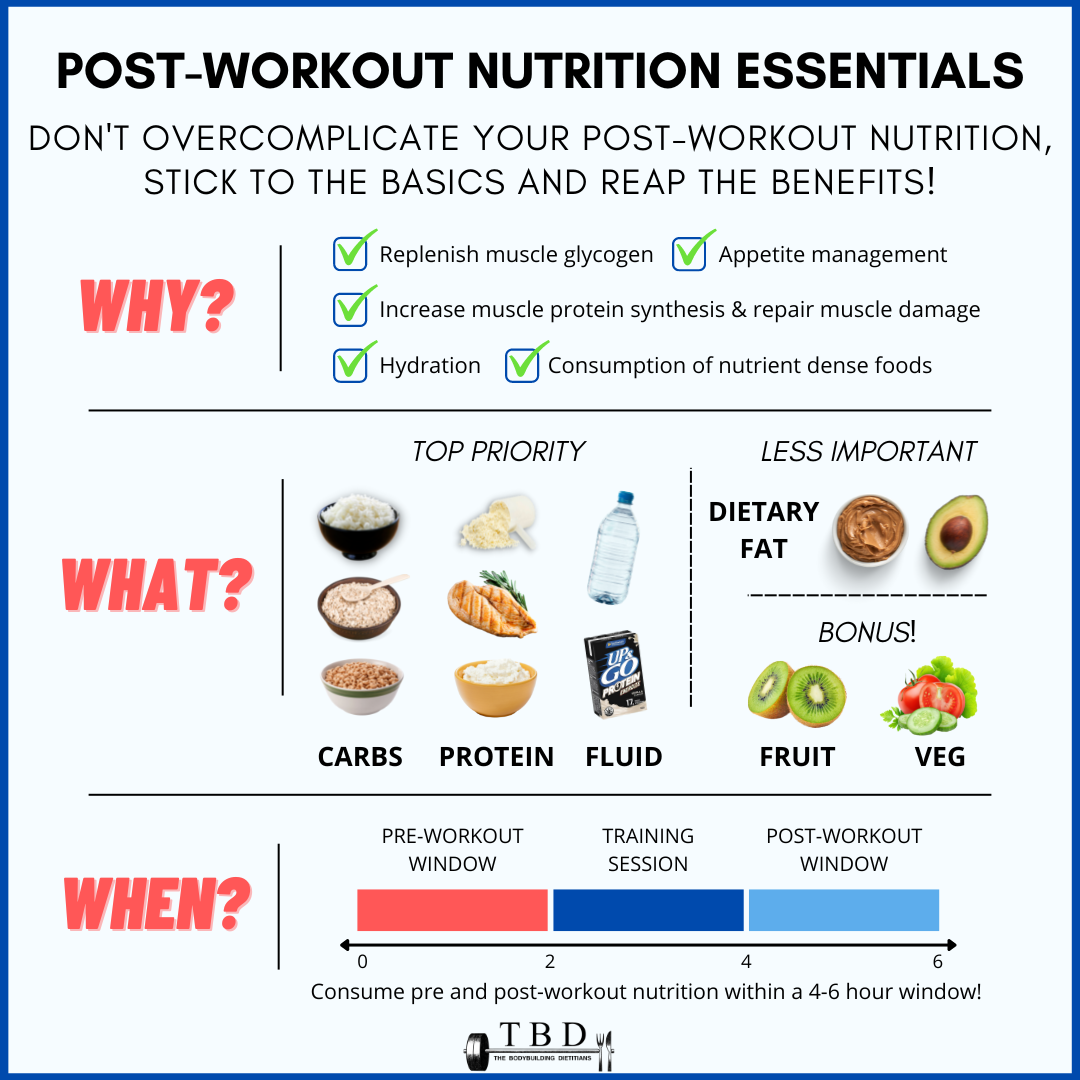
Eating soon after exercise can help, but the exact timing depends on your last meal and workout intensity. If you had a balanced meal before training, you might not need to eat immediately after. On the other hand, if you trained fasted or after a long gap, getting some protein and carbs soon after can speed recovery.
Try to include:
- Protein:Supports muscle repair and growth. Aim for 20-30 grams.
- Carbohydrates:Replenish energy stores, especially after intense sessions.
- Fluids:Rehydrate to replace lost water and electrolytes.
Ask yourself: When did I last eat before training? How intense was my workout? Your answers can guide your post-workout meal timing.
Remember, your body’s response varies. Listening to your hunger and energy levels can be as important as any timing rule.
Key Nutrients For Recovery
After a workout, your body is like a machine that needs the right fuel to repair and grow stronger. The key nutrients you consume play a crucial role in how well you recover and how fast you bounce back. Knowing which nutrients to focus on can make a big difference in your results and overall energy levels.
Role Of Protein
Protein is essential for repairing muscle fibers that break down during exercise. Eating enough protein after your workout helps rebuild these muscles stronger than before. Think of it as giving your body the building blocks it needs to recover and grow.
Good sources of protein include chicken, fish, eggs, and plant-based options like beans or lentils. Aim to include about 20-30 grams of protein in your post-workout meal to optimize muscle repair.
Importance Of Carbohydrates
Carbohydrates are your body’s main energy source, especially after intense exercise. They help refill the glycogen stores in your muscles, which get depleted during your workout. Without enough carbs, you might feel tired and sluggish the next day.
Simple carbs like fruit or a slice of bread are great right after exercise because they digest quickly. Pairing carbs with protein, such as yogurt with berries, can improve recovery even more.
Hydration And Electrolytes
Water alone isn’t always enough to rehydrate after sweating it out. Electrolytes like sodium, potassium, and magnesium help maintain fluid balance and muscle function. Losing too many electrolytes can lead to cramps and fatigue.
Sports drinks, coconut water, or even a balanced meal with vegetables can help restore your electrolyte levels. Ask yourself: Are you drinking enough to replace what you lost during your workout?
Factors Influencing Meal Timing
Timing your meal after exercise depends on several key factors. These factors affect how your body recovers and builds strength. Understanding them helps you choose the right moment to eat and what to eat.
Workout Intensity And Duration
Hard and long workouts use more energy and break down muscles more. Your body needs food sooner to repair and restore energy. Light or short workouts cause less muscle damage and energy loss. You can wait a bit longer before eating.
Individual Metabolism
Metabolism speed varies from person to person. Some burn energy fast and need to eat quickly after exercise. Others have slower metabolism and can delay their meal without issues. Age, genetics, and lifestyle also influence metabolism.
Type Of Exercise
Different exercises stress your body in unique ways. Strength training focuses on muscle repair, needing protein soon. Cardio mainly uses energy stores, requiring carbs for refuel. Choose your meal timing based on the exercise type.
Credit: www.goodrx.com
Meal Ideas For Post-workout
Eating after a workout helps your body recover and grow stronger. Choosing the right foods boosts energy and repairs muscles. Here are some meal ideas that fit different needs and times.
Quick Snack Options
- Banana with peanut butter
- Greek yogurt with honey
- Apple slices and cheese
- Rice cakes with almond butter
- Hard-boiled eggs
These snacks are easy to prepare and digest. They provide a good mix of carbs and protein.
Balanced Meals
- Grilled chicken, quinoa, and steamed vegetables
- Baked salmon, sweet potato, and green beans
- Tofu stir-fry with brown rice and broccoli
- Turkey sandwich on whole grain bread with lettuce and tomato
- Omelet with spinach and whole wheat toast
Balanced meals include protein, carbs, and healthy fats. These help rebuild muscles and restore energy.
Supplements And Shakes
- Whey protein shake with water or milk
- Plant-based protein smoothie with banana and spinach
- Chocolate milk as a recovery drink
- Creatine mixed with water
- BCAA (Branched-Chain Amino Acids) drinks
Supplements and shakes offer quick nutrients. They support muscle repair and help meet protein goals.
Benefits Of Timely Eating
Eating soon after exercise helps the body recover faster. It provides nutrients that muscles need to repair and grow. Timing meals right can boost energy levels and reduce soreness. This makes workouts more effective and comfortable.
Muscle Repair And Growth
After a workout, muscles get tiny tears. Eating protein quickly gives amino acids to fix them. This helps muscles become stronger and bigger. Delaying food slows down this repair process.
Glycogen Replenishment
Exercise uses glycogen stored in muscles for energy. Consuming carbs after exercise refills these stores. This restores energy for the next workout or daily activities. Without timely carbs, fatigue can set in faster.
Reduced Muscle Soreness
Eating soon after exercise can lower muscle soreness. Nutrients reduce inflammation and help muscles heal. This means less pain and stiffness the next day. It supports quicker recovery and better performance.
Credit: www.lemon8-app.com
Common Mistakes To Avoid
Eating after a workout is important, but many make mistakes that hurt recovery. These errors can slow muscle repair and reduce energy. Avoid these common pitfalls to get the most from your post-exercise meal.
Delaying Meals Too Long
Waiting too long to eat after exercise can cause muscle breakdown. The body needs nutrients quickly to repair and grow muscles. Aim to eat within 30 to 60 minutes after your workout. This timing helps replenish energy and supports recovery.
Skipping Protein
Protein is crucial for muscle repair and growth. Skipping it post-workout can slow recovery and reduce muscle gains. Include good protein sources like chicken, fish, eggs, or plant-based options in your meal. Protein also helps reduce muscle soreness.
Overeating Post-workout
Eating too much after exercise can lead to weight gain and discomfort. It is tempting to eat more after burning calories. Control portion sizes and focus on balanced meals with protein, carbs, and healthy fats. Overeating may undo some workout benefits.
Credit: miradorsanjose.com
Frequently Asked Questions
When Should I Eat After A Workout For Best Results?
Eat within 30 to 60 minutes post-workout to maximize recovery. This timing helps replenish energy stores and repair muscles efficiently.
What Types Of Food Are Best After Exercising?
Focus on protein and carbohydrates after exercise. Protein aids muscle repair, while carbs restore energy and replenish glycogen levels.
Can I Eat Immediately After A Workout?
Yes, eating immediately is beneficial if possible. It jumpstarts muscle recovery and reduces muscle soreness effectively.
How Does Post-workout Eating Impact Muscle Growth?
Eating protein and carbs post-workout supports muscle growth. Nutrients help repair muscle fibers and stimulate protein synthesis for gains.
Conclusion
Eating soon after a workout helps your body recover fast. Try to eat within 30 to 60 minutes after exercise. Choose foods with protein and carbs to rebuild muscles and restore energy. Drinking water is important too. Remember, your body needs fuel to heal and grow stronger.
Everyone’s timing might be a bit different. Listen to your body and eat when you feel ready. This simple habit supports better results from your workouts and keeps you healthy. Small changes can make a big difference over time. Keep it easy and consistent.







