
Have you ever wondered if hitting the gym twice a day could boost your fitness levels or help you reach your goals faster? It’s a question many fitness enthusiasts and athletes consider.
You might be curious about whether doubling your workout sessions can double your results or if it could lead to burnout instead. Imagine unlocking hidden potential in your fitness routine by simply adjusting your schedule. But, is working out twice a day the secret weapon for optimal performance, or is it a recipe for exhaustion?
Dive into this article to discover the benefits and potential pitfalls of doubling up on your workouts and see how it could fit into your lifestyle. Your fitness journey might just take an exciting new turn.

Credit: t-nation.com
Benefits Of Twice-daily Workouts
Working out twice a day offers several benefits that can enhance your fitness journey. Splitting exercise into two sessions allows more focus and energy per workout. This approach helps you reach your fitness goals faster and more efficiently.
Boosting Fitness Levels
Exercising twice daily increases total workout volume safely. Shorter sessions reduce fatigue and improve workout quality. This leads to faster improvements in strength, speed, and agility. Your body adapts better to consistent, moderate training.
Enhancing Muscle Growth
Twice-daily workouts allow targeting different muscle groups separately. This improves recovery and muscle repair between sessions. Frequent stimulation encourages better muscle growth and definition. It also prevents overtraining by spreading intensity.
Improving Endurance
Two workouts daily can build cardiovascular endurance quicker. Splitting cardio and strength sessions helps maintain high energy levels. Your body learns to recover faster and sustain longer activity. This benefits athletes and fitness enthusiasts alike.
Mental Health Advantages
Exercise twice a day boosts mood and reduces stress. Frequent movement releases feel-good hormones more often. This routine supports better focus and mental clarity. It can also improve sleep quality and overall well-being.
Credit: health.clevelandclinic.org
Types Of Twice-daily Training
Training twice a day can boost your fitness progress, but the type of workouts you choose matters a lot. Different approaches to twice-daily training target various goals and energy systems. Understanding these types helps you plan sessions that complement each other and avoid burnout.
Split Routine Workouts
Split routines break your workout into different muscle groups or movement patterns across sessions. You might work upper body in the morning and lower body in the evening. This allows you to focus intensely on each area without overloading your muscles in one go.
Many athletes prefer this because it gives time for recovery between sessions while maintaining workout frequency. Have you tried splitting your workouts to see if it improves your strength or muscle growth?
Cardio And Strength Combination
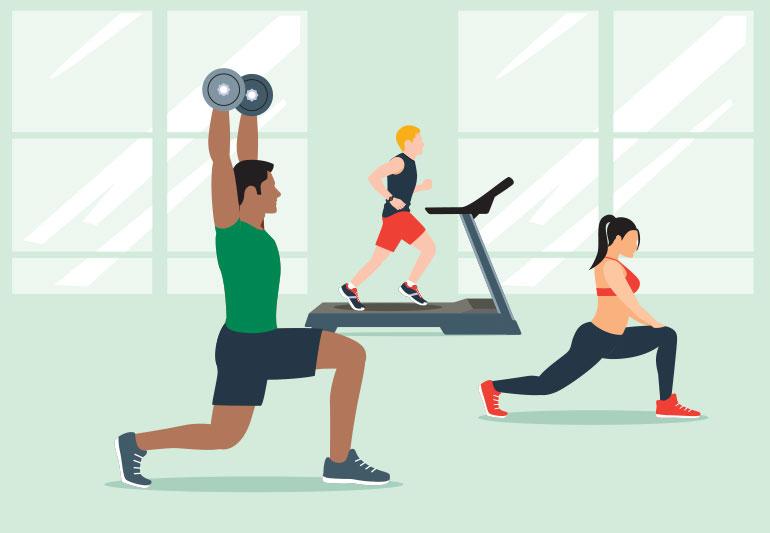
Combining cardio and strength workouts in a day balances endurance and muscle development. You could run or cycle in the morning, then lift weights later. This keeps your heart healthy and muscles strong without one interfering too much with the other.
Pay attention to how your body responds. If your legs feel too tired for squats after a hard run, try switching the order or adjusting intensity. What’s your experience with managing energy for both cardio and strength?
Skill And Conditioning Sessions
Skill and conditioning workouts focus on improving specific abilities and overall fitness separately. For example, practicing a sport skill like basketball shooting in the morning and doing conditioning drills in the evening. This approach sharpens technique while building stamina and power.
It’s especially useful if you want to advance in a particular sport or activity. How could breaking your training into skill and conditioning improve your performance?
Planning Your Twice-daily Workouts
Planning your twice-daily workouts requires careful thought to maximize benefits while avoiding burnout. You need to organize your sessions so they complement each other and fit smoothly into your day. Let’s break down how to schedule, balance, and recover effectively between workouts.
Scheduling Sessions
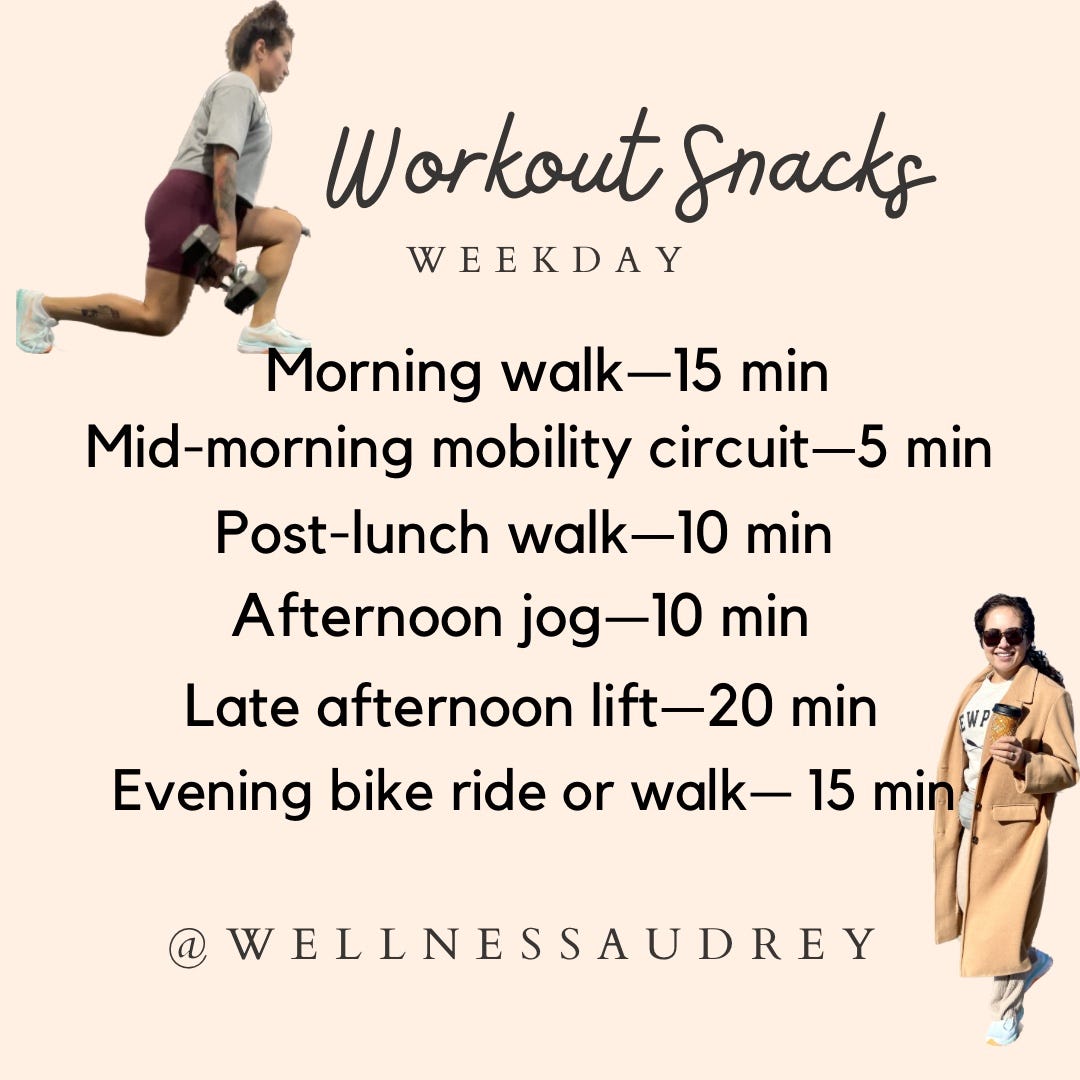
Timing is everything when you work out twice a day. Aim to space your sessions at least 6 hours apart to give your body a break and enough energy for both. For example, a morning run followed by an evening strength session works well for many.
Consider your daily routine and energy peaks. Are you more alert in the morning or afternoon? Plan your harder workout for when you feel strongest. Don’t forget to factor in meals and hydration to fuel both sessions properly.
Balancing Intensity And Volume
Not every workout should be high intensity. Mixing a tough session with a lighter one helps prevent injury and overtraining. For instance, if you do heavy lifting in the morning, try a low-impact activity like yoga or swimming later.
Track how your body responds and adjust accordingly. You want to challenge yourself without pushing too hard. Could easing the intensity in one session boost your overall performance?
Recovery Time Between Workouts
Recovery isn’t just about rest days—it’s what you do between sessions too. Use your break to stretch, hydrate, and maybe take a short nap. These small actions can improve how you feel and perform in the second workout.
Listen to your body’s signals. If you feel unusually tired or sore, extend your recovery or adjust your workout plan. Have you noticed how proper recovery changes your workout quality?
Credit: medium.com
Nutrition For Twice-daily Training
Training twice a day demands smart nutrition to support energy and recovery. Your body needs the right fuel before each session. It also requires nutrients to repair muscles and restore energy after workouts. Proper hydration plays a key role too. Balancing these elements helps maintain performance and avoid fatigue.
Pre-workout Fueling
Eat a light meal 1 to 2 hours before training. Focus on carbohydrates for quick energy. Include a small amount of protein to support muscles.
- Oatmeal with banana
- Whole grain toast with peanut butter
- Yogurt with berries
Avoid heavy fats and fiber, as they may cause discomfort during exercise. Drink water to stay hydrated before starting.
Post-workout Recovery Meals
After training, consume carbs and protein to rebuild muscles. Aim to eat within 30 to 60 minutes post-exercise.
- Grilled chicken with rice and vegetables
- Protein shake with fruit
- Eggs with whole grain bread
Carbs replenish energy stores. Protein repairs muscle tissue. A balanced meal speeds up recovery for the next workout.
Hydration Strategies
Drink water throughout the day. Twice-daily workouts increase fluid loss through sweat. Replace lost fluids to avoid dehydration.
- Drink 16 to 20 ounces of water 2 hours before exercise
- Take small sips every 15 to 20 minutes during workouts
- Rehydrate with water or electrolyte drinks after training
Proper hydration supports muscle function and maintains focus during sessions.
Common Challenges And Solutions
Working out two times a day can boost your fitness progress, but it also comes with challenges that can slow you down or cause injury. Knowing how to handle these issues helps you stay on track without burning out. Here’s how you can face some common problems head-on and keep your workouts effective and enjoyable.
Avoiding Overtraining
Overtraining happens when your body doesn’t get enough rest between sessions. This can lead to soreness, injury, and a drop in performance.
To prevent this, balance intense workouts with lighter activities like stretching or walking. Listen to your body—if you feel unusually tired or notice declining strength, it’s a sign to dial back.
Track your progress and recovery. Sometimes, cutting one workout short or swapping it for low-impact exercise is smarter than pushing through pain. Have you ever ignored signs of overtraining and paid the price?
Managing Fatigue
Fatigue from twice-daily workouts can make your sessions feel like a drag. Energy dips can hit hard, especially if you don’t adjust your nutrition and sleep.
Focus on fueling your body with balanced meals rich in protein, carbs, and healthy fats. Drink plenty of water throughout the day to stay hydrated.
Also, prioritize quality sleep. Even a short nap between workouts can refresh your energy. What simple changes could you make today to feel less tired during your training?
Staying Motivated
Keeping motivation high for two workouts a day is tough. It’s easy to lose steam or feel overwhelmed by your schedule.
Set clear, small goals for each session rather than focusing only on big-picture results. Celebrate progress, no matter how small.
Mix up your workouts to keep things interesting. Try different activities or train with a friend to add fun and accountability. What new exercise could you try tomorrow to shake up your routine?
Who Should Avoid Twice-daily Workouts
Working out twice a day isn’t for everyone. It demands extra energy, recovery, and attention to your body’s signals. Knowing who should steer clear can save you from burnout, injury, or setbacks.
Beginners
If you’re new to exercise, jumping into two workouts a day can overwhelm your body. Your muscles and joints need time to adapt to new stress. Instead of pushing hard twice daily, focus on building a solid routine with one session first.
Have you noticed how your energy dips after just one workout? That’s a sign your body isn’t ready for more yet. Give yourself time to grow stronger before increasing the frequency.
Individuals With Health Issues
Chronic conditions like heart problems, diabetes, or respiratory issues call for caution. Two workouts a day could strain your system and cause complications. Always check with a healthcare professional before doubling your exercise sessions.
Think about your past experiences: did intense workouts cause dizziness, fatigue, or discomfort? Those warning signs matter. Your health should always come first, no matter how motivated you feel.
Risk Of Injury Considerations
Twice-daily workouts can increase your injury risk if recovery is insufficient. Overuse injuries, like tendonitis or stress fractures, often happen when your body doesn’t get enough rest. Pay close attention to pain signals, not just soreness.
Are you skipping warm-ups or cool-downs to fit both sessions? That increases risk too. Prioritize proper technique and recovery routines to protect your body.
Tracking Progress With Twice-daily Training
Tracking progress when you work out twice a day is crucial for staying on target and avoiding burnout. Without clear feedback, you might push too hard or not enough, which can stall your gains or increase injury risk. Paying close attention to how your body responds can help you fine-tune your routine and keep moving forward.
Using Fitness Apps
Fitness apps can be your best friend for twice-daily workouts. They allow you to log each session easily, whether it’s cardio in the morning or strength training at night.
Many apps offer features like heart rate tracking, workout intensity, and recovery status, giving you a full picture of your effort across the day. Have you tried using apps that send reminders for your second session? This can help keep your schedule consistent.
Monitoring Performance
Tracking isn’t just about counting reps or miles; it’s about noticing how your body feels and performs over time. Are you lifting heavier weights in your second workout? Is your energy level dipping halfway through the day?
Simple metrics like rest times, perceived exertion, and muscle soreness can tell you a lot. Keeping a workout journal alongside your app data can reveal patterns you might miss otherwise.
Adjusting Your Plan
Once you gather data, the next step is to adjust your workouts based on what you learn. If you find your performance dropping in the second session, maybe you need more rest or a lighter workout.
On the other hand, if you feel strong both times, you could increase intensity or volume gradually. How often do you reassess your plan? Regular tweaks can prevent plateaus and keep your training fresh.
Frequently Asked Questions
Can You Workout Twice A Day Safely?
Yes, you can workout twice a day safely with proper planning. Ensure enough rest, hydration, and balanced nutrition. Avoid overtraining by listening to your body and varying workout intensity.
What Are The Benefits Of Working Out Two Times Daily?
Working out twice a day boosts metabolism, improves endurance, and accelerates muscle growth. It helps split training focus, allowing better recovery and increased calorie burn throughout the day.
How Should I Schedule Two Workouts In One Day?
Schedule workouts with at least 6-8 hours between sessions. Do intense training in the morning and lighter activities like stretching or cardio later. Prioritize recovery and listen to your body’s signals.
Who Should Avoid Working Out Twice A Day?
Beginners, those with injuries, or chronic health issues should avoid twice-daily workouts. Overtraining risks increase without adequate rest, leading to fatigue, injury, or decreased performance.
Conclusion
Working out twice a day can help you reach fitness goals faster. Rest and listen to your body to avoid injury. Plan your sessions with care for best results. Nutrition and sleep play a big role in recovery. Not everyone needs two workouts daily to stay healthy.
Balance and consistency matter more than frequency alone. Try it for a short time and see how you feel. Your fitness journey should be safe, fun, and effective.







