
Are you ready to transform your chest into a powerhouse of strength and definition? Imagine walking into a room with the confidence that only comes from knowing your upper body is in peak condition.
Whether you’re a fitness newbie or a seasoned gym-goer, understanding the right chest workout routines is crucial to achieving those enviable results. This blog post will guide you through effective exercises that not only boost your strength but also enhance your overall physique.
You’ll discover key techniques that target every part of your chest, helping you build muscle, improve endurance, and feel more confident in your body. Keep reading to unlock the secrets to a stronger, more sculpted chest!
Credit: www.lemon8-app.com
Chest Anatomy Basics
Understanding chest anatomy is key to effective workouts. The chest is more than just one muscle. It consists of several muscles that work together. Knowing these muscles helps target exercises better. This leads to stronger and well-shaped chest muscles.
Major Chest Muscles
The chest has two main muscles. The first is the pectoralis major. It covers most of the chest area. The second is the pectoralis minor, which lies underneath the major muscle. Both muscles play important roles in chest movement and strength.
- Pectoralis Major:Large, fan-shaped muscle on the chest front.
- Pectoralis Minor:Smaller muscle beneath the pectoralis major.
Muscle Functions
The pectoralis major helps move the arm across the body. It also assists in rotating the arm inward. The pectoralis minor stabilizes the shoulder blade. It helps with movements like pushing and lifting. Strong chest muscles improve upper body power and posture.

Credit: thefitnessphantom.com
Key Chest Exercises
Building a strong, well-defined chest requires focusing on exercises that target all areas of the chest muscles. The right combination of movements can help you develop size, strength, and muscular endurance. Here are some key chest exercises that can give you noticeable results and keep your workouts interesting.
Barbell Bench Press
The barbell bench press is a classic chest builder that targets the entire pectoral muscle, especially the middle chest. Using a barbell allows you to lift heavier weights and progressively overload your muscles, which is essential for growth.
Start with a grip slightly wider than shoulder-width and focus on controlled movements. Lower the bar slowly to your chest and push up explosively. Have you tried adjusting your grip width to see how it changes the chest activation?
Dumbbell Flyes
Dumbbell flyes isolate the chest muscles by opening up the chest and stretching the fibers during the movement. This exercise helps improve muscle definition and flexibility.
Lie on a flat bench holding dumbbells above your chest with a slight bend in your elbows. Slowly lower the weights out to the sides, feeling the stretch, then bring them back up. Adding flyes after pressing exercises can enhance muscle fatigue and growth.
Push-ups Variations
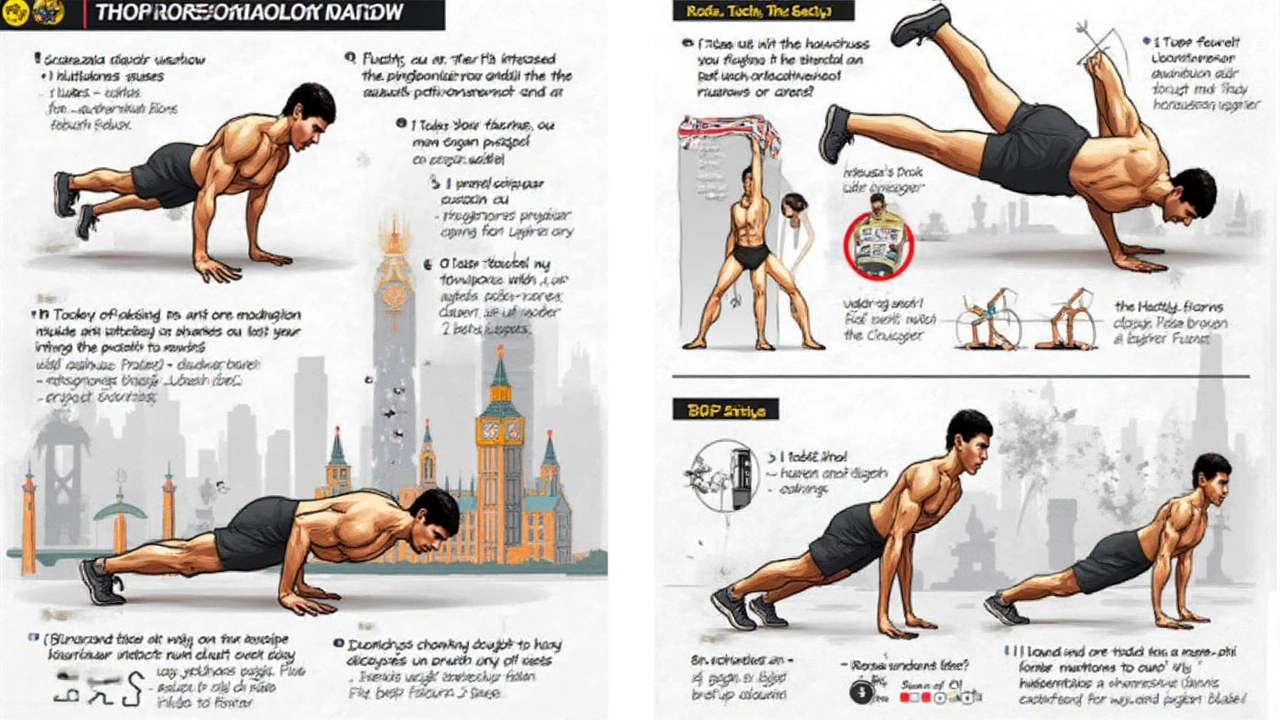
Push-ups are a versatile bodyweight exercise that can target different parts of your chest depending on hand placement and angle. They build endurance and can be done anywhere, making them a great addition to any routine.
- Standard push-ups:Focus on the mid-chest.
- Wide-grip push-ups:Put more emphasis on the outer chest.
- Decline push-ups:Target the upper chest.
Have you experimented with these variations to find which one challenges your chest muscles the most?
Cable Crossovers
Cable crossovers provide constant tension on the chest muscles throughout the movement, which helps in muscle activation and shaping. This exercise focuses on the inner chest and helps improve muscle definition.
Set the pulleys at shoulder height, grab the handles, and bring your hands together in front of your chest. Control the movement on the way back to maximize the stretch. Using cables allows for smooth, controlled resistance that free weights can’t always match.
Workout Routines For Size
Building size in your chest muscles requires more than just showing up to the gym. It demands a well-structured routine that challenges your muscles progressively and targets different parts of the chest. Whether you’re new to lifting or looking to push past a plateau, the right workout routine can make all the difference in your gains.
Beginner Chest Routine
If you’re just starting out, focus on mastering basic movements with good form. A simple routine with a few key exercises can help you build a solid foundation without overwhelming your muscles.
- Push-Ups:3 sets of 10-15 reps to activate the chest and build endurance.
- Flat Bench Press:3 sets of 8-12 reps using moderate weight to develop strength.
- Dumbbell Flyes:3 sets of 10-12 reps to stretch and work the chest fibers.
Rest for 60-90 seconds between sets. Keep your movements controlled and focus on feeling the chest working. How often do you really focus on the muscle, not just moving the weight?
Intermediate Chest Routine
Once you’ve built a baseline, it’s time to add variety and increase intensity. This routine introduces incline and decline movements to target the upper and lower chest.
- Incline Dumbbell Press:4 sets of 8-10 reps to emphasize the upper chest.
- Flat Barbell Bench Press:4 sets of 6-8 reps with heavier weight for strength.
- Decline Cable Flyes:3 sets of 12-15 reps for lower chest activation.
- Push-Ups with Feet Elevated:3 sets of 15-20 reps to increase difficulty.
Focus on steady, controlled reps and increasing your weights gradually. Can you feel the difference when you change the angle of the press?
Advanced Chest Routine
At this level, your chest workouts should challenge every muscle fiber with heavy weights and volume. Incorporate supersets and drop sets to push your muscles beyond their comfort zone.
- Flat Barbell Bench Press (Heavy):5 sets of 5 reps with maximal weight.
- Incline Dumbbell Press:4 sets of 8-10 reps paired with flat bench dumbbell flyes as a superset.
- Decline Barbell Press:4 sets of 8 reps followed by drop sets on cable crossovers.
- Weighted Dips:3 sets to failure for overall chest and tricep strength.
Advanced routines demand intensity and focus—are you ready to push your limits and truly challenge your chest muscles?
Training Techniques For Growth
Training your chest for growth needs smart techniques. These techniques push your muscles beyond their normal limits. This causes muscle fibers to break and rebuild bigger and stronger. Using the right methods boosts muscle size and strength effectively.
Progressive Overload
Progressive overload means gradually increasing the weight or reps. This forces your chest muscles to adapt. Start with a manageable weight. Add small increases each workout. This continuous challenge helps muscles grow steadily. Keep a workout log to track progress.
Supersets And Drop Sets
Supersets involve doing two exercises back-to-back without rest. This increases workout intensity and saves time. For example, bench press followed by push-ups. Drop sets mean lowering the weight after muscle fatigue. Then continue lifting to failure. Both methods increase muscle stress and growth.
Time Under Tension
Time under tension is the total time muscles stay contracted during a set. Slow down each rep to increase this time. Focus on controlled movements, especially on the lowering phase. This increases muscle damage and growth signals. Aim for 30 to 60 seconds per set for best results.
Recovery And Nutrition
Recovery and nutrition are just as important as the workout itself when building a stronger chest. Without proper rest and the right fuel, your muscles can’t rebuild or grow effectively. Neglecting these areas can stall your progress and even lead to injuries.
Rest And Muscle Repair
Muscle growth happens while you rest, not while you train. Giving your chest muscles 48 to 72 hours of rest between intense workouts allows them to repair and get stronger.
Sleep plays a crucial role here. Aim for 7 to 9 hours of quality sleep each night to optimize muscle repair and hormone balance. Have you noticed how a bad night’s sleep makes your workout feel harder?
Active recovery, like light stretching or a gentle walk, can also help reduce soreness and improve blood flow. Avoid pushing through heavy chest exercises if you still feel significant muscle fatigue.
Nutrition For Muscle Gains
Your muscles need the right nutrients to recover and grow after a chest workout. Protein is the building block here, so try to eat a source of lean protein within 30 to 60 minutes after your session.
Don’t overlook carbohydrates—they refill your energy stores and support recovery. Including healthy fats in your diet helps with hormone production, which is essential for muscle growth.
| Nutrient | Why It Matters | Food Sources |
|---|---|---|
| Protein | Repairs and builds muscle tissue | Chicken, fish, eggs, tofu, beans |
| Carbohydrates | Restores glycogen and energy | Rice, oats, sweet potatoes, fruits |
| Healthy Fats | Supports hormone production | Avocado, nuts, olive oil, fatty fish |
Hydration also impacts recovery. Drinking enough water can reduce muscle cramps and keep your workout performance sharp. How often do you check your water intake during and after workouts?
Credit: scarletstate.co.uk
Common Mistakes To Avoid
Chest workouts can transform your upper body, but certain mistakes can hold you back or even cause injury. Knowing what to avoid helps you get the most from your routine and keeps you safe. Let’s look at some common pitfalls and how to steer clear of them.
Poor Form
Using incorrect form is one of the biggest barriers to progress. You might think lifting heavier weights is the goal, but poor technique often leads to injury or uneven muscle development.
For example, if your elbows flare out too much during a bench press, you put unnecessary strain on your shoulders. Instead, keep your elbows at about a 45-degree angle to protect your joints and engage your chest muscles properly.
Ask yourself: Are you feeling the work in your chest, or just struggling to move the weight? Focus on controlled movements and proper positioning first.
Neglecting Warm-up
Skipping warm-ups can quickly lead to muscle strains or joint pain. Your chest muscles and shoulders need to be prepared before hitting heavy sets.
Try light push-ups or dynamic stretches for 5-10 minutes to increase blood flow. This small step can improve your performance and reduce soreness.
Think about how your body feels after a workout without warming up—does it recover quickly or stay tight? Warming up sets the tone for better sessions.
Overtraining Risks
It’s easy to get excited and work your chest every day, but overtraining can stunt your gains and increase injury risk. Muscles need time to recover and grow stronger.
Pay attention to signs like persistent soreness, fatigue, or declining strength. These are signals to give your chest a break.
Consider scheduling 48-72 hours between intense chest workouts. Quality rest often beats quantity in building muscle and avoiding burnout.
Frequently Asked Questions
What Are The Best Exercises For Chest Workouts?
The best chest exercises include bench press, push-ups, dumbbell flyes, and cable crossovers. These target all chest muscle areas effectively. Incorporate compound and isolation movements for balanced muscle growth and strength.
How Often Should I Do Chest Workouts Weekly?
For optimal results, train your chest 2 to 3 times per week. Allow 48 hours of rest between sessions. This frequency supports muscle recovery and growth without overtraining.
Can Chest Workouts Help Improve Posture?
Yes, chest workouts strengthen the pectoral muscles, supporting better posture. Balanced chest and back exercises prevent rounded shoulders. Proper form during workouts also promotes spinal alignment.
Should Beginners Start With Weights Or Bodyweight Chest Exercises?
Beginners should start with bodyweight exercises like push-ups. This builds foundational strength and proper form. Gradually add weights as strength and confidence improve for better muscle development.
Conclusion
Building a strong chest takes focus and the right exercises. Stick to your routine and increase weights slowly. Rest well to help muscles grow and avoid injury. Vary your workouts to keep muscles active and avoid boredom. Track your progress to stay motivated and see results.
Consistency matters more than quick fixes or shortcuts. Enjoy the process, and your chest will get stronger over time. Small steps add up to big gains. Keep pushing forward and stay patient with your journey.







