
Are you ready to give your glutes the attention they deserve? Imagine walking into a room with confidence, feeling strong and empowered.
Your journey towards a toned and sculpted backside starts right here. Whether you’re looking to enhance your athletic performance, improve your posture, or simply want to fill out your favorite pair of jeans a little better, a dedicated glute workout routine is the key.
This guide will walk you through effective exercises that target every angle of your glutes, ensuring you get the results you’ve been dreaming of. Ready to dive into a workout that promises not just aesthetic benefits but also boosts your overall fitness? Let’s get started!

Credit: www.youtube.com
Benefits Of Targeted Glute Training
Targeted glute training offers more than just aesthetic benefits. Focusing on your glutes can change how you move, feel, and perform daily tasks. Are you curious about how strengthening this often-overlooked muscle group can boost your overall fitness?
Improved Strength And Power
Your glutes are some of the strongest muscles in your body. Strengthening them can give you more power during exercises like squats, deadlifts, and jumps. This means you can lift heavier weights and perform explosive movements with greater ease.
I noticed a big difference in my workout when I focused on glute training—my sprint speed improved, and I could jump higher. Have you ever felt your legs tire quickly during activity? Targeted glute work might be the missing piece.
Enhanced Athletic Performance
Strong glutes play a key role in stabilizing your hips and pelvis, which is essential for running, cycling, and many sports. They help you generate force efficiently and maintain balance during rapid changes in direction.
Adding glute exercises to your routine can shave seconds off your sprint time or help you jump further. What sport or activity could you improve with stronger, more responsive glutes?
Injury Prevention And Posture Support
Weak glutes can lead to poor posture and increase the risk of injuries in the lower back, knees, and hips. When your glutes don’t activate properly, other muscles compensate, often causing pain or strain.
By training your glutes, you support better alignment and reduce stress on joints. Have you experienced discomfort during workouts or daily activities? Strengthening your glutes might be the key to relief and long-term injury prevention.
Key Muscles In The Glute Region
Understanding the key muscles in your glute region is essential to creating an effective glute workout routine. Each muscle plays a unique role in movement and stability. Knowing how they work helps you target them better and see faster results.
Gluteus Maximus
The gluteus maximus is the largest muscle in your buttocks and the one most people think of when they hear “glutes.” It’s responsible for hip extension, like when you stand up from a squat or climb stairs.
Strengthening this muscle improves your power and shape. Think about how much you use it during activities like sprinting or jumping. Focusing on exercises like hip thrusts or deadlifts will directly challenge the gluteus maximus.
Gluteus Medius
The gluteus medius sits on the outer surface of your pelvis, above the gluteus maximus. It helps with hip abduction—moving your leg away from the body—and stabilizes your pelvis when you walk or run.
If this muscle is weak, you might notice poor balance or knee pain. Side-lying leg lifts or clamshell exercises are great to build strength here. Have you ever felt wobbly during single-leg exercises? That could be your gluteus medius calling for more attention.
Gluteus Minimus
The gluteus minimus is the smallest and deepest of the three glute muscles. It works closely with the gluteus medius to support hip stability and helps with internal rotation of the thigh.
Even though it’s smaller, ignoring it can lead to imbalances and injuries. Targeting the gluteus minimus with controlled movements, like band walks or mini squats, can improve your overall hip function. Are you including exercises that focus on stability as well as strength?
Essential Glute Exercises
Building stronger, well-shaped glutes requires focusing on exercises that target all parts of the muscle group effectively. Essential glute exercises activate your muscles in different ways, helping you gain strength, improve posture, and boost athletic performance. Let’s break down key moves you can add to your workout routine to get noticeable results.
Hip Thrusts
Hip thrusts directly target your gluteus maximus, making them one of the best exercises for building size and power. You can do them with your back against a bench and a barbell or just use body weight to start. I noticed my glute strength and shape improved significantly after consistently adding hip thrusts, especially when I focused on a slow, controlled movement.
Squats
Squats are a classic for a reason—they work your glutes along with your quads and hamstrings. To emphasize your glutes, try going deeper and pushing through your heels as you rise. Have you tried different squat variations like sumo or Bulgarian split squats? Each one hits your muscles slightly differently and keeps your routine fresh.
Deadlifts
Deadlifts engage your glutes, hamstrings, and lower back in a powerful way. Whether you choose conventional or Romanian deadlifts, focus on maintaining a straight back and squeezing your glutes at the top of the lift. Adding deadlifts to your routine can enhance your overall posterior chain strength, which supports better posture and athletic movements.
Lunges
Lunges challenge your balance and work your glutes, quads, and hamstrings all at once. You can perform forward, reverse, or walking lunges to keep your workouts dynamic. I found that walking lunges helped me build glute endurance and improved my hip stability, which made daily activities easier and reduced lower body fatigue.
Glute Bridges
Glute bridges are a simple yet effective exercise to isolate and activate your glutes. They’re perfect for beginners and can be made more challenging by adding a resistance band or weight. Performing glute bridges regularly helped me improve mind-muscle connection, making other glute exercises more effective.

Credit: gym-mikolo.com
Structuring Your Workout Routine
Structuring your glute workout routine helps you build strength and shape effectively. A clear plan keeps progress steady and avoids injury. Focus on balancing effort and recovery for the best results.
Frequency And Rest Days
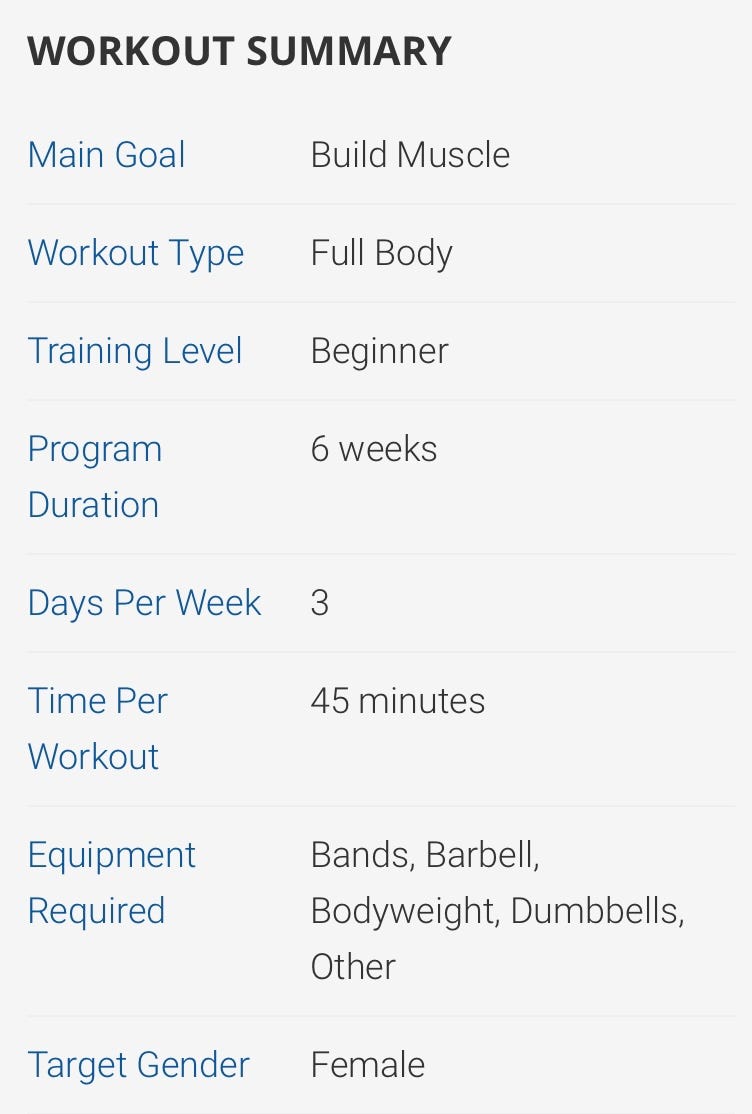
Train your glutes 2 to 3 times per week. Allow at least 48 hours between sessions for muscle recovery. Rest days help muscles grow and prevent fatigue. Avoid working the same muscle group every day.
Exercise Selection And Order
Choose exercises targeting all glute muscles: maximus, medius, and minimus. Start with compound movements like squats or hip thrusts. Follow with isolation exercises such as glute bridges or kickbacks. This order maximizes muscle activation and energy use.
Sets, Reps, And Intensity
Perform 3 to 4 sets per exercise. Aim for 8 to 12 reps to build strength and size. Use a weight or resistance that challenges you but allows good form. Increase intensity gradually to avoid plateaus and injuries.
Advanced Training Techniques
Advanced training techniques help push glute workouts beyond basic routines. These methods increase muscle strength and size effectively. They challenge muscles in new ways, improving overall results.
Progressive Overload
Progressive overload means gradually increasing workout intensity. Add more weight, increase reps, or add sets over time. This forces muscles to adapt and grow stronger. Track progress to ensure continuous improvement. Small steps lead to big gains.
Drop Sets And Supersets
Drop sets involve reducing weight after muscle fatigue to extend the set. Supersets combine two exercises with little rest between. Both methods increase workout intensity and muscle endurance. They save time and keep the muscles under tension longer.
Resistance Bands And Weights
Resistance bands add constant tension during glute exercises. Weights, like dumbbells or barbells, build muscle strength. Combining bands and weights targets muscles differently. This variety prevents workout plateaus and improves muscle tone.
Nutrition For Muscle Growth
Nutrition plays a crucial role in building strong, shapely glutes. Without proper fuel, your muscles won’t recover or grow effectively, no matter how hard you work out. Understanding what your body needs can make a big difference in how your glute workout routine pays off.
Protein Intake
Protein is the building block of muscle. Aim to include a good source of protein in every meal to support muscle repair and growth.
- Chicken, turkey, and lean beef are great animal-based options.
- Plant-based choices like lentils, chickpeas, and tofu work well too.
- Don’t forget about protein shakes if you struggle to meet your needs through food alone.
Try to consume around 1.6 to 2.2 grams of protein per kilogram of your body weight daily. Have you noticed how your muscles feel after a high-protein day compared to a low one?
Caloric Surplus
Building muscle requires more energy than usual. Eating in a slight caloric surplus means you consume more calories than you burn, giving your body the extra fuel it needs.
But be careful—not all calories are equal. Focus on nutrient-dense foods like whole grains, healthy fats, and vegetables alongside your protein.
- Track your intake to ensure you’re eating enough but not too much.
- Start with a 250-500 calorie surplus and adjust based on your progress.
Are you paying attention to how your energy levels and muscle size respond to your current calorie intake?
Hydration And Recovery
Water is often overlooked but essential for muscle function and recovery. Staying hydrated helps transport nutrients to your muscles and removes waste products.
Dehydration can reduce strength and delay recovery times. Aim for at least 8 cups of water daily, more if you sweat heavily during workouts.
- Consider adding electrolytes if you train intensely or for long periods.
- Pair hydration with proper rest to maximize muscle repair.
Have you tracked your water intake alongside your workouts to see if it affects your performance?
Common Mistakes To Avoid
A strong glute workout routine requires focus and attention. Many beginners make simple mistakes that slow progress or cause injury. Avoiding these errors helps build strength safely and effectively.
Understanding common pitfalls improves your workout quality. It saves time and reduces frustration. Watch out for these frequent issues to get the best results.
Poor Form
Using poor form limits muscle engagement. It increases the risk of injury. Keep your back straight and core tight. Avoid letting your knees cave inward. Controlled, slow movements work best. Always focus on correct posture during exercises.
Neglecting Warm-up And Cool-down
Skipping warm-up can cause muscle strains. A short warm-up raises blood flow and prepares muscles. Cooling down helps reduce soreness and stiffness. Stretching after workout improves flexibility. Spend 5 to 10 minutes before and after your routine.
Overtraining
Training glutes every day may cause fatigue. Muscles need time to recover and grow. Overtraining leads to soreness and decreased strength. Schedule rest days between workout sessions. Balance intensity with proper recovery for best gains.
Tracking Progress And Staying Motivated
Tracking your progress and staying motivated are key to making real gains in your glute workout routine. Without a clear way to measure your improvements, it’s easy to lose focus or feel stuck. Keeping an eye on your growth helps you adjust your workouts and push through plateaus.
Measuring Muscle Growth
Muscle growth isn’t just about how you look in the mirror. Take simple measurements of your hips and glutes every two weeks to see real changes. Photos can also be powerful—they capture progress that numbers might miss.
Feeling stronger during exercises is another sign of growth. Are you lifting heavier weights or doing more reps? These are clues your muscles are adapting and getting bigger.
Setting Realistic Goals
Setting clear, achievable goals keeps your motivation high. Instead of vague aims like “build bigger glutes,” try specifics such as “add 10 pounds to hip thrusts in four weeks.”
Break your big goals into smaller steps. Celebrate each milestone to maintain momentum. What small win can you aim for this week?
Using Workout Logs
Writing down your workouts helps you track what works and what doesn’t. Note the exercises, sets, reps, and weights used. This way, you see your progress on paper, not just in your head.
Try using a simple notebook or a fitness app to log your sessions. Reviewing past workouts can inspire you to push harder or tweak your routine.
Credit: medium.com
Frequently Asked Questions
What Is The Best Glute Workout Routine For Beginners?
A beginner glute workout should include squats, lunges, and glute bridges. Start with 2-3 sets of 10-15 reps. Focus on form to avoid injury and gradually increase intensity as you build strength.
How Often Should I Do Glute Workouts Weekly?
For optimal results, perform glute workouts 2-3 times per week. Allow at least one day of rest between sessions to support muscle recovery and growth. Consistency is key for noticeable improvements.
Which Exercises Target The Glute Muscles Effectively?
Effective glute exercises include squats, deadlifts, hip thrusts, lunges, and glute bridges. These moves activate all three glute muscles, promoting strength, shape, and endurance. Use weights to increase resistance over time.
Can Glute Workouts Help Improve Posture?
Yes, strong glutes support the lower back and pelvis alignment. Regular glute training can reduce lower back pain and improve overall posture. It enhances core stability and balance during daily activities.
Conclusion
Strong glutes support your body every day. This routine helps build strength and shape. Keep consistent and focus on good form. Small steps lead to big progress. Feel the burn and enjoy the results. Your body will thank you later.
Stay patient and keep moving forward. A healthy routine makes a strong foundation. Try to add these exercises to your week. Success comes with effort and time.







