
Are you wondering how often you should work out your glutes each week to see real results? You’re not alone.
Many people strive for toned, strong glutes but aren’t sure how to structure their workout routine effectively. The good news is, understanding the right frequency can make all the difference. Imagine unlocking the secret to a well-rounded fitness plan that not only enhances your appearance but also boosts your overall strength and endurance.
By the end of this article, you’ll have a clear, actionable strategy tailored to your fitness goals. Keep reading to discover how you can transform your workouts and achieve the results you’ve been dreaming of.
Glute Muscle Basics
Understanding your glute muscles is key to planning an effective workout routine. The glutes are strong muscles that support many daily movements. Knowing their basics helps you train smarter and avoid injury.
Anatomy Of Glutes
The glute muscles consist of three main parts:
- Gluteus Maximus:The largest and most visible muscle. It shapes your buttocks.
- Gluteus Medius:Located on the side of your hip. It helps with balance and side movements.
- Gluteus Minimus:The smallest muscle beneath the gluteus medius. It supports hip stability.
These muscles work together to provide power and support for many activities.
Functions Of Glute Muscles
The glutes play important roles in movement and posture. Their main functions include:
- Extending the hip, such as when standing up or climbing stairs
- Rotating the thigh outward
- Moving the leg to the side
- Supporting the pelvis during walking and running
- Helping maintain balance and posture
Strong glutes improve athletic performance and reduce injury risks.
Factors Affecting Glute Growth
Glute growth depends on several key factors that influence how quickly and effectively muscles develop. Understanding these factors helps tailor workouts and recovery for better results. Each factor plays a vital role in muscle building and overall progress.
Genetics And Body Type
Genetics shape muscle size, shape, and growth potential. Some people naturally build muscle faster. Body type affects fat distribution and muscle definition. Ectomorphs may find it harder to gain mass. Endomorphs often build muscle more easily but may carry more fat. Knowing your genetics helps set realistic goals.
Nutrition And Recovery
Muscles need fuel to grow. Protein intake supports repair and growth. Calories must be enough to sustain muscle building. Recovery time allows muscles to heal and strengthen. Lack of rest slows progress. Sleep plays a critical role in recovery. Proper hydration also supports muscle function.
Exercise Intensity And Volume
Muscle growth requires challenging workouts. Intensity means lifting weights heavy enough to fatigue muscles. Volume is the total work done—sets, reps, and frequency. Too little volume limits growth. Too much causes overtraining and injury. Balance intensity and volume for steady progress.
Ideal Weekly Workout Frequency
Finding the right balance for your glute workouts is key to building strength without risking injury. Your muscles need enough stimulus to grow, but also time to recover. Let’s break down what different weekly training frequencies look like and how you can listen to your body to avoid setbacks.
Training 2 Times Per Week
Working your glutes twice a week can be very effective, especially if you’re fitting workouts around a busy schedule. This frequency allows you to focus on quality over quantity. You can do heavy compound lifts like squats and hip thrusts on one day, then a lighter, accessory-focused session on another.
Spacing out these sessions by a few days helps your muscles recover and grow stronger. Many people find this schedule sustainable long-term, making it easier to stay consistent. Have you noticed better progress when you give your muscles ample recovery time?
Training 3 To 4 Times Per Week
If your goal is faster growth or you’re training for performance, hitting your glutes 3 to 4 times a week might be the way to go. This approach requires careful planning to avoid fatigue. You can alternate between heavy lifting days and lighter, mobility or activation work.
Splitting your workouts like this keeps intensity high without overloading any one session. It’s important to vary exercises to target all parts of the glute muscles effectively. Are you ready to commit more time for faster results, while still managing recovery?
Signs Of Overtraining
Pushing your glutes too often without enough rest can backfire. Watch out for constant soreness that doesn’t improve, decreased strength, or a drop in motivation. These are common signs your body needs a break.
Other red flags include trouble sleeping and feeling unusually tired during workouts. If any of these sound familiar, it’s time to dial back and let your muscles heal. How do you currently recognize when your body needs rest?

Credit: parade.com
Best Exercises For Glute Growth
Building strong, shapely glutes requires more than just showing up at the gym—it’s about choosing the right exercises that target your muscles effectively. The best glute growth happens when you combine different types of movements that challenge your muscles in various ways. Let’s break down the exercises that will help you maximize your glute gains.
Compound Movements
Compound exercises work multiple muscle groups at once, making them highly efficient for building strength and size. Movements like squats, deadlifts, and hip thrusts force your glutes to engage heavily while also recruiting your core and legs.
Personally, adding barbell hip thrusts to my routine made a huge difference. The direct load on the glutes created a noticeable lift and growth faster than other exercises. Are you challenging your glutes enough with compound lifts?
- Barbell Squats
- Deadlifts (Romanian or Conventional)
- Hip Thrusts
- Bulgarian Split Squats
Isolation Exercises
Isolation moves focus specifically on the glute muscles without much involvement from other areas. These are perfect for targeting weak spots and adding extra volume without taxing your whole body.
Exercises like glute kickbacks and clamshells helped me fix muscle imbalances after heavy compound training. They also give you control over muscle activation and can be done with bands or cables for added resistance.
- Glute Kickbacks
- Clamshells
- Hip Abductions
- Single-Leg Bridges
Incorporating Variety
Sticking to just one or two exercises can slow your progress. Your glutes respond best when you change angles, resistance, and movement patterns regularly.
Try mixing heavy compound days with lighter isolation days. Add resistance bands one week, then switch to weights the next. This keeps your muscles guessing and growing.
- Alternate between barbells, dumbbells, and resistance bands
- Change rep ranges: heavy weights with low reps and lighter weights with high reps
- Include unilateral (single-leg) and bilateral (both legs) exercises
Are you ready to switch up your glute workouts and see real growth? Variety isn’t just interesting—it’s essential for progress.
Structuring Your Glute Workouts
Structuring your glute workouts well helps build strength and shape effectively. Planning the right amount of exercise and rest improves results. Focus on balancing workout volume with intensity. Include recovery days for muscle repair and growth. Use progressive overload to keep challenging your glutes.
Balancing Volume And Intensity
Volume means the total work done, like sets and reps. Intensity refers to how hard the exercise is, often linked to weight or resistance. Balance both for steady progress without injury.
- Start with moderate sets and reps, such as 3 sets of 10-12 reps.
- Use weights that feel challenging but allow good form.
- Avoid too much volume with very high intensity to prevent burnout.
- Adjust volume and intensity based on your fitness level and goals.
Rest And Recovery Days
Rest days let your glute muscles repair and grow stronger. Without rest, muscles get tired and risk injury. Plan rest days between intense workouts to maximize gains.
- Include at least 1-2 rest days per week.
- Use active recovery like walking or light stretching on rest days.
- Listen to your body; take extra rest if you feel very sore.
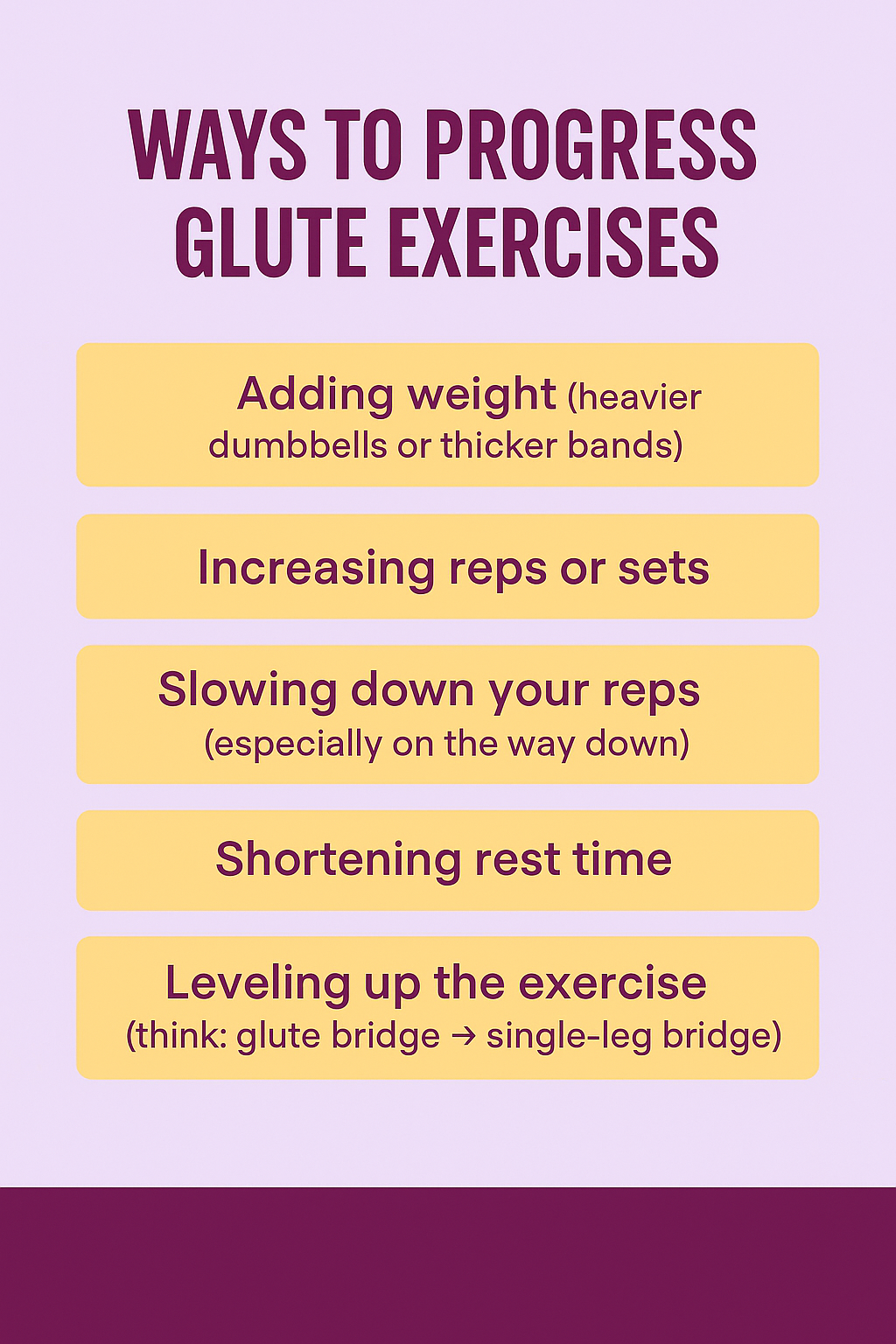
Progressive Overload Techniques
Progressive overload means gradually increasing workout difficulty. This pushes your muscles to adapt and grow. Use simple techniques to keep progressing safely.
- Increase weights slightly every week or two.
- Add more reps or sets over time.
- Try slower movements to increase muscle tension.
- Change exercise variations to target glutes differently.
Credit: www.lemon8-app.com
Common Mistakes To Avoid
Training your glutes too much or too little can slow progress. Avoid common mistakes to get better results. Mistakes often cause pain, injury, or weak gains. Focus on smart training and recovery.
Neglecting Recovery
Glutes need time to heal after workouts. Skipping rest days leads to soreness and fatigue. Overworking muscles can cause injury and reduce strength. Plan rest days to let muscles grow and repair. Sleep and nutrition are key for recovery too.
Poor Exercise Form
Wrong form reduces workout effectiveness and may cause injury. Using momentum instead of muscle power wastes effort. Focus on slow, controlled movements. Keep your back straight and hips aligned. Watch yourself in a mirror or ask for help to improve form.
Ignoring Other Muscle Groups
Strong glutes work best with strong legs and core. Only training glutes creates muscle imbalance and pain. Include exercises for hamstrings, quads, and lower back. Balanced strength improves posture and supports glute growth.
Tracking Progress For Faster Growth
Tracking progress helps speed up glute growth and keeps motivation high. Without tracking, it’s easy to lose focus or miss signs of improvement. Careful monitoring shows what works and what needs change.
Regular tracking makes workouts smarter. It guides how often and how hard to train glutes for best results. Use simple tools and clear records to see gains over time.
Measuring Strength Gains
Strength gain is a key sign of muscle growth. Track how much weight you lift in exercises like hip thrusts or squats. Note the number of reps and sets completed with good form.
Keep a workout journal or use an app to log progress. Increases in weight or reps show your glutes are getting stronger. If progress stalls, consider changing your routine or recovery.
Using Photos And Measurements
Photos show visual changes that numbers might miss. Take pictures every 2-4 weeks from different angles. Wear similar clothes and keep lighting consistent.
Measure your hips and glutes with a tape measure. Record these numbers to track size increases. This helps confirm that your workouts build muscle and reduce fat.
Adjusting Workouts Based On Results
Use your tracked data to adjust workouts. Increase weight or reps to challenge muscles more. Add variety with new exercises to target glutes differently.
If strength or size stalls, rest days and nutrition might need focus. Change workout frequency based on how fast you recover. Tracking allows smarter, faster progress toward glute goals.
Credit: fitasamamabear.com
Frequently Asked Questions
How Often Should I Work Out Glutes Weekly?
Working out glutes 2 to 3 times per week is ideal. This frequency allows muscle growth and recovery. Balance intensity and rest to avoid overtraining and injury.
Can Daily Glute Workouts Cause Harm?
Daily intense glute workouts can lead to overuse injuries. Muscles need rest to repair and grow. Aim for rest days or light activity between sessions.
What Is The Best Workout Frequency For Glute Growth?
For optimal growth, train glutes 2-3 times weekly. Include varied exercises targeting all glute muscles. Proper nutrition and recovery boost results.
How Long Should Each Glute Workout Last?
A focused glute workout should last 30 to 45 minutes. This includes warm-up, targeted exercises, and cool-down. Quality over quantity enhances effectiveness.
Conclusion
Training glutes two to three times each week works well for most people. Rest days help muscles recover and grow stronger. Focus on good form and steady progress in your workouts. Listen to your body and avoid overtraining or pain.
Consistency matters more than intensity for lasting results. Small, regular efforts bring the best changes over time. Keep your routine balanced with other muscle groups too. Enjoy the process and stay patient with your progress. Your glutes will thank you for steady care and effort.







