
Are you tired of spending hours at the gym with little to show for it? What if you could get stronger, leaner, and healthier by working out less?
Tim Ferriss, the bestselling author and self-experimenter, has cracked the code on efficient exercise. His workout methods are designed to save you time while delivering real results. If you want to discover how to train smarter, not harder, keep reading.
This could change the way you think about fitness forever.

Credit: www.mensfitness.com
Tim Ferriss’ Fitness Philosophy
Tim Ferriss’ fitness philosophy centers on simplicity and results. He believes in working smarter, not harder. His approach challenges traditional workouts with a focus on less time and more impact. This philosophy appeals to those who want to stay fit without long hours in the gym.
Minimalist Approach
Ferriss promotes doing the least amount of exercise needed to see progress. He avoids complicated routines and long workouts. The goal is to cut down time spent on fitness while still gaining strength and health. This minimalist style suits busy people and beginners alike.
Focus On Efficiency
Every movement and exercise should have a clear purpose. Ferriss chooses exercises that work multiple muscle groups at once. This saves time and boosts overall fitness. His workouts often last 20 minutes or less but deliver strong results.
Science-backed Methods
Ferriss uses research to guide his fitness choices. He tests different techniques and tracks progress carefully. His methods rely on data, not guesswork. This approach helps avoid wasted effort and ensures real improvement.

Credit: routines.club
Core Principles Of The 4-hour Workout
The 4-Hour Workout by Tim Ferriss focuses on efficiency and results. It challenges the idea that long hours at the gym are necessary. The workout aims to build strength and muscle with minimal time investment.
Understanding its core principles helps in applying the method correctly. These principles guide the structure and intensity of the workout. They focus on maximizing gains in the shortest time.
High-intensity Training
The workout uses short bursts of very intense effort. This pushes muscles to fatigue quickly. High-intensity training stimulates muscle growth effectively. It also improves strength without long exercise sessions.
Short Duration Sessions
Sessions last only about 20 to 30 minutes. The goal is to keep workouts brief but powerful. This approach fits easily into busy schedules. It reduces burnout and keeps motivation high.
Targeted Muscle Groups
The workout focuses on specific muscles each session. This allows for better recovery between workouts. Targeting key muscles leads to balanced strength. It helps avoid overtraining and injury.
Key Exercises In The Routine
Understanding the key exercises in Tim Ferriss’s workout routine can change the way you approach strength training. His method focuses on efficiency, making sure each move counts. This helps you get stronger without spending endless hours in the gym.
Compound Movements
Compound movements are the backbone of Ferriss’s workout. These exercises work multiple muscle groups at once, saving time and boosting overall strength.
Think squats, deadlifts, and bench presses. I noticed faster progress when I focused on these instead of isolated moves. Are you targeting enough muscles with your current routine?
Slow Repetition Technique
Performing reps slowly is a game changer. Slowing down the movement increases muscle tension and reduces momentum, making your muscles work harder.
Try taking 5 seconds to lower the weight and 5 seconds to lift it. This method helped me break through strength plateaus quickly. Could slowing your reps add intensity without extra weight?
Progressive Overload
Ferriss emphasizes gradually increasing the weight or resistance. This forces your muscles to adapt and grow stronger over time.
Track your lifts and aim to add small increments regularly. It’s not about lifting the heaviest right away but challenging yourself consistently. How are you measuring your progress to keep improving?
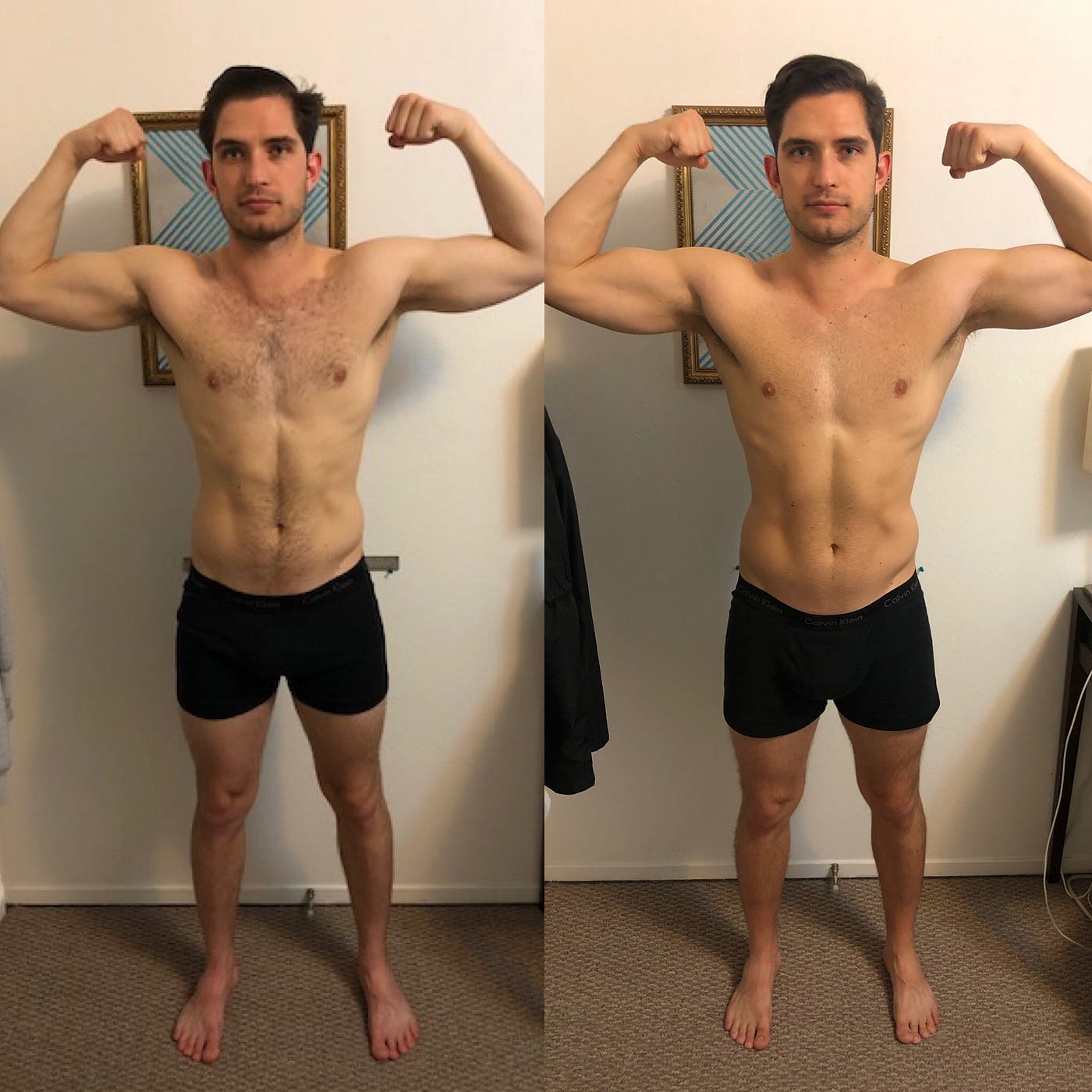
Credit: jkensinger.medium.com
Designing Your Weekly Plan
Designing your weekly workout plan is key to making steady progress. It helps balance effort and rest. A well-structured plan keeps motivation high and reduces injury risks. Tim Ferriss emphasizes smart scheduling over long hours. Focus on quality, not just quantity. Each week should include clear goals and balanced routines.
Workout Frequency
Tim Ferriss suggests fewer, more intense sessions per week. Typically, 2 to 3 workouts work best. This frequency allows muscles to recover fully. It also fits well with busy schedules. Short sessions, around 20 to 30 minutes, are highly effective. Consistency matters more than daily training.
Rest And Recovery
Rest days are vital. They help muscles repair and grow stronger. Without enough rest, progress slows and injury risk rises. Tim advises listening to your body’s signals. Sleep is a crucial part of recovery. Aim for 7 to 8 hours each night. Active recovery, like light walking, can also aid healing.
Tracking Progress
Keep a simple log of your workouts. Note exercises, sets, reps, and how you feel. Tracking shows what works and what needs change. It helps maintain focus and motivation. Tim Ferriss often uses small, measurable goals. Celebrate small wins to stay encouraged. Adjust your plan based on results and feedback.
Nutrition Strategies For Maximum Results
Nutrition plays a critical role in how your body responds to workouts, especially if you follow Tim Ferriss’s approach to fitness. He emphasizes smart eating habits that not only fuel your exercise but also boost recovery and maximize muscle gains. Understanding how to time your meals, balance your macronutrients, and choose the right supplements can make a noticeable difference in your progress.
Meal Timing
When you eat is just as important as what you eat. Tim Ferriss often highlights the benefits of eating protein-rich meals within 30 minutes after your workout to jumpstart muscle repair.
Spacing your meals every 3-4 hours keeps your energy steady and prevents overeating later. Have you noticed how skipping meals affects your workout energy? Adjusting your meal timing could help you avoid those energy crashes.
Macronutrient Balance
Ferriss suggests a higher protein intake to support muscle growth, usually recommending around 30-40% of your daily calories from protein. Healthy fats and slow-digesting carbs fill out the rest of your diet to keep your body fueled without unnecessary insulin spikes.
Try focusing on lean meats, eggs, nuts, and vegetables for nutrient-dense meals. What happens if you swap processed carbs for whole foods? You might feel more energized and see better fat loss results.
Supplements And Hydration
Supplements are tools, not magic fixes. Ferriss talks about simple additions like whey protein, creatine, and omega-3s to enhance performance and recovery.
Hydration is often overlooked but essential—aim to drink water consistently throughout the day, especially before and after workouts. Ever tracked how much water you drink? You might be surprised by how hydration affects your strength and focus.
Common Mistakes To Avoid
Many people make simple mistakes during workouts inspired by Tim Ferriss. These errors can slow progress or cause injury. Avoiding them helps keep the routine safe and effective. Focus on smart training rather than just hard training.
Overtraining Risks
Doing too much exercise without enough rest harms the body. Overtraining causes fatigue, weak muscles, and poor sleep. It reduces strength and motivation. Rest days are essential to let muscles recover and grow.
Ignoring Form
Bad form leads to injuries and less effective workouts. Proper posture protects joints and muscles. It helps target the right areas. Slow down and focus on technique before adding weight or speed.
Skipping Warm-ups
Starting intense workouts without warming up strains muscles. Warm-ups increase blood flow and flexibility. They prepare the body for exercise and lower injury risk. Spend at least five minutes on light cardio or stretching.
Adapting The Formula For Different Goals
Tim Ferriss’ workout formula is flexible, designed to fit different fitness goals without demanding hours at the gym. You don’t have to follow a rigid plan; instead, you adjust key variables like intensity, frequency, and exercise selection to match what you want to achieve. This adaptability makes it easier to stay motivated and see real progress, no matter your starting point.
Fat Loss
To target fat loss, focus on maximizing calorie burn in short periods. Use compound movements that engage multiple muscle groups, such as kettlebell swings or burpees, to raise your heart rate quickly.
Keep workouts brief but intense, around 15 to 20 minutes, done 3 to 4 times a week. You can add intervals of high-intensity bursts followed by short rest to boost fat burning after exercise.
Have you tracked how your energy levels respond to shorter, intense sessions compared to longer steady-state cardio?
Muscle Gain
Building muscle requires slightly longer sessions with a focus on progressive overload. Prioritize slow, controlled movements with heavier weights and fewer reps, around 5 to 8 per set.
Rest between sets is important here—about 1 to 2 minutes—to allow your muscles to recover. Aim to train each muscle group 2 to 3 times a week for balanced growth.
Notice how increasing the weight by small increments challenges your muscles differently and keeps gains coming?
Endurance Improvement
Endurance demands consistent, moderate-intensity workouts that improve your stamina over time. Incorporate exercises like bodyweight circuits or cycling intervals lasting 30 to 45 minutes.
Steady pacing with occasional bursts helps your cardiovascular system adapt. Try extending your sessions gradually and focus on breathing techniques to maintain performance.
What small changes can you make in your routine to push your endurance just a bit further each week?
Success Stories And Testimonials
Success stories and testimonials reveal the true impact of Tim Ferriss’s workout methods. They show how real people change their lives with practical routines. These stories inspire and motivate others to start their fitness journeys.
Real-life Transformations
Many users report significant body changes after following Ferriss’s workouts. Some lose fat quickly while gaining muscle tone. Others improve strength and energy in weeks.
- One user dropped 20 pounds in 30 days by using Ferriss’s slow-motion training.
- A busy professional gained muscle without spending hours in the gym.
- A beginner improved flexibility and reduced back pain with simple exercises.
These transformations show the workout’s effectiveness for various goals and fitness levels.
Motivational Insights
Testimonials often highlight mental shifts alongside physical gains. Users find new confidence and discipline. They learn to focus on quality, not quantity, in workouts.
- “I stopped feeling overwhelmed by fitness and started enjoying progress.”
- “Small, consistent steps made a big difference in my health.”
- “Ferriss’s approach taught me to listen to my body and avoid burnout.”
These insights keep people motivated and committed to their fitness plans.
Frequently Asked Questions
What Is Tim Ferriss’s Workout Philosophy?
Tim Ferriss focuses on efficiency and minimalism in workouts. He promotes short, intense sessions for maximum results. His approach targets muscle gain and fat loss with minimal time investment. This philosophy suits busy people wanting effective fitness routines without long gym hours.
How Long Are Tim Ferriss’s Typical Workouts?
Tim Ferriss’s workouts often last 20 to 30 minutes. He emphasizes brief, high-impact exercises that fit busy schedules. His routines avoid unnecessary volume and focus on quality over quantity. This approach helps achieve fitness goals quickly and sustainably.
Which Exercises Does Tim Ferriss Recommend Most?
Tim Ferriss recommends compound movements like kettlebell swings, deadlifts, and push-ups. He values exercises that engage multiple muscles simultaneously. These moves maximize strength and fat loss efficiently. His workout plans often include slow, controlled reps for better muscle activation.
How Does Tim Ferriss Measure Workout Progress?
Tim Ferriss tracks progress using body measurements, strength gains, and fat loss. He suggests regular testing rather than relying on scale weight alone. Tim encourages tracking performance improvements for motivation. Data-driven feedback helps optimize workout effectiveness over time.
Conclusion
Tim Ferriss shows us how to work out smarter, not harder. His methods save time and still build strength. Small changes can lead to big results. You do not need hours in the gym daily. Focus on key exercises and rest well.
This approach fits into busy lives easily. Try these tips and see what works best for you. Keep moving, stay consistent, and enjoy the process. Simple steps, steady progress. That is the essence of Tim Ferriss’s workout style.







