
Are you wondering how many times you should work out each day to achieve your fitness goals? It’s a common question that many fitness enthusiasts and beginners alike grapple with.
Whether you’re aiming to lose weight, build muscle, or simply maintain a healthy lifestyle, understanding the right workout frequency is crucial. But don’t worry, you’re not alone in this quest for the perfect fitness routine. We’ll dive into the ideal workout frequency tailored to your needs, and help you avoid common pitfalls.
Discover how to optimize your exercise routine without overdoing it, and keep your body in peak condition. Stick around to uncover the secrets that fitness experts swear by, and get ready to transform your workout strategy.
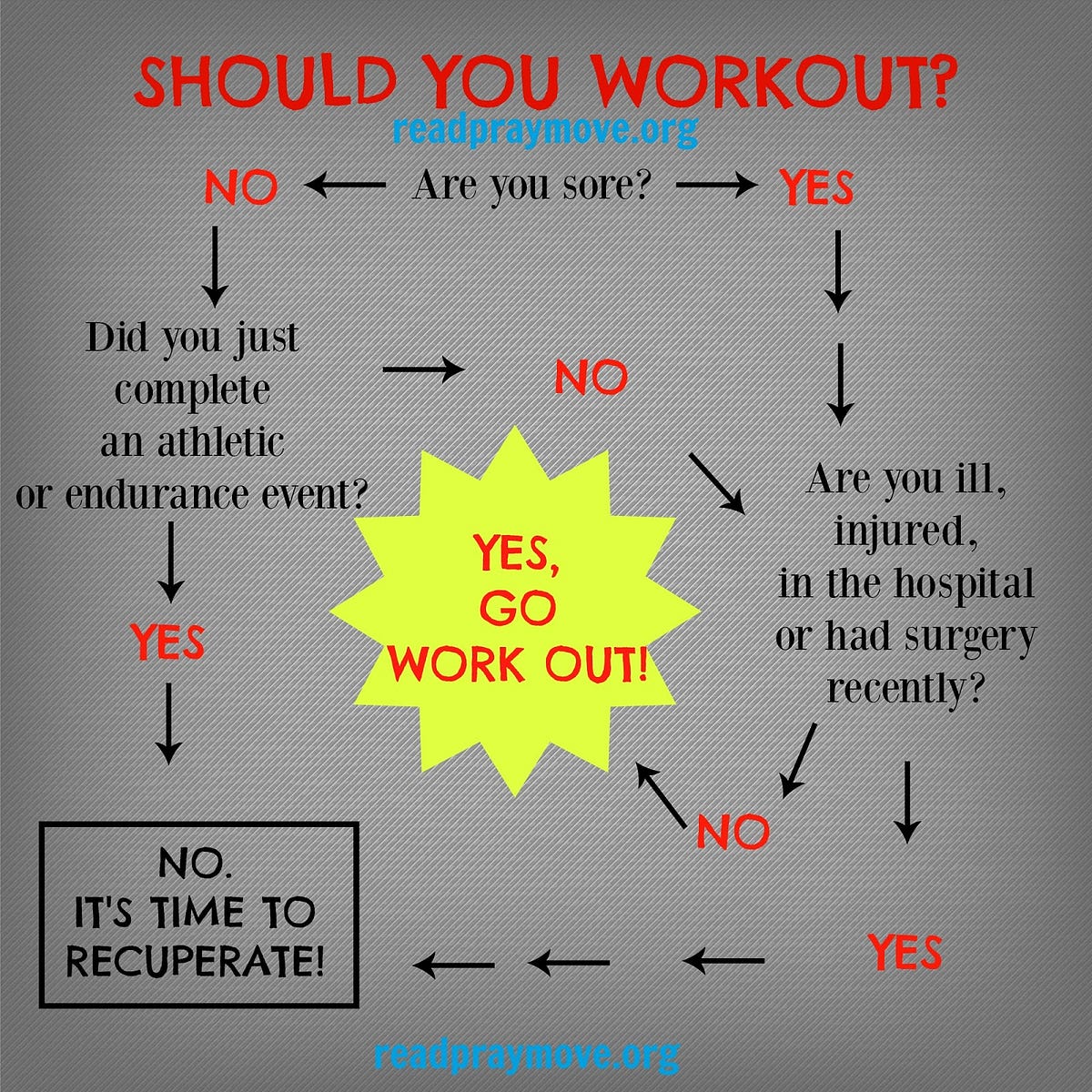
Credit: medium.com
Benefits Of Multiple Workouts
Working out multiple times a day can change how your body responds and recovers. It’s not just about doing more exercise but about gaining specific benefits that single sessions might not deliver. If you’re wondering whether splitting your workouts can help you reach your fitness goals faster, here’s what you should know.
Enhanced Fat Burning
Breaking your workouts into two or more sessions can keep your body in a fat-burning state for longer periods. After the first session, your metabolism stays elevated, so when you exercise again later, you tap into fat stores more effectively.
Think about it: instead of one long session where your energy dips, short bursts spread out keep your body guessing and burning fuel consistently. Have you noticed how your energy feels sharper during multiple short workouts compared to a single long one?
Improved Muscle Growth
When you work out multiple times a day, you can target different muscle groups or focus on varying intensities. This approach allows muscles to recover partially between sessions, leading to better growth.
For example, doing strength training in the morning and light cardio in the evening helps avoid overworking the same muscles all at once. It’s like giving your muscles focused attention without overwhelming them.
Boosted Metabolism
Multiple workouts can keep your metabolism active throughout the day. Each session triggers an increase in your metabolic rate, known as excess post-exercise oxygen consumption (EPOC), meaning you continue burning calories even after you stop exercising.
If you’ve ever felt more energized and alert after a quick afternoon workout, that’s your metabolism getting a kickstart. Could spreading out your exercise be the key to maintaining energy and calorie burn all day long?
Single Vs Multiple Sessions
Deciding between a single workout session or multiple sessions a day can shape your fitness journey in big ways. Both approaches have unique benefits depending on your goals, schedule, and how your body responds to exercise. Understanding these differences helps you make a choice that fits your lifestyle and maximizes your progress.
Pros Of One Workout Daily
One focused workout each day saves time and simplifies your routine. You can dedicate a solid block to warm-up, intense exercise, and cool-down without interruptions. This approach often leads to better mental focus and a sense of accomplishment.
Training once daily allows your body to recover fully before the next session. This helps prevent burnout and reduces the risk of injury. Plus, a single session can be easier to plan around work or family commitments.
Have you noticed how your energy levels peak at certain times? Concentrating your workout during that peak can make your effort more effective. Also, some people find that one session creates a stronger habit and consistency.
Advantages Of Splitting Workouts
Splitting your workouts into two or more sessions can boost your overall energy and performance. Shorter sessions mean you can push harder during each one, which might lead to better gains in strength or endurance.
This approach can help you fit exercise into a busy day by breaking it into manageable chunks. You might do a quick cardio session in the morning and a strength workout in the evening. This variety keeps your routine fresh and less tiring.
Splitting workouts can also improve your metabolism by increasing calorie burn throughout the day. It challenges your body in different ways and may speed up recovery for certain muscle groups. Have you ever tried midday movement to break up long periods of sitting? It can be surprisingly refreshing and effective.
Factors Influencing Workout Frequency
Deciding how many times to work out each day depends on several key factors that affect both your body and your progress. Understanding these can help you design a routine that fits your lifestyle and maximizes results without causing burnout or injury. Let’s look at the main influences on how often you should exercise daily.
Fitness Goals
Your workout frequency should align with what you want to achieve. If you aim to build muscle, you might focus on intense sessions with rest days in between to allow recovery. On the other hand, if weight loss or endurance is your goal, shorter but more frequent workouts might be more effective.
Think about what matters most to you: strength, stamina, or overall health. This focus will guide how often you hit the gym or move your body.
Age And Recovery
As you get older, your body recovers more slowly. Younger individuals might handle multiple workouts in a day, but older adults often need more rest between sessions. Recovery is just as important as the workout itself.
Listen to your body’s signals. If you’re constantly tired or sore, it might be time to reduce the frequency or intensity of your workouts to avoid injury.
Exercise Intensity
The harder your workout, the more recovery time you need. High-intensity interval training (HIIT) or heavy weightlifting sessions demand longer breaks compared to low-intensity activities like walking or yoga. Scheduling high-intensity workouts too close together can lead to fatigue and poor performance.
Mixing different intensities throughout the day or week can keep your routine balanced and effective. Have you noticed how your energy levels change after different types of workouts?
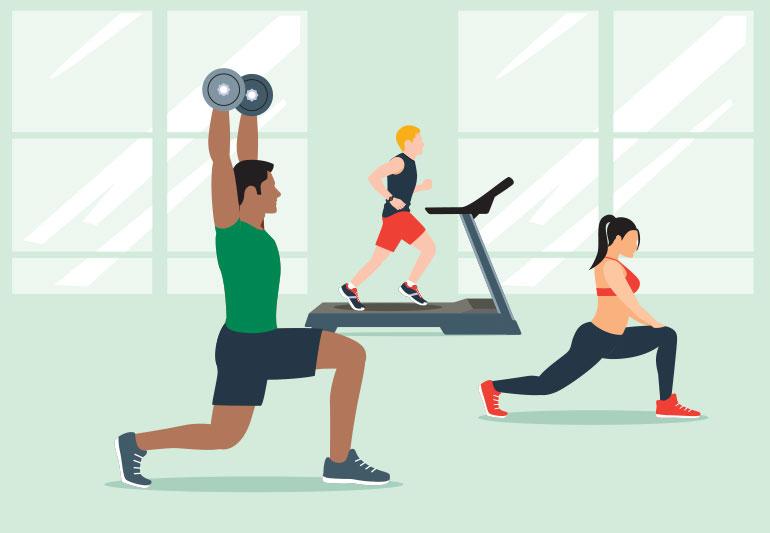
Credit: health.clevelandclinic.org
Sample Workout Schedules
Finding the right workout schedule can make a big difference in your fitness progress and how you feel day-to-day. Different routines suit different goals, energy levels, and time constraints. Below are some sample workout schedules to help you figure out how often you might want to train each day and how to divide your sessions effectively.
Morning And Evening Split
This schedule breaks your workout into two sessions: one in the morning and one in the evening. You might do cardio or mobility exercises in the morning to energize your day.
Then, save strength training or heavier lifting for the evening when your muscles are warmer and you have more energy. Splitting workouts like this can help you stay consistent without feeling overwhelmed.
Think about your daily energy highs—do you feel stronger in the morning or at night? Adjust your split to match your natural rhythm for better results.
Cardio And Strength Separation
Separating cardio and strength training into different sessions helps you focus fully on each without compromising performance. You could do a cardio session in the morning and strength training in the afternoon or vice versa.
This approach prevents fatigue from one type of workout impacting the other. It also allows your body to recover between sessions while still keeping you active throughout the day.
Have you noticed your cardio performance drops after lifting weights? Trying this separation might help you push harder in both areas.
Full Body Vs Targeted Sessions
Full-body workouts hit all major muscle groups in one session, usually done 3-4 times a week. This schedule is great if you want balanced strength and have limited time.
Targeted sessions focus on specific body parts—like legs one day, arms another. These are often split across 5-6 days and allow you to train each muscle group with more volume.
Which style fits your lifestyle better? If you struggle to find time daily, full-body workouts might be your best bet. If you enjoy longer sessions and detailed focus, targeted splits can bring great gains.
Signs Of Overtraining
Working out multiple times a day might seem like a fast track to fitness, but it can quickly lead to overtraining if you’re not careful. Recognizing the signs early helps you avoid burnout and injury. Let’s look closely at how your body and mind might signal that you need to slow down.
Physical Symptoms
Your body speaks loudly when it’s overworked. Persistent muscle soreness that doesn’t improve after rest is a key warning sign.
Other symptoms include frequent injuries, joint pain, and unusual fatigue that lingers throughout the day. Have you noticed your sleep getting restless or your heart rate staying elevated even when you’re resting? These physical signs mean your body needs more recovery time.
Mental Fatigue
Overtraining doesn’t just affect your muscles; it drains your mind too. You might find it harder to concentrate or feel less motivated to hit the gym.
Feelings of irritability, anxiety, or even mild depression can creep in. If your workouts start feeling like a chore rather than a choice, it’s time to listen closely to your mental state.
Performance Decline
Ironically, training too much can make you weaker, not stronger. If your lifts are plateauing or your endurance is dropping despite consistent effort, overtraining might be the cause.
Notice if you’re struggling to hit your usual targets or if recovery between sessions takes longer than before. Your body is telling you it can’t keep up with the current load, and adjusting your workout frequency could help you regain progress.

Credit: www.reddit.com
Nutrition And Rest Tips
Nutrition and rest are key to getting the best results from your workouts. They help your body recover and grow stronger. Eating the right foods and resting enough boosts your energy and performance. Proper hydration also keeps your body working well during exercise. Below are important tips on meals, sleep, and hydration to support your daily workouts.
Pre And Post Workout Meals
Eating before a workout gives you energy to exercise well. Choose simple carbs and some protein about 30-60 minutes before training. Examples are a banana with peanut butter or yogurt with fruit.
After your workout, your body needs nutrients to repair muscles. Focus on protein and carbs within 30 minutes to one hour. Good options include chicken with rice, or a smoothie with protein powder and fruit.
Importance Of Sleep
Sleep helps your muscles recover and grow. Aim for 7-9 hours of quality sleep every night. Poor sleep can reduce strength and slow recovery. Create a calm bedtime routine. Avoid screens and caffeine before sleeping.
Hydration Strategies
Water is vital for muscle function and energy. Drink water before, during, and after workouts. For long sessions, consider drinks with electrolytes to replace lost minerals.
- Start your day with a glass of water.
- Take small sips during exercise.
- Drink enough to keep your urine light yellow.
Customizing Your Routine
Customizing your workout routine helps fit exercise into your life. Every person has different needs and goals. Changing your routine makes workouts more effective and enjoyable.
Listening To Your Body
Your body sends clear signals about how it feels. Pay attention to soreness, fatigue, and energy levels. Rest if you feel pain or extreme tiredness. Exercise should challenge you but not cause harm. Adjust the intensity or frequency based on these signals.
Adjusting Based On Progress
Track your improvements over time. Notice if workouts feel easier or harder. Increase workout intensity or duration to keep improving. Change exercises to target different muscles. Staying flexible with your routine prevents plateaus and boredom.
Balancing Work And Rest
Rest days are as important as workout days. Muscles need time to recover and grow stronger. Balance intense days with light or rest days. Avoid exercising the same muscle groups every day. A good balance helps prevent injuries and burnout.
Frequently Asked Questions
How Many Times Should I Workout Daily For Best Results?
Most people benefit from 1 to 2 workouts daily. One session is enough for beginners. Advanced athletes may add a second short workout. Quality and recovery matter more than frequency.
Is Working Out Twice A Day Safe?
Yes, working out twice daily is safe if planned well. Balance intensity and allow proper rest. Avoid overtraining by listening to your body. Nutrition and hydration are key for recovery.
Can I Lose Weight By Working Out Once A Day?
Yes, exercising once a day can help weight loss. Combine cardio and strength training for best fat burn. Consistency and a healthy diet are crucial alongside workouts.
What Is The Ideal Workout Duration Per Session?
Ideal workout sessions last 30 to 60 minutes. Focus on intensity rather than length. Short, high-quality workouts can be very effective. Avoid excessively long sessions to prevent fatigue.
Conclusion
Finding the right workout frequency depends on your body and goals. Some benefit from one daily session, while others may train twice safely. Rest days are as important as workout days for recovery. Listen to your body to avoid injury and burnout.
Consistency matters more than how many times you exercise. Keep your routine balanced and enjoyable for lasting results. Fitness is a personal journey—take it step by step.







