
Unlock the potential of your upper body strength with a shoulder workout routine that can transform not just how you look, but how you feel. Imagine standing taller, feeling more confident, and having the power to lift, push, and pull with ease.
Your shoulders play a pivotal role in your daily activities and exercise performance, and giving them the right workout can make all the difference. Are you ready to redefine your fitness goals and elevate your workouts? Dive into this guide where we’ll reveal the secrets to a powerful shoulder routine that can help you achieve the strength and physique you’ve always wanted.
Your journey to stronger, more defined shoulders starts here—let’s get moving!

Credit: powerliftingtechnique.com
Benefits Of Strong Shoulders
Building strong shoulders does more than just improve your appearance. It directly impacts how you move, how you carry yourself, and how well you perform in daily activities or sports. Focusing on shoulder strength can change your overall physical health in ways you might not expect.
Improved Posture And Stability
Strong shoulders help keep your upper body aligned properly. This reduces the tendency to slouch, which can cause back and neck pain over time. When your shoulders are stable, you stand taller and feel more confident in your stance.
Think about how often you find yourself hunched over a desk or phone. Would having stronger shoulders help you hold a better posture throughout the day? Most likely, yes.
Enhanced Athletic Performance
Your shoulders play a key role in many sports and physical activities. Whether you’re throwing a ball, swimming, or lifting weights, strong shoulders give you the power and control needed to excel.
During my own workout journey, I noticed a huge difference in my performance after adding targeted shoulder exercises. Movements felt smoother, and I recovered faster after intense sessions.
Injury Prevention
Weak shoulders often lead to imbalances that increase the risk of injuries. Strengthening these muscles supports your joints and helps protect against strains and tears.
Have you ever experienced shoulder pain after lifting or playing sports? Strengthening your shoulders can reduce this discomfort and keep you active longer without setbacks.
Key Shoulder Muscles To Target
Targeting the right shoulder muscles can transform your workout results and improve overall strength and mobility. Shoulders are complex joints supported by multiple muscles working together. Understanding these key muscles helps you design a routine that builds balanced, injury-resistant shoulders.
Deltoid Anatomy
The deltoid muscle is the main muscle that shapes your shoulder’s rounded appearance. It has three heads: anterior (front), lateral (side), and posterior (rear). Each head moves your arm differently, so you want to train all three to avoid muscle imbalances.
For example, front raises hit the anterior deltoid, while lateral raises focus on the side part. Don’t forget rear delt fly exercises to strengthen the posterior head, which many people overlook but is crucial for posture and shoulder health.
Rotator Cuff Importance
The rotator cuff is a group of four small muscles that stabilize your shoulder joint. These muscles keep your shoulder secure during heavy lifts and overhead movements. If you neglect them, you risk strains and long-term damage.
Adding external rotation exercises or face pulls to your routine can help protect your shoulders. Have you noticed discomfort during overhead presses? Strengthening the rotator cuff might be the fix you need to lift pain-free.
Trapezius Role
The trapezius muscle extends from your neck down to the middle of your back. It helps control your shoulder blades’ movement and supports posture. Most people focus only on the deltoids and miss how crucial traps are for shoulder stability.
Shrugs and upright rows target the upper traps, while rowing motions strengthen the middle and lower parts. Paying attention to your traps can improve your shoulder’s overall function and appearance.
Essential Shoulder Exercises
Building strong, well-defined shoulders requires focusing on key exercises that target all parts of the deltoid muscle group. Essential shoulder exercises don’t just add size; they improve stability and prevent injury. Choosing the right moves and performing them correctly can transform your shoulder workouts and help you see better results faster.
Overhead Press Variations
The overhead press is a powerhouse move for shoulder development. You can use dumbbells, barbells, or kettlebells to keep your routine fresh and challenge your muscles in different ways.
Try seated or standing versions to test your core stability along with shoulder strength. If you want to protect your joints, experiment with the Arnold press, which adds a rotational element to hit your delts from various angles.
Lateral Raises Techniques
Lateral raises isolate the middle delts and give your shoulders that wide, capped look. Small adjustments in your form can make a big difference in effectiveness.
Focus on controlled movement rather than heavy weight. Try performing the raises with a slight pause at the top to increase muscle tension and improve mind-muscle connection.
Face Pulls For Rear Delts
Many people neglect their rear delts, but face pulls are a simple fix for balanced shoulder strength. Using a cable machine or resistance bands, this exercise helps improve posture and reduce shoulder pain.
Pay attention to squeezing your shoulder blades together at the end of each pull. This ensures you’re truly activating the rear delts instead of relying on your traps.
Shrugs For Traps
Shrugs are your go-to for building thick traps that support your neck and improve overall shoulder aesthetics. You can use dumbbells, barbells, or even a trap bar to perform this exercise.
Focus on lifting your shoulders straight up without rolling them. This keeps tension on the traps and minimizes the risk of injury.
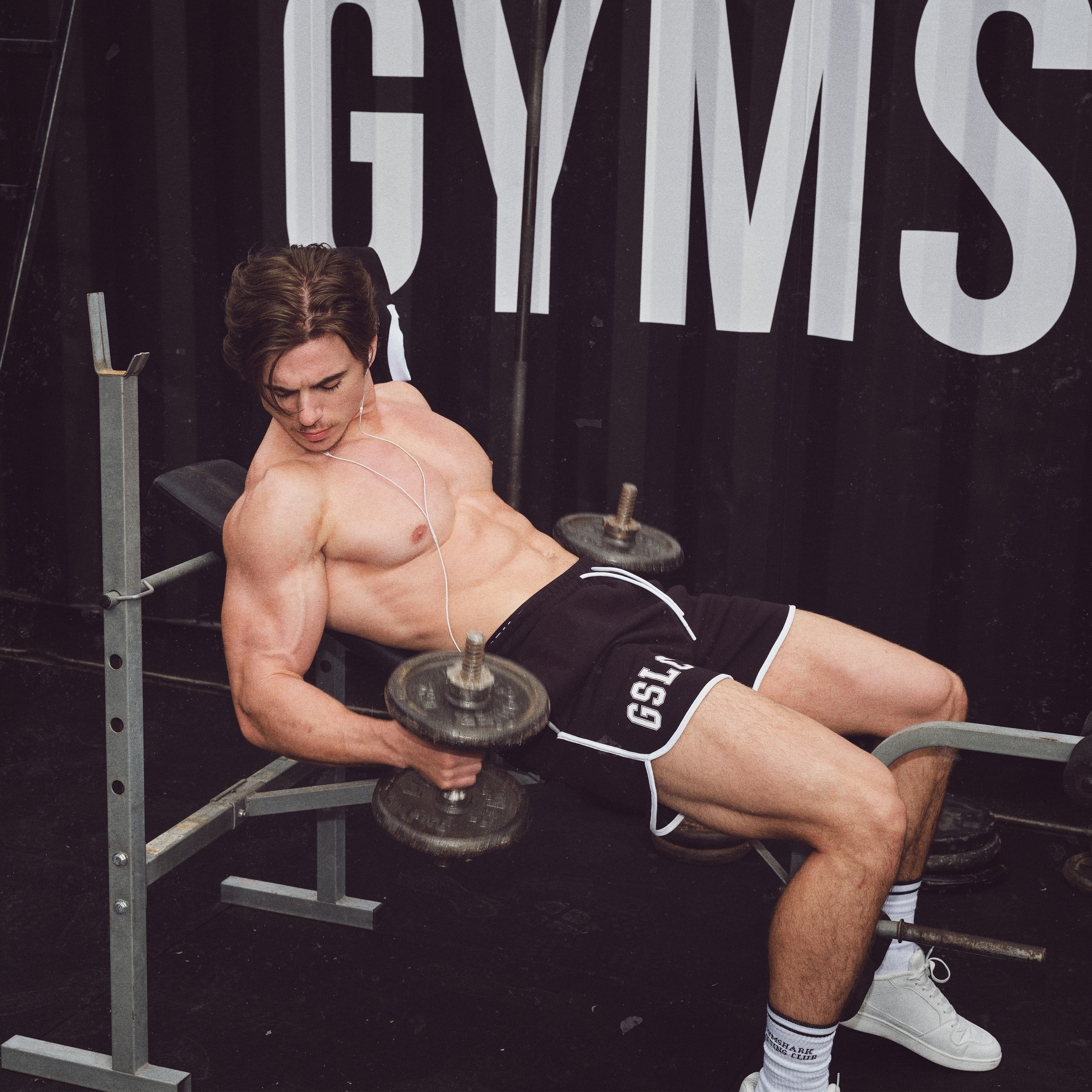
Credit: row.gymshark.com
Sample Workout Routines
Sample workout routines help organize your shoulder training. They guide you through exercises suitable for different skill levels. Each routine targets the main shoulder muscles for balanced strength and shape.
Choose a plan that fits your experience and goals. Consistency and proper form are key to progress. Below are three routines designed to build shoulder strength and size safely.
Beginner-friendly Plan
- Warm-up: Arm circles and light dumbbell raises (5 minutes)
- Seated dumbbell shoulder press – 3 sets of 10 reps
- Lateral raises – 3 sets of 12 reps
- Front raises – 3 sets of 12 reps
- Reverse flyes – 3 sets of 15 reps
- Cool down: Shoulder stretches (5 minutes)
Intermediate Challenge
- Warm-up: Resistance band shoulder rotations (5 minutes)
- Barbell overhead press – 4 sets of 8 reps
- Dumbbell lateral raises – 4 sets of 12 reps
- Cable face pulls – 4 sets of 15 reps
- Arnold press – 3 sets of 10 reps
- Cool down: Doorway chest stretch and arm cross stretch
Advanced Sculpting Routine
| Exercise | Sets | Reps | Rest |
|---|---|---|---|
| Barbell military press | 5 | 6-8 | 90 seconds |
| Dumbbell lateral raise drop sets | 4 | 12-15 | 60 seconds |
| Cable rear delt fly | 4 | 15-20 | 60 seconds |
| Arnold press | 4 | 10-12 | 90 seconds |
| Face pulls | 5 | 15-20 | 60 seconds |
Tips For Maximizing Gains
Maximizing your shoulder workout gains isn’t just about lifting heavier weights. It’s about doing the right things consistently and smartly. Paying attention to form, gradually challenging your muscles, and allowing proper recovery will push your progress forward more effectively than random efforts.
Proper Form And Technique
Maintaining proper form protects your joints and targets the shoulder muscles correctly. Avoid using momentum or swinging the weights, as this reduces effectiveness and increases injury risk.
Focus on controlled movements and a full range of motion. For example, when doing overhead presses, keep your back straight and elbows slightly in front of your body to engage the deltoids fully.
Have you noticed how a small tweak in your posture can make a big difference in muscle activation? Paying close attention to technique can often lead to better results than just adding more weight.
Progressive Overload Strategies
Challenging your muscles over time is key to growth. This doesn’t always mean lifting heavier weights—try adding more reps, reducing rest between sets, or increasing time under tension.
Tracking your workouts helps you spot when to push harder. For instance, if you can easily complete 12 reps, try adding weight next session or slow down the movement to increase difficulty.
Ask yourself: how can you make each set more challenging without risking injury? Small, consistent increases lead to steady progress.
Rest And Recovery
Muscles grow when you rest, not while you train. Skipping recovery can stall your gains and increase fatigue or injury risk.
Ensure you get enough sleep and allow at least 48 hours before training the same shoulder muscles again. Using techniques like stretching or light activity on rest days can reduce soreness and improve circulation.
Have you ever felt stronger after taking a day off? Listening to your body’s need for rest is just as important as the workout itself.

Credit: www.threads.com
Common Mistakes To Avoid
A solid shoulder workout routine helps build strength and shape. Avoiding common mistakes ensures steady progress and lowers injury risk. Many overlook key errors that can harm their gains. Focus on correct form and balanced effort for better results.
Overtraining Risks
Training shoulders too often causes fatigue and pain. Muscles need time to recover and grow stronger. Overtraining leads to soreness and poor performance. Rest days are essential to avoid injury and burnout. Balance workout frequency with proper recovery for lasting gains.
Neglecting Warm-ups
Skipping warm-ups increases injury risk and reduces workout quality. Warm muscles perform better and handle stress well. Simple arm circles and light weights prepare joints for action. Spend at least 5-10 minutes warming up before heavy lifts. This habit protects muscles and improves strength.
Ignoring Muscle Imbalances
Uneven muscle strength causes posture problems and injuries. Focus only on front delts leads to weak rear delts. Balanced training targets all shoulder parts equally. Include exercises for front, side, and rear delts in your routine. Fix imbalances early for healthy, strong shoulders.
Nutrition For Shoulder Growth
Proper nutrition plays a key role in shoulder growth and muscle development. Eating the right foods fuels your workouts and helps repair muscle tissue. Balanced nutrition supports strength gains and improves recovery. Focus on nutrients that build muscle and reduce soreness.
Protein Intake Guidelines
Protein is essential for muscle repair and growth. Aim for 1.2 to 2.0 grams of protein per kilogram of body weight daily. Spread protein intake evenly across meals to maximize muscle synthesis. Good sources include:
- Chicken breast
- Eggs
- Greek yogurt
- Lean beef
- Beans and lentils
- Fish like salmon and tuna
Include protein after workouts to support muscle recovery.
Supplements That Help
Supplements can support your shoulder workout routine but do not replace whole foods. Consider these options:
- Whey protein:Quick absorption for post-workout muscle repair.
- Creatine:Boosts strength and power during lifting.
- Branched-chain amino acids (BCAAs):Reduce muscle soreness and improve recovery.
- Fish oil:Supports joint health and reduces inflammation.
Consult a healthcare provider before starting any supplement.
Hydration And Recovery
Water is vital for muscle function and recovery. Dehydration reduces strength and slows healing. Drink water throughout the day, especially before and after workouts.
Proper rest also aids shoulder growth. Sleep repairs muscle fibers and balances hormones. Aim for 7 to 9 hours of sleep each night to support muscle building.
Frequently Asked Questions
What Are The Best Exercises For Shoulder Workouts?
The best shoulder exercises include overhead presses, lateral raises, front raises, and reverse flyes. These target all shoulder muscles for balanced strength and growth.
How Often Should I Do Shoulder Workouts Weekly?
Aim for 2 to 3 shoulder workouts per week. This frequency allows muscle recovery and optimal strength gains without overtraining.
Can Shoulder Workouts Reduce Shoulder Pain?
Proper shoulder workouts strengthen muscles and improve joint stability. This can help reduce pain caused by weakness or imbalance.
Should I Warm Up Before Shoulder Exercises?
Yes, warming up increases blood flow and reduces injury risk. Include light cardio and dynamic stretches before your shoulder workout.
Conclusion
Strong shoulders improve posture and reduce injury risk. Consistency in your workout routine brings steady results. Focus on proper form to avoid pain or strain. Mix different exercises to target all shoulder muscles. Rest days help muscles grow and recover well.
Keep track of your progress to stay motivated. Healthy shoulders support daily activities and sports. Start small, increase weight as strength improves. Enjoy the process and celebrate small wins. Strong shoulders build confidence and overall fitness.







