
Imagine doubling the benefits of your fitness routine. The idea of working out twice a day might sound tempting, especially if you’re eager to see faster results.
But is it really beneficial, or could it be doing more harm than good? You’re probably curious about whether this intense regimen can help you reach your fitness goals quicker or if it’s just another fitness fad. In this blog post, we’re going to explore the pros and cons of working out twice daily, and help you decide if it’s the right choice for you.
So, if you’ve ever wondered about boosting your workout routine without burning out, keep reading. Your path to understanding the truth about two-a-day workouts starts here.
Benefits Of Twice-daily Workouts
Working out twice a day can bring many advantages. Splitting exercise into two sessions helps you stay active and focused. This routine can improve your body’s performance and overall health. Here are some key benefits of twice-daily workouts.
Enhanced Fat Burning
Exercising two times a day increases the total calories you burn. Short, intense sessions raise your heart rate and keep it up longer. This helps your body use stored fat for energy. You can see faster results in weight loss and fat reduction.
Improved Muscle Growth
Twice-daily workouts allow you to target different muscle groups more often. This gives muscles more stimulation to grow stronger. Splitting workouts helps reduce fatigue during each session. You can lift weights or train harder with better focus and form.
Boosted Metabolism
Working out twice daily keeps your metabolism active all day. Your body burns more calories even at rest. This can lead to improved digestion and energy use. An active metabolism supports better weight control and muscle maintenance.
Increased Energy Levels
Regular exercise releases endorphins that improve mood and energy. Two workout sessions spread through the day can prevent energy slumps. Physical activity helps your body feel more awake and alert. You may notice better productivity and less tiredness.
When Two Workouts Make Sense
Two workouts a day can be helpful under certain conditions. This approach is not for everyone. It depends on your fitness goals, recovery ability, and lifestyle. Splitting exercise sessions can boost progress and prevent boredom. Understanding when two workouts make sense helps you train smart.
Training For Endurance
Endurance athletes often train twice daily. One session focuses on building stamina. The other improves speed or technique. This balance helps the body adapt without overstraining. Shorter workouts reduce fatigue while increasing total training volume. Rest and nutrition remain important to avoid burnout.
Weight Loss Goals
Two workouts can increase calorie burn for weight loss. Morning cardio burns fat, while evening strength training builds muscle. Muscle growth boosts metabolism, helping burn more calories at rest. Splitting workouts keeps energy levels higher during each session. Avoid overtraining by listening to your body’s signals.
Skill Improvement
Practicing skills twice a day can speed up learning. Athletes and dancers often use this method. The first session focuses on new moves or drills. The second session refines and repeats them. Shorter, focused sessions improve memory and coordination. Consistency matters more than long, tiring workouts.
Athlete Conditioning
Professional athletes use two-a-day workouts for peak performance. One session targets strength or power. The other improves agility or endurance. This approach develops multiple fitness areas efficiently. Coaches plan workouts carefully to avoid injury. Adequate rest and recovery are key to success.
Risks And Challenges
Working out twice a day might seem like a shortcut to faster results, but it comes with its own set of risks and challenges. Pushing your body beyond its limits without proper care can backfire, affecting both your physical health and mental state. Understanding these risks helps you make smarter choices about how often and how intensely you train.
Overtraining Symptoms
Overtraining happens when you don’t give your body enough time to rest between sessions. You might notice persistent fatigue, trouble sleeping, or a drop in performance. Sometimes, your workouts feel harder even though you’re trying just as hard.
Have you ever felt too tired to complete a workout, even though you’re usually motivated? That’s a red flag indicating your body needs a break.
Injury Risks
Working out twice a day increases the chance of injuries like strains, sprains, or stress fractures. Your muscles and joints may not recover fully before the next session, making you more vulnerable.
Ignoring this can lead to longer downtime and even chronic pain. It’s crucial to listen to your body’s signals and avoid pushing through sharp pain or discomfort.
Impact On Recovery
Recovery is where your muscles repair and grow stronger. Skipping or shortening recovery periods means you miss out on these benefits.
Without proper recovery, your progress stalls, and your risk of burnout grows. Are you scheduling enough rest, or is your eagerness cutting into your body’s repair time?
Mental Fatigue
Training twice a day can drain your mental energy just as much as your physical energy. Constant focus on workouts can lead to stress, decreased motivation, and even anxiety.
Have you found yourself dreading workouts instead of looking forward to them? Mental fatigue often signals that your routine needs adjustment to keep fitness enjoyable and sustainable.

Credit: impactmagazine.ca
How To Structure Two Workouts
Structuring two workouts a day requires balance and careful planning to avoid burnout and maximize results. How you divide your sessions can make a big difference in energy levels and recovery. Let’s break down effective ways to organize your workouts so you stay strong and motivated.
Splitting Cardio And Strength
Separating cardio and strength training into different sessions helps you focus better on each type. You might do strength training in the morning when your muscles are fresh, then cardio later to boost endurance without compromising muscle recovery.
This split lets you put full effort into lifting weights without feeling drained from earlier cardio. Have you tried doing cardio after strength training? You might find your energy lasts longer and your performance improves overall.
Varying Intensity Levels
Not every workout has to be high intensity. If your morning session is tough, keep the evening session lighter to help your body recover. For example, a heavy lifting session can be followed by a gentle yoga or light jog.
This approach keeps you active without overstressing your muscles or nervous system. Think about how your body feels after workouts—do you notice better progress when you mix hard and easy days?
Timing And Rest Periods
Allow enough time between workouts so your body can recharge. Ideally, leave 4 to 6 hours between sessions. This gap helps replenish energy and reduce fatigue.
Short breaks might leave you too tired to push hard in the second workout. Pay attention to how different rest periods affect your strength and endurance throughout the day.
Nutrition Between Sessions
Fueling properly between workouts is key to maintaining energy and aiding recovery. Aim for a mix of protein and carbohydrates about 30 to 60 minutes after your first session.
For example, a smoothie with banana and whey protein or a turkey sandwich can provide what your muscles need. Have you noticed a difference in your second workout when you skip or eat well between sessions?
Expert Tips For Twice-daily Training
Training twice a day can boost fitness but needs careful planning. Experts share simple tips to keep you safe and effective. These tips help balance effort and recovery for better results.
Listening To Your Body
Pay close attention to how you feel before and after workouts. Rest if you feel pain or extreme tiredness. Avoid pushing through discomfort to prevent injuries. Adjust your sessions based on energy and mood levels.
Prioritizing Sleep
Sleep repairs muscles and restores energy. Aim for 7 to 9 hours of quality sleep each night. Create a bedtime routine to improve sleep consistency. Avoid screens and caffeine before bed to fall asleep easier.
Hydration Strategies
Drink water before, during, and after workouts. Stay hydrated to support muscle function and recovery. Use electrolyte drinks if sessions are intense or last long. Watch for signs of dehydration like dizziness or dry mouth.
Tracking Progress
Keep a workout journal or use an app to log sessions. Note how you feel, exercises done, and any pain or fatigue. Tracking helps identify patterns and avoid overtraining. Review progress weekly to adjust your plan.
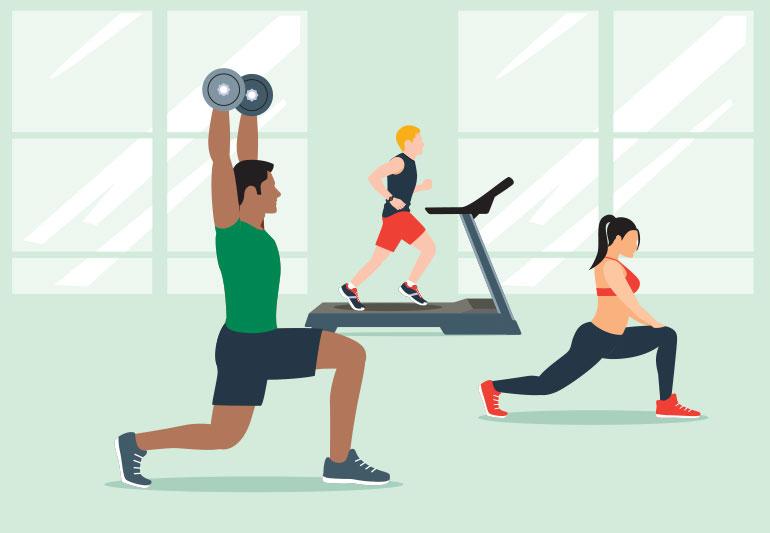
Credit: health.clevelandclinic.org
Who Should Avoid Twice-daily Workouts
Working out twice a day can be intense. Not everyone benefits from it. Some people should avoid this routine to stay safe and healthy. Understanding who should skip twice-daily workouts helps prevent injury and burnout.
Beginners
New exercisers need time to build strength and stamina. Their bodies are not used to heavy or frequent training. Twice-daily workouts can cause too much fatigue and increase injury risk. Starting with fewer sessions allows the body to adapt safely.
People With Health Conditions
Chronic illnesses or heart problems require careful exercise planning. Intense or frequent workouts may worsen symptoms or cause complications. Doctors usually recommend moderate exercise and rest. Twice-daily sessions can be harmful for those with health issues.
Those With Limited Recovery Time
Rest is key for muscle growth and repair. Without enough recovery, the body becomes tired and weak. People with busy schedules or poor sleep cannot recover well. Twice-daily workouts in these cases may lead to exhaustion and injury.
Credit: medium.com
Frequently Asked Questions
Is It Safe To Workout Twice A Day?
Yes, working out twice a day can be safe if you listen to your body. Ensure proper rest, hydration, and nutrition to avoid injury and fatigue.
How Often Should You Exercise Two Times Daily?
Exercising twice daily is best for 3 to 4 days a week. Balance intense sessions with lighter workouts to allow recovery and avoid burnout.
What Are The Benefits Of Two-a-day Workouts?
Two-a-day workouts can boost metabolism, improve endurance, and speed up fitness progress. They help split training types, like cardio in the morning and strength at night.
Can Working Out Twice Daily Cause Overtraining?
Yes, overtraining is possible if you don’t rest enough. Watch for fatigue, soreness, or decreased performance, and adjust your routine accordingly to prevent injury.
Conclusion
Working out twice a day can be good for some people. Rest and recovery stay important. Watch your body for signs of tiredness or pain. Plan your workouts to avoid overdoing it. Eating well and sleeping enough help too. Not everyone needs two workouts daily.
Find what works best for your health. Stay consistent but listen to your limits. Balance keeps your progress steady and safe. Choose smart, enjoy your fitness journey.







