
Imagine unlocking a secret that could transform your workouts, making them more effective without spending extra time in the gym. Sounds intriguing, right?
This secret lies in the concept of “Time under Tension Workout. ” It’s not just about lifting weights; it’s about how you lift them. By focusing on the duration your muscles are under strain, you can maximize your gains and see results faster.
Whether you’re a seasoned gym-goer or just starting your fitness journey, understanding this technique could be the game-changer you’ve been looking for. Ready to discover how you can build strength and muscle more efficiently? Let’s dive in and explore how Time under Tension can revolutionize your workout routine.
What Is Time Under Tension
Time Under Tension (TUT) is a training method that focuses on how long muscles stay under strain during exercise. It changes the speed of lifting and lowering weights to keep muscles working longer. This technique helps build strength and muscle size without adding more weight.
Instead of doing many fast repetitions, TUT emphasizes slow and controlled movements. This increases muscle fatigue and improves muscle growth. It also helps improve muscle endurance and control.
Definition Of Time Under Tension
Time Under Tension means the total time your muscle is under load during one set of an exercise. It includes both the lifting and lowering phases of the movement. The longer the muscle stays tense, the more it works.
How Time Under Tension Works
During a TUT workout, you lift weights slowly and lower them with control. This keeps muscles active for a longer time. Muscles get tired faster, which promotes growth and strength.
Benefits Of Time Under Tension
- Increases muscle size by stressing muscles longer
- Improves muscle endurance
- Enhances muscle control and stability
- Reduces risk of injury by promoting proper form
Common Time Under Tension Patterns
| Phase | Duration (seconds) | Description |
|---|---|---|
| Concentric | 2-4 | Muscle shortens during lifting |
| Isometric | 1-2 | Muscle holds position without movement |
| Eccentric | 3-5 | Muscle lengthens while lowering weight |
Benefits For Strength And Muscle
Spending more time under tension during your workouts can dramatically impact your strength and muscle growth. This method challenges your muscles differently than traditional lifting by increasing the duration your muscles are actively working. You might find that this approach not only helps you build muscle but also improves your control and muscle endurance.
Increased Muscle Fiber Activation
When you slow down your movements, your muscles stay engaged longer. This extended engagement recruits more muscle fibers, especially the slow-twitch and fast-twitch fibers needed for growth. Have you noticed how a slower push-up or squat feels more intense? That’s your muscle fibers working harder to maintain control.
Improved Muscle Growth Through Time Under Tension
Muscle growth happens when your muscle fibers experience stress and then repair stronger. By increasing the time your muscles are under tension, you create more micro-tears in the fibers. This leads to greater muscle hypertrophy as your body works to rebuild.
Enhanced Strength Gains
Holding weights or performing slow reps forces your muscles to work continuously, improving both strength and endurance. This method pushes your muscles beyond their usual limits, helping you break through strength plateaus. Are you ready to see your max lifts climb by simply adjusting your tempo?
Better Form And Injury Prevention
Slowing down your reps encourages better control and technique. This focus reduces the risk of injury because you’re not relying on momentum or rushing through movements. You train your muscles and joints to move correctly, which pays off when lifting heavier weights.
Practical Tips To Maximize Time Under Tension
- Start by slowing down the eccentric (lowering) phase of your lift to 3-4 seconds.
- Pause briefly at the bottom or midpoint of the movement to increase tension.
- Use lighter weights if needed to maintain good form throughout the slower tempo.
Have you tried timing your reps before? Adjusting your tempo could be the key to breaking through your current strength limits.
Key Techniques To Apply
Applying the right techniques in a Time under Tension workout boosts muscle growth and strength. These techniques control muscle stress, increasing workout efficiency. Focus on quality over speed to get the best results.
Slow Reps
Performing slow repetitions increases the time muscles stay under tension. Move through each phase carefully, aiming for steady, smooth motion. Slow reps reduce momentum and force muscles to work harder.
Controlled Movements
Keep movements steady and controlled to avoid injury and improve muscle engagement. Avoid jerking or swinging the weights. Controlled lifts help maintain proper form and target the right muscles.
Extended Eccentric Phase
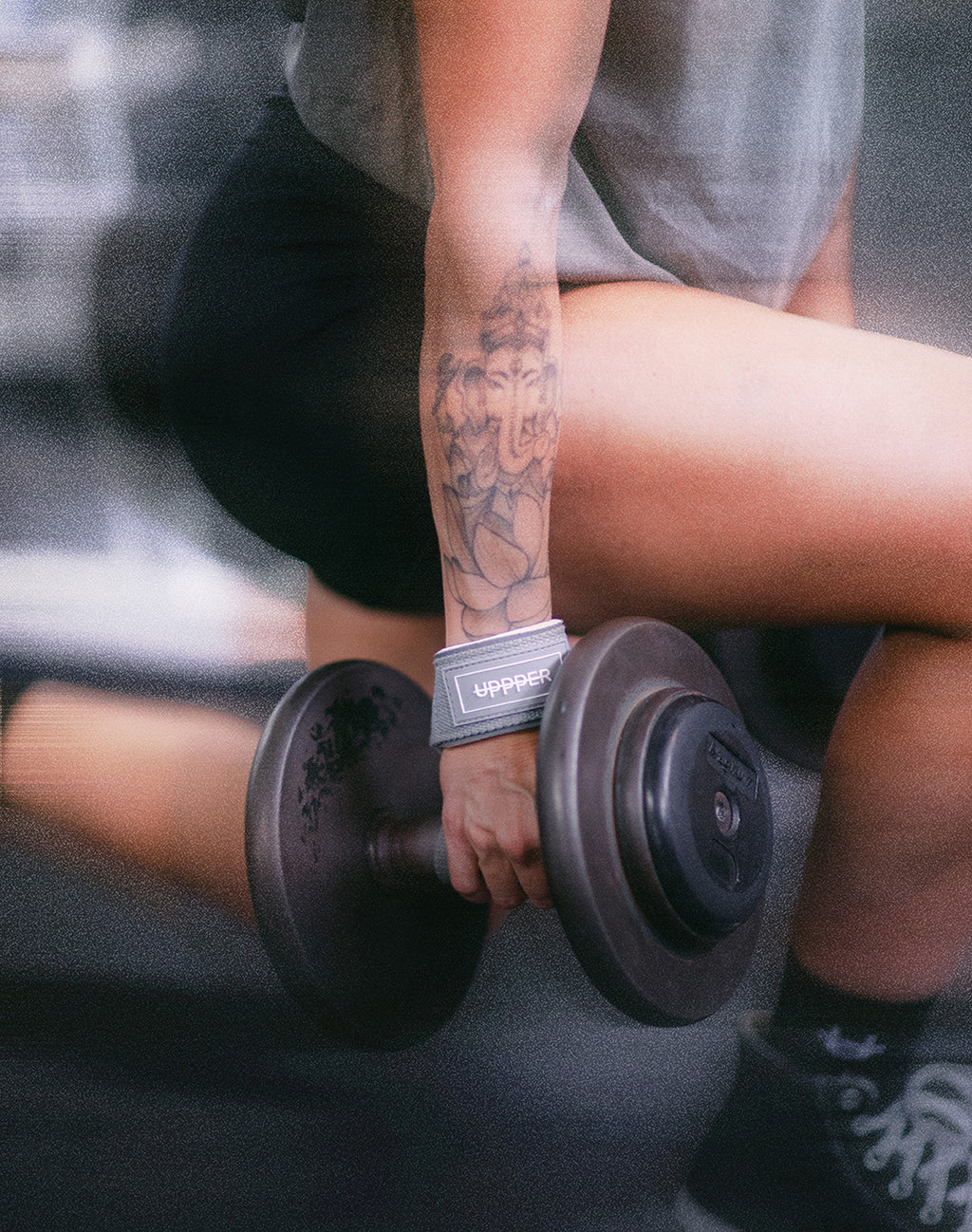
The eccentric phase means lowering the weight slowly. Extending this phase increases muscle fiber damage, aiding growth. Aim to lower the weight in about 3-5 seconds for maximum effect.
Credit: uppper.com
Designing Your Workout
Designing your Time under Tension (TUT) workout means focusing on how long your muscles stay engaged during each move. This approach shifts your attention from just counting reps to feeling every second of effort. Crafting your routine thoughtfully can boost muscle growth and strength more effectively than rushing through exercises.
Choosing Exercises
Pick exercises that allow you to control the movement smoothly. Compound moves like squats, bench presses, and rows work great because they target multiple muscles at once. You can also add isolation exercises like bicep curls or leg extensions to focus on specific areas.
Think about your goals: do you want to build size, strength, or endurance? Your choice of exercises should align with what you want to achieve. Have you noticed how some exercises feel harder to control slowly? Those are perfect for TUT training.
Setting Reps And Sets
Instead of just counting reps, focus on the total time your muscles stay under tension. Aim for 30 to 60 seconds of tension per set for effective muscle growth. This often means performing fewer reps but moving slower during each repetition.
Try sets of 6 to 12 reps with slow tempos, like 3 seconds lowering and 3 seconds lifting. This keeps muscles working longer without needing heavy weights. How does slowing down your reps change the way your muscles feel during a workout?
Rest Periods
Rest time between sets is crucial in a TUT workout. Shorter rests (30 to 60 seconds) keep your muscles under more fatigue, which can improve endurance and growth. Longer rests (1.5 to 3 minutes) help when you lift heavier weights and focus on strength.
Adjust your rest based on your workout goals and how your body feels. Listening to your muscles can guide you better than a strict timer. Are you ready to experiment with rest periods and find what pushes your limits most effectively?
Common Mistakes To Avoid
Time under tension workouts can transform your strength and muscle gains, but many people unknowingly make mistakes that limit their progress. Avoiding these common errors can make your sessions more effective and safer. Let’s look at the pitfalls you should watch out for to get the best results from your time under tension training.
Not Controlling The Tempo
One of the biggest mistakes is rushing through reps. The whole point of time under tension is to slow down the movement to keep muscles working longer.
If you speed up, you lose the benefit of sustained muscle engagement. Try counting the seconds for each phase of your exercise to keep your tempo consistent.
Using Too Much Weight
Choosing weights that are too heavy often leads to poor form and jerky movements. This reduces muscle tension and increases injury risk.
Focus on a weight that challenges you but still allows smooth, controlled reps. This way, your muscles stay under tension without compromising safety.
Ignoring Proper Form
Maintaining good form is crucial. Even if you slow down, sloppy technique can cause strain and reduce effectiveness.
Pay attention to alignment and muscle engagement during each rep. If you feel discomfort in joints or other areas, stop and adjust your form.
Skipping Rest Periods
It might seem like pushing through without breaks is better, but skipping rest can lead to fatigue and poor execution.
Allow short rest intervals to recover just enough to keep your tempo steady and form tight in the next set.
Not Tracking Time Under Tension
Many people think counting reps is enough, but it’s the actual time your muscles stay under tension that matters most.
Use a timer or stopwatch to track how long each set lasts. This helps you stay on target and measure progress accurately.

Credit: perform-360.com
Sample Time Under Tension Routines
Time under tension (TUT) workouts focus on slowing down each repetition. This increases muscle engagement and builds strength effectively. Below are sample routines tailored for different fitness levels. Each plan highlights the tempo and reps to follow.
Beginner Plan
- Exercise: Bodyweight squats
- Tempo: 3 seconds down, 1 second pause, 3 seconds up
- Reps: 8-10 per set
- Sets: 3
- Rest: 60 seconds between sets
- Exercise: Push-ups
- Tempo: 3 seconds down, 1 second pause, 3 seconds up
- Reps: 6-8 per set
- Sets: 3
- Rest: 60 seconds between sets
Intermediate Plan
- Exercise: Dumbbell lunges
- Tempo: 4 seconds down, 1 second pause, 4 seconds up
- Reps: 10-12 per leg
- Sets: 4
- Rest: 45 seconds between sets
- Exercise: Bench press
- Tempo: 4 seconds down, 1 second pause, 4 seconds up
- Reps: 8-10 per set
- Sets: 4
- Rest: 45 seconds between sets
Advanced Plan
| Exercise | Tempo | Reps | Sets | Rest |
|---|---|---|---|---|
| Barbell squats | 5 seconds down, 2 seconds pause, 5 seconds up | 6-8 | 5 | 30 seconds |
| Weighted pull-ups | 5 seconds down, 2 seconds pause, 5 seconds up | 6-8 | 5 | 30 seconds |
Tracking Progress Effectively
Tracking your progress during a Time under Tension (TUT) workout is crucial to see real results. Without measuring your improvements, it’s easy to lose motivation or stall your gains. Keeping track helps you adjust your routine and push yourself smartly.
Using A Workout Log To Record Time And Reps
Write down the exact time you spend on each set along with the number of reps. This helps you notice if you’re holding tension longer or doing more reps under the same tension.
Try noting details like tempo, rest periods, and weight used. These small factors can impact your TUT and overall progress.
Leveraging Technology For Precise Tracking
Apps and timers designed for fitness can give you accurate feedback on your tension time. Many apps let you set custom timers for each phase of your movement.
Wearable devices can monitor your muscle engagement and keep a record of your workouts. This data can show trends and areas needing improvement.
Setting Clear, Measurable Goals
Choose goals that focus on increasing your time under tension gradually, not just lifting heavier weights. For example, aim to add 5 seconds to your tension hold every two weeks.
Breaking your goals into smaller, trackable milestones keeps you motivated and focused. It also makes it easier to notice progress that might otherwise seem slow.
Reviewing And Adjusting Based On Feedback
Regularly look back at your workout log or app data to identify patterns. Are you improving consistently, or hitting a plateau?
Adjust your workout variables like weight, reps, or tension duration based on what you see. This keeps your routine challenging without risking injury.

Credit: www.drworkout.fitness
Combining With Other Training Styles
Combining Time Under Tension (TUT) workouts with other training styles creates a balanced fitness routine. Mixing methods can enhance strength, endurance, and muscle growth. Each training style brings unique benefits that complement TUT’s focus on muscle control and tension.
High-intensity Training
High-Intensity Training (HIT) pushes your muscles to their limits quickly. Adding TUT to HIT slows down movements, increasing muscle stress. This combination improves muscle endurance and strength. It also helps prevent injuries by promoting controlled movements.
Traditional Strength Training
Traditional strength training uses heavier weights and fewer reps. Using TUT with this style increases the time muscles work under strain. This leads to better muscle growth and improved form. TUT makes lifting weights more effective by focusing on slow, steady motion.
Cardio Integration
Cardio workouts boost heart health and burn calories. Including TUT in cardio exercises improves muscle tone and endurance. You can do slow, controlled movements during bodyweight cardio exercises. This mix enhances overall fitness and muscle control at once.
Frequently Asked Questions
What Is A Time Under Tension Workout?
Time Under Tension (TUT) workout focuses on the duration muscles stay contracted during exercise. It increases muscle stress, promoting growth and strength. By slowing down reps, you maximize muscle engagement and improve endurance.
How Does Time Under Tension Improve Muscle Growth?
TUT extends the muscle contraction phase, causing more muscle fiber fatigue. This triggers greater muscle repair and growth. It enhances protein synthesis and increases muscle size effectively compared to fast reps.
Can Beginners Do Time Under Tension Workouts?
Yes, beginners can try TUT workouts with lighter weights. Start slow, focusing on form and controlled movements. Gradually increase tension time to avoid injury and build strength safely.
What Exercises Work Best For Time Under Tension Training?
Compound movements like squats, bench press, and rows are ideal. They engage multiple muscles, maximizing TUT benefits. Isolation exercises like bicep curls also work well for focused muscle tension.
Conclusion
Time under tension workouts build muscle and improve strength well. They slow down movements to keep muscles working longer. This method helps you burn more calories in less time. You can do it with many exercises at home or gym.
Try adding time under tension to your routine today. See how your body changes with steady effort. Keep practicing and enjoy stronger muscles and better fitness. Simple, effective, and easy to start right now.







