
Are you looking to sculpt and strengthen your arms? A solid tricep workout routine is your key to achieving those toned, strong arms you’ve always wanted.
The triceps, often overshadowed by the biceps, make up the largest portion of your upper arm. This means focusing on them can dramatically enhance your overall arm appearance and strength. Imagine the confidence you’ll feel when you notice those muscle gains, not to mention the compliments you’ll receive.
With the right exercises, you can transform your triceps into a powerhouse, supporting your fitness goals and improving your performance in other workouts. We’ll dive into a foolproof tricep workout routine designed to maximize results and fit seamlessly into your weekly fitness schedule. Stick with us, and by the end, you’ll be ready to hit the gym with a new-found focus on these crucial muscles.
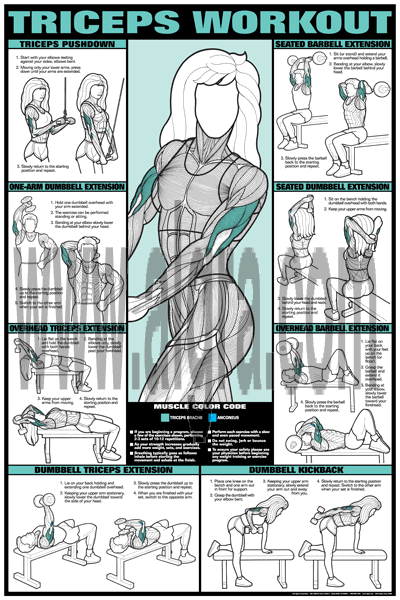
Credit: www.algra.com
Tricep Anatomy Basics
The tricep is a key muscle at the back of your upper arm. It plays a major role in arm strength and shape. Understanding its anatomy helps improve your workout results. Knowing the parts and functions of the tricep guides you to target it correctly.
Three Heads Of The Tricep
The tricep has three parts, called heads. Each head has a unique role in arm movement.
- Long Head:Runs along the back of the arm. It helps in shoulder and elbow movement.
- Lateral Head:Located on the outer side. It gives the arm its shape when flexed.
- Medial Head:Found near the middle and lower part. It supports overall elbow extension.
Muscle Functions And Movements
The tricep mainly helps in extending your elbow. This means straightening your arm from a bent position. It also stabilizes the shoulder joint during many exercises. Each head contributes differently depending on the movement.
- Long head assists in moving the arm backward and stabilizes the shoulder.
- Lateral head provides power for pushing movements.
- Medial head supports steady arm extension for controlled motions.
Benefits Of Strong Triceps
Strong triceps play a key role in arm strength and overall fitness. They help with pushing movements and improve arm shape. Building triceps also supports other upper body exercises. A focused tricep workout routine brings many benefits that improve daily activities and sports performance.
Improved Arm Strength
Strong triceps increase the power of your arms. They support pushing actions like pushing doors or lifting objects. This strength helps in exercises such as bench presses and push-ups. Well-developed triceps make arms look more defined and toned.
Enhanced Upper Body Performance
Triceps work with other muscles in the upper body. Strong triceps improve performance in sports like swimming and basketball. They help stabilize the shoulder and assist in arm movement. This leads to better control and endurance during workouts.
Injury Prevention
Strong triceps protect your elbows and shoulders from injury. They provide support during heavy lifting and sudden movements. Balanced arm muscles reduce the risk of strains and joint pain. Training triceps helps maintain healthy joints and muscle function.
Key Tricep Exercises
Strong triceps shape the back of your arms and boost overall arm strength. A solid workout routine targets all three tricep heads for balanced growth. Key exercises fall into two categories: compound movements and isolation exercises. Each type plays a unique role in developing muscle size and endurance.
Compound Movements
Compound exercises engage multiple muscle groups, making workouts efficient and intense. These moves recruit the triceps along with shoulders and chest, promoting strength and coordination.
- Close-Grip Bench Press: Focuses on triceps while also working the chest.
- Dips: Targets triceps, chest, and shoulders with bodyweight resistance.
- Overhead Press: Engages triceps during shoulder pressing motions.
Isolation Exercises
Isolation exercises focus directly on the triceps, improving muscle definition and endurance. These moves allow precise control over tricep activation.
- Tricep Pushdowns: Use a cable machine to target all tricep heads.
- Overhead Tricep Extension: Stretches and strengthens the long head of the tricep.
- Skull Crushers: A lying extension that isolates the triceps for muscle growth.
Credit: www.lemon8-app.com
Sample Workout Routines
Sample workout routines help you structure your tricep training to match your current fitness level. Whether you’re new to exercising or ready to push your limits, having a clear plan boosts your confidence and progress. Let’s look at routines designed to build strength and tone your triceps effectively.
Beginner Level
Starting simple is key. Focus on mastering basic movements with good form before adding weight or complexity.
- Tricep Dips:3 sets of 8-10 reps using a bench or sturdy chair.
- Overhead Dumbbell Extension:3 sets of 10 reps with a light dumbbell.
- Tricep Pushdowns:3 sets of 12 reps using a resistance band or cable machine.
Keep rest periods around 60 seconds. As you build confidence, you’ll notice your arms feeling stronger and more defined.
Intermediate Level
At this stage, challenge yourself with increased volume and varied exercises. This helps break plateaus and encourages muscle growth.
- Close-Grip Bench Press:4 sets of 8 reps with moderate weight.
- Skull Crushers:4 sets of 10 reps, focusing on controlled movement.
- Diamond Push-Ups:3 sets of 12 reps to engage the triceps deeply.
- Cable Rope Overhead Tricep Extension:3 sets of 12 reps.
Are you pushing yourself enough to feel the burn, but not so much that form suffers? That balance is crucial for steady progress.
Advanced Level
When you’re ready to go hard, use heavier weights, supersets, and variations to shock your muscles.
- Weighted Dips:4 sets of 10 reps with added weight.
- Close-Grip Barbell Bench Press:5 sets of 6-8 reps, focusing on power.
- Overhead Cable Tricep Extension (Single Arm):4 sets of 12 reps per arm.
- Superset: Skull Crushers + Tricep Kickbacks:3 rounds with 10 reps each, minimal rest.
Have you tried pairing exercises back-to-back to really exhaust your triceps? It’s a game changer for breaking through strength plateaus.
Training Tips For Maximum Growth
Training your triceps effectively requires more than just lifting weights. To see real muscle growth, you need targeted strategies that push your limits while protecting your joints and muscles. These tips will help you build stronger, bigger triceps without risking injury or burnout.
Proper Form And Technique
Your triceps won’t grow if you don’t train them correctly. Focus on controlled movements rather than rushing through reps. For example, during tricep dips, keep your elbows close to your body instead of flaring them out to avoid unnecessary strain.
Using proper form also means you activate the right muscles. If you feel a burn in your shoulders instead of your triceps, you might need to adjust your positioning. Have you ever felt soreness in places unrelated to your target muscle? That’s usually a sign your form needs correction.
Progressive Overload
Muscle growth happens when you challenge your triceps beyond what they’re used to. This doesn’t always mean adding heavier weights. You can increase reps, slow down your tempo, or reduce rest time between sets to push your muscles harder.
Tracking your progress keeps you accountable. If you lifted 20 pounds for 10 reps last week, aim for 12 reps or 22 pounds this week. How often do you review your workout stats to ensure you’re improving?
Rest And Recovery
Muscles grow when you rest, not when you train. Giving your triceps enough time to recover prevents overtraining and injuries. Typically, 48 hours between intense tricep sessions allows your muscles to rebuild stronger.
Sleep and nutrition also play a huge role. Without quality sleep and proper protein intake, your recovery slows down. Are you paying attention to what you eat and how well you rest after workouts?

Credit: row.gymshark.com
Common Mistakes To Avoid
When focusing on your tricep workout routine, avoiding common mistakes can make a huge difference in your progress and injury prevention. Many people unknowingly sabotage their gains by making simple errors that can be easily fixed. Let’s look at some key pitfalls and how you can steer clear of them to get the most out of your training.
Overtraining
It’s tempting to push your triceps every day, especially when you want quick results. But overtraining can cause muscle fatigue, reduce strength, and even lead to injuries like tendonitis.
Listen to your body. If your triceps feel constantly sore or weak, it’s a sign you need more rest. Aim for 48 hours of recovery between intense tricep sessions to allow muscles to rebuild stronger.
Neglecting Warm-ups
Skipping warm-ups might save time, but it increases your risk of strains and limits your performance. Warming up improves blood flow and prepares your joints for the stress ahead.
Start with light exercises like arm circles or push-ups before heavier tricep moves. Even 5 minutes can make a big difference in how you feel during the workout.
Ignoring Balanced Muscle Development
Focusing only on your triceps while neglecting other muscle groups creates imbalances that affect posture and strength. Your biceps, shoulders, and chest all work with your triceps, so they need equal attention.
Have you noticed uneven arm strength or discomfort in your shoulders? This could be from ignoring balanced muscle training. Add exercises targeting opposing muscles to keep your body strong and aligned.
Nutrition For Tricep Gains
Nutrition plays a key role in building strong triceps. Proper food choices support muscle growth and repair. Eating the right nutrients helps maximize your workout results. Focus on fueling your body with essentials for muscle gain and recovery.
Protein Intake
Protein is vital for muscle repair and growth. Aim for lean sources like chicken, fish, eggs, and beans. Spread protein intake evenly across meals. Include 20-30 grams of protein per serving for best results. Protein shakes can complement your daily intake.
Hydration
Water keeps muscles hydrated and working well. Drink enough water before, during, and after workouts. Dehydration can cause cramps and reduce performance. Aim for at least 8 cups of water daily. Herbal teas and diluted juices also help maintain hydration.
Supplements
Supplements can support tricep gains but are not essential. Creatine may improve strength and muscle size. Branched-chain amino acids (BCAAs) help reduce muscle soreness. Always choose high-quality supplements. Consult a healthcare provider before starting any supplement.
Tracking Progress
Tracking progress is key for a successful tricep workout routine. It shows if your efforts lead to real changes. Keeping track helps stay motivated and make smart workout choices. Without tracking, it’s easy to lose focus or miss gains.
Measuring Arm Growth
Measure your arm size regularly with a tape measure. Focus on the thickest part of your upper arm. Take measurements at the same time of day. Record numbers in a notebook or app for easy comparison. Use a mirror or photo to see muscle shape changes. Small gains add up over time. Consistency in measuring helps spot true progress.
Adjusting Workouts
Change your routine based on your progress records. Add more weight or increase reps to challenge muscles. Try different tricep exercises to target all parts of the muscle. Rest and recovery matter; adjust rest days if needed. If growth slows, vary your workout intensity or volume. Listening to your body prevents injury and boosts results.
Frequently Asked Questions
What Are The Best Exercises For A Tricep Workout Routine?
The best tricep exercises include tricep dips, close-grip bench press, overhead tricep extensions, and pushdowns. These target all three tricep heads effectively. Incorporate variety for balanced muscle growth and strength.
How Often Should I Do Tricep Workouts Weekly?
Train triceps 2 to 3 times a week with at least 48 hours rest between sessions. This frequency allows muscle recovery and growth while preventing overtraining and injury.
Can Tricep Workouts Help With Arm Definition?
Yes, targeted tricep workouts tone and strengthen the muscles, improving arm definition. Combined with proper diet and overall training, they reduce fat and highlight muscle shape.
Should I Warm Up Before A Tricep Workout Routine?
Always warm up before tricep exercises to increase blood flow and reduce injury risk. Light cardio and dynamic stretches prepare muscles for effective and safe training.
Conclusion
Strong triceps help you push, lift, and move better. Stick to this workout routine regularly. Start with light weights to avoid injury. Focus on form, not speed or heavy loads. Rest days are important for muscle growth. Watch your progress and adjust exercises as needed.
Consistency brings the best results over time. Enjoy stronger arms and improved daily strength. Keep going—you will see the difference soon.







