
Are you considering doubling up on your workout sessions each day? You’re not alone.
Many fitness enthusiasts wonder if hitting the gym twice a day is a healthy habit or a risky move. The idea sounds tempting, doesn’t it? More exercise, faster results. But before you lace up your sneakers for that second round, let’s explore whether this trend is truly beneficial or if it could be doing more harm than good.
We’ll delve into the potential pros and cons of working out twice daily, helping you make an informed decision about your fitness routine. You’ll discover how this practice could impact your body, mind, and overall progress. With insights backed by science, you’ll be empowered to decide if doubling your daily workouts aligns with your goals and lifestyle. Keep reading to uncover the truth about this fitness trend and how it might just change the way you approach your exercise regime.
Benefits Of Twice-daily Workouts
Working out twice a day can offer several advantages for your body and fitness progress. Splitting your exercise into two sessions lets you focus better and recover between workouts. This approach can help you reach your fitness goals faster and keep your routine fresh and exciting.
Enhanced Fitness Gains
Twice-daily workouts help improve strength and endurance faster. Shorter, focused sessions reduce fatigue and improve workout quality. This allows more intense training without burning out. Your muscles get better stimulation and recover well between sessions.
Improved Metabolism
Exercising two times a day boosts your metabolism throughout the day. It keeps your body in an active state for longer periods. This helps your body burn energy even after workouts end. A faster metabolism supports weight management and overall health.
Increased Calorie Burn
Two workouts increase total calories burned daily. Splitting exercise prevents long rest periods that slow calorie burn. Your body stays active and uses more energy. This can help with fat loss and improving body composition.

Credit: www.today.com
Potential Risks And Drawbacks
Working out twice a day might sound like a fast track to fitness, but it comes with its share of risks and drawbacks. Pushing your body too hard without proper balance can lead to serious setbacks. Understanding these potential issues helps you decide if this routine fits your lifestyle and goals.
Overtraining Symptoms
You might feel energized at first, but overtraining can sneak up on you. Common signs include persistent fatigue, irritability, and trouble sleeping. If you notice your performance dropping or motivation fading, your body could be telling you to slow down.
I’ve experienced this personally. After a few weeks of double sessions, I felt weaker and more tired. Listening to these signals can save you from burning out.
Injury Risks
Twice-a-day workouts increase the chance of injuries like strains, sprains, and stress fractures. Your muscles and joints need time to heal, and skipping rest can cause small issues to turn into serious problems.
For example, I once ignored mild knee pain during frequent training, which later required a break from all activity. Are you paying attention to your body’s warning signs or pushing through pain?
Impact On Recovery
Recovery is where your body gets stronger, not during the workout itself. Exercising two times daily without enough recovery time limits muscle repair and growth.
Nutrition, hydration, and sleep become even more critical. Have you adjusted these habits to support your increased workout load, or are you risking stagnation or decline?
Factors Influencing Twice-daily Training
Training twice a day can impact your body in many ways. Understanding what affects this practice helps you decide if it suits your lifestyle and goals. Several key factors play a role in how beneficial or harmful twice-daily workouts can be.
Fitness Level And Experience
Your current fitness level matters a lot. Beginners may find twice-daily sessions too intense and risky. Experienced athletes often handle double workouts better. They have built stamina and recovery ability over time. Adjusting workout frequency to your experience helps avoid injuries.
Workout Intensity And Duration
The strength of each workout is crucial. High-intensity sessions twice a day can cause overtraining. Short, low-intensity workouts are easier to manage daily. Balancing workout length and effort keeps the body from breaking down. Rest between sessions also supports better performance.
Nutrition And Hydration
Eating well fuels your workouts and speeds recovery. Your body needs extra calories and nutrients when training twice daily. Drinking enough water prevents dehydration and fatigue. Skipping proper nutrition or hydration can lead to poor results and injuries.
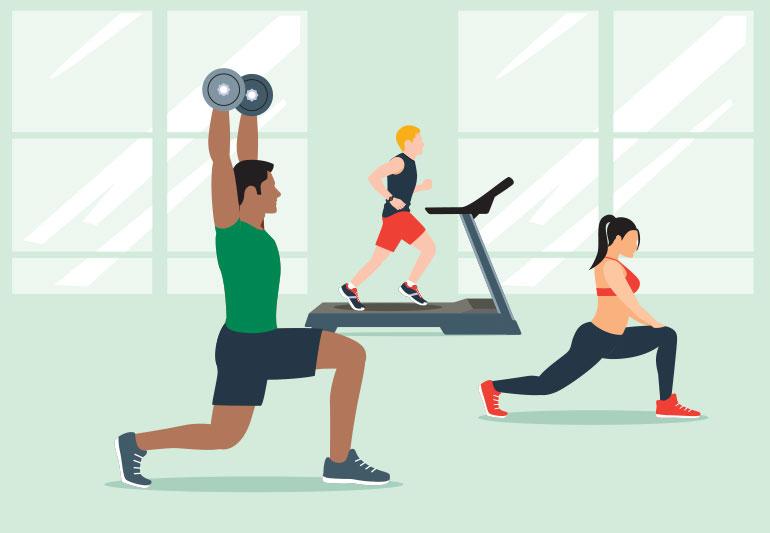
Credit: health.clevelandclinic.org
Tips For Safe Twice-daily Workouts
Working out twice a day can boost fitness but also increase risk of injury. Safe practices make twice-daily workouts effective and sustainable. Follow these tips to protect your body and get the best results.
Scheduling And Rest
Space sessions to allow recovery. Aim for at least 6 hours between workouts. Avoid intense training both times; mix light and hard sessions. Plan rest days to let muscles heal. Sleep well to support recovery and energy.
Listening To Your Body
Pay attention to pain or unusual fatigue. Stop if you feel sharp pain or dizziness. Adjust intensity based on how you feel each day. Rest more if soreness lasts longer than usual. Your body signals when it needs a break.
Proper Warm-up And Cool-down
Start each session with a 5-10 minute warm-up. Use dynamic stretches to prepare muscles and joints. Cool down with gentle stretching to reduce stiffness. Cooling down helps lower heart rate and prevent soreness. Never skip warm-up or cool-down steps.
When To Avoid Working Out Twice A Day
Working out twice a day can boost your fitness progress, but it’s not always the best choice. Knowing when to skip that second session is key to staying healthy and avoiding burnout. Here are some clear signs and situations when you should reconsider doubling up on your workouts.
Signs Of Fatigue
Feeling constantly tired or lacking energy is a major red flag. If your muscles ache more than usual or your performance drops, your body might be telling you to slow down.
Ignoring these signs can lead to overtraining, which increases injury risk and stalls progress. Have you ever pushed through fatigue only to regret it later? Listen to your body’s signals—they’re there for a reason.
Health Conditions
Chronic illnesses like heart problems, diabetes, or joint issues require special care. Working out twice a day might put too much stress on your system if you have these conditions.
Consulting a healthcare professional before increasing workout frequency is crucial. Your safety should always come first, no matter how motivated you feel.
Lifestyle Constraints
Your daily routine and sleep schedule play a big role in how well you recover. If your job is demanding or you’re not getting enough rest, adding two workouts a day can backfire.
Balancing exercise with work, family, and relaxation is tough but necessary. Ask yourself: can you maintain this pace without sacrificing other important parts of your life?
Expert Recommendations
Experts weigh in on working out twice a day with valuable advice tailored to your unique situation. Their insights help you decide if two-a-day sessions fit your lifestyle and fitness goals without risking burnout or injury.
Tailoring Workouts To Goals
What are you trying to achieve with two workouts a day? If your goal is weight loss, shorter, moderate-intensity sessions might work better than long, grueling workouts. Athletes training for endurance or strength often split their workouts into skill practice and conditioning, maximizing effectiveness.
Think about your schedule and energy levels. You don’t want to exhaust yourself before the second session. Choose workout types that complement each other—like cardio in the morning and strength training in the evening—to get the most out of your effort.
Balancing Intensity And Recovery
Working out twice daily is not just about pushing harder; it’s about balancing effort with recovery. If both sessions are high intensity, your body might not recover well, leading to fatigue or injury.
Experts recommend mixing high and low-intensity workouts to let your muscles recover. For instance, combine a tough weightlifting session with a light yoga or stretching routine later. Are you giving yourself enough rest between workouts to avoid overtraining?
Monitoring Progress
Tracking how your body responds to two workouts a day is crucial. Keep an eye on your energy, mood, sleep quality, and performance improvements. If you notice persistent soreness or decreased motivation, it might be time to adjust your routine.
Use simple tools like a workout journal or apps to log your sessions and feelings. This data helps you see patterns and decide whether two-a-day workouts boost your progress or hold you back.

Credit: www.womenshealthmag.com
Frequently Asked Questions
Is Working Out Twice A Day Safe For Beginners?
Working out twice a day can be safe if intensity is moderate. Beginners should focus on proper form and rest. Gradually increasing workout frequency helps avoid injury and burnout. Always listen to your body and consult a fitness professional before starting.
How Does Two-a-day Workouts Affect Muscle Recovery?
Two-a-day workouts can slow muscle recovery if rest is inadequate. Proper nutrition and sleep are essential to support repair. Splitting workouts by targeting different muscle groups aids recovery. Overtraining increases injury risk, so balance intensity with rest.
Can Working Out Twice Daily Improve Fitness Results?
Yes, twice-daily workouts can boost fitness by increasing volume and intensity. They help improve endurance, strength, and skill when planned well. However, without proper recovery, gains may plateau or reverse. Consistency and balanced training are key to success.
What Are Common Risks Of Exercising Two Times A Day?
Common risks include overtraining, fatigue, and increased injury chances. Without enough rest, the immune system may weaken. Mental burnout can also occur. Proper scheduling, hydration, and nutrition minimize these risks and enhance performance.
Conclusion
Working out twice a day can help some people reach fitness goals. It may improve strength and endurance if done right. Rest and good nutrition are very important. Too much exercise can cause tiredness or injury. Listen to your body and adjust workouts as needed.
Balance and consistency matter more than frequency alone. Finding what works for you leads to better results. Stay patient and keep a healthy routine for success.







