
Remember the energy and style of the 90s? That same vibe can pump up your workout today with 90s gym equipment.
If you want to bring back the classic feel while boosting your fitness, this gear is your key. You’ll discover how these timeless machines and tools can make your workouts more effective and fun. Ready to transform your routine and feel the power of the 90s?
Keep reading to find out how!
Credit: bendbulletin.com
Popular 90s Gym Machines
The 1990s introduced gym machines that shaped workout routines worldwide. These machines combined simplicity with effectiveness. They focused on basic functions without complex technology. Many of these machines remain popular today in gyms and homes. They allowed users to exercise efficiently and track progress easily.
Treadmills With Basic Displays
Treadmills in the 90s had simple screens showing speed and time. They lacked fancy touchscreens but were reliable. Users could adjust speed and incline manually. These machines helped improve cardiovascular fitness and endurance. Many gym-goers preferred them for steady, straightforward workouts.
Stationary Bikes And Spin Classes
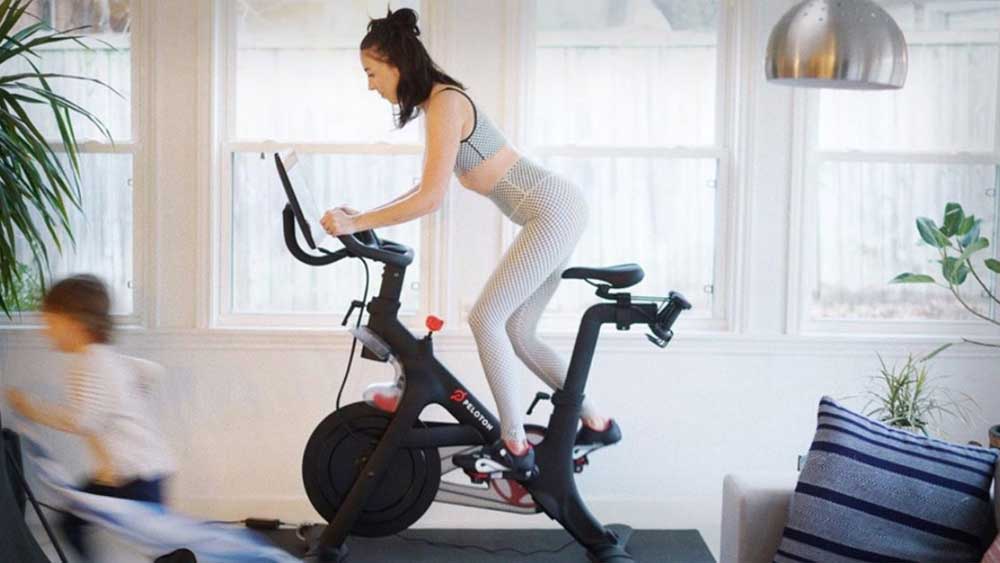
Stationary bikes gained popularity for low-impact cardio. Spin classes started to rise in the late 90s. These bikes featured adjustable seats and resistance levels. They suited all fitness levels and ages. Group spin sessions created a fun, motivating atmosphere for many.
Elliptical Trainers Emergence
The elliptical trainer made its debut in the 90s. It offered a smooth, joint-friendly workout option. Users moved their arms and legs in a fluid motion. Ellipticals combined cardio with light strength training. They quickly became a favorite for those avoiding high-impact exercises.
Multi-station Home Gyms
Multi-station home gyms provided full-body workouts in one unit. They included weight stacks and pulleys for various exercises. Users could train muscles without changing machines. These compact systems saved space and money. They appealed to fitness enthusiasts wanting convenience at home.
Iconic Free Weights And Accessories
Classic 90s gym equipment features simple, sturdy free weights and basic accessories. These tools shaped many workout routines with their timeless design and reliability. They remain popular for effective strength training and easy use.
The 90s was a golden era for fitness enthusiasts, teeming with innovative gym equipment that revolutionized home workouts. Iconic free weights and accessories dominated the scene, offering versatility and effectiveness. These tools not only shaped countless physiques but also laid the groundwork for modern fitness routines. Let’s dive into some of the quintessential gym equipment that defined this vibrant decade.Adjustable Dumbbells
Adjustable dumbbells were a game-changer in the 90s. They allowed you to save space while enjoying a wide range of weight options. With just a twist, you could switch from light to heavy, making them perfect for both beginners and seasoned lifters. Unlike fixed dumbbells, these adjustable sets helped you progress without needing a room full of weights. Imagine having the flexibility to tailor your workout intensity with just one piece of equipment. Many still remember the satisfying click of adjusting weights and the boost in confidence it gave during every session.Resistance Bands And Tubes
Resistance bands and tubes offered a versatile alternative to traditional weights. They were compact, affordable, and could be used anywhere. This made them a staple in many 90s home gyms, especially for those who traveled or had limited space. These bands provided variable resistance, which is excellent for maintaining consistent tension throughout an exercise. They were perfect for toning and strength training, helping you target specific muscle groups with precision. Do you recall the vibrant colors of those bands that made workouts feel a bit more fun?Step Aerobics Platforms
Step aerobics platforms became synonymous with energetic workouts and catchy music. They introduced a dynamic way to burn calories and improve cardiovascular health. These platforms were adjustable in height, catering to different fitness levels and workout intensities. The rhythmic stepping up and down was not just a workout but a dance-like experience. Many embraced the challenge of mastering complex step routines, feeling the burn in their legs and glutes. Have you ever felt the exhilarating rush after completing a step aerobics session?Ankle And Wrist Weights
Ankle and wrist weights added an extra layer of intensity to workouts. They were simple yet effective tools to enhance strength and endurance. By adding resistance to everyday movements, they helped maximize the efficiency of exercises. These weights were especially popular for those looking to amp up their walking or jogging routines. Remember the satisfying feeling of strapping them on, knowing you were adding that extra challenge to your workout? They were small but mighty, proving that sometimes, the simplest tools can lead to significant results.Design And Technology Trends
The 90s brought a unique blend of design and technology trends to gym equipment that still influences fitness gear today. The era was a turning point, balancing traditional mechanical builds with the emerging digital wave. Understanding these trends can give you a fresh perspective on how gym equipment evolved and why some designs remain popular.
Analog Vs Digital Consoles
Most gym machines in the 90s featured analog consoles with simple dials and mechanical counters. These were reliable and easy to read but lacked detailed data feedback.
Digital consoles started appearing, offering more precise tracking of metrics like speed, distance, and calories burned. However, they were often bulky and less user-friendly than today’s sleek interfaces.
Think about your own workout—do you prefer the straightforwardness of analog or the detailed insights from digital? That choice reflects the ongoing design debate from that decade.
Material And Build Quality
Equipment from the 90s was mostly built with heavy-duty steel frames and thick padding. Durability was a priority, so machines felt solid and long-lasting.
The use of materials like vinyl for seats and grips was common, though these often wore out faster than the metal parts. This contrast meant you had to maintain equipment regularly to keep it comfortable and safe.
Have you noticed how some vintage gym gear still holds up? That’s a testament to the material choices and manufacturing standards of that time.
Early Heart Rate Monitors
Heart rate tracking was just starting to become a feature in gym equipment during the 90s. Early monitors used simple sensors, often placed on the handlebars of cardio machines.
While primitive by today’s standards, these monitors introduced users to the concept of training within target heart rate zones. This helped many improve workout efficiency without needing separate devices.
Would you trust those early monitors for your training now, or do you prefer modern wearables? That question highlights the evolution of fitness technology over the years.
Compact And Foldable Gear
Space-saving designs gained popularity as more people worked out at home. Many machines featured foldable frames or compact builds suitable for small apartments.
Brands experimented with foldable treadmills and multi-use benches, making fitness equipment more accessible to everyday users. This trend made gym workouts possible even without large dedicated spaces.
If you’ve ever struggled to fit workout gear into your living space, the 90s innovations might inspire you to look for smart solutions today.
Popular Workout Programs
Popular workout programs in the 90s shaped how people used gym equipment and approached fitness. These programs made workouts fun, effective, and accessible to many. They also influenced the design and variety of gym tools that you might still see today.
Aerobics And Jazzercise Influence
Aerobics and Jazzercise were everywhere in the 90s. They combined dance moves with cardio, making exercise feel more like a party than a chore. You might remember colorful leotards and leg warmers while stepping on a low aerobic bench or using a step platform.
These workouts improved endurance and coordination. They pushed gyms to stock equipment like steps, mats, and light hand weights. Have you ever tried following an aerobics video at home? It’s a great way to get your heart pumping while enjoying music.
Strength Training Routines
Strength training became a key focus in the 90s, with more people lifting weights to build muscle and tone their bodies. Free weights like dumbbells and barbells were popular, along with machines that targeted specific muscle groups. Gyms expanded their equipment to meet this rising demand.
Workout plans often included sets and reps, emphasizing progressive overload. If you want to see real results, do you track your weights and reps regularly? That simple habit can make a huge difference in your strength gains.
Circuit Training Popularity
Circuit training gained attention for its efficiency. It mixes strength and cardio exercises with minimal rest, ideal for busy schedules. Gyms arranged stations with different equipment like jump ropes, kettlebells, and resistance bands to keep the heart rate high.
This method helps burn fat and build endurance quickly. Trying a circuit workout can challenge your body in new ways. How could adding circuits spice up your current routine?
Home Workout Videos
The 90s saw a boom in home workout videos, thanks to VHS tapes and growing fitness celebrity culture. These videos brought gym-style workouts to your living room, often featuring simple equipment like resistance bands, small weights, or stability balls. This trend made fitness accessible beyond gym walls.
Following a video at home adds structure and motivation to your workouts. Have you ever noticed how much easier it is to stick with a program when you have a guide cheering you on? Maybe it’s time to dig out an old workout tape or find a digital equivalent online.
Collecting And Restoring 90s Equipment
Collecting and restoring 90s gym equipment brings a unique charm to fitness enthusiasts. These classic pieces tell stories of past workouts and fitness trends. Restoring them preserves history and creates a vintage workout space. Each item has its own character and design, unlike modern machines.
Restoring old gym gear requires patience and care. The process involves cleaning, fixing, and sometimes replacing parts. This effort rewards with equipment that looks good and functions well. Collectors often enjoy the challenge of bringing these machines back to life.
Where To Find Classic Gear
Garage sales and flea markets often have old gym equipment. Online auction sites and marketplaces also offer many options. Local gyms upgrading their machines might sell older models cheaply. Fitness forums and social media groups can be great places to connect with sellers.
Tips For Restoration
- Start by cleaning all surfaces with mild soap and water.
- Check for rust and use rust remover or sandpaper carefully.
- Replace worn cables, belts, and pads with compatible parts.
- Lubricate moving parts to ensure smooth operation.
- Test the equipment step-by-step to find hidden issues.
Maintaining Functionality
Regular checks keep the equipment safe and usable. Tighten bolts and screws often. Keep parts dry to avoid rust. Use proper cleaning products designed for gym machines. Store equipment in a cool, dry place when not in use.
Displaying Retro Fitness Style
Arrange equipment in a dedicated corner or room. Use vintage posters or old workout manuals as decoration. Combine pieces with retro colors and patterns for visual appeal. Lighting can highlight the nostalgic vibe of your collection. Showcasing these items invites conversation and admiration.

Credit: www.reddit.com
Why Retro Gear Appeals Today
The appeal of 90s gym equipment is more than just a blast from the past. It connects with people on a deeper level, combining style, function, and a sense of community. You might find yourself drawn to it without fully understanding why—let’s unpack what makes this retro gear stand out today.
Nostalgia And Vintage Aesthetics
Seeing old-school gym machines takes you back to a different era—a time when fitness felt less complicated. The bold colors, chunky designs, and analog dials remind you of simpler days.
Many users share stories of their first workouts on similar equipment, adding a personal touch to the experience. Could adding a retro piece to your home gym bring back some of those early motivations for staying active?
Simplicity And Durability
90s gym equipment was built to last, often made from heavy-duty steel and designed with straightforward mechanics. There are no confusing digital interfaces or constant software updates.
This simplicity often means fewer breakdowns and easier repairs. If you’re tired of tech-heavy gear that fails at the worst moments, retro equipment offers a reliable alternative.
Incorporating Retro Into Modern Fitness
Adding vintage machines to your workout routine doesn’t mean giving up on modern techniques. Many trainers blend classic equipment with current exercises to create balanced workouts.
You can combine a retro rowing machine with today’s HIIT workouts or use old-fashioned free weights alongside smart fitness trackers. How might mixing old and new gear refresh your fitness routine?
Community And Culture
Retro gym gear often sparks conversations and connections. Whether in a gym or online, enthusiasts bond over shared appreciation for the gear’s history and feel.
Joining these communities can inspire you to stay consistent and learn new training tips. Have you considered how being part of a fitness culture centered on retro equipment could motivate your own goals?

Credit: www.ebay.com
Frequently Asked Questions
What Were Common 90s Gym Equipment Types?
In the 90s, popular gym equipment included treadmills, stationary bikes, weight machines, free weights, and elliptical trainers. These machines focused on cardio and strength training, offering users varied workout options. The equipment was generally robust and mechanical, emphasizing durability and basic functionality.
How Did 90s Gym Equipment Improve Workouts?
90s gym equipment improved workouts by providing reliable machines for cardio and strength training. They helped users track progress with basic monitors. The equipment allowed full-body workouts and enhanced fitness routines with adjustable resistance and varied exercises, supporting diverse fitness goals.
Are 90s Gym Machines Still Effective Today?
Yes, 90s gym machines remain effective for strength and cardio workouts. Their sturdy design ensures durability. While lacking modern tech features, they still provide fundamental exercise benefits and can complement contemporary fitness routines. Proper maintenance keeps them safe and functional.
What Materials Were Used In 90s Gym Equipment?
90s gym equipment used steel frames, rubber grips, and vinyl padding. These materials ensured durability and comfort during workouts. The design prioritized strength and safety, with heavy-duty construction to support intense training sessions. Materials were chosen for longevity and user support.
Conclusion
The 90s gym equipment shows how fitness tools have changed. Many machines were strong and built to last. They helped people stay fit with simple designs. Today’s gyms still use some of these old tools. They remind us of a time when fitness was straightforward.
Choosing the right equipment can make workouts easier and fun. Remember, good gear supports your health and goals. Keep learning about gym tools to stay motivated. Fitness is a journey, and good equipment helps every step.







