
Are you ready to transform your fitness routine and see real results in just one week? Imagine stepping into the gym with a clear, effective plan that not only boosts your confidence but also keeps you motivated every single day.
A 7-day gym workout plan is exactly what you need to kickstart your fitness journey and achieve the goals you’ve been dreaming about. Whether you’re a beginner or have hit a plateau in your workouts, this plan is designed to fit into your busy schedule while maximizing your gains.
You’ll discover how each day targets different muscle groups, ensuring a balanced and comprehensive workout that leaves you feeling stronger and more energized. So, are you curious to learn how you can transform your body and feel amazing in just seven days? Dive into the details and unlock the secrets to a powerful workout routine that really works.
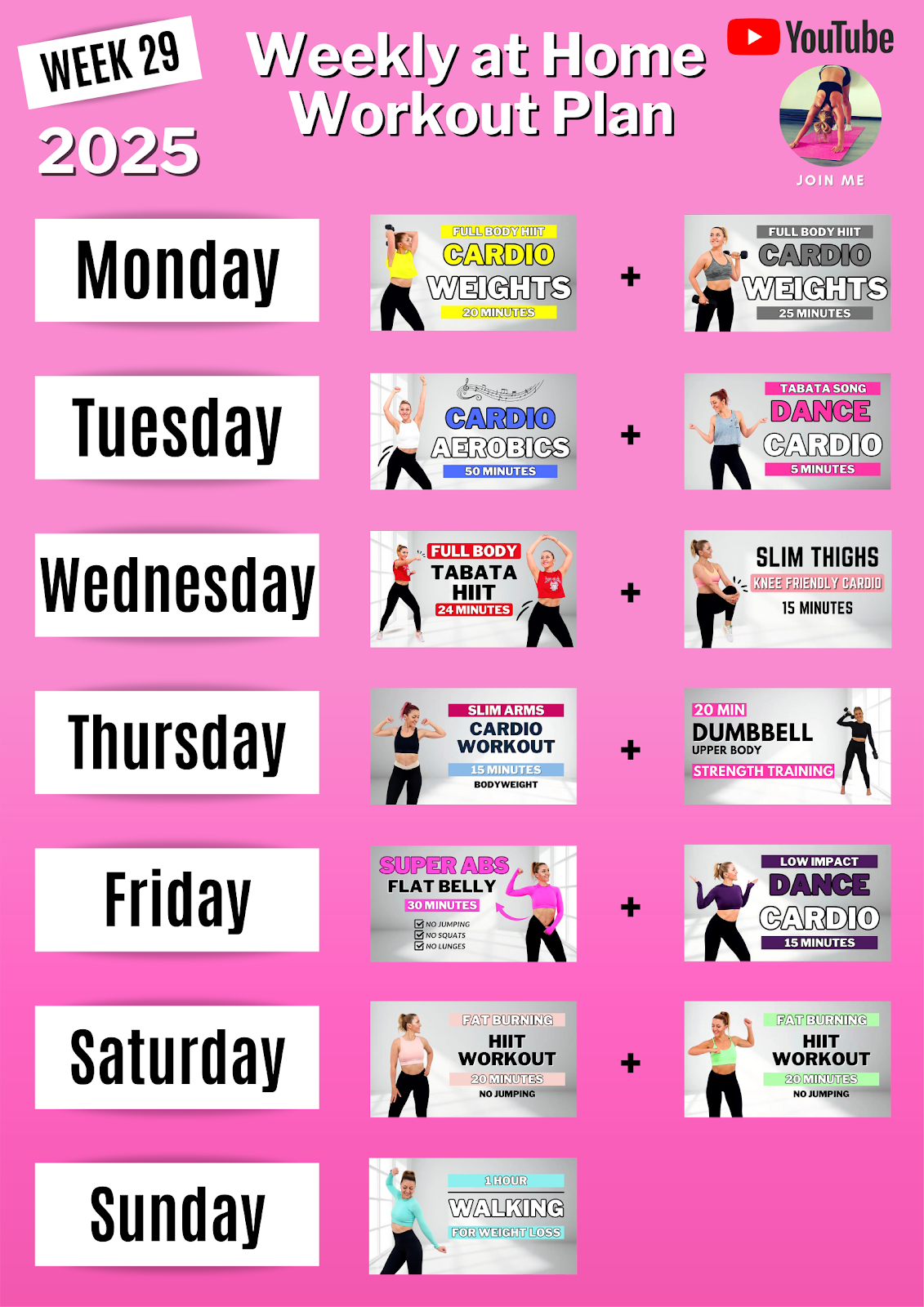
Credit: www.youtube.com
Daily Workout Breakdown
Breaking down your workout into daily focused sessions helps target muscle groups effectively. This approach allows muscles to rest and recover while you train other areas. Consistency builds strength and endurance. Each day focuses on specific muscles or fitness goals to balance effort and recovery.
Day 1: Chest And Triceps
Start with exercises that build your chest and triceps. Include push-ups, bench presses, and tricep dips. These moves improve upper body strength and muscle tone.
Day 2: Back And Biceps
Focus on pulling movements like rows and pull-ups. Add bicep curls to strengthen the front of your arms. This day improves posture and arm strength.
Day 3: Legs
Train your lower body with squats, lunges, and calf raises. Strong legs support all other workouts and daily activities. Don’t forget to stretch after.
Day 4: Shoulders
Target shoulder muscles with overhead presses and lateral raises. These exercises enhance shoulder stability and upper body power.
Day 5: Core And Cardio
Combine core exercises like planks and crunches with cardio activities. This mix improves balance, endurance, and burns calories efficiently.
Day 6: Full Body Strength
Work all major muscles using compound exercises like deadlifts and kettlebell swings. This session boosts overall strength and coordination.
Day 7: Active Recovery
Choose light activities such as walking, yoga, or stretching. Active recovery helps reduce soreness and prepares you for the next week.
Credit: www.lemon8-app.com
Key Exercises For Muscle Growth
Building muscle requires focused exercises that target different muscle groups effectively. The right exercises stimulate growth and improve strength. This section highlights key movements to include in your 7 day gym workout plan. These exercises help maximize muscle gains and improve overall fitness.
Compound Movements
Compound movements work multiple muscles at the same time. They build strength and size faster than isolated exercises. Examples include:
- Squats – target legs, glutes, and core
- Deadlifts – engage back, legs, and grip
- Bench Press – focus on chest, shoulders, and triceps
- Pull-Ups – strengthen back and biceps
- Overhead Press – develop shoulders and triceps
These exercises use heavy weights and natural body movement patterns. They burn more calories and boost muscle growth efficiently.
Isolation Exercises
Isolation exercises target one muscle group at a time. They help shape and define specific muscles. Common isolation moves include:
- Bicep Curls for arm muscles
- Leg Extensions to focus on quadriceps
- Tricep Pushdowns for triceps
- Lateral Raises to build shoulder width
- Hamstring Curls for back of the legs
These exercises improve muscle detail and correct imbalances. Use them after compound lifts for best results.
Progressive Overload Techniques
Muscles grow when challenged with increasing weight or intensity. Progressive overload is the key. Techniques include:
- Adding more weight gradually
- Increasing the number of repetitions
- Increasing the number of sets
- Reducing rest time between sets
- Changing the exercise angle or grip
Track progress to ensure constant challenge. This approach forces muscles to adapt and grow stronger.
Nutrition Tips For Fast Gains
Nutrition plays a key role in muscle growth and recovery. Eating the right foods helps the body repair after workouts and build new muscle faster. Focus on quality nutrients to support your 7 day gym workout plan. Small changes in your diet can make a big difference in your gains.
Protein Intake
Protein is the building block of muscles. Aim to eat protein with every meal. Good sources include chicken, fish, eggs, beans, and dairy. Try to get about 1.6 to 2.2 grams of protein per kilogram of body weight daily. This supports muscle repair and growth. Spreading protein intake evenly throughout the day helps your body use it efficiently.
Meal Timing
Timing your meals around workouts can improve results. Eat a balanced meal with carbs and protein 1 to 2 hours before training. This fuels your workout. After exercise, eat a protein-rich snack or meal within 30 to 60 minutes. This jumpstarts recovery. Stay hydrated by drinking water before, during, and after workouts to maintain performance.
Supplements To Consider
Supplements can support your nutrition but are not a must. Whey protein powder is a quick way to increase protein intake. Creatine monohydrate may help increase strength and muscle size. Branched-chain amino acids (BCAAs) can reduce muscle soreness. Always choose supplements from trusted brands. Consult a healthcare provider before starting any new supplement.
Rest And Recovery Strategies
Rest and recovery are just as important as the workouts themselves in your 7 Day Gym Workout Plan. Without proper recovery, your muscles can’t repair and grow, and your performance might actually decline. Paying attention to rest strategies helps you stay consistent and avoid burnout or injury.
Importance Of Sleep
Sleep is your body’s prime time for recovery. During deep sleep, your body releases growth hormones that repair muscle tissue and boost energy levels. Skipping sleep or getting poor-quality rest can leave you feeling tired and reduce your strength in the gym.
Think about the times you pushed through workouts after a bad night’s sleep—did you perform at your best? Probably not. Aim for 7 to 9 hours of quality sleep each night to give your body what it needs to recover fully.
Stretching And Mobility
Stretching keeps your muscles flexible and helps prevent stiffness after intense workouts. Adding mobility exercises improves your joint range of motion, which can enhance your form and reduce injury risk.
Try dedicating 10-15 minutes after each session to gentle stretching or yoga poses. Simple moves like hamstring stretches or shoulder rolls can make a big difference in how you feel the next day.
Managing Workout Fatigue
Feeling sore or tired is normal, but ignoring extreme fatigue can slow your progress. Listen to your body and adjust workout intensity if you notice persistent soreness or lack of motivation.
Include active recovery days where you do light activities like walking or swimming. These low-impact exercises promote blood flow and help flush out muscle fatigue without putting extra strain on your body.
Common Mistakes To Avoid
A 7 Day Gym Workout Plan can be a game-changer for your fitness, but it’s easy to trip up if you don’t watch out for some common mistakes. These errors can slow your progress, cause injury, or even lead to burnout. Understanding what to avoid helps you get the most out of every session.
Overtraining
Pushing yourself every day without enough rest can backfire. Your muscles need time to recover and grow stronger, so training hard seven days straight might leave you feeling exhausted rather than energized.
Have you ever felt sore for days after a workout and wondered if you should keep going? That’s a sign you might be overtraining. Try mixing in lighter days or active recovery to keep your body fresh.
Poor Form
It’s tempting to lift heavier weights or rush through exercises, but poor form increases your risk of injury. I once hurt my shoulder by trying to lift too much without proper technique, and it set me back weeks.
Focus on mastering the correct movements before adding weight or speed. You can even record yourself or ask a trainer to check your form. Small adjustments make a big difference.
Neglecting Nutrition
Working out hard is only half the battle. Without the right fuel, your body can’t repair muscles or sustain energy levels. Skipping meals or eating junk food won’t support your goals.
Think about what you eat as part of your workout plan. Simple changes like adding protein after exercise or staying hydrated can boost your results significantly. What’s your go-to post-workout meal?

Credit: heydaisyday.com
Tracking Progress
Tracking your progress during a 7 Day Gym Workout Plan is essential to stay motivated and see real results. Without keeping tabs on what you’ve done and how your body responds, it’s easy to lose focus or miss signs that your routine needs tweaking. Monitoring progress helps you understand your strengths and pinpoint areas for improvement.
Workout Logs
Keeping a workout log is one of the simplest ways to track your gym sessions. Write down the exercises, sets, reps, and weights used each day. This record lets you see if you’re lifting heavier or performing more reps over time.
Try using a notebook, an app, or even a spreadsheet. The key is consistency—logging every session, no matter how small the change. When I started tracking my workouts, I noticed steady progress that kept me motivated during plateaus.
Measuring Muscle Gains
Tracking muscle growth isn’t just about the scale. You need to measure your body in specific areas like arms, chest, and thighs with a tape measure. Doing this every two weeks reveals subtle gains that the mirror or scale might miss.
Photos can also be a powerful tool. Take pictures from multiple angles under the same lighting conditions. They provide a visual record that confirms your hard work is paying off.
Adjusting The Plan
Progress tracking isn’t just about celebrating gains; it’s about knowing when to change your plan. If your logs show no improvement in strength or endurance for a couple of weeks, it’s time to switch things up.
Maybe you need to increase weights, add more rest, or try new exercises. Listen to your body’s feedback and be ready to adapt. How often do you review your progress and make adjustments to your routine?
Frequently Asked Questions
What Is The Best 7 Day Gym Workout Plan For Beginners?
A balanced 7 day gym plan includes strength, cardio, and rest days. Start with lighter weights and focus on form. Gradually increase intensity to avoid injury and build endurance. This approach helps beginners gain strength and confidence effectively.
How To Structure A 7 Day Gym Workout Plan?
Divide workouts by muscle groups or workout types. Include strength training, cardio, and flexibility exercises. Schedule rest or active recovery days to prevent burnout. This structure promotes muscle growth, fat loss, and overall fitness improvement.
Can A 7 Day Gym Plan Improve Muscle Growth?
Yes, a well-designed 7 day plan targets different muscle groups daily. It allows for adequate recovery and consistent training. Proper nutrition and rest enhance muscle repair and growth during this routine.
Should I Include Rest Days In A 7 Day Workout Plan?
Yes, rest days are essential for muscle recovery and injury prevention. Incorporate active rest or light activities like stretching. This balance improves performance and helps sustain long-term progress.
Conclusion
This 7 day gym workout plan helps you build strength and stay active. Each day focuses on different muscles for balanced progress. Rest days let your body recover and grow stronger. Stick to the plan and adjust as needed. Consistency brings better results over time.
Enjoy your fitness journey step by step. Keep moving, stay patient, and feel the change. Your health improves with every session. Simple routines create lasting habits. This plan supports your goals in a clear, easy way.







