
Struggling to find time for exercise? What if you could get a full workout in just 30 minutes?
Imagine boosting your energy, burning calories, and feeling stronger—all without spending hours at the gym. This 30 Minute Workout Routine is designed for you to maximize every minute, making fitness simple and effective. Ready to transform your body and your day?
Keep reading to discover how this quick routine can fit perfectly into your busy life.
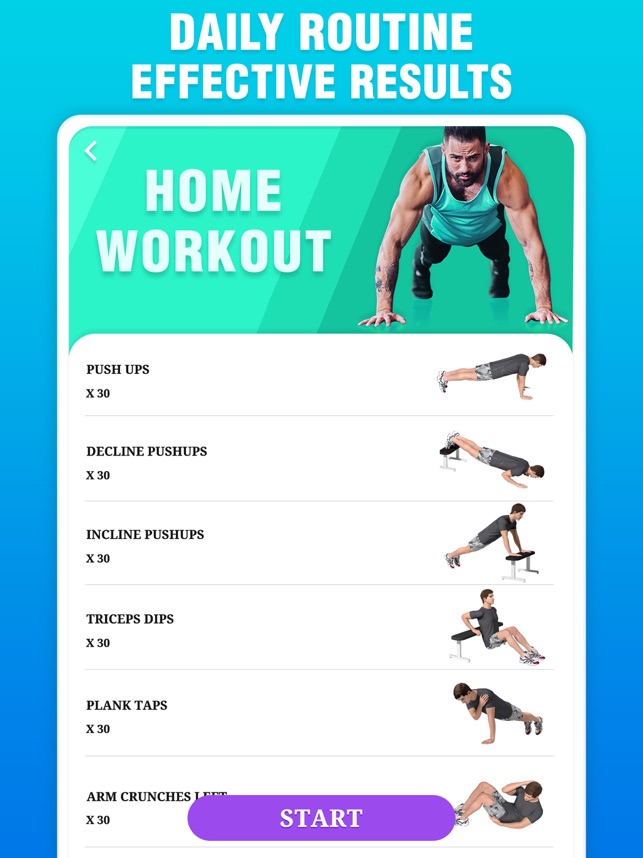
Credit: slowjam-japan.jp
Benefits Of A 30-minute Workout
Fitting exercise into a busy schedule can feel impossible, but a 30-minute workout can deliver powerful benefits without overwhelming your day. Short, consistent sessions can transform how your body and mind work, making fitness more accessible and enjoyable. Let’s look at how just half an hour can make a big difference.
Boosting Metabolism
Your metabolism doesn’t just burn calories during exercise—it stays elevated afterward, too. A quick, intense 30-minute workout can increase your metabolic rate for hours, helping you burn more calories even while resting.
Think about the last time you pushed through a fast-paced routine and felt energized later. That afterburn effect is real and can help you manage weight more easily without spending hours at the gym.
Improving Cardiovascular Health
Regular 30-minute workouts strengthen your heart and lungs, improving blood flow and oxygen delivery throughout your body. This reduces the risk of heart disease and boosts your stamina for daily activities.
You don’t need marathon-length sessions to see benefits—consistent short workouts can lower blood pressure and cholesterol levels effectively. How often do you set aside time for your heart health?
Enhancing Mental Wellbeing
Exercise isn’t just physical; it’s a powerful mood booster. A quick workout can reduce stress hormones and increase endorphins, lifting your mood and sharpening your focus.
Even a single 30-minute session can clear your mind and improve your sleep quality. When was the last time you felt mentally refreshed after moving your body?
Warm-up Exercises
Warming up is a crucial part of any 30-minute workout routine. It prepares your body and mind for the exercises ahead, reducing the risk of injury and improving performance. Skipping this phase can leave your muscles tight and your heart unprepared for the sudden activity.
Dynamic Stretching
Dynamic stretching involves moving your muscles through their full range of motion. Unlike static stretching, it keeps your body active and engaged. Try leg swings, arm circles, or torso twists to loosen up tight areas and boost blood flow.
These movements wake up your muscles gently and get your joints ready. I once skipped dynamic stretches and felt stiffness during squats, which slowed me down. Would you want to start your workout feeling stiff or ready to move freely?
Light Cardio Movements
Light cardio is the perfect way to raise your heart rate before the main workout. Simple actions like jogging in place, jumping jacks, or brisk walking work well. They increase circulation and warm your muscles without tiring you out.
Spend 3 to 5 minutes here to build momentum. When I add light cardio to my warm-up, I notice my energy spikes and my focus sharpens. How much better would your workout feel with your heart already in the game?
High-intensity Interval Training (hiit)
High-Intensity Interval Training (HIIT) is a popular workout style. It mixes short bursts of intense exercise with rest or low activity. This method boosts your heart rate and burns calories fast. HIIT fits well into a 30-minute workout routine. It improves endurance, strength, and fat loss in less time.
HIIT exercises use your body weight. They are simple, effective, and need little space or equipment. Each move works different muscle groups and keeps your body moving. Here are some great HIIT exercises to try.
Jumping Jacks
Jumping jacks warm up your whole body quickly. They raise your heart rate and improve coordination. Start with feet together and arms at your sides. Jump, spreading your legs wide and raising your arms overhead. Jump back to the start position and repeat. Aim for 30 seconds of fast jumping, then rest 15 seconds.
Burpees
Burpees are tough but effective. They work your legs, core, and arms. Begin standing tall, then squat down and place hands on the floor. Jump your feet back to a plank position. Do a push-up, then jump feet back near your hands. Stand up and jump with hands overhead. Perform 10-15 reps at a steady pace. Rest for 20 seconds before the next set.
Mountain Climbers
Mountain climbers target your core and legs. Start in a plank position with hands under shoulders. Bring one knee toward your chest quickly, then switch legs. Keep your hips low and back straight. Move fast for 30 seconds, then take a 15-second break. This exercise boosts endurance and tones muscles.
Strength Training Moves
Strength training moves are essential for building muscle, boosting metabolism, and improving overall fitness. These exercises use your body weight or simple equipment to challenge your muscles in a short time. You don’t need a gym to get stronger—just focus on key moves that target multiple muscle groups effectively.
Squats
Squats are a powerhouse move for your legs and core. Stand with your feet shoulder-width apart, then lower your hips as if sitting back into a chair. Keep your chest up and knees behind your toes.
Try adding a jump at the end to increase intensity or hold weights for extra resistance. Squats improve balance and activate muscles that help with everyday activities like climbing stairs or lifting objects.
Push-ups
Push-ups work your chest, shoulders, triceps, and core all at once. Start in a plank position with your hands under your shoulders, then lower your body until your chest nearly touches the floor.
If standard push-ups feel too hard, modify by dropping your knees or pushing against a wall. How many push-ups can you do before your form breaks? Challenge yourself to build strength steadily.
Lunges
Lunges target your legs and improve balance and coordination. Step forward with one leg and lower your hips until both knees are bent at about 90 degrees.
Keep your front knee over your ankle and your back knee off the ground. You can do walking lunges or stationary ones, and holding dumbbells makes them even tougher. Notice how lunges engage your core to stabilize your body?
Core-focused Exercises
Core-focused exercises play a crucial role in any 30-minute workout routine. Strengthening your core not only improves posture but also boosts overall stability and balance. These exercises target multiple muscle groups around your abdomen, making your workouts more efficient and effective.
Planks
Planks are a powerful way to engage your entire core. Hold your body in a straight line from head to heels, resting on your forearms and toes. Even if it feels tough at first, aim to hold for 30 seconds and gradually increase the time.
You’ll notice improved endurance and reduced back pain as your core muscles strengthen. Challenge yourself by trying side planks to activate your obliques and add variety to your routine.
Bicycle Crunches
Bicycle crunches target both the upper and lower abs along with the obliques. Lie on your back, bring opposite elbow to knee while extending the other leg, and switch sides in a controlled motion. This keeps your core engaged and helps build rotational strength.
Try to maintain a steady pace and avoid pulling on your neck. How many can you do in 30 seconds without losing form? Tracking your progress here can motivate you to push harder.
Leg Raises
Leg raises focus on your lower abs, an often-neglected area. Lie flat on your back, keep your legs straight, and slowly lift them until they’re perpendicular to the floor. Lower them back down with control without touching the ground.
This move improves lower abdominal strength and hip flexor stability. If you feel strain in your lower back, bend your knees slightly or reduce the range of motion to protect yourself.
Credit: www.lemon8-app.com
Cool-down Routine
Cooling down after a workout is important for your body. It helps your heart rate return to normal. It also reduces muscle stiffness and soreness. A proper cool-down routine improves flexibility and relaxes the mind. Spend a few minutes focusing on gentle movements and breathing. This makes your 30-minute workout more effective and safer.
Static Stretching
Static stretching means holding a stretch without moving. It helps lengthen muscles after exercise. Stretch each major muscle group slowly and gently. Hold each stretch for 15 to 30 seconds. Avoid bouncing or forcing the stretch. This reduces muscle tightness and lowers injury risk. Focus on areas you worked hard during your routine. Examples include hamstring, calf, and shoulder stretches.
Deep Breathing Techniques
Deep breathing calms the nervous system after exercise. Take slow, deep breaths to lower your heart rate. Breathe in through your nose for four seconds. Hold the breath for two seconds. Breathe out slowly through your mouth for six seconds. Repeat this cycle for a few minutes. Deep breathing helps reduce stress and promotes relaxation. It also improves oxygen flow to your muscles for recovery.
Tips For Maximizing Fat Burn
Maximizing fat burn during a 30-minute workout requires focus and smart habits. Small changes can improve results and help you reach your goals faster. Focus on key areas like form, consistency, and nutrition to get the most from your routine.
Maintaining Proper Form
Good form protects your body from injury. It also makes every move more effective. Concentrate on slow and controlled motions. Engage your core and keep your back straight. Proper form increases muscle activation and burns more calories.
Staying Consistent
Consistency is key to burning fat. Exercise regularly, aiming for at least three sessions per week. Create a schedule and stick to it. Consistent workouts improve endurance and boost metabolism. Over time, this helps your body burn fat even at rest.
Balancing Nutrition
Nutrition fuels your workouts and aids fat loss. Eat balanced meals with protein, healthy fats, and carbs. Avoid processed foods and sugary drinks. Drink plenty of water to stay hydrated. Proper nutrition supports muscle growth and speeds recovery.
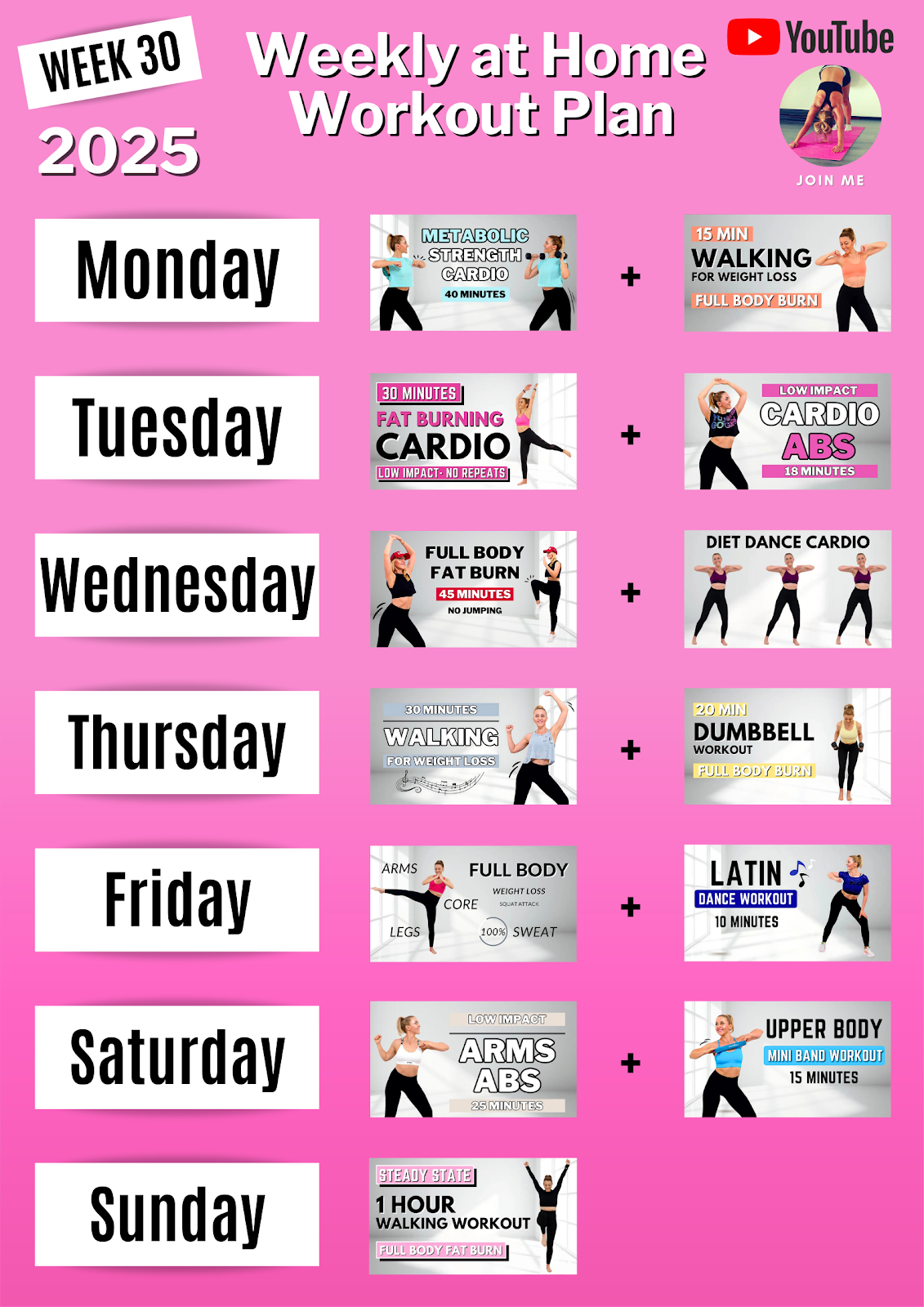
Credit: m.youtube.com
Frequently Asked Questions
What Exercises Are Best For A 30 Minute Workout?
A 30 minute workout should include a mix of cardio and strength training. Exercises like jumping jacks, squats, push-ups, and planks maximize calorie burn and muscle engagement. This combination improves endurance, strength, and overall fitness efficiently within a short time.
How Often Should I Do A 30 Minute Workout?
For optimal results, aim to do a 30 minute workout 3 to 5 times per week. Consistency helps build strength and endurance. It also improves cardiovascular health without overwhelming your body or schedule.
Can A 30 Minute Workout Help With Weight Loss?
Yes, a 30 minute workout can support weight loss. High-intensity exercises burn calories quickly and boost metabolism. Combined with a healthy diet, this routine helps create a calorie deficit essential for fat loss.
Is A 30 Minute Workout Effective For Beginners?
Absolutely, a 30 minute workout is great for beginners. It’s manageable, less intimidating, and builds fitness gradually. Start with low-impact exercises and increase intensity as your strength and endurance improve.
Conclusion
This 30 minute workout routine fits any busy schedule. You can stay active without spending hours at the gym. Simple moves, done right, bring great results. Consistency matters more than intensity or time. Feel stronger, healthier, and more energetic each day.
Start small, keep going, and enjoy the progress. Your body will thank you for the effort. Make this routine a regular part of life. Fitness is possible for everyone, anytime, anywhere.







