
Are you looking for a simple and effective way to manage your weight? A 1000 calorie diet meal plan could be just what you need.
It’s designed to help you burn fat while still enjoying tasty, satisfying meals. You’ll discover easy-to-follow meal ideas that keep your energy up and cravings down. Stick with me, and you’ll find out how to make this plan work for your lifestyle without feeling hungry or deprived.
Ready to take control of your health? Let’s dive in!
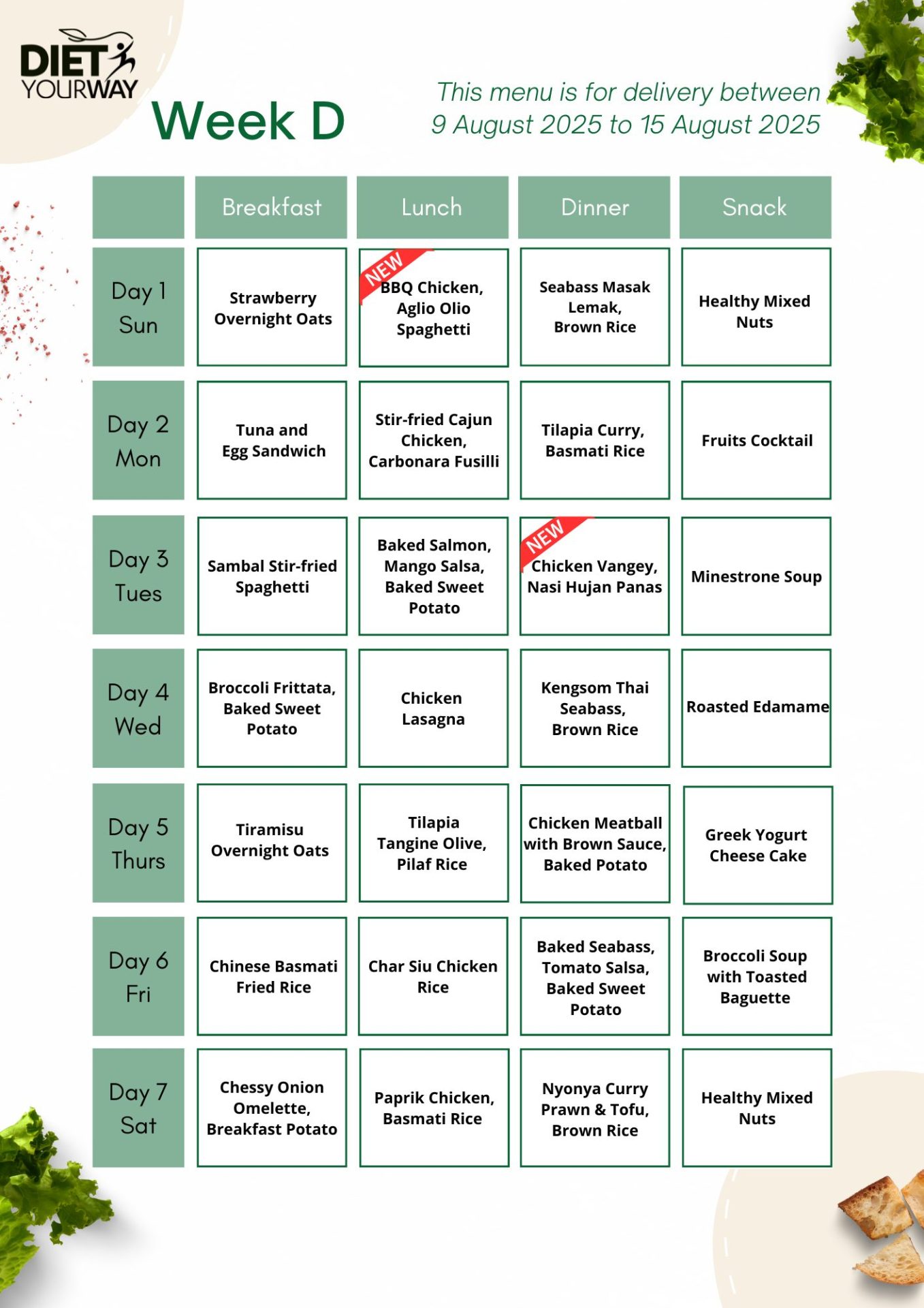
Credit: dietyourway.com.my
Benefits Of A 1000 Calorie Diet
Choosing a 1000 calorie diet can seem challenging, but it offers clear benefits that might surprise you. This approach helps you control your calorie intake precisely, making weight management more straightforward. Understanding these benefits can help you decide if this plan suits your lifestyle and goals.
Improved Weight Loss Control
A 1000 calorie diet forces you to be mindful of what you eat, leading to better portion control. It can help you shed pounds faster since you consume fewer calories than your body burns. Have you noticed how tracking your meals closely makes you more aware of hidden calories?
Boosted Metabolic Awareness
Eating a limited number of calories encourages you to learn more about your metabolism. You start recognizing which foods provide energy and which ones don’t add much value. This knowledge can change how you approach meals in the long term.
Enhanced Meal Planning Skills
When you stick to 1000 calories a day, planning meals becomes essential. You learn to balance proteins, fats, and carbs carefully to stay full and energized. Have you ever tried creating a meal plan that fits your calorie limit while keeping you satisfied?
Potential Health Improvements
Cutting calories can lead to lower blood pressure and better cholesterol levels for some people. However, it’s important to choose nutrient-rich foods to avoid nutrient deficiencies. What healthy swaps can you make to maximize nutrition within your calorie limit?
Increased Discipline And Focus
Following a strict calorie limit builds discipline around eating habits. This focus can spill over into other areas of your life, like exercise and sleep routines. How might better self-control around food improve your daily decisions?
Who Should Try This Diet
The 1000 calorie diet plan is a very low-calorie option designed for rapid weight loss. It’s not suitable for everyone, so knowing who should try this diet can help you decide if it’s right for your health and goals.
If you’re considering this plan, ask yourself: Are you ready for strict food control and careful planning? This diet requires discipline and close attention to nutrition to avoid deficiencies.
Individuals With A Short-term Weight Loss Goal
This diet can be effective for people who need to lose weight quickly before a special event or medical procedure. Because it limits calories drastically, it often produces fast results.
However, it’s important to only follow this diet for a short time, as prolonged use can lead to nutrient shortages and loss of muscle mass.
People Under Medical Supervision
If a doctor recommends rapid weight loss for health reasons, you might be advised to try a 1000 calorie diet. Medical supervision ensures you stay safe and get the nutrients you need.
Do not start this diet without professional advice, especially if you have existing health conditions like diabetes or heart issues.
Adults Without Underlying Health Problems
Healthy adults who are overweight and want to jump-start their weight loss might consider this diet. It’s crucial to maintain a balanced intake of proteins, fats, and carbs during the plan.
Ask yourself if you can commit to eating nutrient-rich, low-calorie meals daily. If yes, this diet might offer a quick way to shed pounds.
Those Who Have Tried Other Diets Without Success
Sometimes, people hit a weight loss plateau with moderate calorie reduction. The 1000 calorie diet can help break through that plateau by creating a stronger calorie deficit.
Remember, this diet requires careful planning to avoid feeling weak or deprived. Are you prepared to handle such a strict regimen?
Key Nutrients To Include
A 1000 calorie diet plan requires careful nutrient choices. Eating fewer calories means every bite must count. Nutrients support energy, body functions, and overall health. Missing key nutrients can cause tiredness and health issues.
Focus on a balance of proteins, fats, and carbs. Include vitamins and minerals for body strength. This section highlights essential nutrients to include in your meal plan.
Protein For Muscle And Repair
Protein helps build and repair muscles. It keeps you full longer and supports metabolism. Good sources include lean meat, fish, eggs, and beans. Aim for about 70-100 grams daily on a 1000 calorie plan.
Healthy Fats For Energy And Brain Health
Healthy fats provide energy and support brain function. Include sources like avocados, nuts, seeds, and olive oil. Avoid trans fats and limit saturated fats to stay healthy.
Carbohydrates For Fuel And Fiber
Carbs are the body’s main energy source. Choose whole grains, fruits, and vegetables for steady energy. Fiber-rich carbs help digestion and keep you full. Limit sugary and processed carbs.
Vitamins And Minerals For Overall Wellness
Vitamins and minerals regulate body processes and immunity. Include colorful vegetables and fruits for a variety of nutrients. Calcium, iron, vitamin D, and potassium are especially important.
Hydration And Electrolytes
Water supports every body function and helps control hunger. Electrolytes like sodium and potassium keep fluid balance. Drink plenty of water and include foods like cucumbers and watermelon.
Sample Meal Plan Ideas
Planning your meals on a 1000 calorie diet can feel challenging, but having clear ideas makes it easier to stay on track. You want meals that satisfy hunger without pushing your calorie limit. Below are some practical meal options that keep your diet balanced and enjoyable.
Breakfast Options
- Greek Yogurt with Berries:A small bowl of non-fat Greek yogurt topped with fresh strawberries and a sprinkle of chia seeds. This combo offers protein and fiber to keep you full until lunch.
- Oatmeal with Almonds:Half a cup of cooked oats with a few slivered almonds and a dash of cinnamon. It’s warm, comforting, and low in calories.
- Vegetable Omelette:Two egg whites cooked with spinach, tomatoes, and mushrooms. This breakfast packs protein and nutrients without extra calories.
Lunch Choices
- Grilled Chicken Salad:Mixed greens, cherry tomatoes, cucumbers, and 3 oz of grilled chicken breast with a light vinaigrette. It’s filling but low in calories.
- Quinoa and Veggie Bowl:A small serving of cooked quinoa with steamed broccoli, bell peppers, and a squeeze of lemon juice. It’s nutritious and easy to prepare ahead.
- Turkey Wrap:A whole-wheat wrap with sliced turkey breast, lettuce, and mustard. Keep the wrap small to control calories.
Dinner Meals
- Baked Salmon with Asparagus:A 4 oz piece of salmon baked with herbs alongside steamed asparagus. The healthy fats in salmon help keep you satisfied.
- Stir-Fried Tofu and Vegetables:Tofu cubes stir-fried with broccoli, carrots, and snap peas in a splash of low-sodium soy sauce. It’s a plant-based option rich in protein.
- Cauliflower Rice and Grilled Shrimp:Substitute regular rice with cauliflower rice and top with 4 oz grilled shrimp. This keeps the meal light but flavorful.
Healthy Snacks
- Carrot Sticks with Hummus:Crunchy carrot sticks dipped in two tablespoons of hummus. It’s a satisfying snack with fiber and healthy fats.
- Apple Slices and Peanut Butter:One small apple sliced with a teaspoon of natural peanut butter. The sweetness and protein combo keeps hunger at bay.
- Hard-Boiled Egg:A simple, portable snack that’s packed with protein and easy to prepare in advance.
Have you noticed how focusing on nutrient-dense foods makes a low-calorie diet feel less restrictive? What’s your favorite low-calorie meal that keeps you energized throughout the day?
Tips For Staying Full
Sticking to a 1000 calorie diet can be challenging, especially when hunger strikes. Feeling full helps you stay on track without constant snacking or overeating. Here are practical tips to keep your hunger at bay while following your meal plan.
Choose High-volume, Low-calorie Foods
Foods like leafy greens, cucumbers, and broth-based soups add volume to your meals without adding many calories. These foods fill your stomach, creating a sense of fullness. Have you tried starting your meal with a vegetable salad or a light soup to curb hunger quickly?
Include Protein In Every Meal
Protein takes longer to digest and helps you feel satisfied longer. Eggs, lean chicken, tofu, and Greek yogurt are great options that fit within your calorie limit. Even a small portion can help reduce cravings later in the day.
Drink Plenty Of Water
Sometimes thirst disguises itself as hunger. Drinking water regularly throughout the day helps keep your stomach feeling fuller. Try sipping a glass before meals and notice if it reduces your appetite.
Eat Slowly And Mindfully
Your brain needs time to register fullness signals from your stomach. Eating too fast may lead to overeating before you realize you’re full. Take small bites, chew thoroughly, and enjoy the flavors—how often do you pause to savor your meals?
Snack Smart With Fiber-rich Options
Fiber slows digestion and keeps hunger away longer. Raw veggies, chia seeds, and small servings of berries are low in calories but high in fiber. Keep these snacks handy to prevent sudden hunger pangs.
Credit: www.etsy.com
Common Mistakes To Avoid
Following a 1000 calorie diet meal plan requires care and attention. Many people make mistakes that can harm their health or slow progress. Avoiding common errors ensures better results and keeps the body nourished.
Skipping Meals Completely
Some believe skipping meals speeds up weight loss. This often leads to low energy and overeating later. Eating small, balanced meals helps maintain steady energy and controls hunger.
Not Getting Enough Nutrients
A 1000 calorie diet can lack essential vitamins and minerals. Ignoring nutrient balance harms the immune system and overall health. Include a variety of fruits, vegetables, proteins, and healthy fats.
Relying On Processed Foods
Processed foods often contain hidden sugars and unhealthy fats. These add empty calories and reduce diet quality. Choose whole, natural foods for better nutrition and fullness.
Drinking Too Few Fluids
Water supports digestion and metabolism during calorie restriction. Drinking too little causes dehydration and fatigue. Aim for at least eight glasses of water daily.
Ignoring Hunger Signals
Ignoring hunger can cause the body to slow metabolism. Eat when hungry, but choose low-calorie, nutrient-dense foods. This helps avoid binge eating and keeps energy up.
Setting Unrealistic Expectations
Expecting rapid weight loss leads to disappointment. Healthy progress takes time and patience. Focus on consistent habits instead of quick fixes.
Exercise Recommendations
Exercise plays a key role in any 1000 calorie diet meal plan. It helps you maintain muscle mass, boost metabolism, and improve overall well-being. But with such a low calorie intake, choosing the right type and amount of exercise is crucial to avoid burnout or injury.
Balancing Cardio And Strength Training
You want to get enough cardio to support heart health without burning too many calories that you can’t replace through your diet. Moderate activities like walking, light jogging, or cycling for 20-30 minutes a day work well.
Strength training is just as important. It helps preserve muscle, which can otherwise break down when calories are low. Bodyweight exercises or light weights twice or thrice a week are effective and manageable.
Listening To Your Body’s Signals
Feeling overly tired or dizzy? That’s a sign to slow down. On a 1000 calorie diet, your energy reserves are limited, so rest is crucial.
Don’t push through pain or extreme fatigue. Instead, try gentle stretching or yoga on low-energy days to keep your body moving without stress.
Scheduling Exercise Around Meal Times
Working out right after eating can cause discomfort, especially on a low-calorie plan. Aim to exercise at least 1-2 hours after a meal to allow digestion.
Consider a light snack before workouts if you feel weak. A small portion of fruit or nuts can provide quick energy without breaking your calorie limit.
Tracking Progress And Adjusting Activities
Keep a simple log of your workouts and energy levels. This helps you see what exercises feel good and which ones drain you.
If you notice consistent fatigue or weight loss stalls, tweak your routine. You might need to cut back on cardio or add more rest days to stay healthy.
Tracking Progress Effectively
Tracking your progress on a 1000 calorie diet meal plan is essential to stay motivated and make necessary adjustments. Without keeping an eye on your results, you might miss signs of plateaus or undernourishment. Monitoring helps you understand how your body responds and keeps you accountable.
Using A Food Diary To Record Your Meals
Writing down everything you eat helps you stay within your calorie limit. You can spot patterns like snacking too much or missing key nutrients. Use a notebook or a mobile app to log meals and snacks immediately after eating.
This simple habit revealed to me that I often underestimated calorie-dense foods. Once I started tracking, I adjusted portions and avoided hidden calories that stalled my progress.
Measuring Physical Changes Beyond The Scale
Relying only on the scale can be misleading. Muscle gain, water retention, or hormonal changes affect weight but not fat loss. Use a tape measure to track waist, hips, and other areas.
Take photos weekly to visually compare changes. You might notice progress that numbers don’t show. How often do you check your measurements?
Setting Realistic Milestones And Rewards
Break your goal into smaller, achievable milestones. For example, aim to lose 2-3 pounds every two weeks. Celebrate these wins with non-food rewards like new workout gear or a relaxing day off.
Setting milestones keeps you focused and prevents feeling overwhelmed. What small victory will you celebrate first?
Adjusting Your Plan Based On Feedback
Tracking progress gives you feedback to tweak your diet or exercise. If you feel constantly tired or hungry, your 1000 calorie plan might need slight changes. Consult a nutritionist if unsure.
Listening to your body ensures sustainability and better results. Are you paying attention to how your body reacts day by day?
When To Seek Professional Advice
Following a 1000 calorie diet meal plan can be challenging and may not suit everyone’s needs. It’s important to recognize when you should seek help from a healthcare professional. Knowing the right moments to ask for advice can protect your health and improve your results.
Signs Your Body Needs Medical Attention
Feeling dizzy, weak, or unusually tired while on a low-calorie diet should never be ignored. These symptoms may indicate that your body isn’t getting enough nutrients. If you experience persistent headaches, irregular heartbeat, or fainting spells, contact a doctor immediately.
Pre-existing Health Conditions
If you have conditions like diabetes, thyroid disorders, or heart problems, a 1000 calorie diet might affect you differently. Your medication and health status require professional monitoring. Always consult your healthcare provider before starting such a low-calorie plan.
Unintended Weight Loss Or Gain
Are you losing weight too fast or not at all? A sudden drop or increase in weight can be a sign that your diet isn’t balanced or suitable for your body. A dietitian can help adjust your meal plan to meet your goals safely.
Emotional And Mental Health Changes
Low-calorie diets can sometimes impact your mood and mental clarity. If you notice increased anxiety, mood swings, or difficulty concentrating, it’s time to seek support. Mental well-being is as important as physical health during dieting.
Need For Customized Nutritional Guidance
Everyone’s body is unique, and a one-size-fits-all diet rarely works long term. A nutrition expert can tailor a meal plan that fits your lifestyle, preferences, and health requirements. Personalized advice increases your chance of success and keeps you healthier.
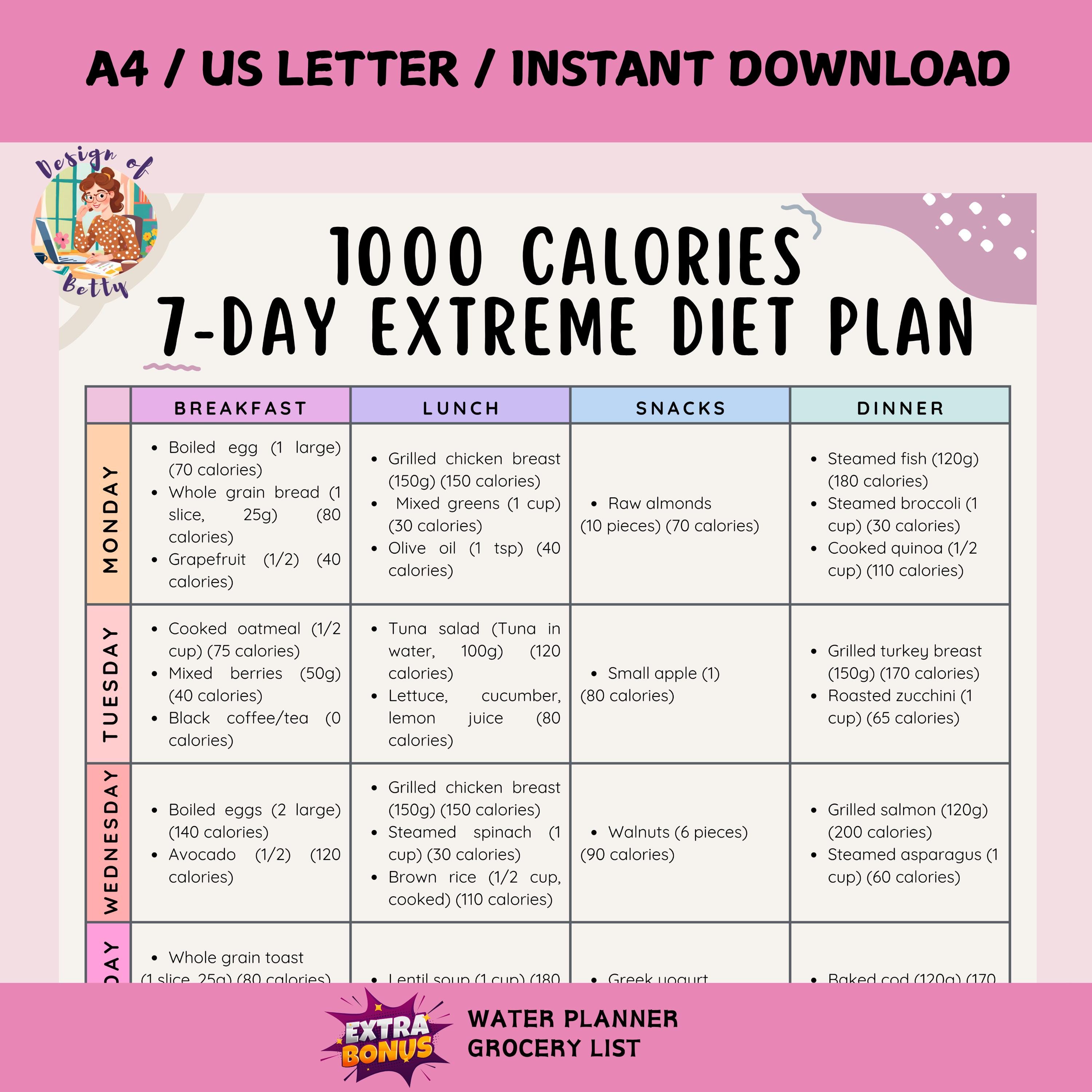
Credit: www.etsy.com
Frequently Asked Questions
What Is A 1000 Calorie Diet Meal Plan?
A 1000 calorie diet meal plan involves consuming only 1000 calories daily. It focuses on nutrient-dense foods to meet nutritional needs. This plan is often used for rapid weight loss but should be supervised by healthcare professionals to ensure safety and effectiveness.
Is A 1000 Calorie Diet Safe For Everyone?
A 1000 calorie diet is not safe for everyone. It’s typically recommended for short-term use and under medical supervision. Individuals with specific health conditions, pregnant women, or those with higher energy needs should avoid it. Consulting a healthcare provider before starting is crucial.
What Foods Are Included In A 1000 Calorie Diet?
A 1000 calorie diet includes lean proteins, vegetables, fruits, and whole grains. Foods like chicken breast, leafy greens, berries, and oats are common choices. Portion control is essential to maintain the calorie limit. It’s important to focus on nutrient-rich foods to avoid deficiencies.
How Quickly Can I Lose Weight On This Diet?
Weight loss on a 1000 calorie diet varies by individual. Typically, you may lose 1 to 2 pounds weekly. However, rapid weight loss might not be sustainable long-term. It’s essential to focus on healthy eating habits for lasting weight management.
Conclusion
A 1000 calorie diet meal plan can help with weight loss. Choose foods that give you energy and keep you full. Drink plenty of water to stay hydrated. Plan your meals to avoid hunger and cravings. Always listen to your body’s needs.
Talk to a doctor before starting any low-calorie diet. Stay consistent and patient for the best results. Small changes lead to big improvements over time. Keep your meals simple and balanced for easy success.







